
Starting the Year With Intention: How Mindset and Goal Definition Shape Performance in Fitness, Pickleball, and Life
%20(1).jpg)
By Susie Reiner, PhD
The start of the year creates a rare pause in an otherwise continuous cycle of obligations, habits, and momentum. For many adults, this is one of the only times when reflection feels both practical and socially accepted. Used well, it allows direction to be set intentionally rather than inherited from last year’s routines.
For people invested in pickleball, fitness, and long-term health, early clarity has real long-term benefits. The expectations defined now influence how time is allocated, how fatigue is interpreted, and which trade-offs feel acceptable. These decisions compound quietly and tend to show up later as either sustainable progress or recurring frustration.
Starting with intention does not require a dramatic overhaul. It requires deciding what deserves consistency and what can be deprioritized. That distinction becomes increasingly important as athletic goals intersect with work, family, and personal energy.
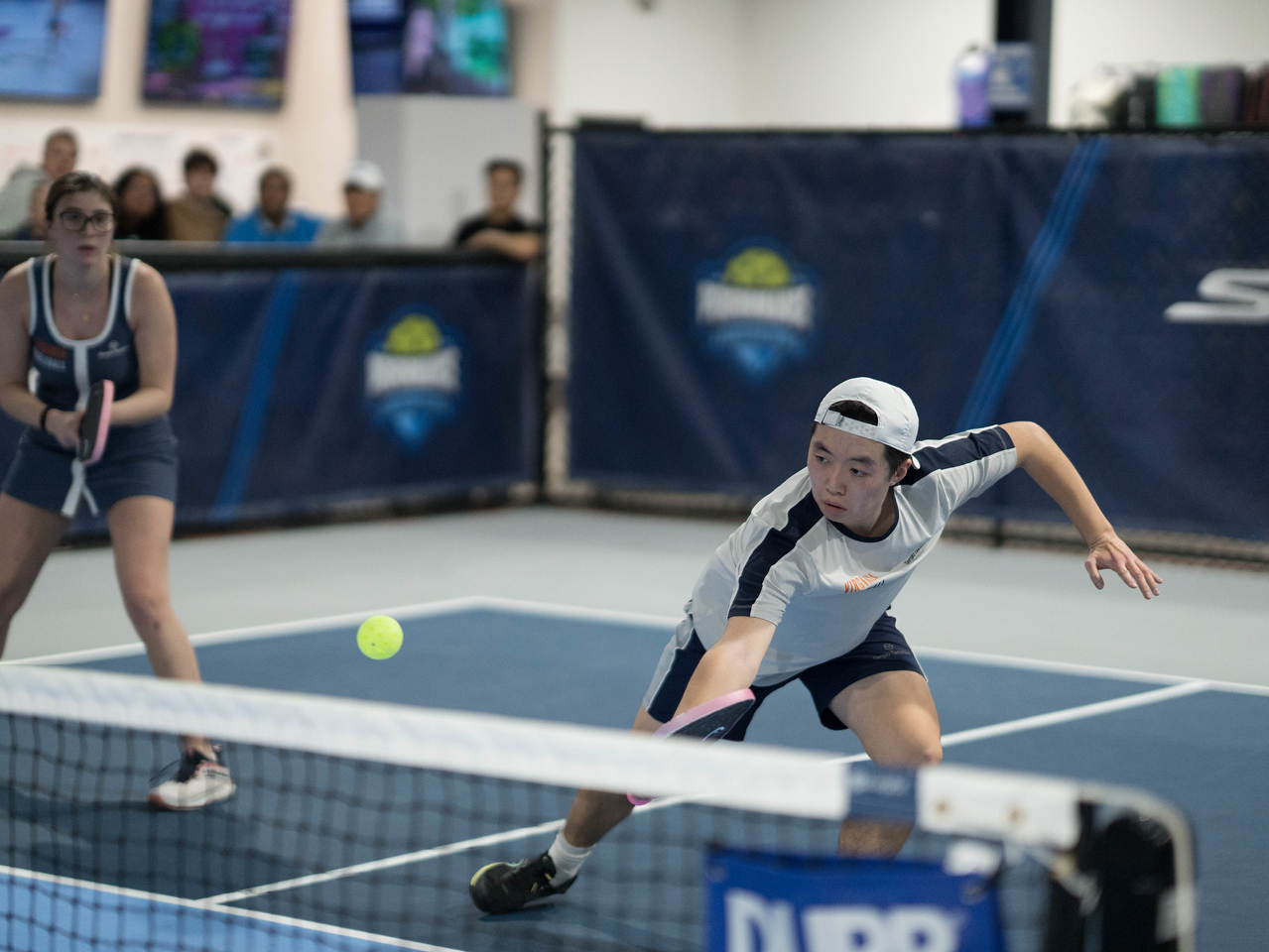
Mindset as a Foundation for Sustainable Progress
Mindset shapes how you process challenges day-to-day. It shapes whether obstacles are seen as disruptions or as expected elements of long-term progress. This perspective affects consistency more than motivation alone.
An adaptable mindset allows room for fluctuations in energy, schedule, and performance. Life stressors and physical variability are treated as part of the system rather than interruptions to it. Approaching life with a flexible yet focused mindset supports steadier engagement and long-term adherence to training, sport, and personal goals throughout the year.
This perspective carries beyond sport. Adults balancing multiple roles benefit from valuing continuity over intensity. That framing supports patience, clearer decision-making, and reduced burnout across both fitness and life demands.
Goal Setting as a Driver of Physical and Mental Adaptation
Goals guide behavior, and behavior drives physiological adaptation. When goals are clear, training sessions tend to be more purposeful, recovery habits more consistent, and stress better managed. Over time, this consistency shapes both physiological and psychological adaptation.
Goal-setting within your pickleball program might look like knowing your weekly sessions and volume of play, and choosing tournaments you might participate in ahead of time. This structure not only provides the necessary progressive aerobic stimulus to improve endurance, but also promotes mental clarity, reducing decision fatigue about when to head to the court versus the gym during your training.
In pickleball, well-defined goals shape how often you play, how you warm up, and whether strength or aerobic work is prioritized alongside court time. Beyond the court, the same structure influences sleep routines, nutrition choices, and boundaries around workload. The result is a more stable foundation for both performance and health.
You can incorporate a combination of outcome and process goals to help you progress throughout the year:
Outcome goals
- Define the results or experiences you want the year to lead to, such as competing in specific events, playing pain-free, or feeling more confident and capable on the court and in daily life.
- Use outcome goals to set direction and meaning. They are where you are headed, but what they look like over the long term and how you get there may change due to factors outside your control, such as shifts in your schedule or life circumstances.
- More often than not, working on your process goals (highlighted below) provides the consistency needed to meet your outcome goals.
Process goals
- Focus on the repeatable behaviors that move you toward those outcomes, including how often you train, how you warm up, how you recover, and how you manage stress and energy.
- Use process goals as your primary measure of progress, since they are within your control and drive long-term adaptation and consistency.

Why Planning for the Unexpected Matters More Than Perfect Goals
Health, performance, and life demands operate as a single system, and that system is rarely stable for long. Work stress, travel, illness, family responsibilities, and minor injuries all place demands on the same recovery resources that training relies on. When these factors are not accounted for, even well-designed goals can quickly become unrealistic.
When defining your goals, create room for adjustment when circumstances change. Instead of asking whether you are following the plan, the question becomes how the plan should adapt to current capacity. Training volume can be reduced during high-stress periods, intensity can shift when energy is low, and recovery can be emphasized before problems escalate.
For pickleball players, this may mean scaling back match play during demanding work weeks while maintaining movement quality and basic conditioning. During times when court time is limited, strength, mobility, or aerobic work can preserve readiness until play resumes. Planning for the unexpected allows progress to continue, even when the path looks different from what was originally imagined.
Identity as an Anchor for Long-Term Progress
Beyond specific goals and behaviors, it can be useful to consider who you are aiming to become over the course of the year. Identity shapes how consistently behaviors show up when motivation is low or circumstances change. When actions align with self-concept, they tend to require less negotiation.
For many adults, this may mean identifying as someone who values preparation, protects recovery, or prioritizes longevity over short-term intensity. In pickleball and in life, this framing supports decisions that favor consistency, resilience, and sustainable progress rather than reactive effort.
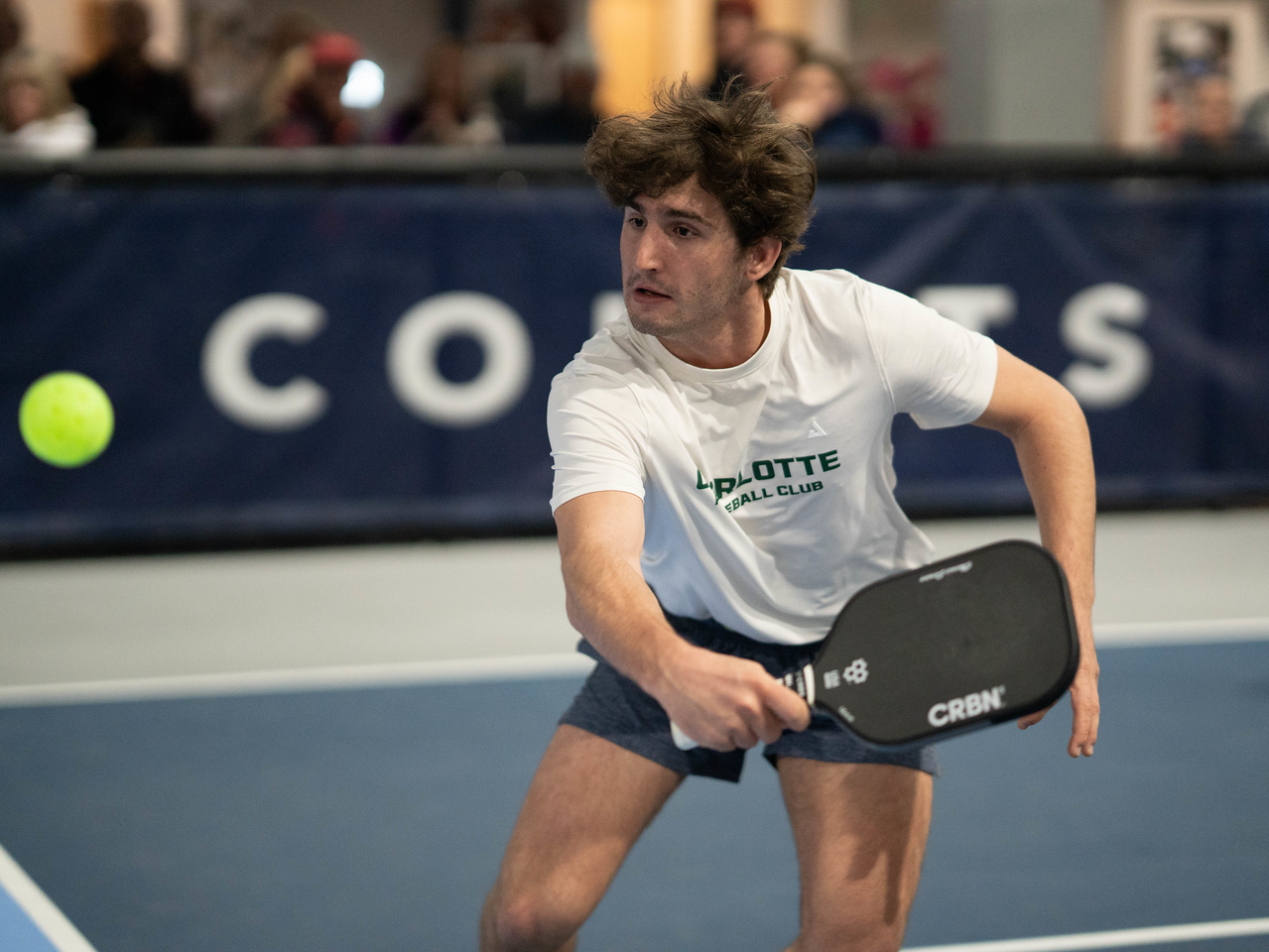
Year-Start Recap: A Guided Framework to Set Your Own Goals and Mindset
Use this as a working guide to define intentions, not a list of rules to follow perfectly. The goal is clarity, alignment, and sustainability across fitness, pickleball, and life.
Step 1: Define the Lens You Want to View the Year Through
Before setting any goals, decide how you want to interpret effort, setbacks, and progress.
- How do I want to respond when pickleball or life does not go as planned?
- What does consistency look like for me, given my current responsibilities?
- What am I willing to adjust during busy or high-stress periods rather than abandon entirely?
Write one or two sentences that describe how you want to approach the year mentally. This becomes your reference point when motivation dips or schedules change.
Step 2: Clarify What “Being Fit and Capable” Means Right Now
Fitness goals should reflect your current reality, not a past version of yourself or someone else’s routine.
- What physical qualities matter most for how I want to live and play this year?
- What would feeling physically capable allow me to do more often?
This step helps prioritize capacity over aesthetics or arbitrary benchmarks.
Step 3: Translate Intentions Into Training and Pickleball Behaviors
Goals become actionable when they shape how you actually train and play.
- How many days per week can I realistically train or play without accumulating fatigue?
- How will I balance pickleball with strength, mobility, and conditioning?
- What preparation or recovery practices will I commit to consistently?
Focus on behaviors you can repeat, not perfect plans.
Step 4: Define Outcomes That Give Direction, Not Pressure
Outcomes matter, but they work best when they guide effort rather than dictate self-worth.
- What experiences or milestones would make this year feel successful?
- How will I measure progress beyond wins, rankings, or comparisons?
- What signals will tell me I am moving in the right direction?
Choose outcomes that motivate without narrowing your focus too much.
Step 5: Plan for Change Before It Happens
Life will disrupt even the best intentions. Planning for that reality protects momentum.
- Which months or seasons tend to be most demanding for me?
- What does a “lighter” version of my routine look like?
This step reduces the all-or-nothing cycle that derails many well-intended plans.
Step 6: Schedule Checkpoints, Not Constant Evaluation
Progress is easier to sustain when reflection is intentional and spaced out.
- How often will I pause to reassess my goals and energy levels?
- What signals suggest it is time to adjust rather than push?
Quarterly or seasonal reviews tend to work better than daily self-judgment.
Write your answers down. Keep them somewhere visible or easy to revisit. Return to this framework when motivation fades, schedules change, or priorities shift. The purpose is not to control the year, but to give it direction. A clear mindset and well-defined intentions make it easier to train consistently, play well, and protect health across both pickleball and life.
The Bottom Line
At its core, starting the year with intention is about creating clarity, not pressure. Mindset and goal definition shape how you respond to challenges, allocate energy, and make decisions long before results are visible. When goals are grounded in identity, aligned with real-life demands, and flexible enough to adapt, they support consistency rather than burnout.
The aim is not to engineer a perfect year, but to establish a direction that allows progress to continue even when circumstances change. Over time, that clarity becomes the difference between chasing short-term outcomes and building lasting capacity in fitness, pickleball, and life.

OTRAS HISTORIAS DESTACADAS
Consulte nuestras otras historias que pueden interesarle
.png)
%20(1)%20(2).jpg)
%20(1).jpg)


