
How to Hit the Perfect Flick with Pro Player Richard Livornese Jr.
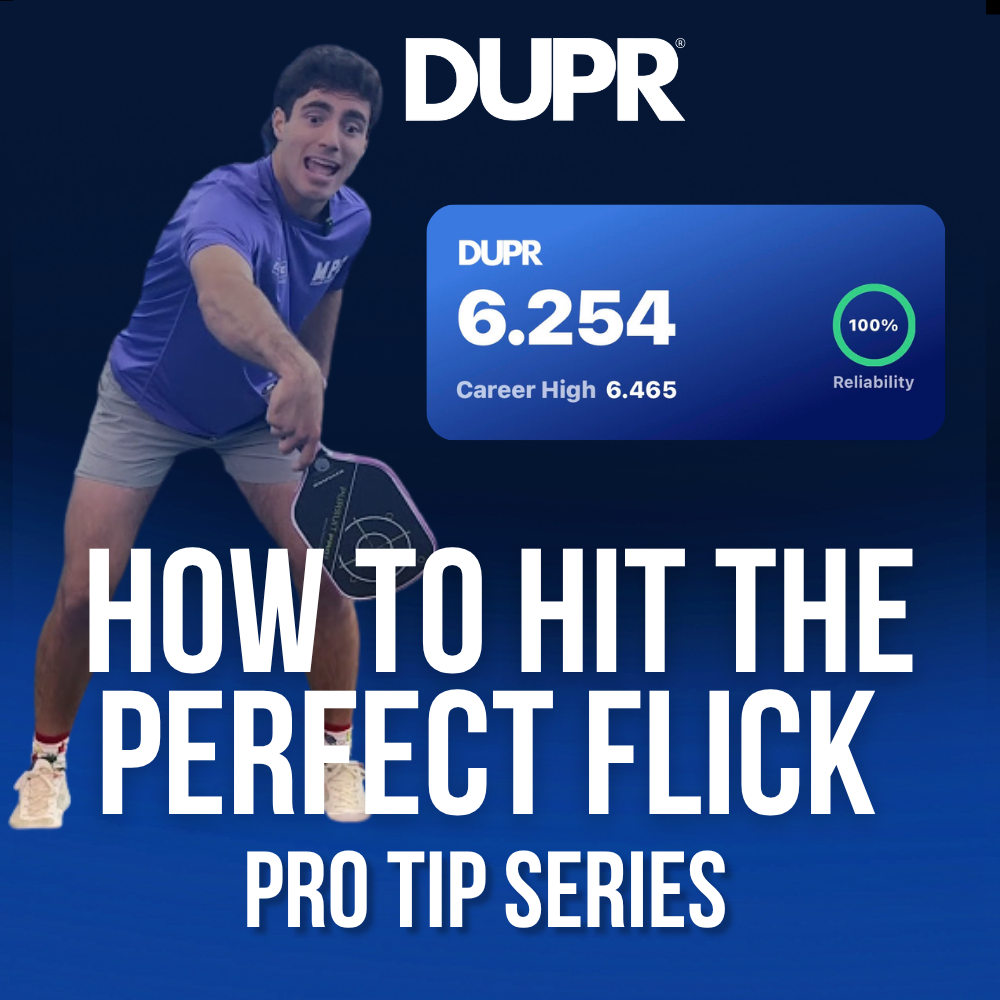
Think a 5.0 pickleball rating is out of reach? Think again.
You don’t need to hit harder; you need to play smarter.
Most players think the flick is just a fast poke. You reach, you push your paddle forward, and you hope the ball goes where you want. It works sometimes. But it is not a real flick, and against better players, they will see it coming every time.
Pro player Richard Livornese Jr. has spent a lot of time breaking this shot down. In a recent YouTube video, he breaks down exactly what separates a beginner flick from the kind JW Johnson uses to curl balls into corners from anywhere on the court.
The difference between a poke and a real flick
The poke is where most players live. You load up slightly, push the paddle forward, and snap your wrist. You get power. The ball gets out. Job done.
The problem is control. When you push straight behind the ball, all of your power goes forward and there is no spin. Flat balls sail long. They are also easier to read and easier to counter.
The real flick adds a brush. Instead of driving straight through the ball, you come around it. That motion splits your power in two directions: some goes into speed, and some goes into spin. The more you brush around the ball, the more spin you generate and the more the ball shapes in flight.
Livornese points to JW Johnson as the best example of this. Watch Johnson flick and the ball does not just go fast. It curls. It drops. It lands exactly where he wants it. That is the brush at work.
Why brushing the outside of the ball is everything
Here is where most players go wrong even after they learn to brush. They start brushing the back of the ball, which pushes it sideways and sends flicks tailing off target. It feels like a technique problem. It is actually a contact point problem.
Livornese's fix is simple: always hit the outside of the ball.
When you tilt your paddle slightly forward and make contact on the outside at roughly a 45-degree angle, you generate side spin. Side spin is control. It is what allows you to flick cross court, down the line, at the body, short angle, or deep corner, all with the same motion.
If you are only brushing the back of the ball, you are limited to one or two directions. If you are hitting the outside of the ball, you have up to twelve spots on the court you can target. That range is what makes a flick dangerous.
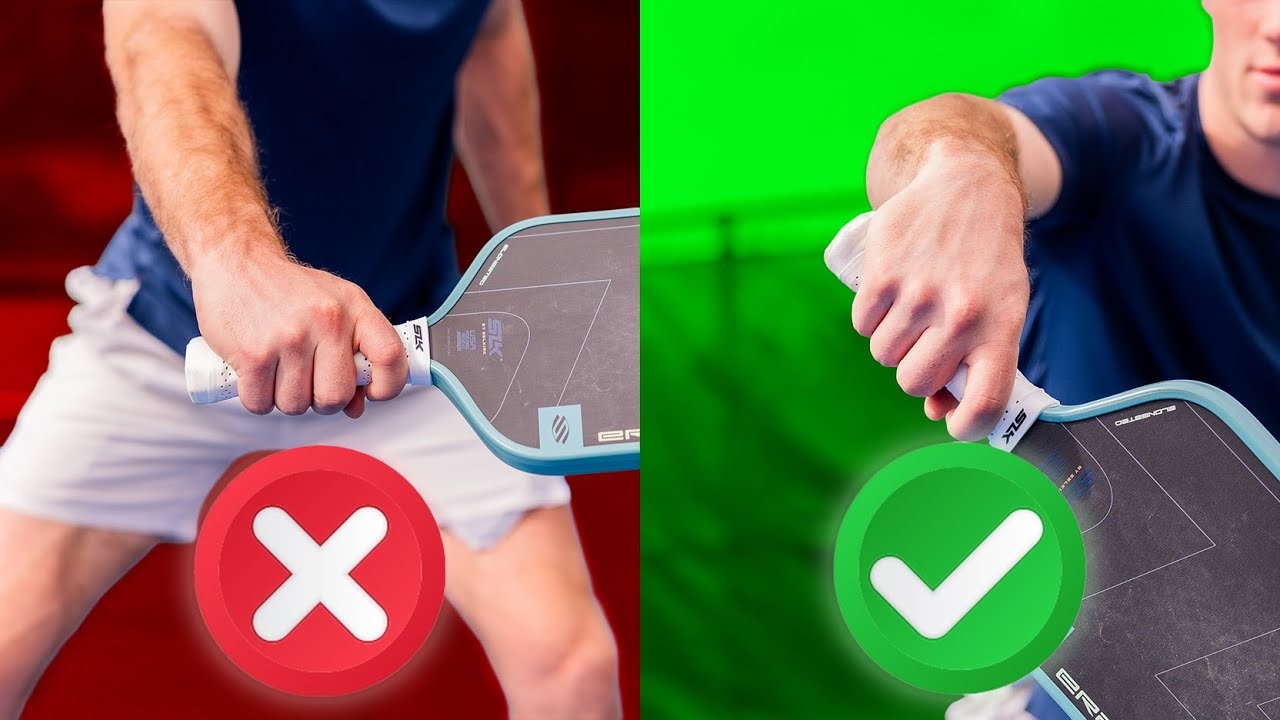
Here is what that contact looks like in practice:
- Tilt the paddle slightly forward at contact
- Brush on the outside of the ball at a 45-degree angle
- Let the spin curl the ball toward your target
- Do not push straight through
Keep the motion small and the wrist loose
The third piece is the one players overlook most. The flick is not a big shot. There is no windup, no shoulder, no loading up. It is all wrist.
Livornese describes it as going from here to here. Paddle starts in a relaxed ready position. Wrist hinges up. That is the entire motion.
To get into the right position before you flick:
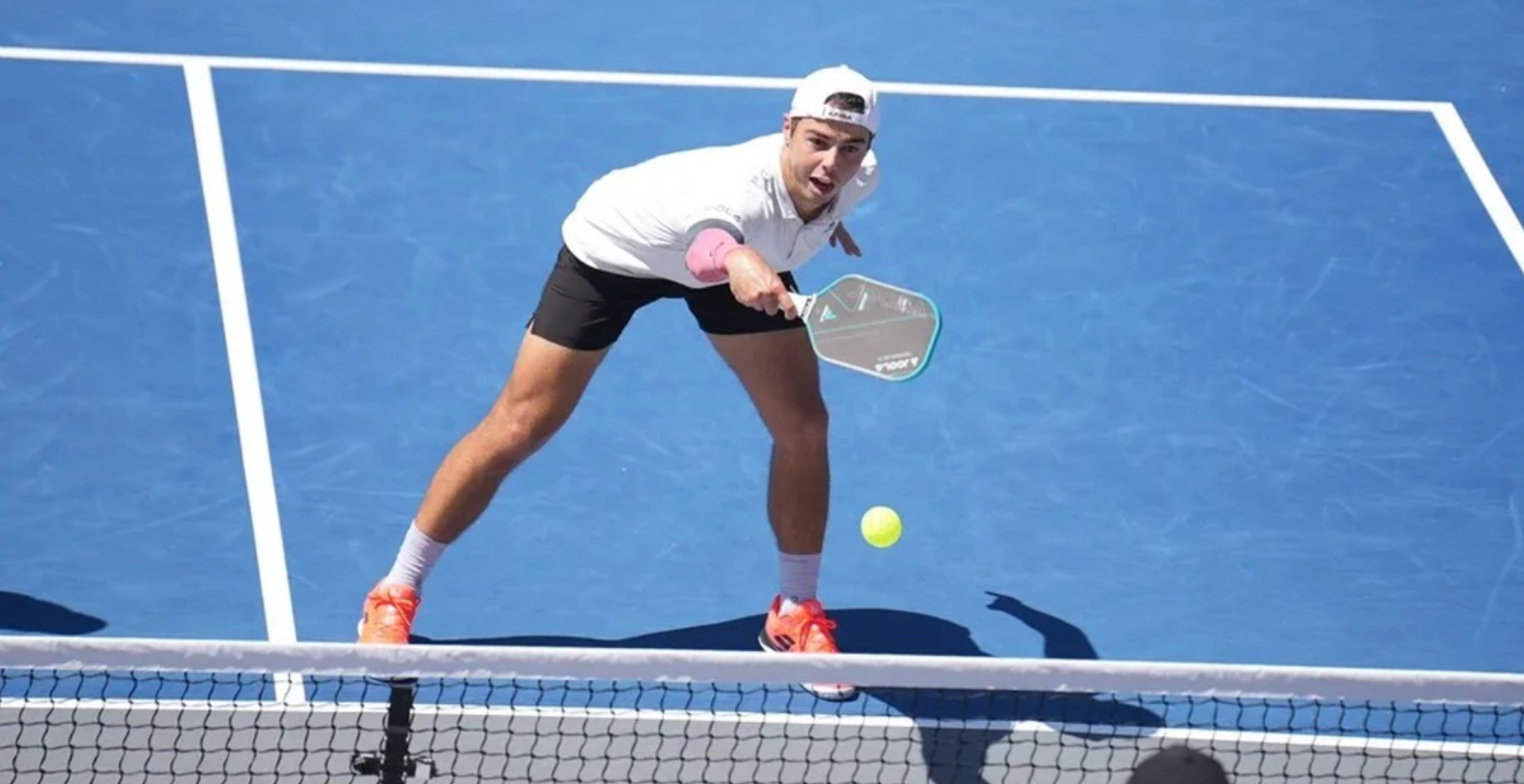
- Push your hips back slightly and hinge at the waist
- Get your paddle out in front of you
- Start loose, not tight
- Flick up through the ball, not forward
The less arm you use, the faster and more consistent this shot becomes. Think of it as the opposite of a roll, where the shoulder drives the motion. The flick lives in the wrist. When you get that right, the shot starts to feel easy.
How to practice this in your next session
Livornese suggests starting slow and focusing on contact before worrying about pace. Hit a few flicks at half speed and pay attention to where your paddle is making contact. Are you hitting the back of the ball or the outside? You will feel the difference immediately.
Once you have the contact point, add the brush and watch the ball start to shape. Then work in direction. Try flicking cross court, then down the line, then at the body. The goal is to eventually have every target available to you from the same motion.
When this shot clicks, it becomes one of the most useful weapons in doubles. Livornese calls it his favorite shot in pickleball and the easiest way he knows to create offense, especially from the left side.
Put the flick to work and track your progress with DUPR
The flick is one of those shots that can shift a match quickly. When you can go anywhere on the court from the same motion, opponents have no read on you and that translates directly into more points won.
Mastering the flick will help you win more exchanges at the kitchen and naturally boost your DUPR rating. If you found these tips helpful, there is plenty more to learn—explore pro player Bobbi Oshiro’s blog on flicks, subscribe to Richard Livornese's Jr. YouTube channel, and follow DUPR’s Beyond the Baseline series.

OTRAS HISTORIAS DESTACADAS
Consulte nuestras otras historias que pueden interesarle
%20(1).jpg)
%20(1).jpg)
.jpg)


