International Women’s Day Spotlight: Anne Worcester and a Legacy of Leadership in Pickleball

Throughout this week, in celebration of International Women’s Day, we’ve been highlighting women who are helping shape the future of pickleball—from leaders behind the DUPR College Pickleball Tour and The Dink Minor League Pickleball powered by DUPR, to coaches, organizers, and professional athletes competing on the sport’s biggest stages.
Today, on International Women’s Day, we spotlight Anne Worcester, a pioneering sports executive whose career spans more than four decades across global racquet sports. From professional tennis to the rapidly rising world of pickleball, Worcester has helped shape the business and culture of sport through visionary leadership, relationship-building, and an unwavering belief in opportunity.
Her journey offers not only a remarkable career story, but also a powerful reflection on how women continue to transform the sports industry.
A Career That Began With Opportunity—and a Leap of Faith
Like many careers in sports, Anne Worcester’s path began with a simple need: finding a job after college.
“I needed a job out of college,” Worcester says. “I was always a tennis player and also loved event marketing, so when I discovered that I could combine those skills and passions, I was sold.”
Her first opportunity came with IMG’s Racquet Sports Division, answering phones and processing ticket orders for an ATP tennis tournament in Boston. The role paid $250 a week with no benefits, and to many of her friends, the decision seemed questionable.
But Worcester saw something different: a doorway into an industry she loved.
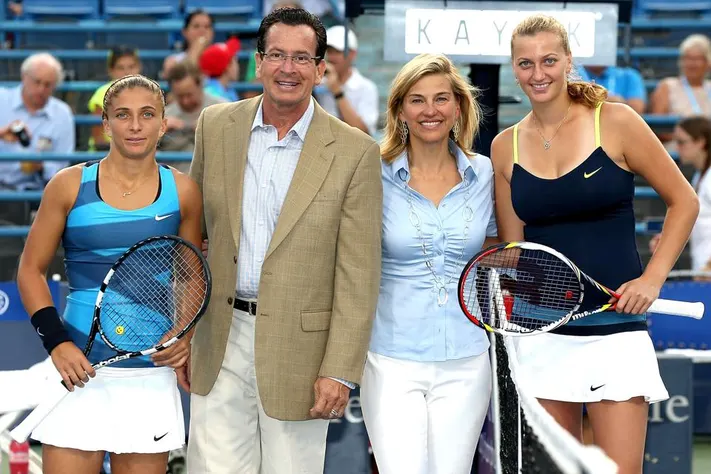
Eleven years later, she was named CEO of the Women’s Tennis Association (WTA)—becoming the first woman and youngest person to lead a major professional sports organization.
Witnessing the Evolution of Women in Sports
When Worcester entered the sports industry in 1983, leadership roles for women were rare.
“There were very few women in senior leadership positions across the sports industry,” she recalls. “And when I worked in Spain in 1987, there were almost none.”
Over the decades, she has watched that landscape shift.
Today, the pipeline of women entering sports—from marketing and media to executive leadership—is stronger than ever. But Worcester is quick to point out that progress is still ongoing.
“There is still much progress to be made,” she says.
Her career itself has helped push that progress forward, serving as proof that women can lead at the highest levels of global sport.
Advice for the Next Generation
For young women hoping to build careers in sports today, Worcester offers advice shaped by decades of experience.
“Keep at it—the wind is behind you,” she says, pointing to the meteoric rise in interest in women’s sports worldwide.
Her message is both practical and empowering:
- Be willing to start at the bottom and learn every aspect of the industry
- Advocate for yourself when opportunities arise
- Take risks, even when the path isn’t clearly defined
“Don’t wait for the perfect job all wrapped up in a bow to land at your feet,” she says. “It likely will not happen.”
Balancing career and family also became part of her story. For years, Worcester juggled raising two children while managing the demands of leadership roles in the sports world.
“I drove up and down I-95 for 20 years raising two kids, running a household and working full time,” she recalls with a smile. “I always said I felt like my hair was on fire driving up and down 95.”
The Art of Leadership: Building Trust Across the Industry
Over the course of her career, Worcester has worked across nearly every layer of the sports ecosystem—players, sponsors, tournaments, governing bodies, media partners, and governments.
The key to aligning so many stakeholders?
“Open communication and finding common goals,” she explains.
For Worcester, leadership has always centered on relationships and trust.

“Building relationships is critical—and engendering trust with colleagues at all levels,” she says.
Her leadership philosophy is rooted in a simple but powerful principle:
“Companies are people.”
Respecting colleagues, valuing contributions at every level of an organization, and leading by example have been the pillars of her approach throughout her career.
Why Pickleball’s Growth Feels Different
After four decades in racquet sports, Worcester has seen many trends come and go—but the rise of pickleball stands out.
“Pickleball is everything the consumer wants or needs,” she says. “It’s social and it’s fun. It’s affordable and accessible.”
The sport’s appeal cuts across generations and backgrounds, making it uniquely inclusive.
.png)
“Everyone can play—regardless of age, income level, or athletic ability,” she says. “It’s easy to learn, but hard to master.”
What makes pickleball particularly remarkable to Worcester is how quickly it builds community.
“In racquet sports, it’s rare—if not unprecedented—to see a sport grow so quickly while also creating such a strong sense of connection,” she explains.
The Role of Women in Pickleball’s Culture
Women have played a critical role in shaping pickleball’s culture from the very beginning.
“From community organizers and club leaders to pro players and executives, women have helped create the welcoming, inclusive environment that defines the sport,” Worcester says.
For someone who spent years working toward equality in tennis, pickleball offered a refreshing contrast.
.png)
“When professional pickleball launched, it launched with equality,” she says.
Today, male and female players compete for:
- Equal prize money
- Equal stadium court opportunities
- Equal broadcast exposure
- Equal visibility across media platforms
Even more notably, the sport’s biggest star is a woman.
“Anna Leigh Waters has become the most recognizable figure in professional pickleball,” Worcester says. “At such a young age she has attracted major sponsorships and media attention, which sends an incredibly powerful message about opportunity for women in the sport.”
A Legacy That Extends Beyond the Court
After helping guide pickleball through an important period of growth, Anne Worcester has officially stepped away from the industry today, closing an extraordinary chapter in a career that has helped shape racquet sports around the world.
But for those who have worked alongside her, it’s clear that her impact—and her guidance—will remain.
While she may be stepping aside from the day-to-day work of the pickleball industry, Worcester will always remain a trusted voice and mentor, just a phone call away for the many friends, colleagues, and leaders who have crossed paths with her throughout her journey.
.png)
A Career That Opened Doors
Anne Worcester’s career spans more than 40 years in the global sports industry, influencing everything from professional tennis to the emergence of pickleball as one of the fastest-growing sports in the world.
As the former CEO of the Women’s Tennis Association, she helped shape the trajectory of one of the world’s most prominent women’s sports organizations. Later, she brought that same leadership, vision, and experience to pickleball during a transformative moment for the sport.
On International Women’s Day, her story stands as a powerful reminder of what leadership, perseverance, and belief in opportunity can accomplish—not only for one career, but for generations of women who will follow. As Anne Worcester steps away from the pickleball industry, the impact of her remarkable career continues to inspire all of us—reminding the sports world that true leadership is measured not only by success, but by the opportunities you create for others along the way.
As we celebrate International Women’s Day, we’re grateful for leaders like Anne Worcester and the many women who continue to shape the future of pickleball—from executives and organizers to coaches, players, and community builders.
To all the women in pickleball and beyond, we wish you a wonderful International Women’s Day and thank you for the impact you make every day both on and off the court.

OTRAS HISTORIAS DESTACADAS
Consulte nuestras otras historias que pueden interesarle
%20(1).jpg)
%20(1).jpg)