_1.png)
What Happens If There’s a Foot Fault in Pickleball?
%20(1).jpg)
By DUPR Referee Tom Whitson
Foot faults are one of the most common (and confusing) pickleball rules, especially during non-officiated matches, where there’s no referee on court.
DUPR Referee Tom Whitson breaks down exactly what happens when a foot fault is called, and more importantly, how players should handle it fairly and by the rules.
First: What Is a Foot Fault?
A foot fault can occur in two main situations:
- During the serve:
Stepping on or over the baseline (serving line) before making contact with the ball. - During a volley:
Stepping on or into the non-volley zone (kitchen) while hitting the ball out of the air.
In officiated matches, a referee makes the call. But most recreational play, leagues, and open plays are non-officiated, which means players must resolve the call themselves.
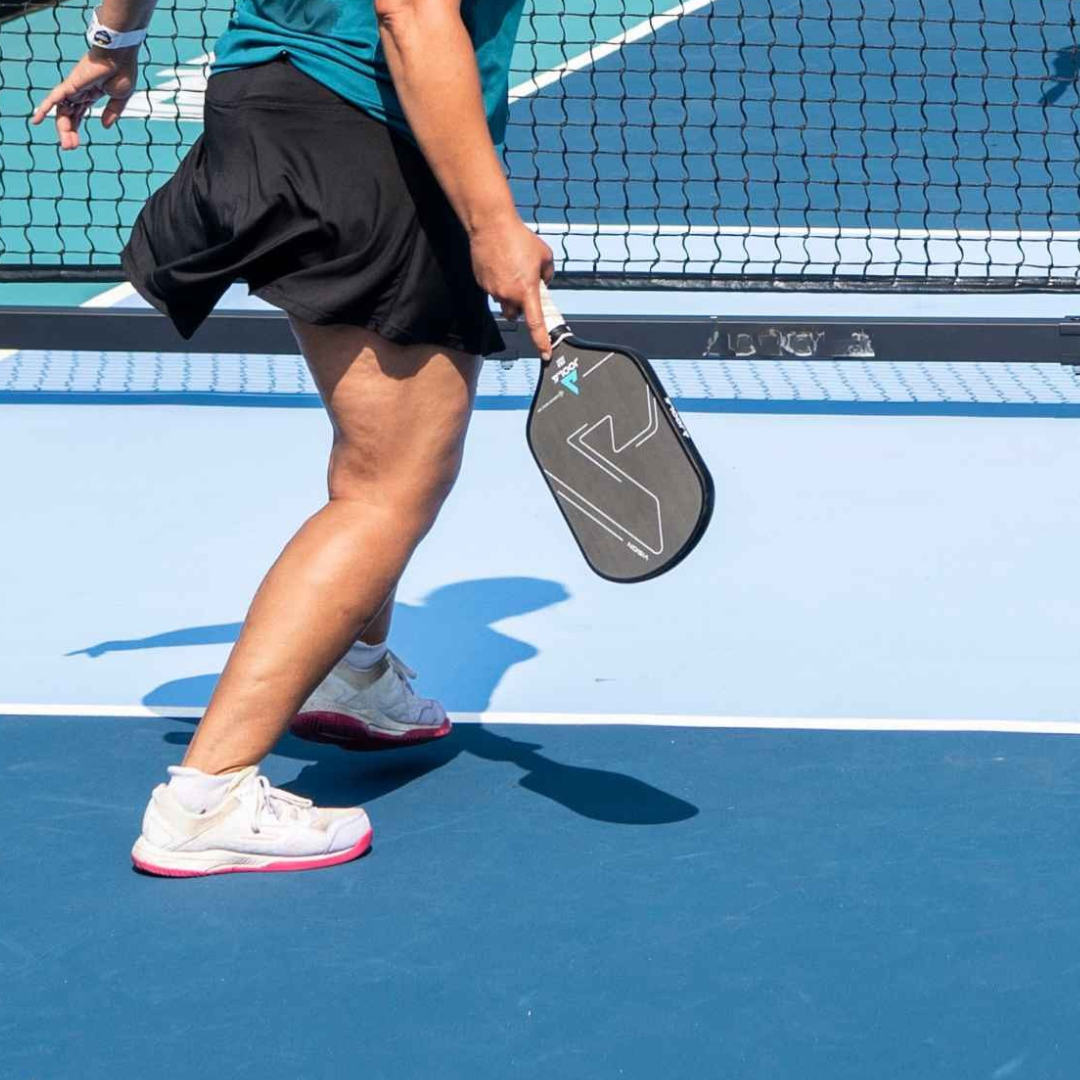
What Happens When a Foot Fault Is Called?
According to Tom Whitson, there are only two possible outcomes when your opponent calls a foot fault on you in a non-officiated match:
Scenario 1: You Agree With the Call
If you agree that you committed the foot fault:
“If you agree with your opponent’s call, then you lose the point.”
Simple and clean. Agreement means the fault stands, and the point goes to your opponent.
Scenario 2: You Disagree With the Call
If you do not agree that a foot fault occurred:
“If you disagree with your opponent’s call, then it’s a replay.”
No point is awarded to either side. The rally is replayed.
One Important Detail Most Players Miss
Here’s a key clarification from Tom Whitson that many players don’t realize:
“Only one player needs to agree that there was a foot fault for either of these scenarios to happen.”
That means:
- If you agree → you lose the point
- If you don’t agree → automatic replay
There’s no debating, no majority vote, and no arguing over angles or visibility.
Why This Pickleball Rule Matters
This rule exists to:
- Prevent arguments on court
- Keep play moving
- Encourage honesty and sportsmanship
In non-officiated pickleball, fair play depends on mutual respect. Pickleball rules are designed to protect both players when there’s uncertainty.
Understanding rules like this not only avoids conflict, but it helps everyone enjoy the game more.
To learn all the pickleball rules in seconds, click here.


.jpg)
.jpg)


