
College pickleball meets flight school: Madisyn Price
%20(1).jpg)
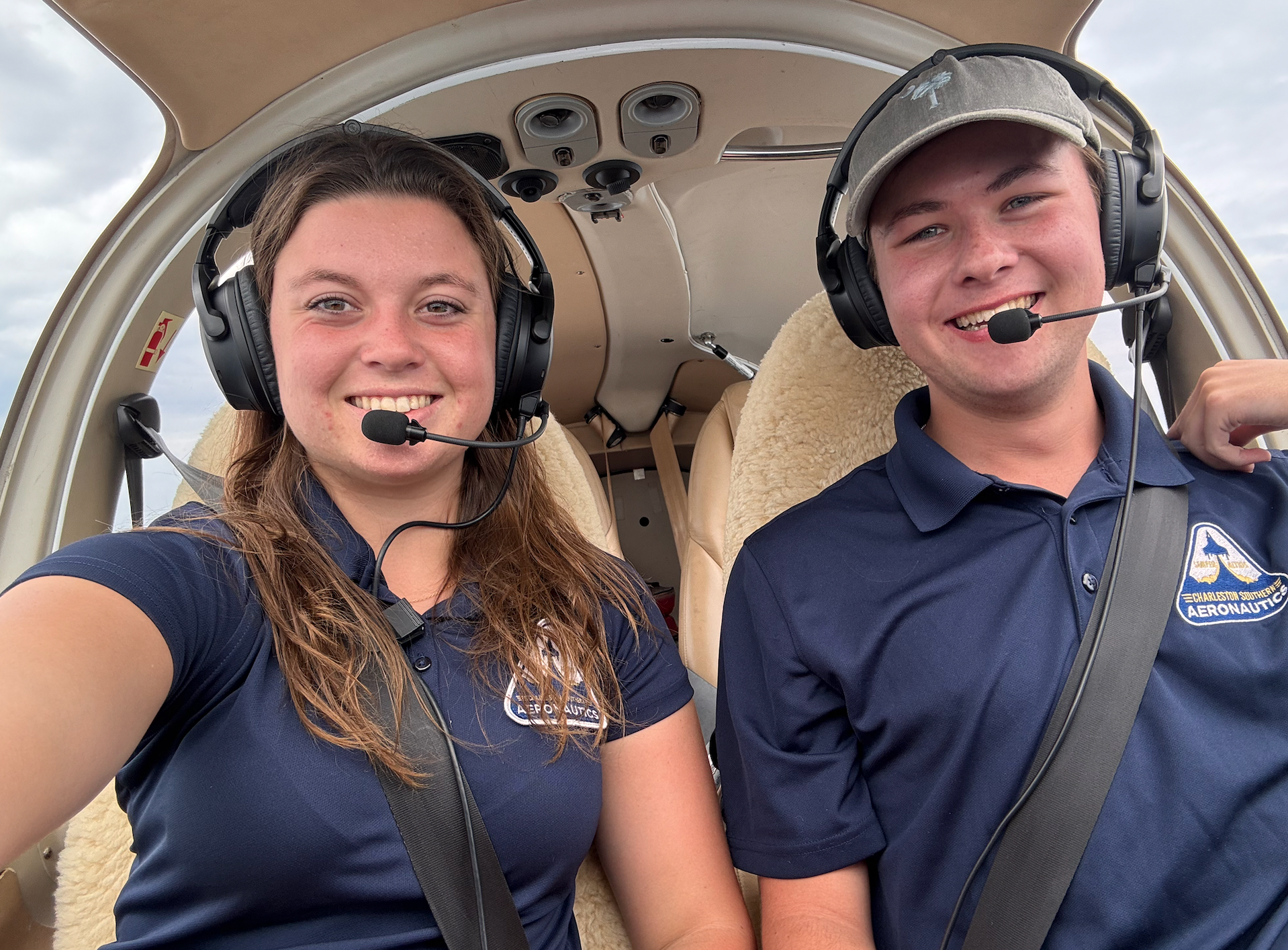
Three mornings a week, Madisyn Price is flying cross-country routes out of Moncks Corner, South Carolina. Twice a week, she's at practice with the Charleston Southern University club team, driving low balls at somebody's feet.
She's a junior in CSU's Professional Pilot program, working toward her commercial license, and one of several pilots on a college pickleball roster that keeps growing. Here's how she got here, how she makes the schedule work, and why she thinks flying made her a better player.
From JROTC ground school to a college pickleball team
Both of Madisyn's paths started in the same place: Air Force JROTC in high school. Her junior year, the class took a ground school course covering the basics of aviation. That opened the door to an Air Force scholarship, which paid for her private pilot's license the summer before her senior year.
Pickleball came in through the side door. One of her instructors, Major Batson, loved the game, so some Friday PT sessions turned into pickleball sessions.
"From there I just played with my friends until coming to CSU and making the team," she said.
She almost skipped the cockpit entirely. Madisyn got into about seven schools, none of them flight schools, and planned to study finance. In the spring of her senior year, she switched to aviation. A friend already at CSU told her about the club team, so she and her friends started playing together to get ready for tryouts.
A week in the life of a pilot on a college pickleball team
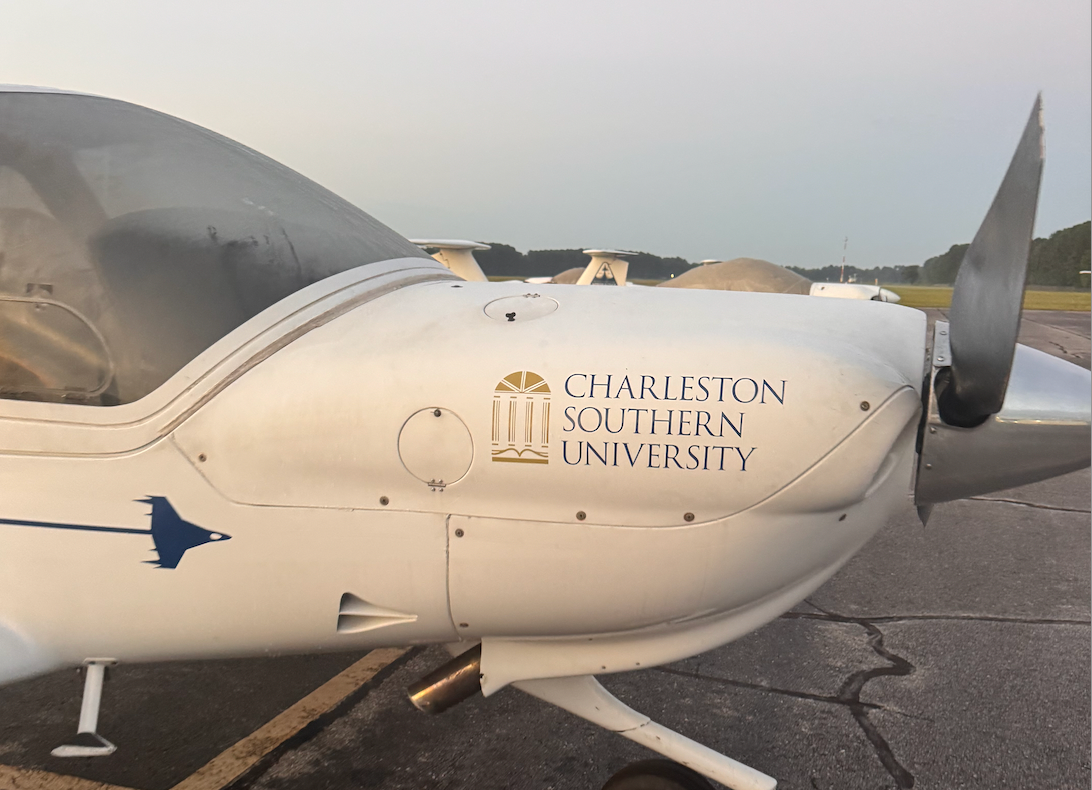
Flight school runs on its own clock. Madisyn flies Monday, Wednesday, and Friday from 9:30 to noon. Right now she's flying cross-countries toward her commercial certificate, with flights running two to four hours depending on how long she has the plane. Tuesdays and Thursdays are for classes.
Then she layers in pickleball:
- Team practice on Wednesdays and Fridays, with Friday sessions at PickleRage, an indoor facility that hosts the team.
- Community court sessions on Tuesday, Wednesday, Thursday, and Sunday
- Coed intramural matches on Wednesday nights
The key is flexibility. Students can drop or pick up flights as needed, so when the team traveled to a regional in Georgia, she dropped her Saturday flight and made it up earlier in the week. The club's board also polls everyone's schedule at the start of the year before setting practice times. That matters on a roster with a lot of pilot majors, especially since CSU's program runs three years instead of four, which keeps pilots on campus through the summer.
Teammates outside the program are curious. "They ask us questions about the planes, pilots, airlines, training," she said. "They're usually curious about what we're talking about and what everything means."
What the cockpit taught her about pickleball
Madisyn calls her game adaptive. A summer of community court play meant partners of every style, so she learned to adjust. Her default setting, though, is pretty clear.
"I'm conservative, but I'm definitely a banger," she said. "I love hitting low drives and body bags, but I can also slow it down when needed."
She sees a direct line between flying and competing:
- Reset and move on. "When you're in the air you can't let yourself crumble because you made a mistake," she said. "Pickleball is the same way. You hit a bad shot in the game and it's all about resetting the ball and winning the point. You can fix the mistake later."
- Adapt to whoever's next to you. Pilots don't always fly with the same person, and weather can force a backup plan at any time. On court, that means reading partners, opponents, and conditions.
- Know the weak spots. In training, you find your weak areas so you can fix them. In a match, you find your opponents' weak areas so you can attack them.
- Protect your focus. Pilots stay locked in during "critical phases of flight" like takeoff, landing, and radio calls with air traffic control. Madisyn learned she performs worse when she's talking, so she keeps chatter to a minimum during games and saves feedback for after.
Chasing a 4.0 DUPR rating
Madisyn has played one college tournament so far, the regional in Georgia. She called it a learning experience, a first look at how other college players compete, and a chance to bond with teammates.
Her goal this year is a 4.0 DUPR rating.The plan is to get there through school tournaments and local events around Charleston.
,She approaches her rating the way she approaches flight training. "Nobody is perfect and there's always something to learn or to improve on," she said. "Similar to pickleball, there's always room for improvement no matter what rating you are."
What's next, on the court and in the air
After graduation, Madisyn plans to work as a CFI to build hours, add her CFII and MEI ratings, and eventually fly for NetJets or a major airline. She wants to keep playing tournaments back home, too.
Free time is rare, but when she gets it, she's at the beach, baking, or listening to psychology podcasts. She also runs the CSU team's social media and says she has "plenty of ideas coming up soon."
Madisyn's story shows what college pickleball looks like right now: students with full schedules who find a way to show up, compete, and get better every week. Whether you're on a college roster or cheering one on, every rated match counts toward your DUPR. Find a College Pickleball Tour event near you, log your matches, and watch your rating tell your story.


%20(3).jpg)
.jpg)


