No matching results.
Search results
October 23, 2025
The Numbers Don’t Lie: Malaysia and Vietnam Are Leading The Fast-Growing Asia's Pickleball Market
Pickleball fever is officially sweeping across Asia and two countries are leading the charge. Malaysia and Vietnam have become the continent’s fastest-growing pickleball markets, with explosive growth in players, clubs, and communities over the past year.
Malaysia: Southeast Asia’s Pickleball Powerhouse
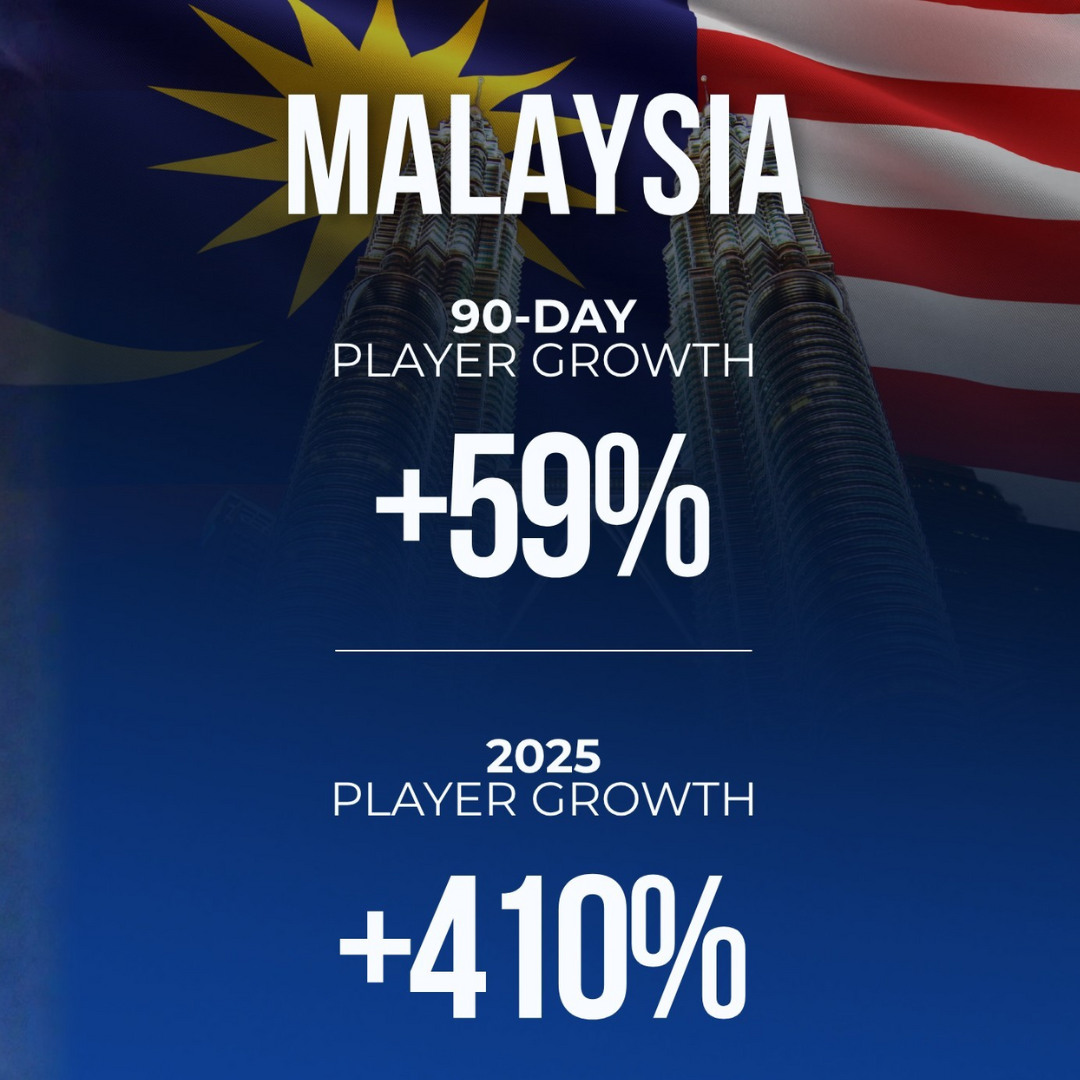
Malaysia’s pickleball scene has skyrocketed in popularity. Over the last 90 days alone, the country has seen +59% player growth, and projections for 2025 show an astonishing +410% increase in active DUPR players.
Clubs across Kuala Lumpur, Penang, and Johor Bahru are expanding rapidly, introducing structured leagues and DUPR-rated events that have sparked a new era of competitive play.
Local federations and organizations such as Franklin Pickleball Malaysia have played a key role in spreading the game nationwide, hosting events that attract everyone from first-timers to national-level competitors.
Vietnam's Pickleball Momentum is Undeniable
Vietnam’s growth tells a similarly inspiring story. The country recorded a +30% increase in DUPR players in just 90 days, with an +184% growth in 2025.
From Ho Chi Minh City to Hanoi, Vietnam’s pickleball community has embraced DUPR as a way to measure progress and connect with players worldwide.
Vietnam’s unique blend of athletic energy and community spirit is fueling a culture where players are not just competing; they’re helping shape the future of pickleball in Asia.

DUPR’s Impact on Pickleball’s Growth in Asia
As new regions join the pickleball wave, DUPR has become the universal language for players across borders. Whether you’re playing in a local club in Kuala Lumpur or a rooftop court in Ho Chi Minh City, DUPR ratings allow players to connect, compare, and compete on the same level.
This growing ecosystem, powered by data and community, ensures that Asia’s emerging markets grow with fairness, transparency, and inclusivity.
With record-breaking player growth and a surge of new events, Malaysia and Vietnam are setting the tone for pickleball’s next frontier.
As DUPR continues to support federations, clubs, and players across Asia, one thing is clear:
Pickleball is taking over Asia.
Follow @duprpb on social media to stay up tp date on pickleball news!
Community
Data
October 20, 2025
North Carolina Sets Records at Collegiate Super Regional
College pickleball is booming, and nowhere was that clearer than at the North Carolina Super Regional, where 140 players competed, up from just 40 last year.

NC State, Miami, and Georgia Earn Bids
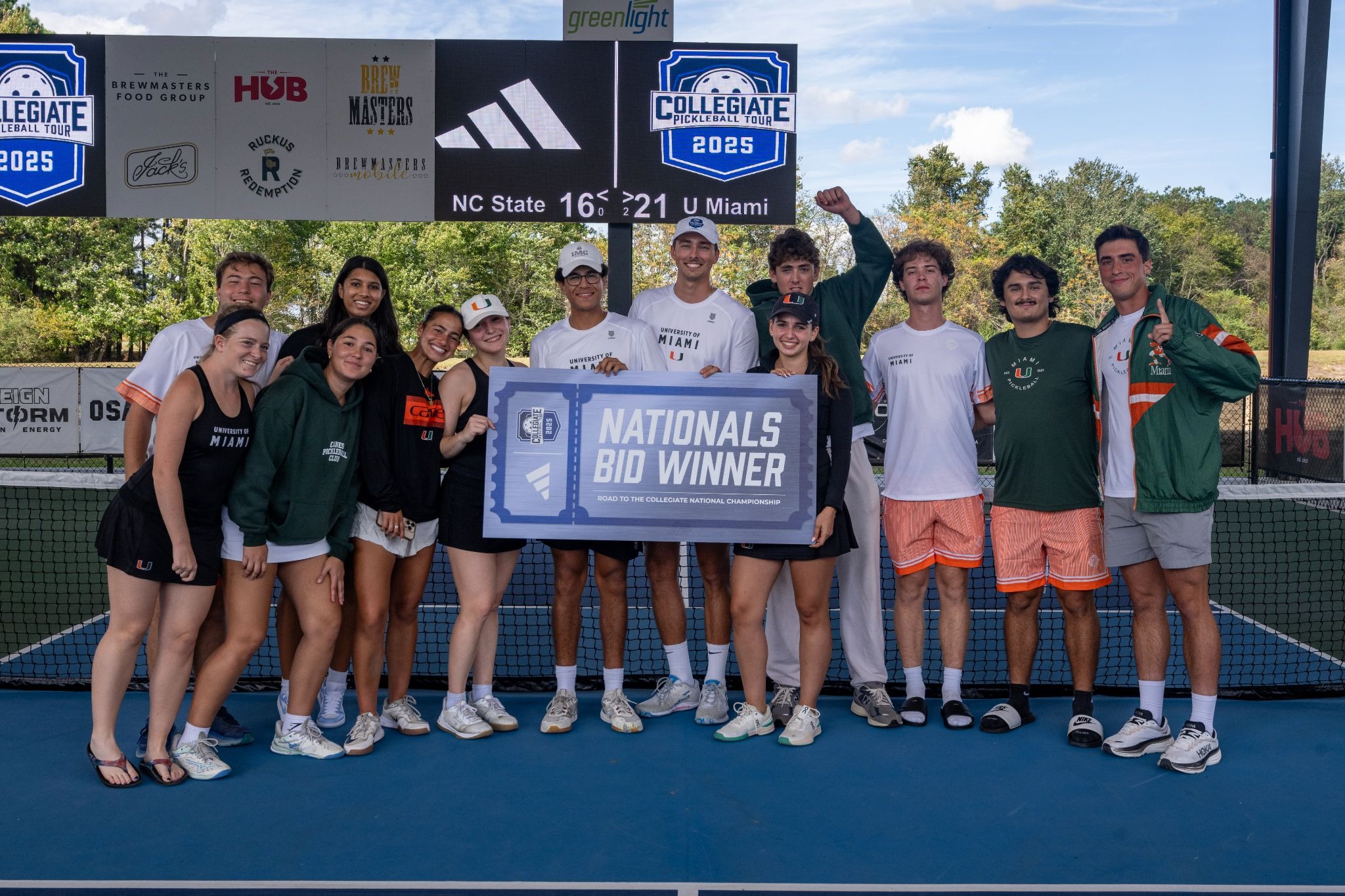
NC State, the University of Miami, and Georgia each secured bids to Nationals after a weekend of high-level play.
Top-seeded NC State faced a major test in the quarterfinals, narrowly escaping a Dreambreaker against #9 High Point. Their close call showed how competitive the collegiate field has become.
Miami’s Dominant Debut
In its first-ever collegiate event with DUPR, the University of Miami made a strong impression, sweeping both the semifinals and finals 3–0 to take home the regional title.
North Carolina Schools Shine on Home Courts
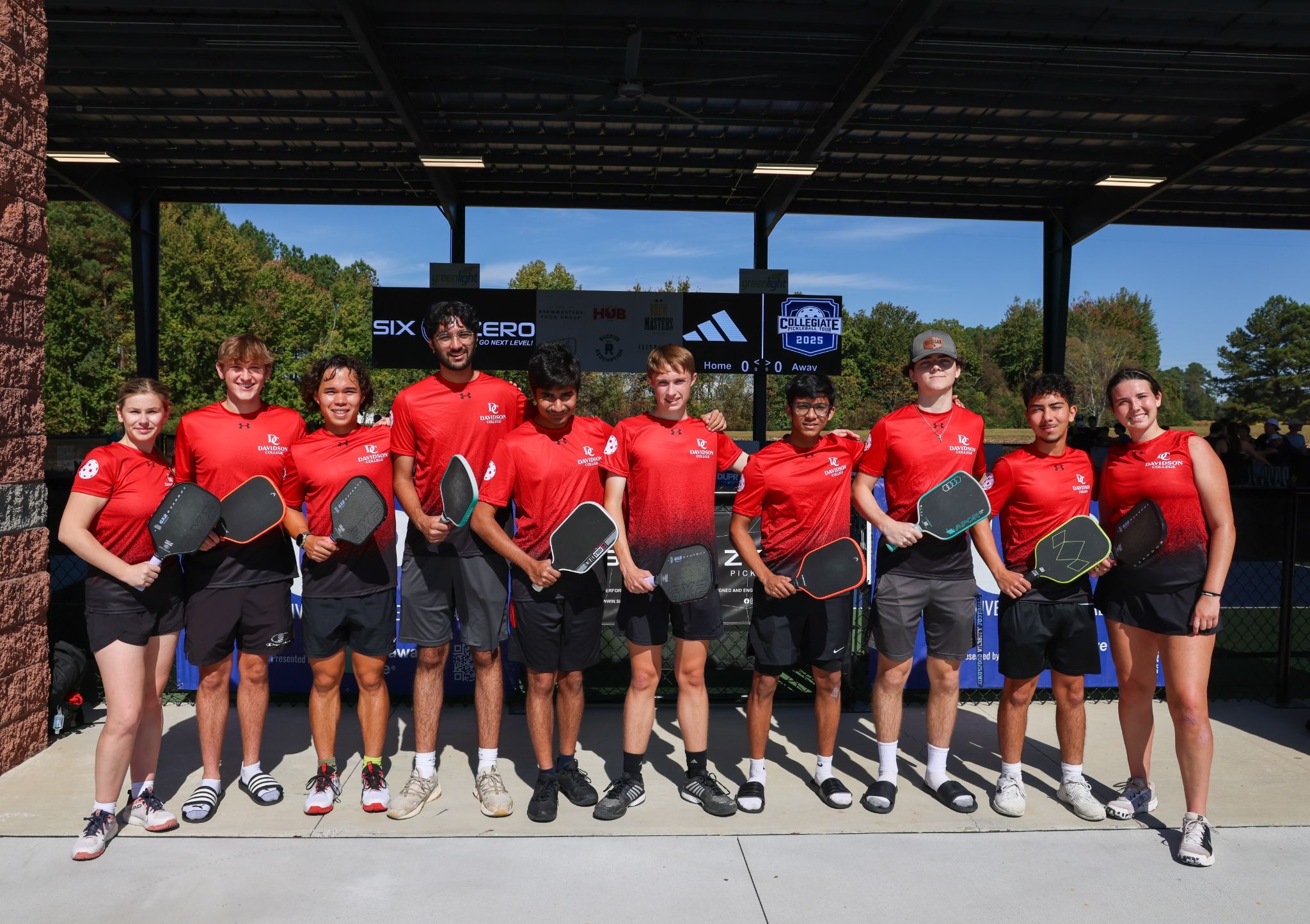
Teams from NC State, UNC Chapel Hill, East Carolina (ECU), Davidson, High Point, and UNC Charlotte all represented the state.
ECU stood out in its DUPR debut, winning the Sunday consolation bracket and proving it can hang with established programs.
Coastal Carolina 2 Defies the Odds
Coastal Carolina 2 entered as the lowest-rated team in its group but went 2–1 in group play, one of several unexpected results that made the event memorable.

A Milestone for College Pickleball
From Dreambreakers to debut champions, the North Carolina Super Regional captured the momentum of a sport that keeps expanding on campuses nationwide. Participation more than tripled in a single year, a reflection of the excitement fueling collegiate pickleball and the systems helping power it.
📸 Check Tournament Pictures
View and download your photos here.
Tag @duprpb on social media to get featured.
🎥 Relive the Action
Watch full highlights on our YouTube channel.
College
Pickleball Tournaments
Community
October 17, 2025
College Pickleball Makes History: Wilson (NC) Hosts Its First Super Regional
Big things are happening in North Carolina’s college pickleball scene: City of Wilson is officially hosting its first-ever College Pickleball Super Regional!
What to Expect
This weekend, 25 teams from 12 different schools will compete for three bids to the Collegiate National Championship in April.
It’s the first time this event has come to Wilson, and the turnout is incredible. While the last North Carolina Super Regional in 2023 featured only 38 players, this year, that number has jumped to 140 athletes, showing just how fast college pickleball is exploding across the region.
According to the latest power rankings, the #11, #12, and #20 schools in the nation will be competing, setting the stage for some serious high-level matchups.
Top 3 Men’s Players To Watch
- Chase Brautman (NC State)
- Drew Warren (Tennessee)
- Derek Kraje (Liberty)
Top 3 Women’s Players To Watch
- Evie Kenna (NC State)
- Maddie Fowler (NC State)
- Bree Green (Georgia)
Top 3 Schools To Watch
- North Carolina State University
- University of North Carolina at Chapel Hill
- University of Miami (FL)
Schools Competing
A diverse lineup of programs will make their mark in this historic event:
- Coastal Carolina University
- Davidson College
- East Carolina University
- Florida College
- High Point University
- Liberty University
- North Carolina State University
- University of Tennessee
- University of Georgia Athena
- University of Miami (FL)
- University of North Carolina Chapel Hill
- University of North Carolina Charlotte
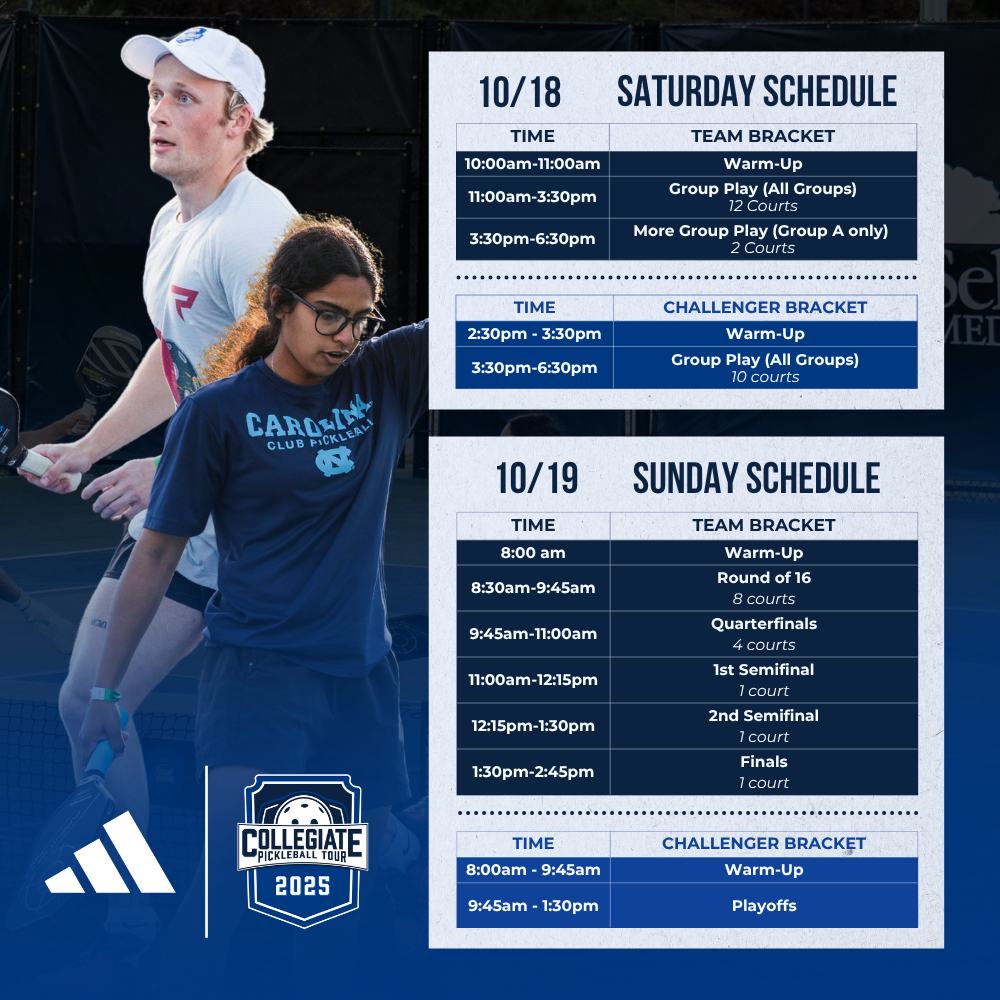
Tournament Schedule
🎥 Livestream Information
Cracked Racquets will be livestreaming the semifinals and finals so fans can follow the action on championship Sunday.
College pickleball is booming, and Wilson City is stepping onto the big stage.
With record participation, powerhouse programs, and a growing community, this Super Regional is shaping up to be one of the highlights of the collegiate pickleball season.
To check the latest news on college pickleball, join our Collegiate News Channel on Instagram here.
College
Pickleball Tournaments
October 16, 2025
National Sports' Day: Data Reveals How Pickleball is Taking Over America
As we celebrate National Sports Day, we’re proud to highlight how pickleball continues to inspire millions of players around the world. What started as a backyard hobby has become a global phenomenon, holding the title of America’s fastest-growing sport for the fourth straight year.
The Fastest-Growing Sport in America
Pickleball’s rise is unprecedented. According to the Pickleball Single Sport Report (2024), participation increased by 45.8% since 2023, marking a remarkable 311% growth over the past three years.
From recreational players to elite athletes, people of all ages and skill levels are discovering why pickleball has become America’s favorite new pastime. It’s an accessible, inclusive, and social sport that brings people together both on and off the court.
At DUPR, we’re proud to support that growth by helping players measure, understand, and improve their performance through data.
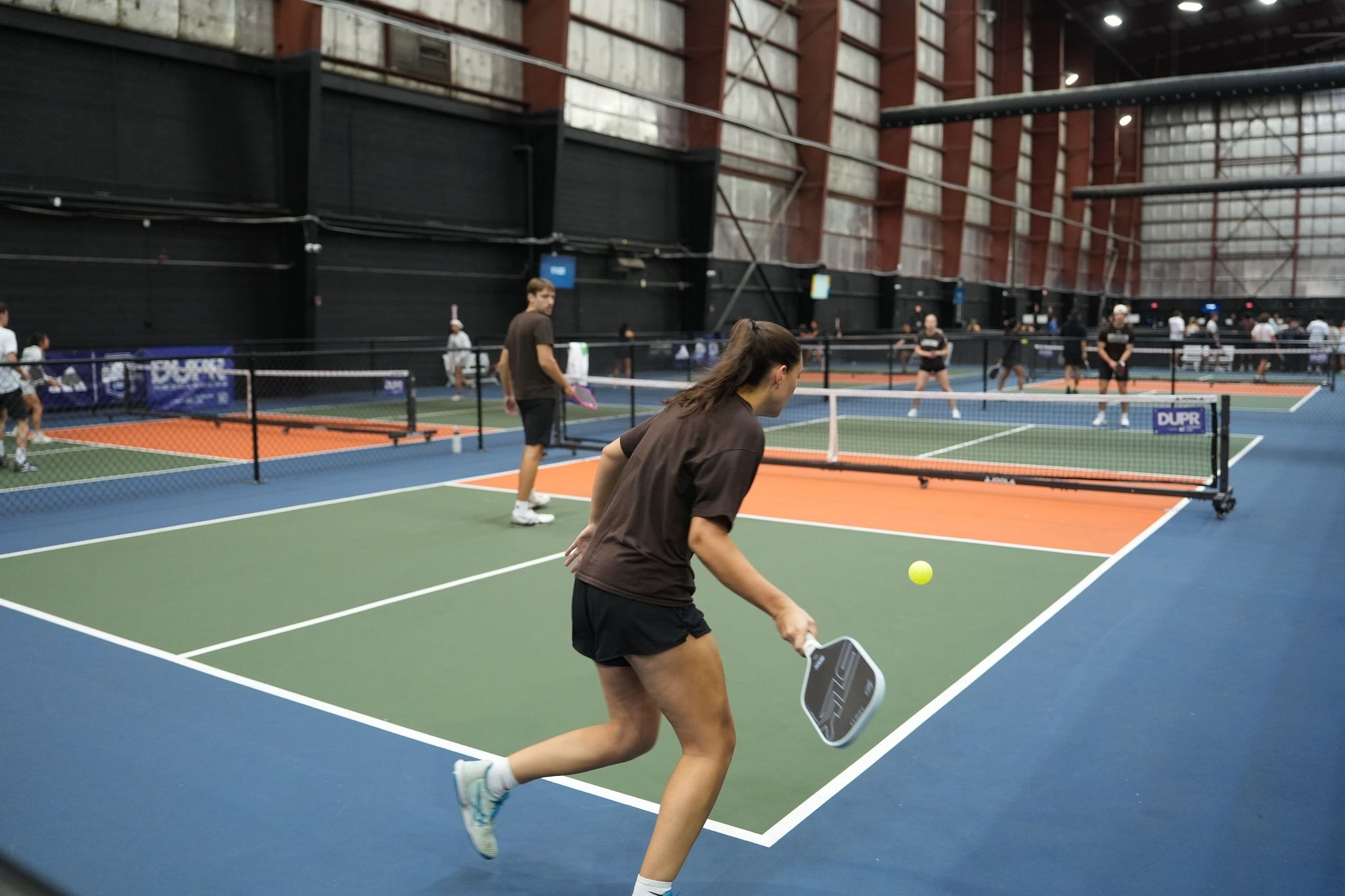
Pickleball Participation in the United States
According to a pickleball statistics’ analysis by PickleRage, approximately 36.5 million Americans have played pickleball at least once, which is more than one in ten people nationwide. The community continues to expand through local clubs, recreational leagues like Minor League Pickleball, and national tournaments that welcome players of every background.
Pickleball’s infrastructure is also keeping pace. The same study shows that there are now over 10,724 dedicated pickleball courts across the country, with new facilities being built weekly in public parks, schools, and fitness centers. Cities and private organizations alike are investing to meet this unprecedented demand for play.
DUPR: Powering Pickleball’s Global Growth
As pickleball expands, DUPR has emerged as the sport’s leading global rating system and a driving force behind its continued growth.
DUPR now connects players in 175 countries and partners with over 10,000 pickleball clubs worldwide, providing a unified, data-driven standard for competition.

With DUPR, every player can:
- Measure their performance with consistent, transparent data.
- Find balanced matches at their true skill level.
- Track improvement over time and see their DUPR climb as they play more.
At DUPR, we believe performance should be measurable. Our system transforms play into progress, giving every player a clear path to improvement.
The more you play, the more data you generate and the more insight you gain into your growth as an athlete.
Team Sports Continue to Thrive
While pickleball leads the charge, the broader Team Sports Category is also experiencing strong momentum. Of the 24 team sports analyzed in 2024 by the Sports & Fitness Industry Association (SFIA), 20 saw increased participation, with eight growing by more than seven percent year over year.
This trend reflects a nationwide resurgence in physical activity and community engagement. From basketball to volleyball to pickleball doubles, team sports are uniting players across generations and regions.
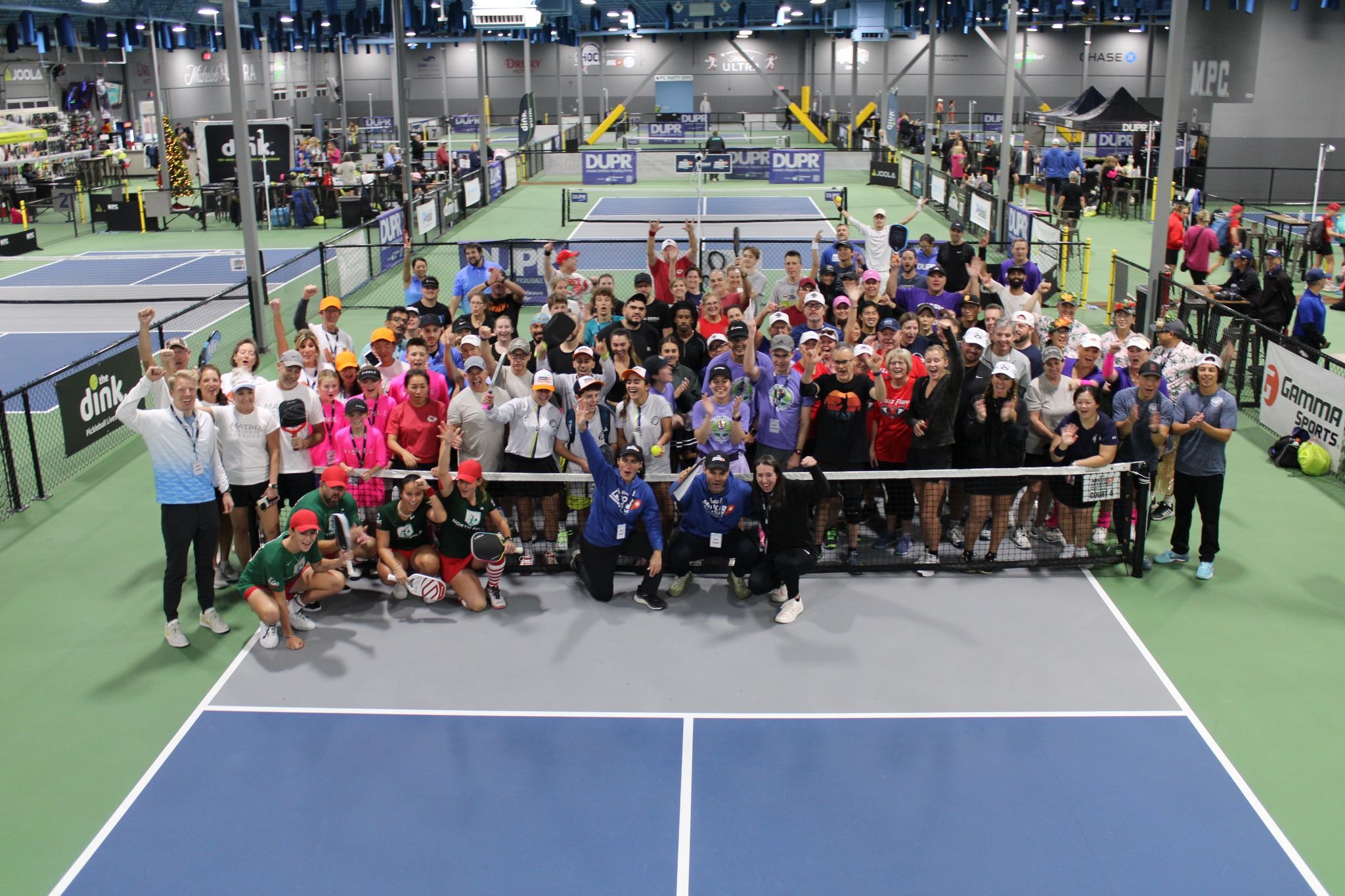
The Final Rally: Play More. Grow More. Raise Your DUPR.
On this National Sports Day, DUPR celebrates every player, coach, and community contributing to pickleball’s extraordinary growth.
What began as a simple game has become a movement driven by competition, connection, and data. Whether you’re new to the sport or chasing your next rating milestone, DUPR is here to help you measure progress, find fair play, and elevate your game.
Pickleball is changing the landscape of sports. At DUPR, we’re proud to be part of that evolution and even prouder to empower the players making it happen.
To stay up to date on pickleball news, follow @duprpb on Instagram!
Community
Data
October 14, 2025
PPR Adopts DUPR and DUPR Coach as Exclusive Global Rating System for its 15,000 Coaches Worldwide
Wesley Chapel, FL – October 14, 2025 – The Professional Pickleball Registry (PPR) has announced it will deepen its partnership with MyJourney Pickleball by adopting Dynamic Universal Pickleball Rating (DUPR) as its official rating system across all certification programs, coaching education workshops, and pickleball-related initiatives.
PPR-certified coaches will be trained on DUPR during their certification courses and workshops, gaining a comprehensive understanding of the rating system, how to become a DUPR Coach, how to assign Coach-Assigned DUPRs for non-rated players, and how to deliver effective DUPR programming for recreational and competitive players from day one.
By integrating DUPR across all education and certification programs, PPR and MyJourney Pickleball are creating a direct connection between coaching, player development, and measurable progress. Every PPR-certified coach, their players, and the clubs they serve will now be linked through one trusted rating system, strengthening competitive integrity, simplifying player matching, and accelerating pickleball’s evolution into a truly unified global sport.
“This partnership between PPR and MyJourney Pickleball marks a defining moment for the future of pickleball coaching and player development,” said Tito Machado, CEO of DUPR. “With PPR’s unmatched reach and scale, and MyJourney Pickleball’s innovative platform built on the DUPR rating system, we now have a powerful opportunity to empower coaches — the lifeblood of this sport — like never before. When coaches are equipped and supported, players stay engaged, improve faster, and enjoy the game more. Together, PPR and MyJourney Pickleball are helping standardize the sport from the ground up, giving every coach the tools to measure and elevate progress, create professional opportunities, and guide every player on a clear, measurable path to growth.”
Sarah Ansboury, Managing Director of PPR, added, “At PPR, our mission is to certify, educate, and elevate the world’s best pickleball coaches. By adopting DUPR across all certification programs, coaching workshops, and initiatives, we are connecting our members to the sport’s global rating ecosystem and establishing a unified standard for player development. This partnership empowers coaches to maximize their impact, ensures players at every level can be introduced to the game, grow, and compete confidently, and positions pickleball for sustainable, global growth.”
PPR’s decision to adopt DUPR exclusively cements the organizations’ shared commitment to a unified, trusted rating system. As PPR certifies thousands of new instructors each year, the reach of DUPR and the number of rated players worldwide will expand. By combining PPR’s education and certification expertise with DUPR’s universal rating platform, the two organizations are shaping the sport’s next chapter, where every lesson, match, and milestone contributes to measurable growth for players, coaches, and clubs alike.
About PPR
The Professional Pickleball Registry (PPR) is the premier global standard in pickleball instructor certification, dedicated to educating, certifying, and supporting pickleball professionals in their mission to grow the game. As the official education and certification partner of USA Pickleball, PPR provides coaches with the tools, resources, and credentials to deliver excellence on and off the court. Learn more at www.pprpickleball.org.
About MyJourney Pickleball
MyJourney Pickleball is the creator of the DUPR Coach program and the My DUPR Coach app, designed to empower coaches to conduct detailed skill assessments and assign official Coach-Assigned DUPRs to non-rated players. Coaches, clubs, and players can learn more at duprcoach.com.
About DUPR
DUPR (Dynamic Universal Pickleball Rating) is the premier global pickleball rating system and technology platform, trusted by the world's leading clubs, tournaments, leagues, and federations. DUPR’s dynamic system unifies pickleball across age, gender, and location by analyzing match results to provide an accurate evaluation of players worldwide, on a scale from 2.000 to 8.000. DUPR is the official rating system of Pickleball Canada, the United Pickleball Association (UPA), PPA, Major League Pickleball (MLP), Life Time, The Picklr, and many more. DUPR also owns and operates Minor League Pickleball and Collegiate Pickleball, two of the largest amateur leagues in the sport. Players and organizers can sign up for free at www.dupr.com.
Partners
Community
October 14, 2025
From Soft to Sharp: The Dink Speed-Up Drill
When you search for pickleball drills to improve your dinks, most of them focus on control, and that’s great. But once you’ve got consistency down, the next step is learning how to attack out of a dink rally. That’s where the Dink Speed-Up Drill comes in.
It’s simple, it’s fun, and it teaches you how to go from calm, steady dinks to fast, point-winning shots; all without losing control.

Your Goal:
Get comfortable controlling the pace at the kitchen and learn when (and how) to speed things up.
Setup
- Both players start at the kitchen line, dinking straight ahead.
- Focus on keeping the ball low, soft, and consistent.
- Don’t worry about power yet. This is about touch and timing.
How It Works
1. Start with a smooth dink rally.
2. When the moment feels right, one player speeds it up, driving the ball from their middle toward the opponent’s sideline.
3. The other player blocks or resets the ball back into the kitchen.
4. Switch roles and keep the rhythm going.
You’ll quickly feel how small changes in paddle angle or contact point can completely change the rally’s pace.
What You Should Focus On
- Stay ready. Keep your paddle up because speed-ups come fast.
- Use your body, not your arm. Short, compact moves give you more control.
- Make it look the same. The best attacks are disguised as normal dinks.
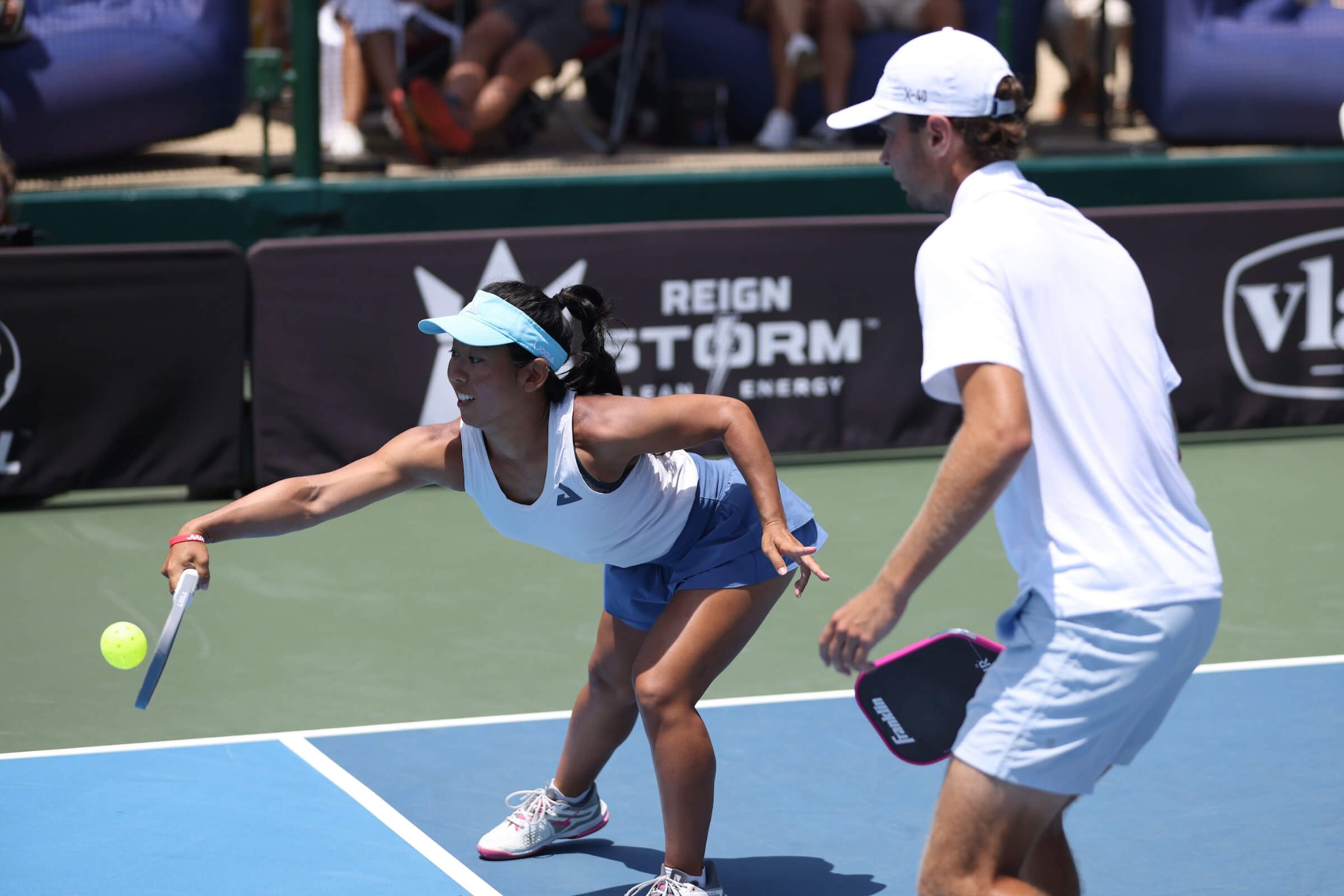
Pro Tip: Don’t rush it. A sneaky, well-timed speed-up after five or six patient dinks is way more effective than trying to blast the ball early. Timing and disguise always beat brute force.
Why It Works
The Dink Speed-Up Drill builds confidence at the kitchen. You’ll learn to stay patient when you need to and strike when it counts , turning soft shots into smart offense.
Want more tips like this? Check out our breakdown of the “7/11” Pickleball Drill ; it feels unfair… but that’s exactly why you need it.
Pickleball Tips
October 13, 2025
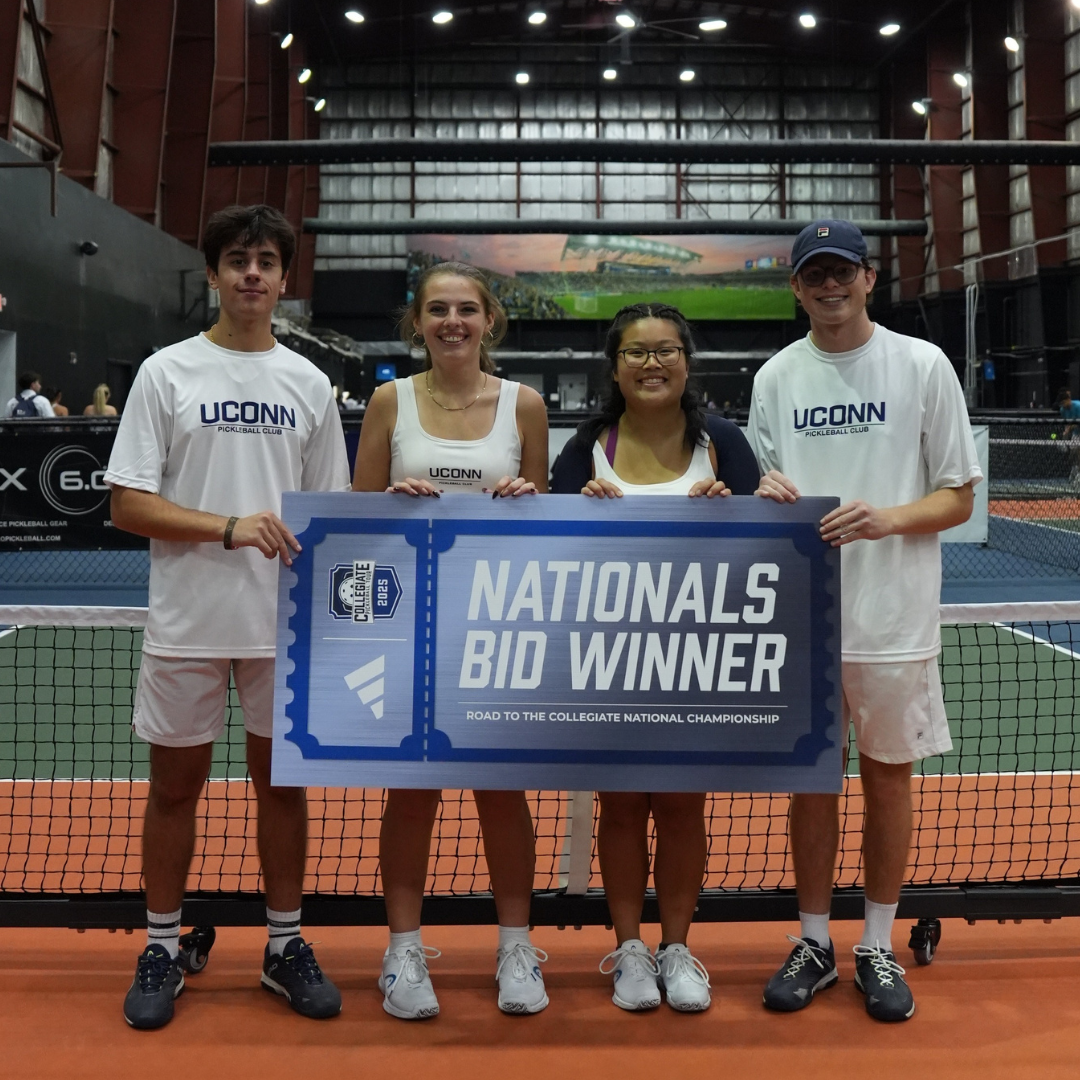
JMU, UConn, and Delaware Earn Bids at Pennsylvania Super Regional
The Collegiate Pickleball Tour’s stop in Pennsylvania didn’t disappoint.
With 140 players from 14 schools, it became the sixth-largest Collegiate Super Regional ever and one of the most unpredictable.
Historic Firsts and Major Upsets
For the first time, a #1 seed from Group Play went down in the Quarterfinals, as JMU’s 1st Team was upset by Rutgers’ 1st Team.
Even more surprising, the Finals didn’t feature the #1 or #2 seed (JMU 1 or Delaware), a first in Super Regional history.
But the biggest story?
JMU 2 ( yes, the program’s second team) took home the title.
It marks the first time a second team has won a Super Regional outside of Utah Tech.

UConn’s Dreambreaker Marathon
If any team defined the weekend by grit alone, it was UConn.
They battled through Dreambreakers in the Round of 16, Quarterfinals, Semifinals, and Finals, the first time that’s ever happened in Collegiate Pickleball history.
Every match came down to the final points, showing UConn’s composure and consistency under pressure.
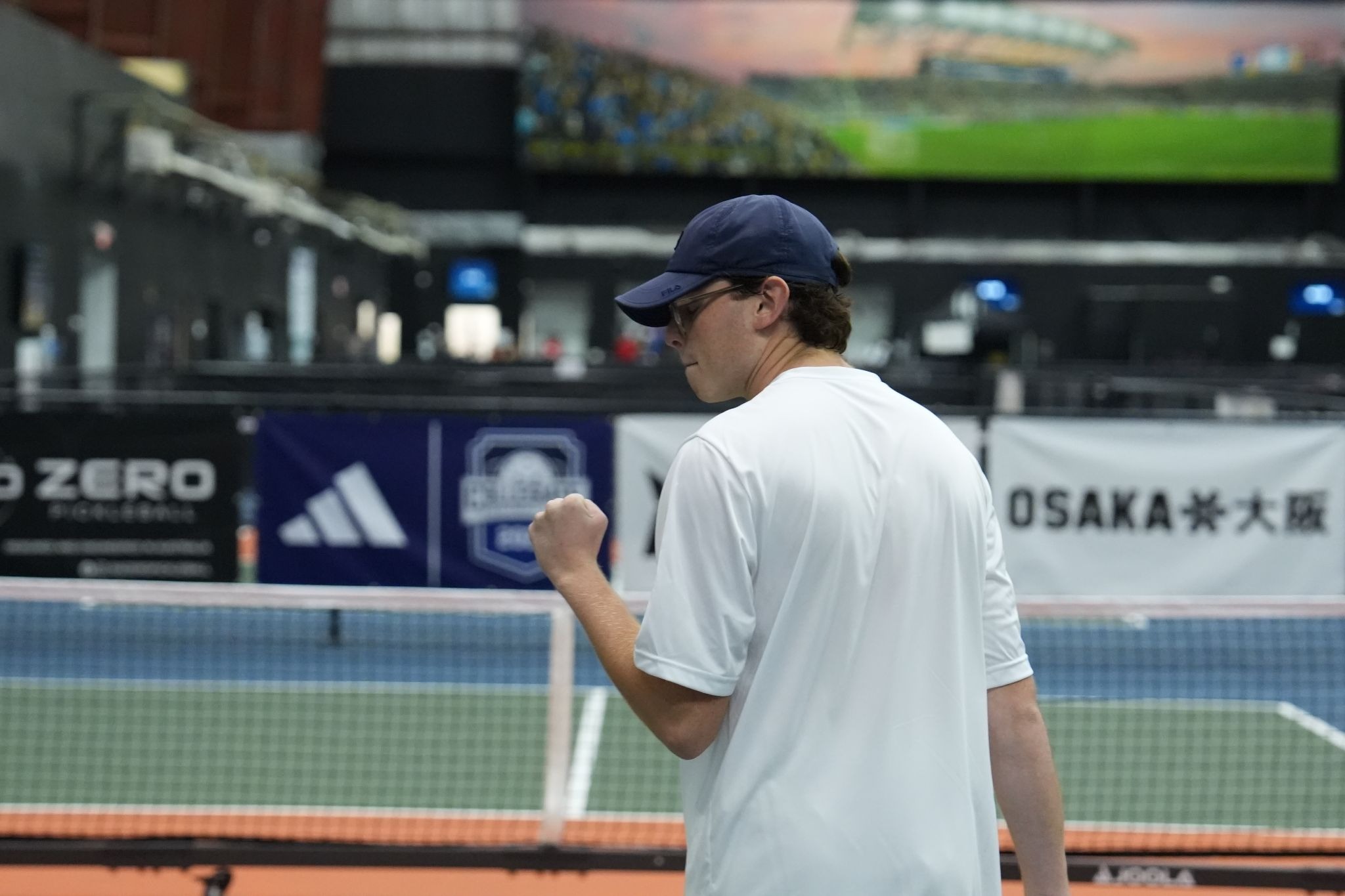
Breakout Performances
While top seeds like JMU and Delaware held the spotlight coming in, several underdogs made noise:
- Towson 1, the third-lowest team by DUPR in the field, went 3–1 in group play.
- JMU 3, seeded in the bottom half of the field, also finished 3–1 in group play.
- Cornell 1 swept the consolation bracket without dropping a single game, a perfect rebound story.
Bids Secured
By Sunday night, JMU, UConn, and Delaware punched their tickets to April’s National Championship.
For JMU, the win solidifies their dominance on the east coast; for UConn and Delaware, it cements their programs among the top-tier collegiate contenders heading into spring.
Check Tournament Pictures
Relive the best moments from the Pennsylvania Super Regional!
From dreambreakers to championship points, our photographers captured it all: the energy, the rivalries, and the celebration.
👉 View the Full Tournament Photo Album Here
What’s Next
The Collegiate Pickleball season now shifts its focus to the next Super Regional in North Carolina, where more programs will battle for bids to Nationals and a shot at collegiate glory.
With the field getting deeper each event, the Pennsylvania Super Regional proved one thing: no seed is safe, and every point counts.
Join our Collegiate Pickleball News Channel for highlights, player stories, and updates as the road to Nationals continues.
College
Pickleball Tournaments
Community
October 10, 2025
DUPR Named the Official Rating System of the MoneyBall Tour
DUPR is proud to be the official pickleball rating system of the MoneyBall Tour (MBT), a fast-growing national circuit launching this fall with 150+ tournaments across 48 venues in the United States. With 3–4 events every week, MBT offers amateur and open/pro divisions (men’s, women’s, mixed, and singles), and up to $8,000 in prize money per tournament.
The inaugural event lands in Miami on Nov. 1–2, 2025, with 400+ competitors expected and a full weekend atmosphere.
“We started the MoneyBall Tour with a strong team and a clear goal,” said Sophia Deaguero, MBT’s Operations Director. “If not by the caliber of players alone, we wanted to outshine others through scale and experience. More tournaments, better run.”
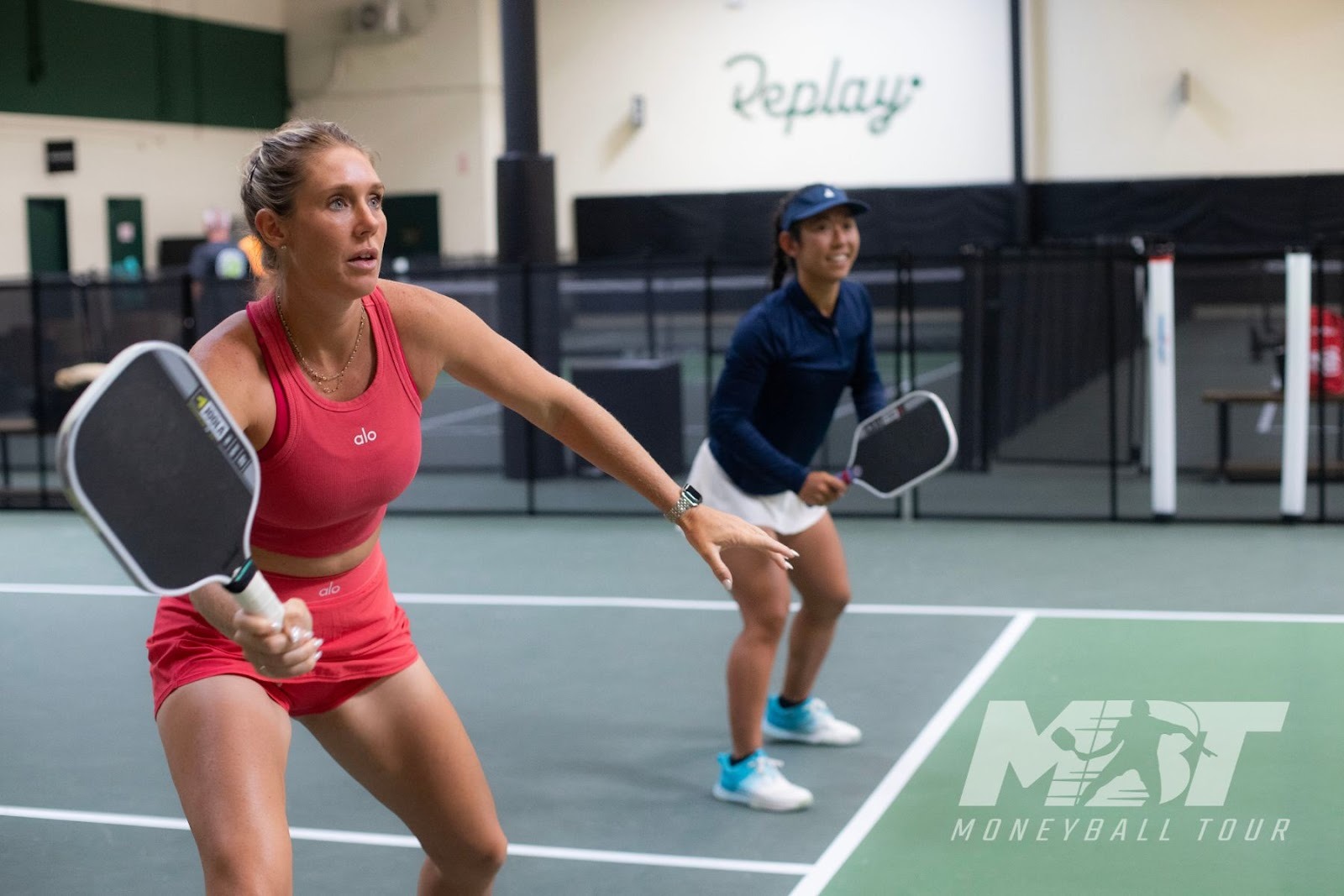
MBT evaluated options and ultimately chose DUPR as their tour’s official rating system so players’ matches would count where it matters most.
“Credibility was the deciding factor,” Sophia explained. “When you talk pickleball, the first question people ask is ‘What’s your DUPR?’ Players want their results reflected in DUPR and they care about improving that number.”
MBT will run DUPR Verified Events, where eligible, authenticated players compete and results carry greater weight in DUPR ratings.
“We felt DUPR Verified was the right fit for players who are serious about competition,” Sophia said. “It also unlocks collaboration on the DUPR side with targeted outreach and promotions that help the right players find the right events at the right time.”
What Are DUPR Verified Events?
DUPR Verified Events are tournaments that use a simple player-verification step to protect competitive integrity and make every result count more. Only verified entrants are eligible, and their match results carry higher weight in the DUPR system, producing ratings that are more accurate, trusted, and reflective of true performance. For players, that means fairer draws, meaningful wins and losses, and a clearer path to measuring progress across events and skill levels. Click here to apply to run DUPR Verified Events.
A Format Built for Players (Not Wait Times)
If you’ve ever spent a whole day sitting between matches, MBT’s structure is designed to fix that. Brackets are capped at 16 teams to keep things tight and moving.
- Round robin: one game to 11, win by 2
- Semifinal & Final: one game to 15, win by 2
- Run across eight courts, eight hours, two days to minimize downtime
“One of the biggest issues at traditional tournaments is the wait time,” Sophia said. “We cap brackets on purpose so players can get in, compete, and stay in a flow state. Most people will be in and out in one to two hours, and even winners wrap in around three.”
MBT’s regional tournament directors are trained to keep the schedule moving, so players spend more time competing and less time refreshing their phones.
Real Prize Money, Real Pros, Real Access
MBT’s Open divisions are open to anyone, including legitimate pros and ambitious amateurs who want to test themselves.
“We love the idea that a motivated 3.0 or 3.5 can share a court with top players,” Sophia said. “They might not win, but the experience is unforgettable, and it raises the standard for everyone.”
By running 13–14 total divisions, MBT is transforming the tournament scene, giving amateur players at every level the chance to compete for real prize money and face high-caliber opponents. For the first time, players can join their rated divisions, earn cash rewards, and raise their DUPR ratings in a competitive, inclusive, and exciting environment.
For many competitors in the skill brackets, the primary motivation is quality play and their DUPR rating, and now, with DUPR Verified, those results matter more.
What This Means for Players
- Your matches count more with DUPR Verified
- Less waiting, more playing with capped brackets and efficient scheduling
- Clear pathways across amateur and open play, with pros in the mix
- Nationwide access: 150+ tournaments, 48 venues, 3–4 events weekly
Whether you’re chasing prize money in the Open or building your rating in skill divisions, the Money Ball Tour partnered with DUPR to give players a fast, fair, and credible competitive experience.
Ready to Play?
- Check the MoneyBall Tour schedule (Miami kicks off Nov. 1–2, 2025)
- Get DUPR+ to compete in DUPR Verified brackets
- Follow updates from both MBT and DUPR as new venues go live
Register now for Money Ball’s first pickleball tournament before spots fill up
Partners
Pickleball Tournaments
Community