No matching results.
Search results
August 8, 2025
How to Hit a Flick in Pickleball
You’ve been dinking back and forth, patiently waiting for the perfect ball. Then boom.. you flick it past your opponent before they even know what hit them. That’s the magic of the flick shot in pickleball.
It’s fast.
It’s sneaky.
And when you hit it right, it can completely flip a rally in your favor.
Whether you’re chasing a higher DUPR rating or just want to add some spice to your game, the flick is one of those “must-have” shots for competitive and rec play alike.
Let’s break it down.
What’s a Flick in Pickleball?
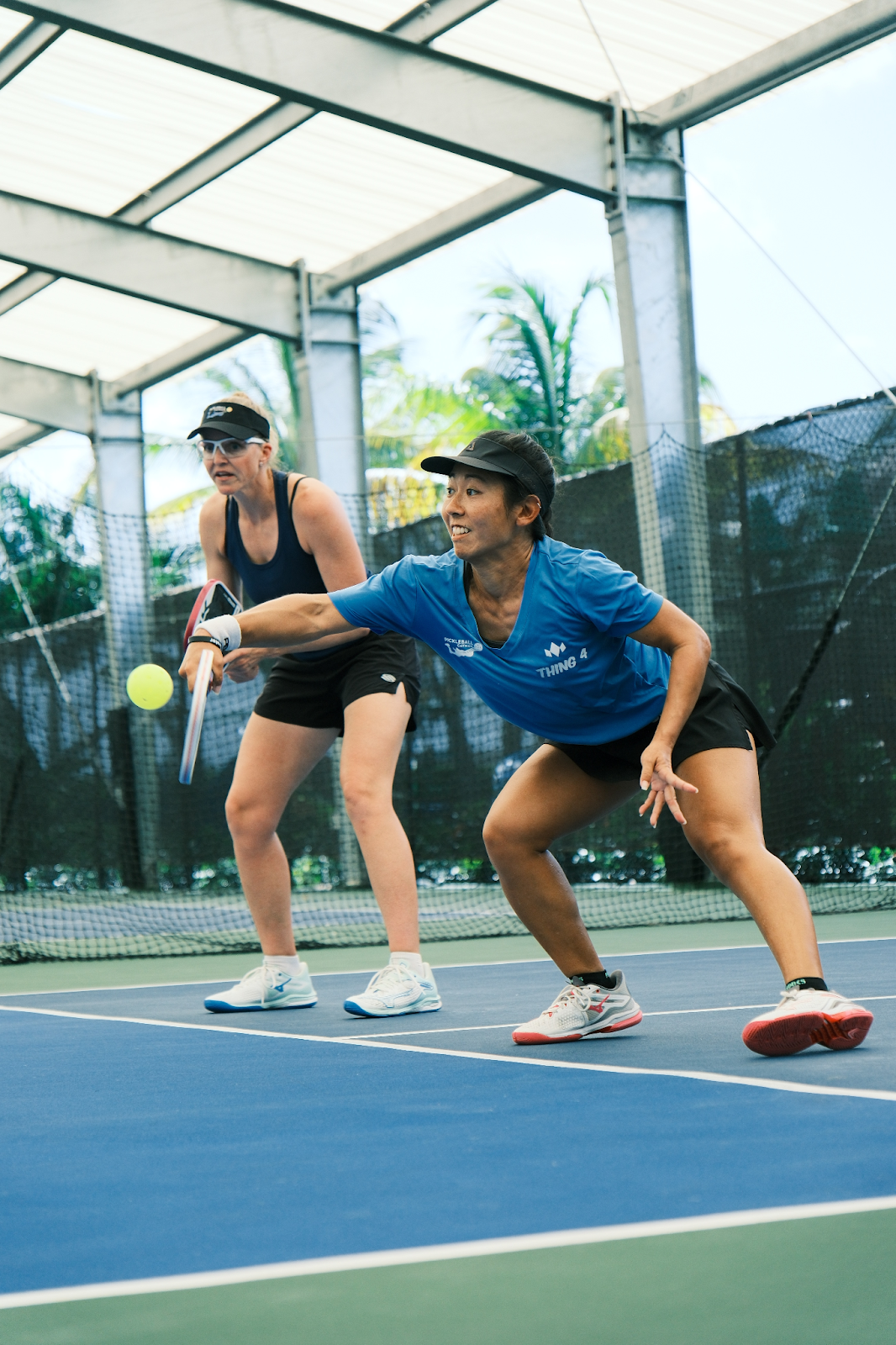
Think of a flick as a surprise attack from right up at the kitchen line. You’re in a soft dink rally, looking all calm and controlled… then suddenly, with a quick low-to-high wrist snap, you send the ball speeding past your opponent.
It works because they’re expecting another soft shot, not a sudden burst of pace. Even better, you can use it to attack balls below net height (something most players won’t see coming).
When to Use the Flick Shot
The flick isn’t something you blast out every other ball. It works best when it’s unexpected. Here’s when to pull it out:
- You’re locked in a slow dink rally at the net and want to change gears.
- Your opponent is creeping in and getting a little too comfortable.
- You see an open space and want to catch them flat-footed.
Pro tip: The more patient you are before you flick, the more likely you are to land the point.
How to Hit a Flick in Pickleball - Tips by Pro Player Bobbi Oshiro
1. Start in a strong, balanced stance
Stay low, knees bent, paddle out front, feet wide. This keeps you ready for anything, flick or dink.
2. Use a continental grip
Same grip you’d use for a backhand; it keeps your shot looking identical to a dink until the last second.
3. Go low-to-high
Keep your paddle down, elbow up, and lift through the ball. This motion sets up your speed and spin.
4. Snap the wrist at the last moment
This is the secret sauce. That quick snap is what makes the ball jump off your paddle faster than your opponent expects. Think of the motion as throwing a frisbee.

Common Flick Fails (and How to Avoid Them)
- Bad timing: Don’t flick every ball. Wait for one that’s attackable and when you’ve got space to hit into.
- Too much heat : Yes, it’s tempting to rip it, but if you overhit, you’ll send it long or straight into the net.
- Kitchen foot faults: No volleying stepping into the kitchen. Rules are rules.
- Too much follow-through or overextending after the shot: Players tend to follow through too much after hitting the shot. Keep the swing quick and short so you are ready for the counter by your opponents.
Think you know the pickleball rules? Read this article and see if you’re one of the 90% of players getting these wrong.
Why You Should Add It to Your Game
The flick isn’t just a “cool trick shot.” It’s a legit strategy tool that:
- Forces errors from your opponents.
- Makes you unpredictable in dink rallies.
- Helps you take control of a point on your terms.
- Takes time away from your opponents by hitting the ball early and out of the air.
So whether you’re grinding for a higher pickleball rating, chasing your next tournament win, or just looking to dominate those tight net battles, the flick is worth the reps.
Next time you’re on the court, set up some dink rallies with a buddy and practice sneaking in that flick. Use it sparingly, disguise it well, and watch your opponents start questioning every shot you take.
Want more ways to sharpen your game? Check out Bobbi Oshiro’s singles drills blog for inspiration.
Pickleball Tips
August 8, 2025
World #1 Reveals the Only Return Tip You’ll Ever Need
Improve Your Return: Tips By World #1 Federico Staksrud
In pickleball, the double bounce rule gives returners a built-in advantage. The serving team must let your return bounce, which means you have a perfect opportunity to set the tone for the rally.
Pros have shared serving tips to minimize that edge, but when you are returning, choosing where and how you place the ball can make all the difference. A smart return can put you or your team on offense immediately.
Why Depth Beats Speed
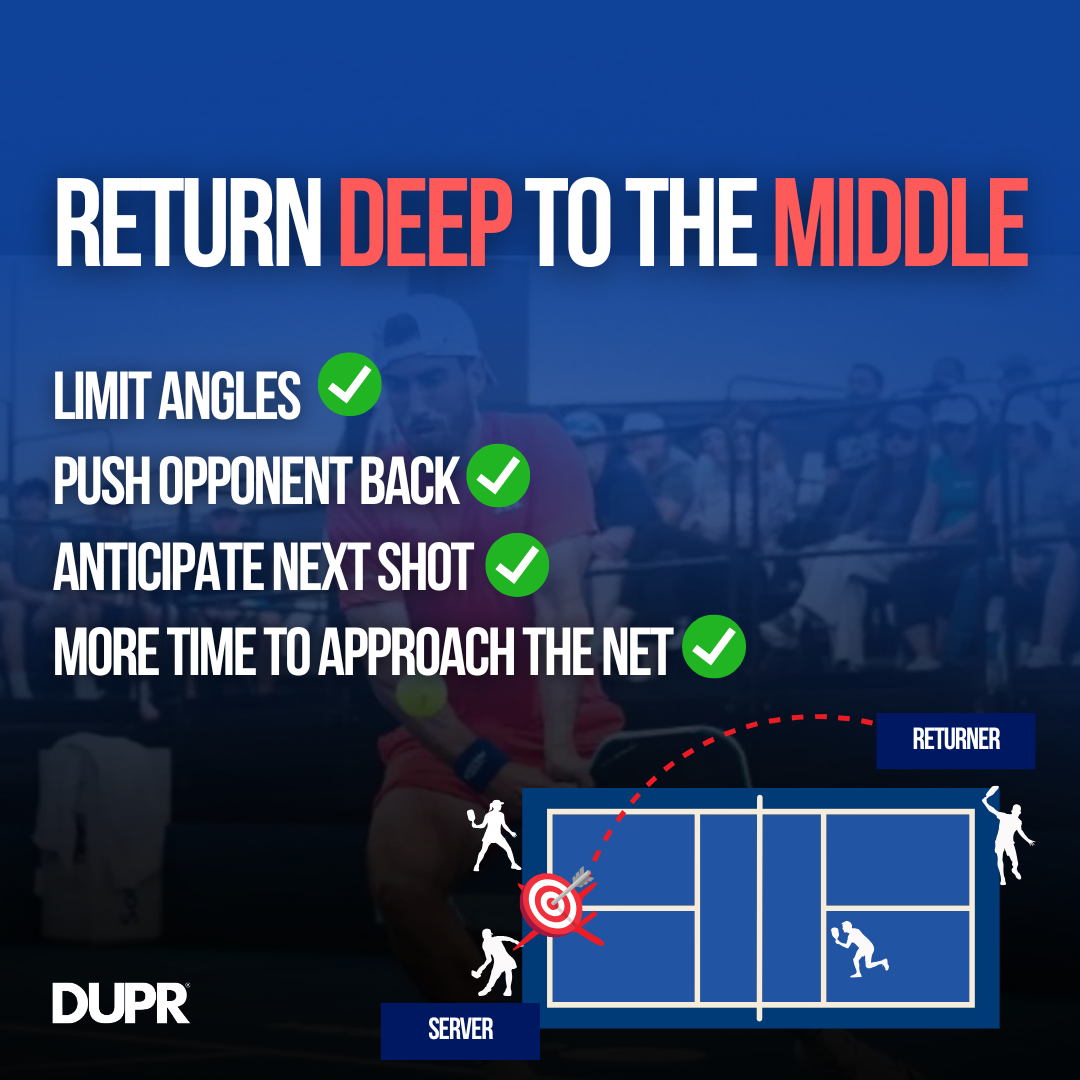
Many players think a hard, low return is best, but that’s not always the case. Because the serving team must wait for the bounce, your priority should be pushing them back. A deep return:
- Gives you more time to get to the kitchen line.
- Forces opponents to hit their third shot from farther back.
- Reduces their ability to hit sharp angles.
In short: depth over speed.
Staksrud’s Pro Perspective
Here’s how World #1 Federico Staksrud approaches his returns:
“For the return, I focus on depth and pace, usually targeting the middle to limit angles and set up my next shot.”
By aiming deep to the middle, you:
- Force opponents into awkward positioning.
- Take away the sidelines and angles.
- Give your partner time to move forward with you.
How to Hit Deep, Effective Returns
Hitting deep consistently takes more than just swinging harder. Here are a few tips:
1. Loosen Your Grip: A softer grip helps control depth without overhitting.
2. Aim Higher Over the Net: More clearance ensures the ball lands deep instead of into the net.
3. Use Your Legs: Bend and push through the shot for added lift and control.
4. Target the Middle: Limits angles and forces confusion between opponents.
5. Follow Your Shot In: Use the extra time you’ve created to get to the kitchen line.
The Takeaway
Depth + smart placement = control of the rally.
By focusing on deep returns to the middle, you limit your opponents’ options and set up your team for success. As former collegiate pickleball player David Bieger.said after beating Tyson McGuffin at the PPA Event, “make them beat you, don’t give them freebies.”
Curious how Bieber took down McGuffin? Read this article to find out.
To stay up to date on pickleball tips to improve your game and pickleball ratings, follow @duprpb on Instagram!
Pickleball Tips
August 7, 2025
Former Collegiate Champ Upsets Tyson McGuffin on Home Turf at PPA Bristol
Bristol,TN, August 6, 2025, – In one of the biggest upsets of the tournament so far, #59 seed David Bieger (DUPR 6.025) shocked the crowd by defeating Tyson McGuffin in pro singles on center court at the PPA Bristol Open, just miles from where Bieger grew up.
At just 22 years old, Bieger is no stranger to big moments. As a collegiate pickleball player at the University of Virginia, Bieger helped lead his team to a national title at the 2023 DUPR Collegiate National Championship, securing the $15,000 prize and marking what commentator and former Heisman winner Danny Wuerffel called “the greatest upset in collegiate pickleball history.”
But few could have predicted what came next.
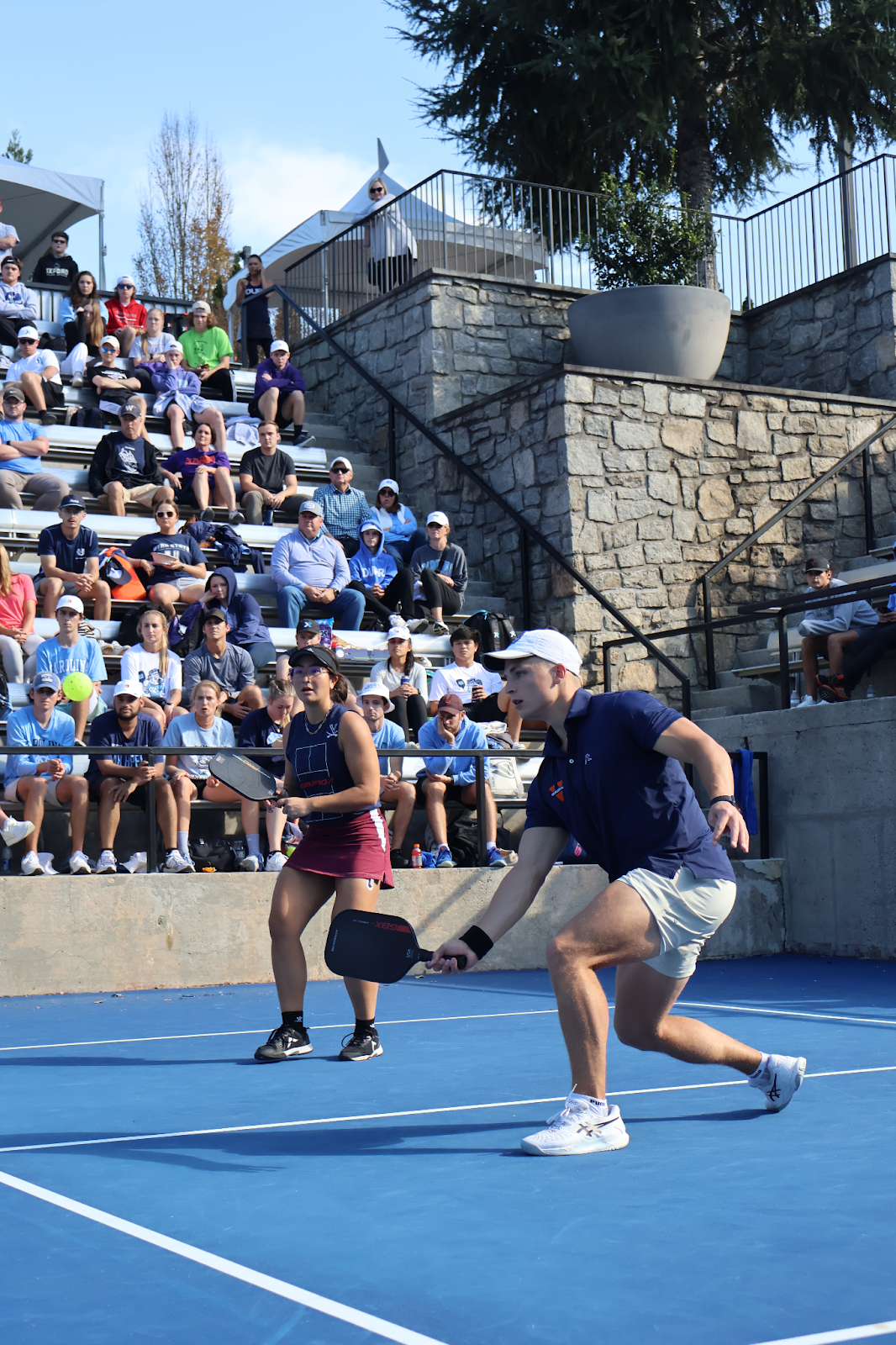
Just a year and a half ago, Bieger entered the first DUPR Collegiate National Championship with a provisional rating of 3.92. Now, he's taken down one of the most recognizable names in pickleball on the pro stage.
“I was just trying to stick to my game,” Bieger said in a post-match interview with the PPA.“Go for my serves, even though I missed a few, it’s important to stay aggressive and keep the targets big. Not aiming too close to the line. Not giving him any freebies. Making him earn every point.”
It was a surreal moment for Bieger, who had friends, family, and local supporters cheering him on in the stands.
“Oh, it’s incredibly special,” he said. “I’m grateful to the PPA for putting me on center court and having my friends and family here. For a small town like Bristol to host a PPA event, it’s truly an honor.”
From College Champ to Pro Player
David Bieger’s rise is a strong example of how DUPR is creating a path from college to pro pickleball. At UVA, he studied Computer Science and Physics and finished second in both singles and mixed doubles (with Lauralei Singsank) at the 2024 DUPR Collegiate Individual National Championships.
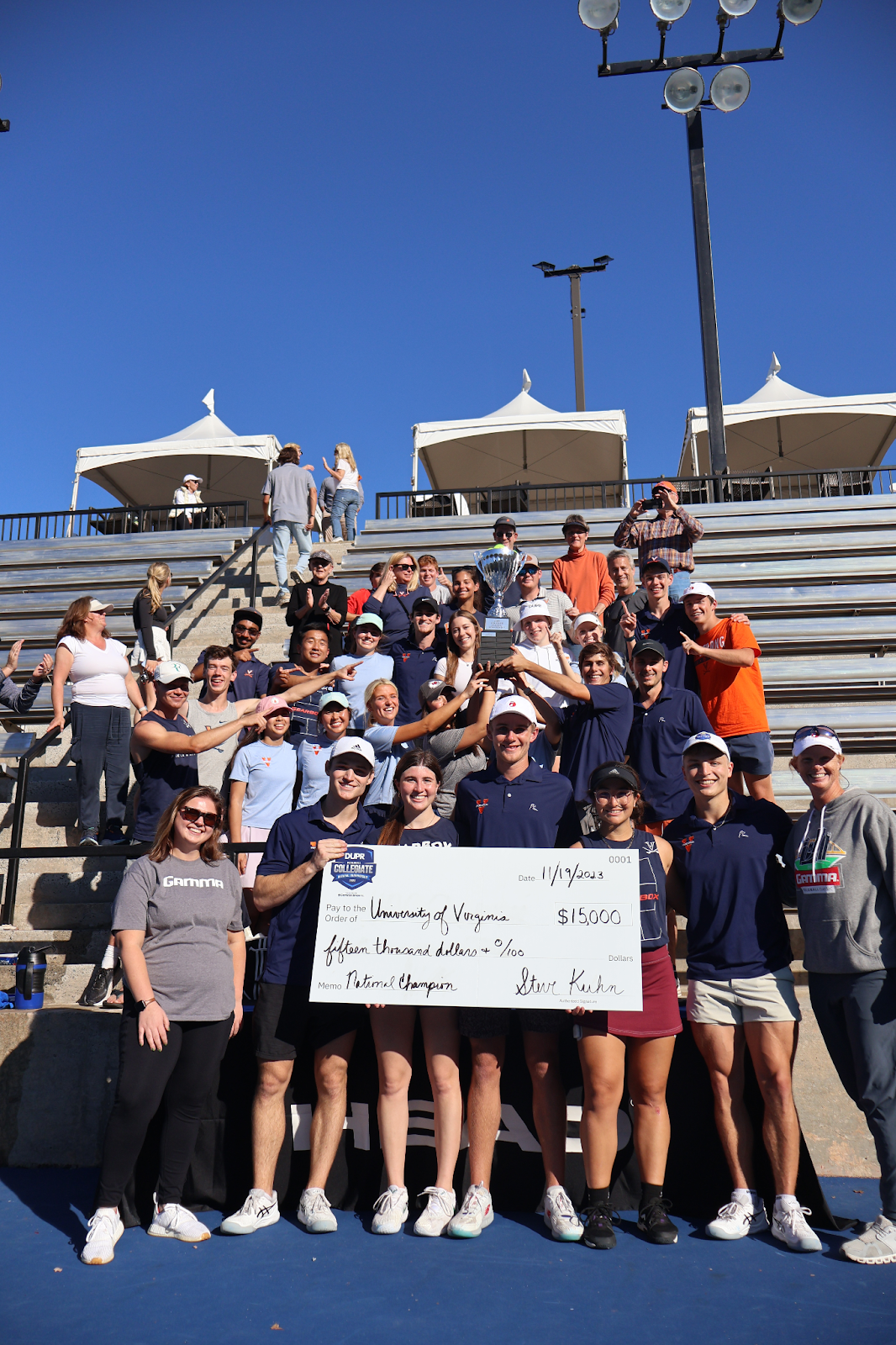
Now competing on the pro stage, his rapid rise underscores the legitimacy of collegiate pickleball as a feeder system for the highest levels of the game.
- From 3.92 to 6.025 DUPR.
- From college champ to pro threat.
- From #59 seed to Tyson McGuffin upset.
David Bieger. Remember the name. Because this is just the beginning.
To discover more rising stars in college pickleball, follow our Collegiate News Channel on Instagram here.
College
Pickleball Tournaments
Community
August 7, 2025
MiLP 2025 National Championship Registration Is Open
The wait is over. Registration for the 2025 MiLP National Championship is officially open!
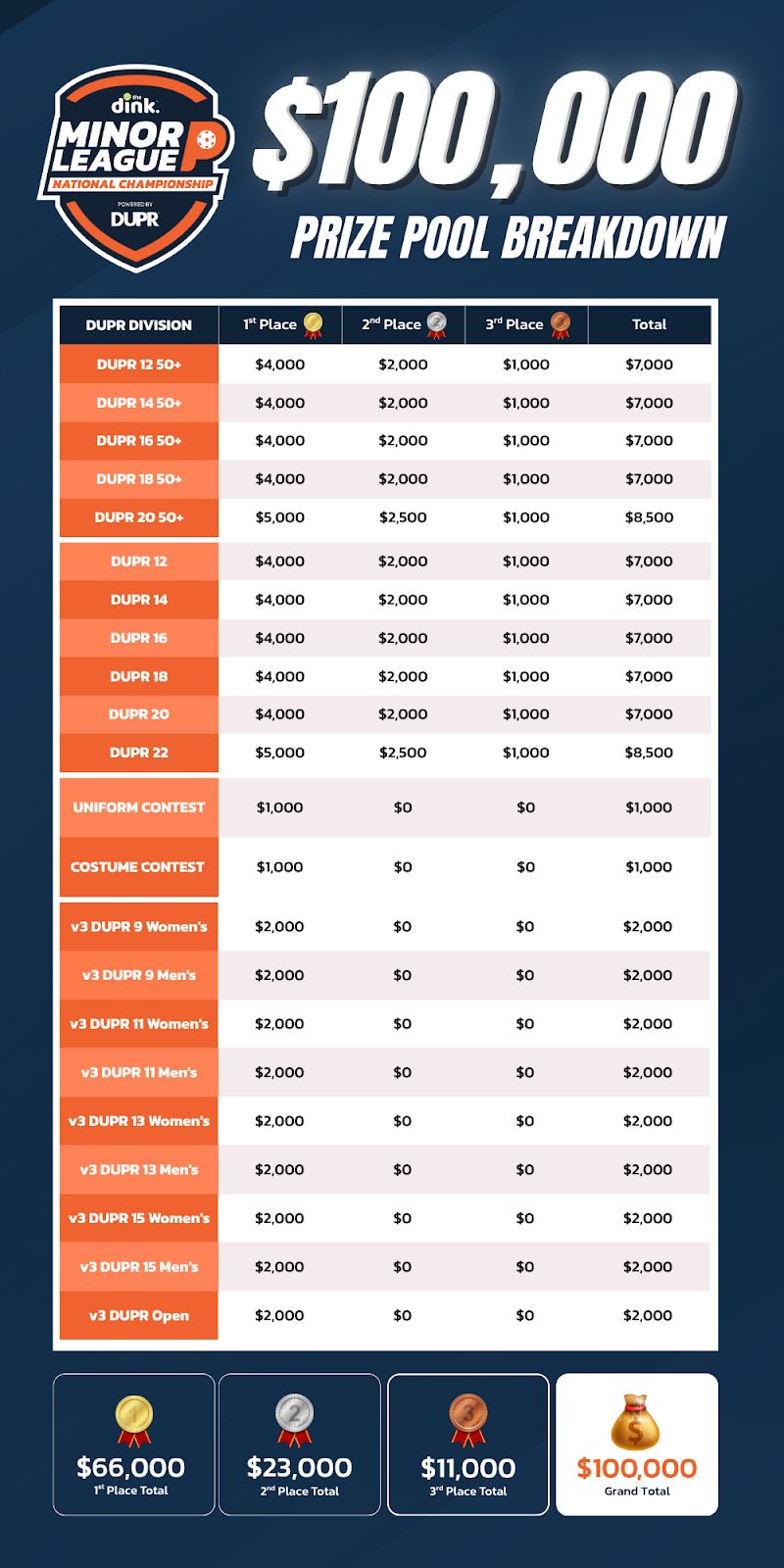
Dream Ticket teams can now lock in their spot to battle for a massive $100,000 prize purse. Plus, the first wave of National Leaderboard qualifiers (top players nationwide) will start receiving invitations by mid-August to form their championship teams.
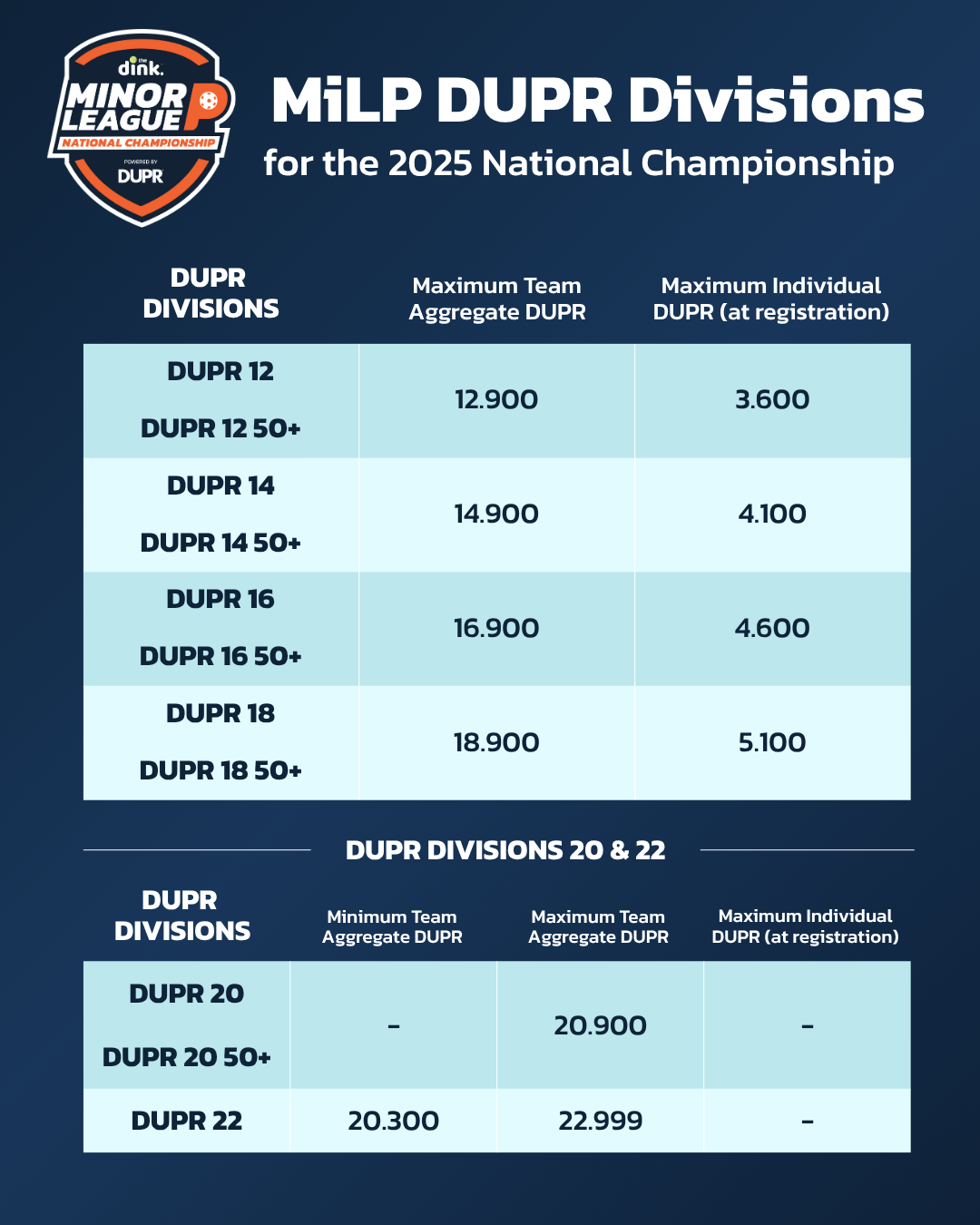
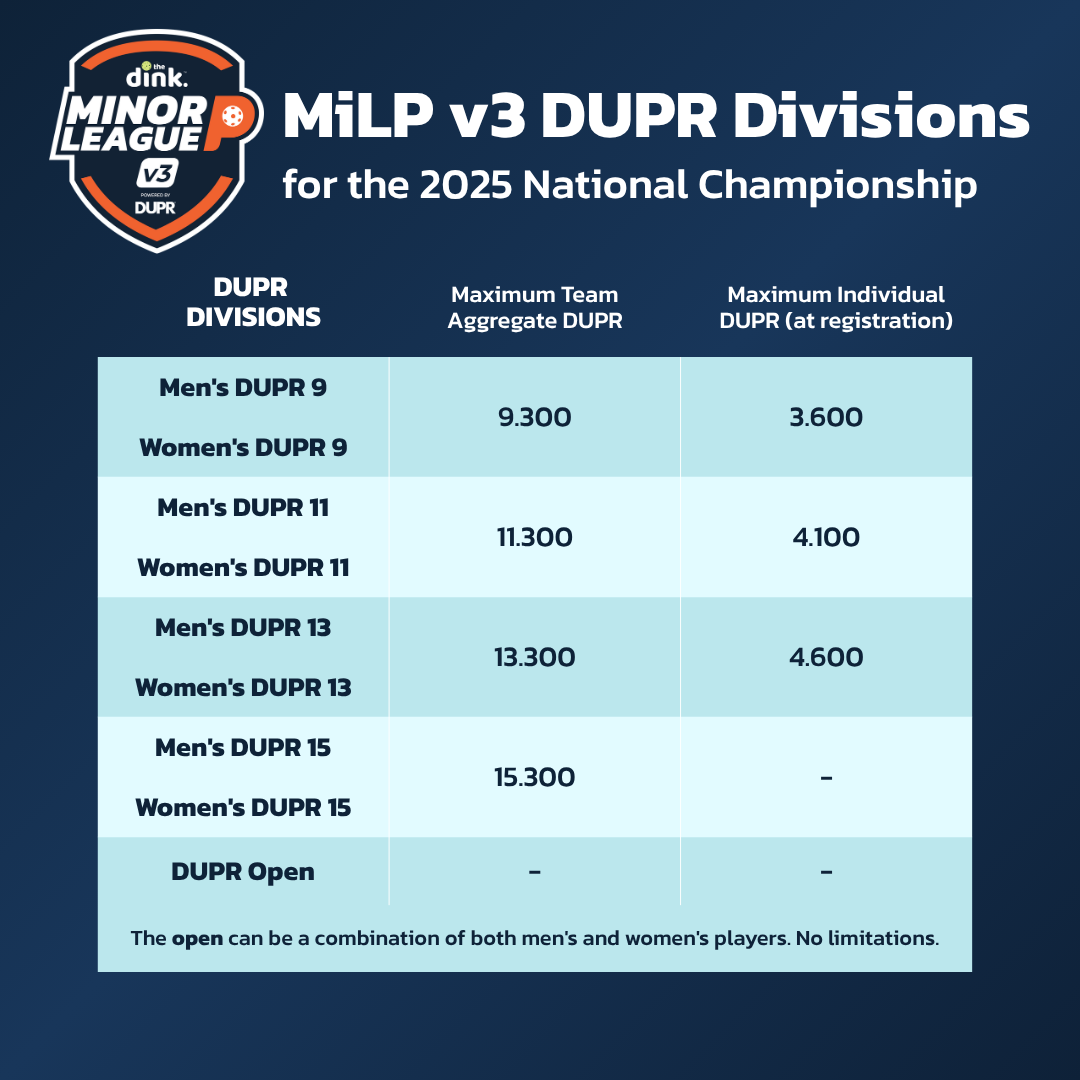
And this year, it’s bigger than ever. Every skill level from DUPR 12 to DUPR 22, plus all ages from Open to 50+ divisions, will be competing for prize money. Even v3 teams have a chance to grab a piece of the prize pool.
Who Can Register and When?
Here’s how registration breaks down:
- Dream Ticket Earners: Registration opens August 8th (private link provided to winners).
- DUPR 22 & DUPR 20 50+ Teams: Registration opens August 8th. Register here.
- National Leaderboard Qualifiers: The first wave of invitations goes out around August 20th following leaderboard updates.
- v3 Teams: Eligible players can register starting August 20th (for those who have competed in a v3 or v4 MiLP event).
- MLP Teams: Can officially register their MiLP teams starting August 8th.
How the National Leaderboard Qualification Works
We use a rolling registration system to give rising talent a shot at Nationals:
- Wave 1: Top leaderboard players in August receive invites first.
- Wave 2: Top leaderboard players in September receive invites next.
- Wave 3:Top leaderboard players in October receive invites next.
- Wave 4: Top leaderboard players in November receive the final wave to Nationals.
This system ensures new talent who climb the leaderboard can still secure a spot while registration remains open.
Want to Guarantee Your Team Spot at Nationals? Earn a Dream Ticket!
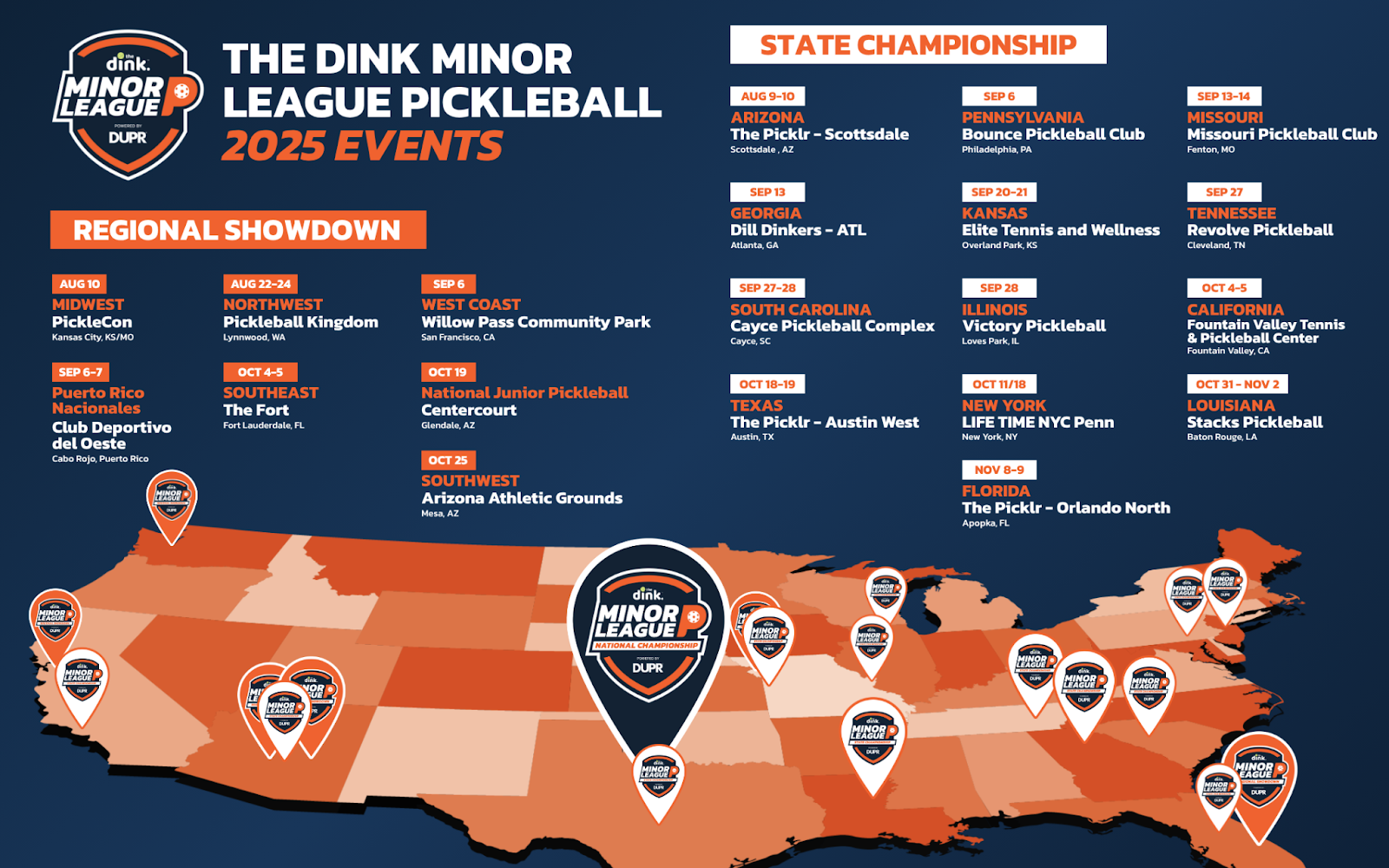
The easiest way to lock in your place at Nationals is to win your division at one of these events:
- State Championships – Winners earn a Dream Ticket + points toward the National Leaderboard.
- Regional Showdowns – Winners earn a Dream Ticket + DOUBLE points towards the National Leaderboard.
Uniform & Costume Contests
Uniform Contest
Earn $1,000 for winning the uniform contest at Nationals, which celebrates professionalism, team cohesion, and adherence to a unified standard, much like what you’d see from professional sports teams. Judges will evaluate based on uniformity, polish, and overall professional team look.
Costume Contest
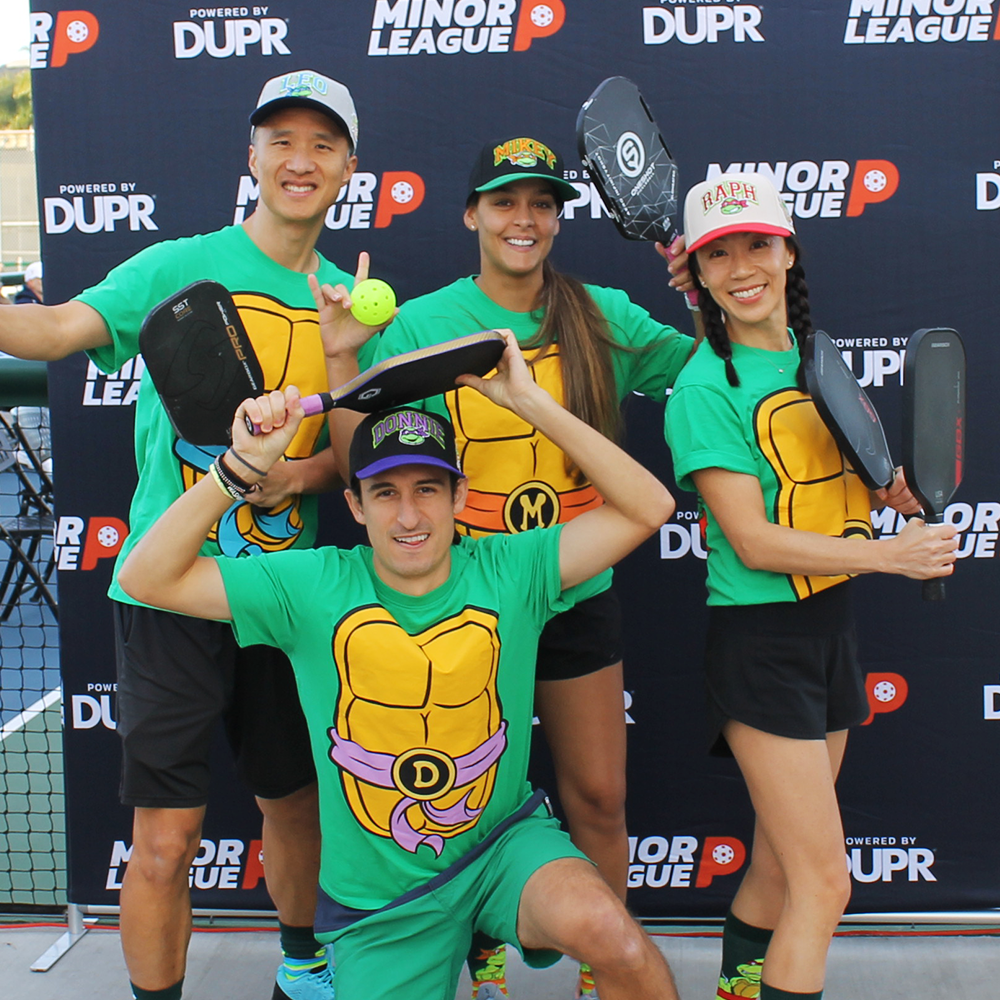
Earn $1,000 for winning the costume contest at Nationals. Creativity and personality take center stage. Whether it’s bold colors, quirky accessories, or full-on themed looks, this is your chance to stand out and show team spirit. Matching pieces are optional, but team creativity is a must.
Everything You Need to Know
For even more details, including FAQs, visit our National Championship Extended FAQ.
Your Shot at $100K Starts Now
Registration is live. The leaderboard is moving. The Dream Ticket events are still in play. This is your moment. Make it count.
The Dink MiLP
Pickleball Tournaments
August 6, 2025
The Real Story of How Pickleball Started 60 Years Ago
Pickleball may be America’s fastest-growing sport today, but its beginnings were far more humble, and we’ve got the story straight from someone who witnessed it. In an exclusive interview with DUPR, Ruth Rosenquist, board member of the Global Pickleball Federation and longtime friend of Barney McCallum (one of the sport’s original creators), shared how it all began.
The sport wasn’t born in stadiums or clubs, but on a simple driveway in Bainbridge Island, Washington. In 1965, three dads named Joel Pritchard, Bob Bell, and Barney McCallum were trying to do what so many parents did before them: keep their kids entertained. They grabbed some equipment, marked up a court on their driveway, and made up a new game on the spot. What began as a quick backyard activity would eventually become a global phenomenon.
Why Is It Called “Pickleball”?
For decades, the story circulated that the game was named after the Pritchard family dog, “Pickles.” While fun, that story isn’t quite true. Pickles the dog wasn’t even born when the game was invented.
"The actual inspiration came from the term ‘pickle boat,’ which is a rowing crew made up of leftover oarsmen from other boats," Ruth explained. "One of the inventors’ wives said the sport was similar, pulling pieces from other games like tennis, badminton, and ping pong, and combining them into something new. And just like that, pickleball was born."
Building the Game, One Paddle at a Time
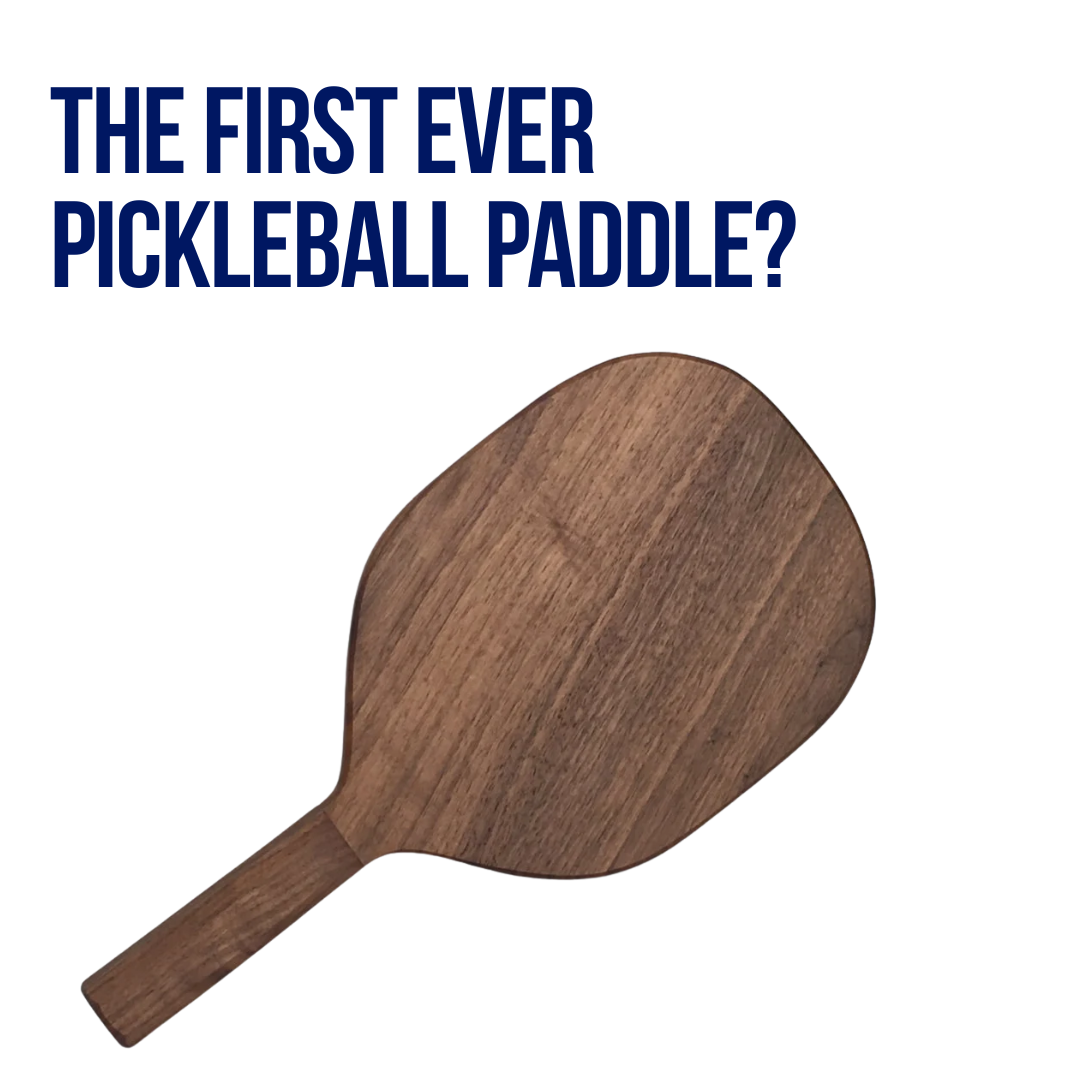
Barney McCallum, one of the original trio, was a builder at heart. He went into his woodshop and built the first pickleball paddle by hand, helping the sport establish its unique playing style from day one. McCallum even created key features of the game we still use today, like the no-volley zone (the “kitchen”), ensuring rallies stayed fun and accessible for players of all ages.
From Driveway Hobby to National Obsession
For decades, pickleball grew quietly, mostly spread by word-of-mouth among friends and neighbors. Players built their own courts and found whatever paddles they could get their hands on. In the early 1990s, people like Ruth were traveling 30 miles just to find a place to play.
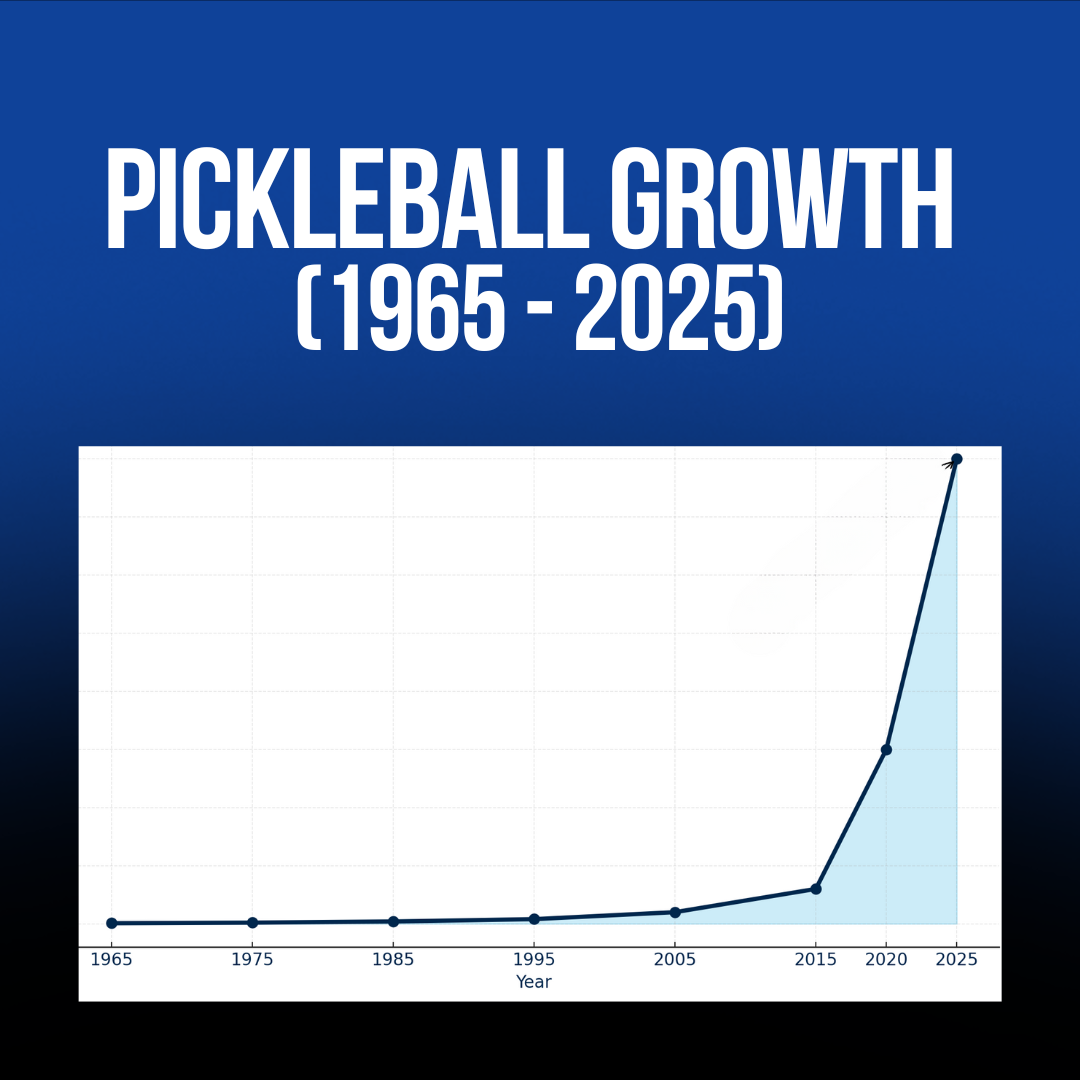
By 2013, Ruth was pushing hard to get the sport into the national spotlight. One of her early wins was convincing NBC Nightly News to run its first-ever pickleball story, coining the now-famous label: “America’s Fastest Growing Sport.”
A Moment of Laughter and a Glimpse of the Future
Ruth recalled a conversation with Barney McCallum, who laughed for five minutes straight when she suggested pickleball could one day make money. At the time, it was hard to imagine pickleball being anything more than a niche backyard pastime. But today, it’s an industry worth hundreds of millions of dollars, with professional tours, major brand sponsorships, and global reach.
A new report from Market.us (April 2025) projects the global pickleball market to reach USD 9.1 billion by 2034, up from USD 2.2 billion in 2024. This reflects a compound annual growth rate (CAGR) of 15.3% from 2025 to 2034, underscoring the sport’s accelerating popularity and expanding economic impact worldwide.
60 Years Later: A Global Sport
What started with three dads, some bored kids, and a handmade paddle is now a worldwide movement made up of both amateur and professional players. There are DUPR players in over 160 countries, with pickleball being on track to seek recognition by the International Olympic Committee. Pickleball is breaking barriers, connecting people of all ages, and, as Ruth says, “bringing joy to people’s lives everywhere it goes.”
This year marks Pickleball’s 60th anniversary, a milestone worth celebrating, not just for how far it’s come, but for the spirit in which it started: simple, inclusive, and focused on fun.
Interested in learning more about the sport and how to raise your pickleball ratings? Don’t miss our blog on the pickleball rules 90% of players get wrong; it might change how you play.
Community
August 5, 2025
2025-26 Collegiate Pickleball Tour Schedule Release
The 2025-26 collegiate pickleball season is here, and it’s bigger than ever. DUPR and the UPA are proud to kick off the fifth year of the Collegiate Pickleball Tour with our biggest announcement yet: Adidas has been named the Presenting Sponsor of the Collegiate Pickleball Tour, marking a major milestone in the sport’s evolution on campuses across the country.
Keep reading to explore the full 2025-26 season lineup, including key dates, host locations, Adidas’s involvement as Presenting Sponsor, additional sponsors, and everything you need to get your team ready to compete at the highest level.
Fall Semester Events
Utah Super Regional at The Picklr Kaysville
September 27th-28th
Pennsylvania Super Regional at Dill Dinkers Hatboro
October 11th-12th
North Carolina Super Regional at City of Wilson Pickleball Facility
October 18th-19th
Collegiate World Championship at Brookhaven Country Club
October 31st-November 2nd
Arizona Super Regional at Arizona Athletic Grounds
November 22nd-23rd
Spring Semester Events
Virginia Super Regional at Performance Pickleball RVA
February 14th-15th
Indiana Super Regional at The Picklr Noblesville
February 21st-22nd
California Super Regional at The Hub Silicon Valley
March 7th-8th
Georgia Super Regional at Atlanta National Pickleball Club
March 28th-29th
2026 Collegiate National Championship
TBD
Adidas – The Official Sponsor of the Collegiate Pickleball Tour
Our Partnership with adidas brings one of the most iconic brands in the sport to the heart of collegiate pickleball. As presenting sponsor of the tour, adidas will play a central role in elevating the athlete experience across all events. With a focus on performance, innovation, and community, adidas will activate on-site and support players with best-in-class products.
Vulcan – The Official Ball of DUPR
This new partnership sets a standard across the sport with Vulcan’s V-PRO FLIGHT technology regarded as best-in-class, delivering elite performance, durability, and accuracy. The Vulcan V-PRO FLIGHT ball will be used across all Collegiate Pickleball Tour events.
If you are a college club - use this link to purchase Vulcan balls.
Osaka – The Official Apparel Sponsor of Collegiate Pickleball
Osaka delivers designs that elevate both a player's game and lifestyle. Globally recognized for its impact in padel and field hockey, the brand entered the pickleball sphere with apparel built for versatility, functionality, and durability, crafted for performance and everyday wear.
Six Zero – Official Partner Of Collegiate Pickleball
Six Zero brings elite paddle technology to the nation’s Collegiate Pickleball Tour. Known for pushing the boundaries of performance and design, Six Zero will provide collegiate athletes with access to high-quality paddles engineered for speed, precision, and control. Their commitment to innovation makes them the perfect partner.
Reign Storm – The Official Energy Partner of DUPR and Collegiate Pickleball
Reign Storm offers clean, plant-based energy to players and fans at every stop of the Collegiate Pickleball Tour. Designed to support high-performance lifestyles, Reign Storm is a natural fit for collegiate pickleball’s fast-paced and competitive environment. With on-site activations, product sampling, and fan engagement throughout the season, Reign Storm is here to fuel the next generation of college athletes, on and off the court.
Scholarship Money
To date, the Collegiate Pickleball Tour has given out over $300,000 at all of our past events, and we look forward to continuing that tradition in the 2025-26 season.
- 2026 Collegiate National Championship - $42,500+ given out
- Collegiate World Championship - $10,000+ given out
- Super Regionals - $6,000+ given out at each
- Total - $100,000+ given out in the 2025-26 season
Bids
There will be 64 bids given out for the 2026 Collegiate National Championship. A bid allows your school to bring a team to compete for the championship in the 1st Team Bracket at Nationals, as well as bring another team for the 2nd Team Bracket. Only 1 bid per school. If your school does not have a bid, you can still compete in the Challenger Brackets at Nationals and the 3rd Team Bracket. Here are how the bids will be distributed:
- Collegiate World Championship - 6 bids for the best USA teams
- Super Regionals - 3 bids each (24 bids total)
- Campus Regionals - 1 bid each (30 bids total)
- Dual Matches - 2 bids awarded to the teams with the most Dual Match wins
- Wildcard Bids - 2 bids for teams selected by the CPT committee
Eligibility Changes
Starting in the 2025–26 season, we’re adjusting the credit hour requirements for undergraduate players to better reflect the evolving level of competition. Our goal is to ensure student-athletes are maintaining academic commitments while still representing their schools with pride. These credit hours must be taken in the same semester as the collegiate tournament you are playing in. Here are the requirements:
- Undergraduate Students - 9 credit hours (¾ full time)
- Graduate Students - 6 credit hours (½ full time)
- Graduating Seniors - Below minimums allowed for the final semester
As always, you must be partnered with other players from your same school for Collegiate Pickleball Tour events.
Campus Regionals
Campus Regionals continue to be a critical part of the Collegiate Pickleball Tour, helping new and returning schools compete for a shot at Nationals. In 2024, we hosted 16 Regionals, and in 2025 we hosted 14 - even with a shortened season.
In 2025–26, we’re dedicating 30 of the 64 total Nationals bids to Campus Regionals - aiming for 15 Campus Regionals each semester! These tournaments will follow the Collegiate Pickleball Tour Format, creating a clear and unified path to the Collegiate National Championship.
Want to host a Campus Regional? Click here to learn more.
Collegiate Council
We want to make sure that we continue to foster open communication and collaboration with our player base, and so we organize a Collegiate Council that is made up of leaders and players from each region of collegiate pickleball. The Collegiate Council and the Collegiate Pickleball Tour Team will meet regularly to discuss feedback on previous events, the steps that CPT is taking to grow the sport, and your input on what we can do to increase each player’s experience. If you are interested in lending your experience to help us grow collegiate pickleball, you may apply here for the 2025 fall semester group.
Be the first to know : Join our College Pickleball News channel on Instagram for the latest Collegiate Pickleball Tour updates, results, and behind-the-scenes action.
College
August 4, 2025
Introducing the 2025 Collegiate Tailgate Tour: Pickleball Pros, Music & More
College game days are already legendary. You wake up, throw on your school colors, and head straight to the tailgate. Now, imagine adding pickleball into that mix.
This fall, the 2025 Collegiate Tailgate Tour is hitting campuses nationwide, blending the energy of top-tier pickleball pros with live music, fun experiences, and all the tailgate vibes you love.
What is the 2025 Collegiate Tailgate Tour?
Cracked Media Ventures (CMV) is teaming up with DUPR to bring pickleball to the heart of college football game days. Each stop features interactive pickleball courts, exhibition matches between pros and student-athletes, and live entertainment designed to create an unforgettable gameday experience for students, alumni, and sports fans alike. From Greek Life tailgates to alumni weekend celebrations, this tour blends competition, music, and culture into one epic event.
Redefining Game Days with Pickleball
CMV’s pickleball brand Cracked Paddles will set up two temporary pickleball courts that will pop up on each campus stop, showcasing matches between collegiate pickleball and tennis teams, pro player Alex Crum (AC), and other athletes. Some matches will even include NIL-supported exhibition play, creating unique opportunities for college players to shine alongside professionals.
Beyond the Court: Music, Comedy & More
The experience doesn’t end with pickleball. After the final football whistle, tailgaters can stick around for concerts and comedy acts. AC and special musical guests will perform hour-plus sets exclusively for fraternities and sororities, delivering the perfect post-game party.
Get Your Official DUPR Rating On-Site
Want to know your true pickleball level? Each tour stop will feature a certified DUPR Coach running official DUPR Rating Sessions. Whether you’re a seasoned club player or new to the game, you can get your rating on the spot, ensuring you’re ready for future tournaments, leagues, and competitive play.
Big Names, Big Energy
The tour brings together CMV’s network of reality TV stars, influencers, comedians, and musicians, curated by Dalton Thieneman, while a dedicated content team captures every moment through live podcasts, photography, and videography.
The Collegiate Tailgate Tour drives grassroots branding, NIL engagement, merch sales, and deeper audience connections while showcasing pickleball as a core part of the college sports culture.
Tour Schedule Highlights
- August 6-10: Bristol, TN
- August 27-31: Las Vegas, NV
- September 5-7: Orlando – University of Central Florida
- September 8-14: Cincy – University of Cincinnati
- September 19-21: Evansville – University of Louisville
- October 6-12: Virginia Beach (CNU)
- October 11-14: Atlanta (Lifetime Singles Event)
- October 22-26: Vegas – University of Nevada Las Vegas (UNLV)
- November 3-9: Dallas – Southern Methodist University (SMU)
- November 18-23: Lakeland, FL – University of Tampa
- December 16-21: Daytona Beach, FL- University of Central Florida
(Note: Strategic schools and events are selected based on existing relationships and pickleball community engagement).
This tour represents more than just entertainment; it’s a major step forward in popularizing pickleball among college students and sports fans nationwide. With DUPR’s involvement, the tour will elevate the sport’s profile, promote grassroots growth, and build a loyal fanbase.
Follow DUPR and Cracked Media Ventures for live updates, behind-the-scenes content, and highlights from each event. Stay tuned for exciting guest appearances, exclusive giveaways, and more!
To check the latest news on college pickleball, join our Collegiate News Channel on Instagram here.
College
Community
August 4, 2025
DUPR and All Racquet Sports Announce adidas as Presenting Sponsor of the 2025 Collegiate Pickleball Tour
DELRAY BEACH, Fla., August 4, 2025. Dynamic Universal Pickleball Rating (DUPR) and All Racquet Sports, the official licensee of adidas Pickleball in the U.S., are proud to announce adidas as the Presenting Sponsor of the Fall 2025 DUPR Collegiate Pickleball Tour.
This collaboration marks a major milestone for the collegiate game, aligning the world’s most data-driven pickleball platform with one of the most iconic brands in sport. The tour will feature five events across the country, including the Collegiate component at the Pickleball World Championships, and is expected to engage more than 4,000 players from over 125 colleges, with additional high school tie-in events to help grow the game at the grassroots level.
In a joint statement, the two organizations said: “We believe collegiate pickleball represents the future of the sport. This partnership is about building infrastructure, driving visibility, and empowering the next generation of athletes. All Racquet Sports and adidas share DUPR’s commitment to elevating the game through performance, innovation, and community. Together, we’re not just supporting college players—we’re investing in leaders who will shape the future of pickleball.”
Through this partnership, adidas and All Racquet Sports will support the collegiate tour’s growth by participating in on-site activations and exploring new ways to engage players, clubs, and fans with performance-driven products and experiences.
“Adidas’ global vision - ‘Through sport, we have the power to change lives’ - perfectly aligns with what we’re building together. Collegiate pickleball is more than a trend; it’s a movement. And this partnership gives it the platform and resources it deserves,” said Bryan Ogle of ARS.
About Adidas & All Racquet Sports
All Racquet Sports (ARS) is the official U.S. licensee and distributor of adidas pickleball and padel. As adidas' exclusive partner in these rapidly growing racquet sports, ARS oversees product development, athlete partnerships, marketing, and grassroots growth. From top-ranked professionals to college programs and local clubs, ARS is building the adidas brand across the country with performance-driven gear and community-first activations. ARS also supports major events, player development, and retail expansion through innovative programs that elevate the game at every level. Learn more at www.allracquetsports.com.
For additional inquiries, please contact collegiate@allracquetsports.com.
About DUPR
DUPR (Dynamic Universal Pickleball Rating) is the premier global pickleball rating system and technology platform, trusted by the world's leading clubs, tournaments, leagues, and players. DUPR's dynamic rating system unifies pickleball across age, gender, and location by analyzing match results to accurately evaluate all players across a 2.000 - 8.000 scale. DUPR is the official pickleball rating of leagues, tournaments and clubs around the world, including United Pickleball Association (UPA), PPA, Major League Pickleball (MLP), Pickleball.com, Life Time, The Picklr, National Team Pickleball League, National Pickleball League. It also owns and operates Minor League Pickleball and Collegiate Pickleball, two of the biggest amateur leagues in the sport. Players and operators can visit www.dupr.com to sign up and learn more.
Media Contact:
DUPR
Kyrill Hartog
VP Marketing & Communications
kyrill@mydupr.com
Partners
Community
College