No matching results.
Search results
February 21, 2026
Stop Being Predictable: Use These Two Kitchen-Line Secrets
If you’re a 5.0+ DUPR player and still getting countered at the kitchen line, it’s probably not your technique.
It’s your predictability.
At higher levels of pickleball, everyone can dink, reset, and counter. What separates top-tier players in pickleball rankings is their ability to disguise shots, control tempo, and keep opponents guessing.
In DUPR’s Beyond The Baseline YouTube Series, we break down two simple but deadly ways to add variety to your kitchen game without swinging harder or forcing shots.
Let’s get into it.
Tip #1: Change Your Pace to Win More Speed-Ups
When you speed up from the kitchen, most players think about where they’re attacking.
But elite players focus on how fast.
Why pace matters at the kitchen line
When defending a speed-up, the hardest thing for your opponent to read isn’t direction, it's timing.
If every speed-up comes at the same pace:
- Your opponent settles into rhythm
- Counters get cleaner
- You lose the element of surprise
By varying pace, you force hesitation and hesitation wins points.
How to apply it
- Hit one speed-up at normal pace
- Follow it with a slightly softer or delayed attack
- Let your opponent guess instead of react
That split-second misread is often the difference between a clean counter and a pop-up you can finish.
Pro takeaway:
Changing pace doesn’t mean hitting weaker shots, it means disrupting expectations.
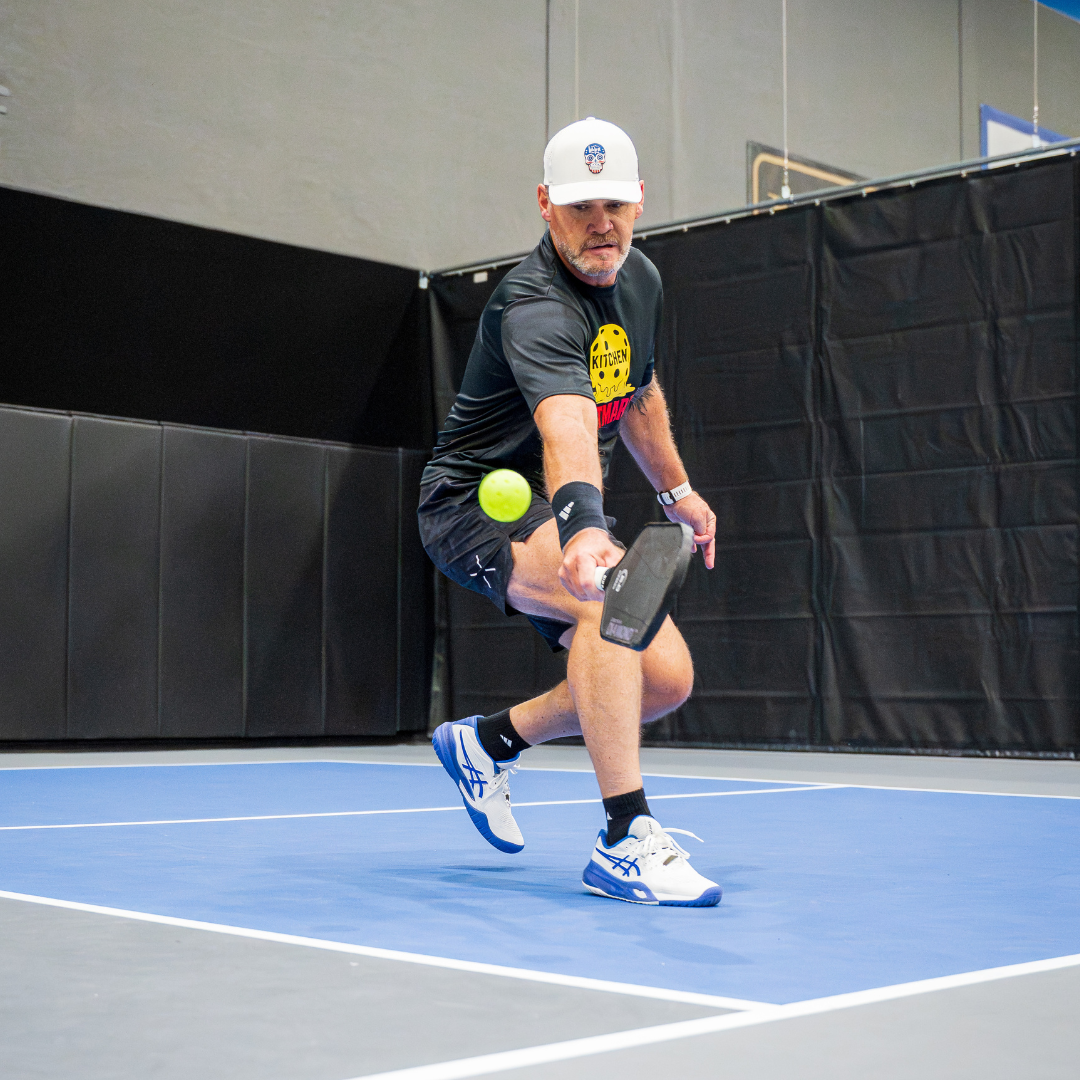
Tip #2: Hold the Ball Longer to Disguise Direction
Want to instantly level up your kitchen game?
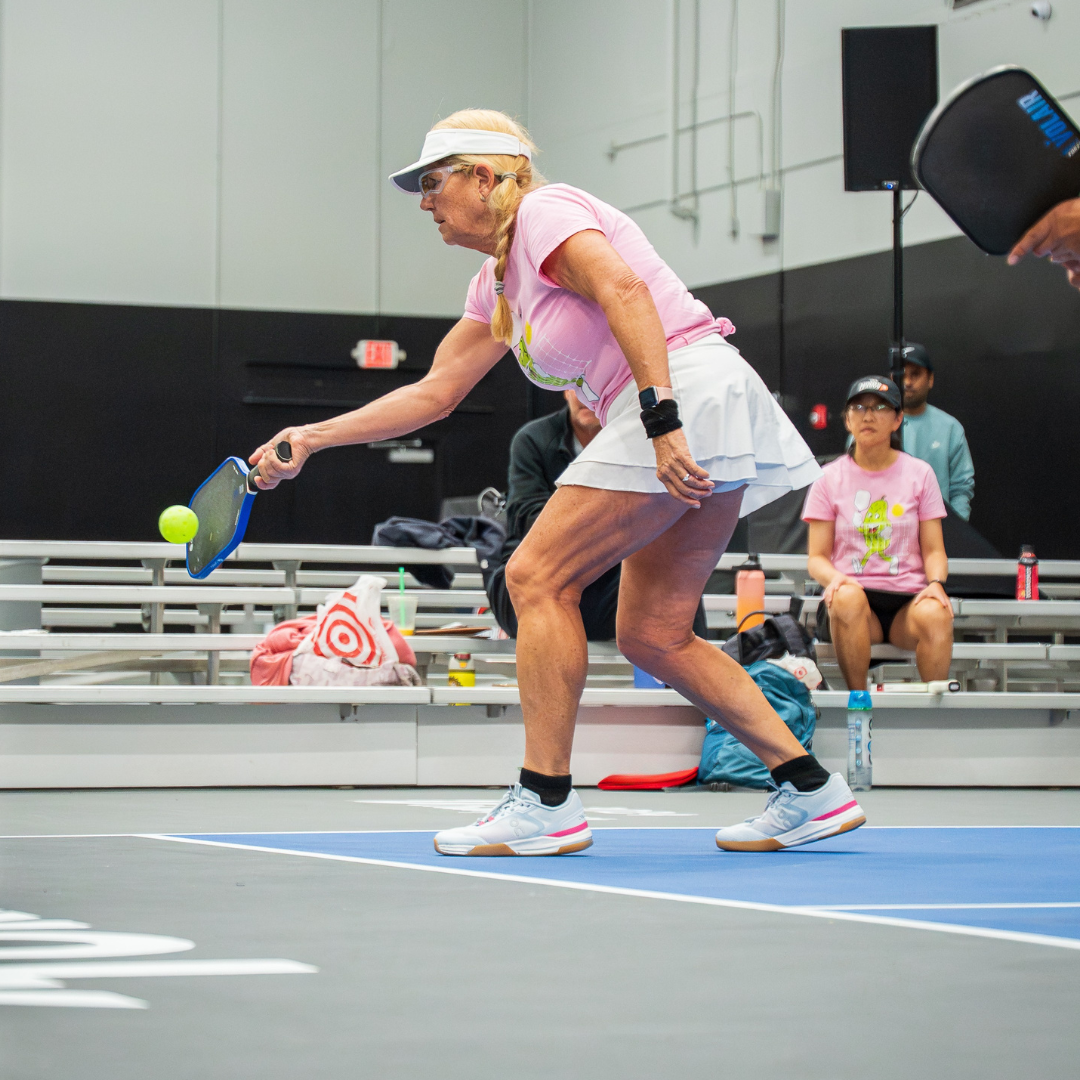
Hold the ball on your side just a fraction longer.
Why this works
When you rush contact:
- Your body gives away your shot
- Your paddle path becomes readable
- Defenders move early
By delaying contact, you force your opponent to anticipate instead of react and that’s where mistakes happen.
The sneaky part
Holding the ball allows you to:
- Sell movement in one direction
- Pull the ball against your body momentum
- Redirect speed-ups at the last moment
Your opponent commits early… and suddenly they’re wrong-footed.
Kitchen truth:
Disguise beats power every time at higher DUPR levels.
Why This Matters for Pickleball Ratings & Rankings
Adding pace variation and disguise to your game makes you:
- Harder to scout
- Tougher to counter
- More effective in competitive pickleball tournaments
And that translates directly to stronger pickleball ratings and rankings.
Follow These Steps
Improving your kitchen game is step one.
Proving it on the court is step two.
Use the DUPR app to:
- Track your pickleball rating
- Compete against accurately rated players
- Enter the pickleball tournaments that you want
Then take what you’ve learned, add variety in the kitchen, and let your results do the talking.
See you on the baseline and in the kitchen 🏓
Pickleball Tips
February 20, 2026
What to Expect at the Indiana College & High School Pickleball Super Regional
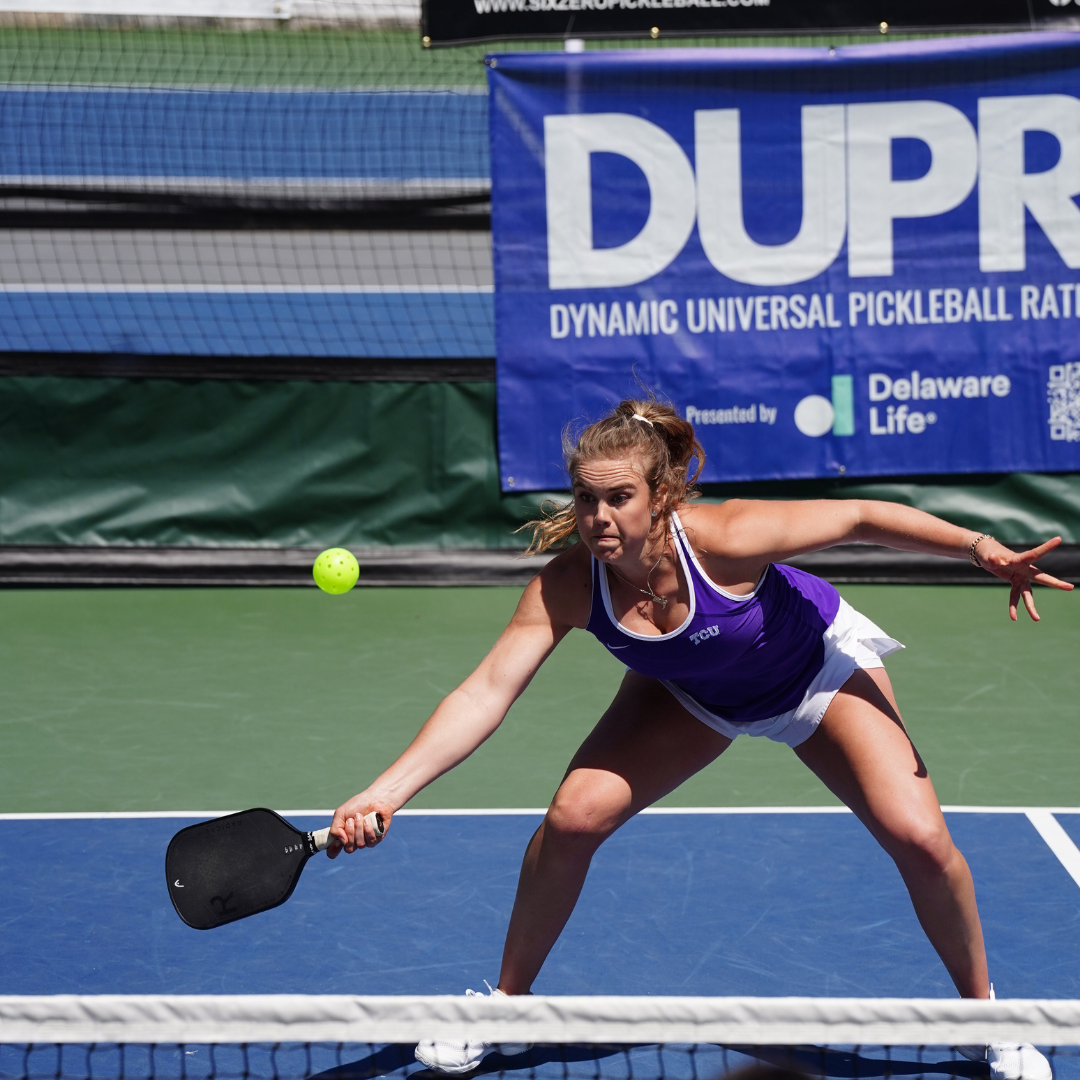
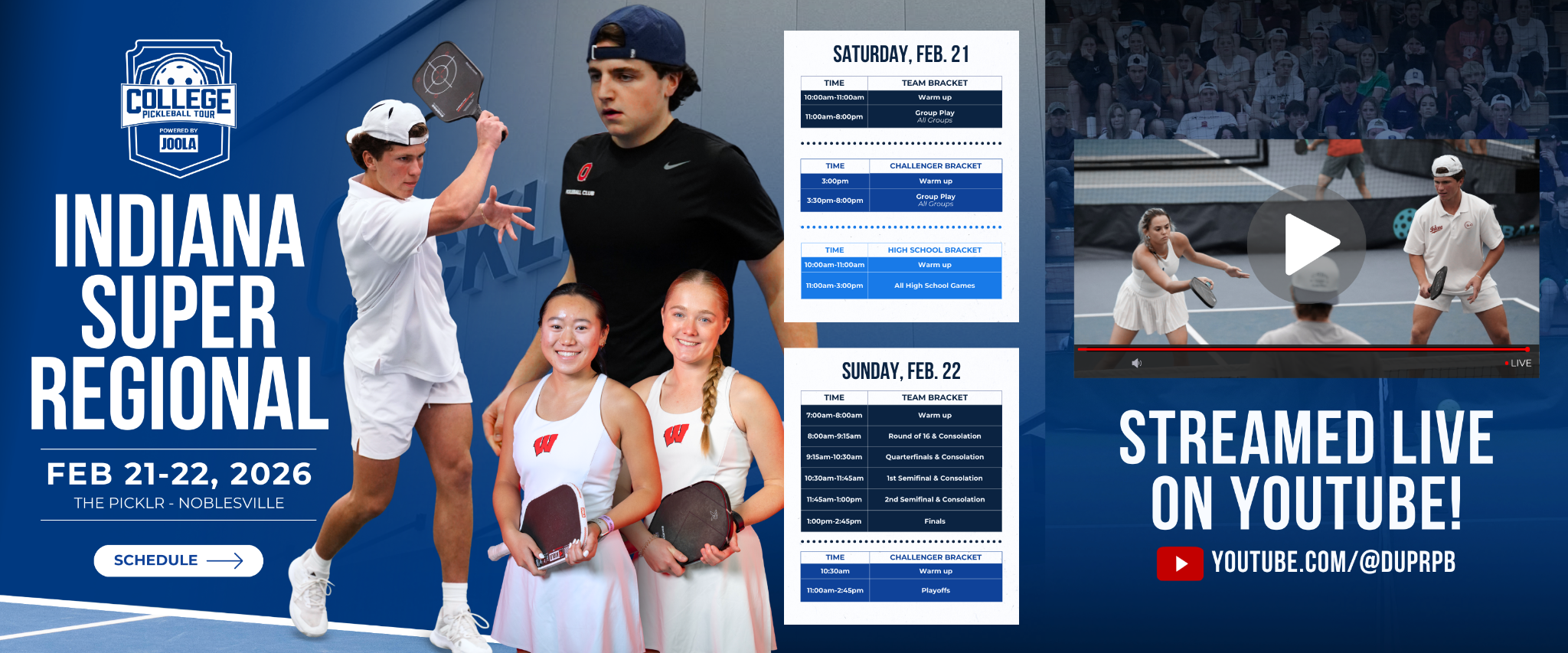
The college pickleball season continues this weekend with the Indiana Super Regional at The Picklr – Noblesville. It’s the first time a Super Regional has been held in Indiana, and the field reflects how much the Midwest has grown as a college pickleball hub.
A total of 188 players will compete across 39 MLP teams and 16 Challenger teams, with programs from across the country making the trip, including Ohio State, Wisconsin, Purdue, Michigan, Stanford, Notre Dame, WashU, Butler, and more.
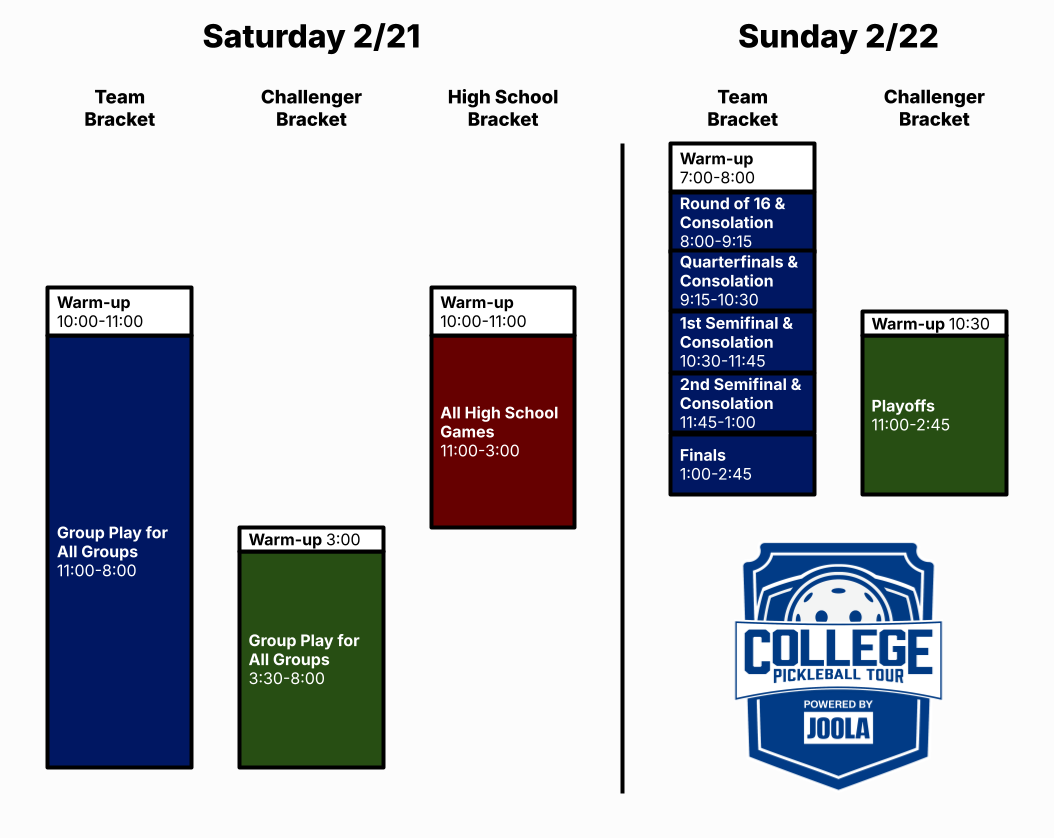
Schedule
Teams & Players to Watch
Several programs arrive already holding bids, including Indiana, Michigan, Wisconsin, GVSU, Purdue, and Stanford. For those teams, the weekend becomes more about building consistency and testing lineups ahead of Nationals.
Wisconsin enters with strong momentum after finishing third at College Worlds in November, while Indiana and Ohio State bring some of the highest-rated players in the college game right now.
On the men’s side, Kallan Arledge (Ohio State) and Carter Maris (Indiana) currently sit as the top two players in college pickleball by DUPR rating, which adds an interesting dynamic if those lineups cross paths during the weekend.
For the women, Wisconsin’s Sara Sowinski and Keena Cheng continue to anchor one of the deeper rosters in the field.
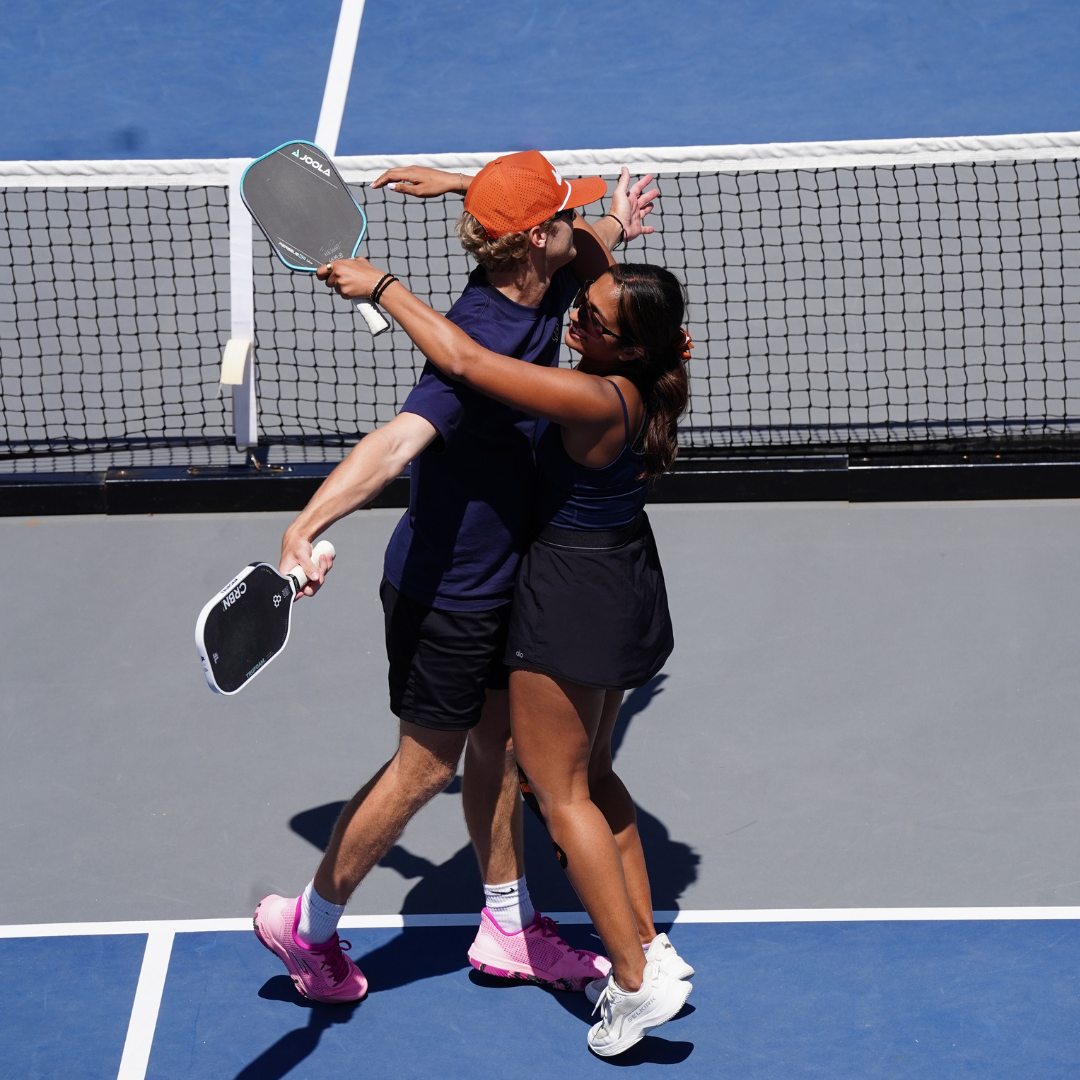
Purdue’s Depth Stands Out
One of the more notable details heading into Indiana is Purdue’s participation. The program is bringing seven teams, the highest number ever entered by a single school at a Super Regional. Notre Dame and Indiana are also showing strong depth, each fielding five teams.
That kind of internal growth has become a trend across college pickleball with fewer single-lineup programs, more full rosters competing at multiple levels.
High School Presence
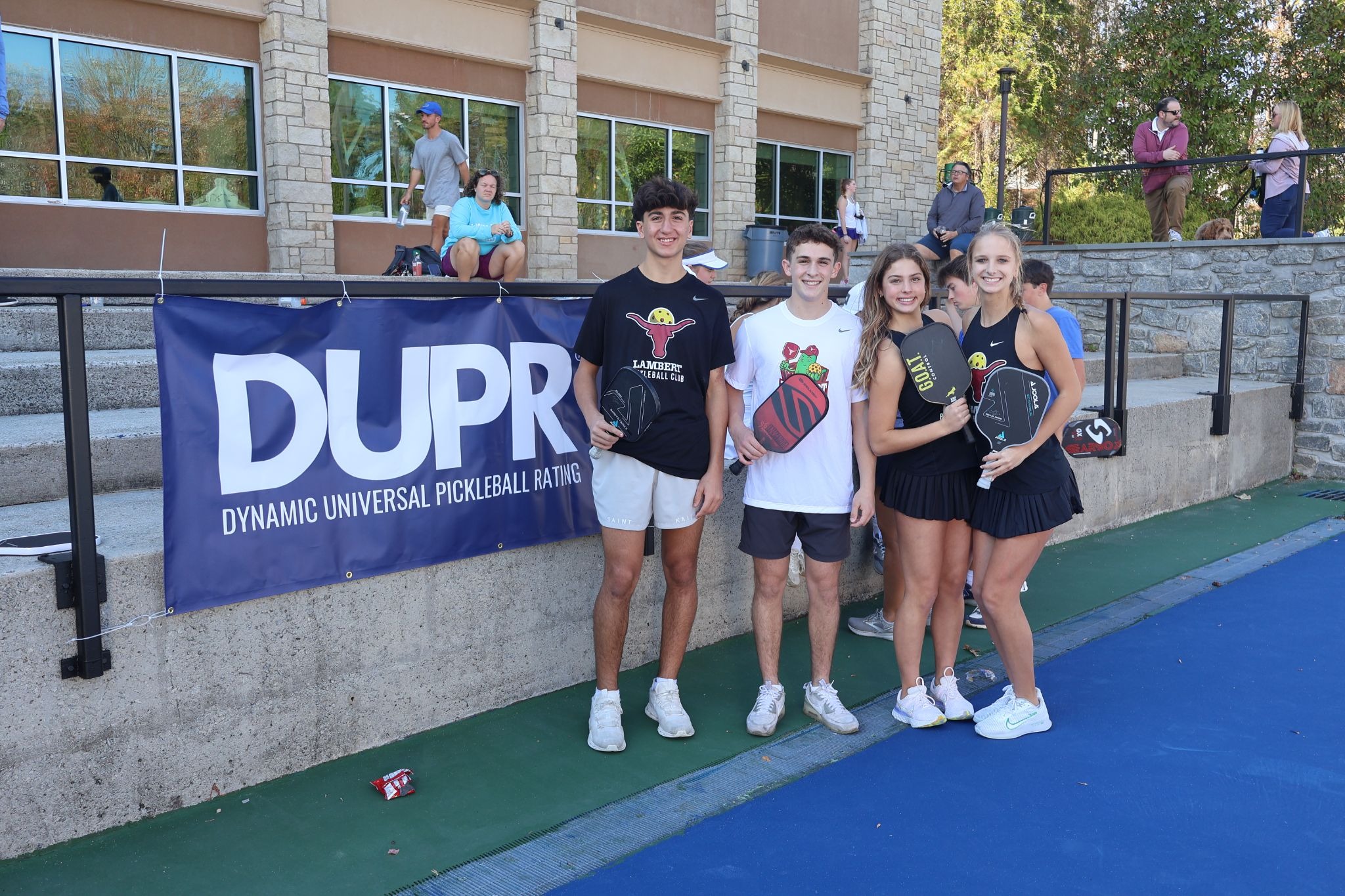
Alongside the college competition, several high school teams will also be on court this weekend, highlighting the early growth of the high school pipeline feeding into college pickleball. One player to watch is Cole Brownell, who enters the event with a 4.961 DUPR rating and is likely to draw attention from college programs.
Live Stream Information
You can follow all the action from the Indiana College & High School Super Regional live on DUPR’s YouTube channel, where matches, key moments, and featured matchups will be streamed throughout the weekend. Whether you’re tracking your school, scouting Nationals contenders, or just keeping up with the college scene, the live broadcast is the best way to stay connected to everything happening on court.
Looking Ahead
Super Regionals tend to shift momentum as the season moves toward Nationals. Some teams are looking to confirm their place among the top programs, while others are trying to close the gap.
With a deep Midwest field, strong individual talent, and the first Indiana stop on the calendar, this weekend should give a clearer picture of where several programs stand heading into the next phase of the season.
To learn more about college pickleball check out this page, and to stay up to date on high school pickleball events, follow @highschoolpickleball on Instagram.
College
Pickleball Tournaments
February 20, 2026
Pickle Pro Tour incorpora DUPR como rating oficial y refuerza su proyección internacional
Pickle Pro Tour, único circuito oficial nacional de pickleball de la Real Federación Española de Tenis (RFET), ha firmado un acuerdo estratégico con Dynamic Universal Pickleball Rating (DUPR) para convertir su sistema en el rating oficial del circuito.
El acuerdo ha sido suscrito por César Clemente García, Vicepresidente de Ingresos de DUPR y por Finuco Martínez, CEO de B3 Sportainment, compañía propietaria del Pickle Pro Tour.
“Para DUPR, esta alianza con el Pickle Pro Tour representa un paso estratégico en nuestra expansión europea. Integrar el circuito oficial de la RFET en nuestro sistema significa conectar el talento español con el ecosistema global del pickleball, bajo un estándar común, transparente y basado en datos.” — César Clemente García, Vicepresidente de Ingresos, DUPR
A partir de ahora, todos los partidos oficiales del PPT computarán en el sistema DUPR, modelo internacional que clasifica a los jugadores en una escala global de 2.000 a 8.000. Esto permitirá que los deportistas que compiten en España estén integrados dentro del ecosistema global del pickleball.
Rating internacional y ranking nacional: sistemas complementarios
El rating DUPR no sustituye al ranking nacional de la RFET.
- El ranking RFET ordena a los jugadores en función de sus resultados dentro del circuito oficial nacional.
- El rating DUPR mide el nivel real de juego del deportista con un estándar internacional que evoluciona partido a partido.
Ambos sistemas convivirán, aportando estructura nacional y visibilidad global.
La base amateur, clave en el crecimiento
El Pickle Pro Tour no solo está orientado al alto rendimiento. El circuito integra categorías profesionales y amateurs, siendo estos últimos la base estructural del crecimiento del deporte en España.
La incorporación de DUPR aporta un valor añadido especialmente relevante para el jugador amateur, que podrá:
- Medir su evolución con un estándar internacional.
- Competir con rivales ajustados a su nivel real.
- Integrarse en una comunidad global de jugadores.
El carácter internacional del circuito es ya una realidad. En la pasada temporada participaron atletas de 27 nacionalidades diferentes, consolidando al PPT como un entorno competitivo abierto y conectado más allá del mercado nacional.
Con este acuerdo, el Pickle Pro Tour refuerza su posicionamiento como plataforma oficial de competición, alineada con la RFET y conectada con los estándares internacionales, en un momento clave para el desarrollo del pickleball en Europa.
Acerca de DUPR
DUPR (Dynamic Universal Pickleball Rating) es el principal sistema de clasificación y plataforma tecnológica mundial de pickleball, en el que confían los clubes, torneos, ligas y jugadores más importantes del mundo. El sistema de clasificación dinámico de DUPR unifica el pickleball independientemente de la edad, el sexo y la ubicación, analizando los resultados de los partidos para evaluar con precisión a todos los jugadores en una escala de 2,000 a 8,000. DUPR es la clasificación oficial de pickleball de ligas, torneos y clubes de todo el mundo, incluyendo la United Pickleball Association (UPA), la Professional Pickleball Association (PPA), la Major League Pickleball (MLP), Pickleball.com, Life Time, The Picklr, la National Team Pickleball League y la National Pickleball League. También es propietaria y gestiona la Minor League Pickleball y la Collegiate Pickleball, dos de las ligas amateurs más importantes de este deporte. Los jugadores y operadores pueden visitar www.dupr.com para registrarse y obtener más información.
Partners
Community
Pickleball Tournaments
February 17, 2026
You Can Reset The 10-Second Serve Pickleball Rule: Here’s How
Insights From DUPR Referee Lydia Blackman at the 2025 The Dink Minor League Pickleball National Championship
Most players know there’s a time limit between points in pickleball.
What many don’t fully understand is how the 10-second serve clock actually works and what happens when the score is restated.
According to the official pickleball rules, once the score is called, whether by a referee or by the server in non-officiated play, the server has 10 seconds to begin the serve.
If the serve is not initiated within that window, it can be ruled a fault and the serve is lost.
But there’s one important detail that creates confusion at every level of play.
When Does the 10-Second Clock Reset?
The purpose of the rule is not to rush players; it’s to ensure clarity and readiness before the next point begins.
If a player asks the referee, “What’s the score?”, the referee will restate it.
When the score is called again, the 10-second count restarts from that new call.
This applies even if the referee already announced the score moments earlier.
The key takeaway:
The clock is tied to the most recent score call, not the first one.
This isn’t a trick or workaround; it’s simply how the timing rule is applied during officiated matches.
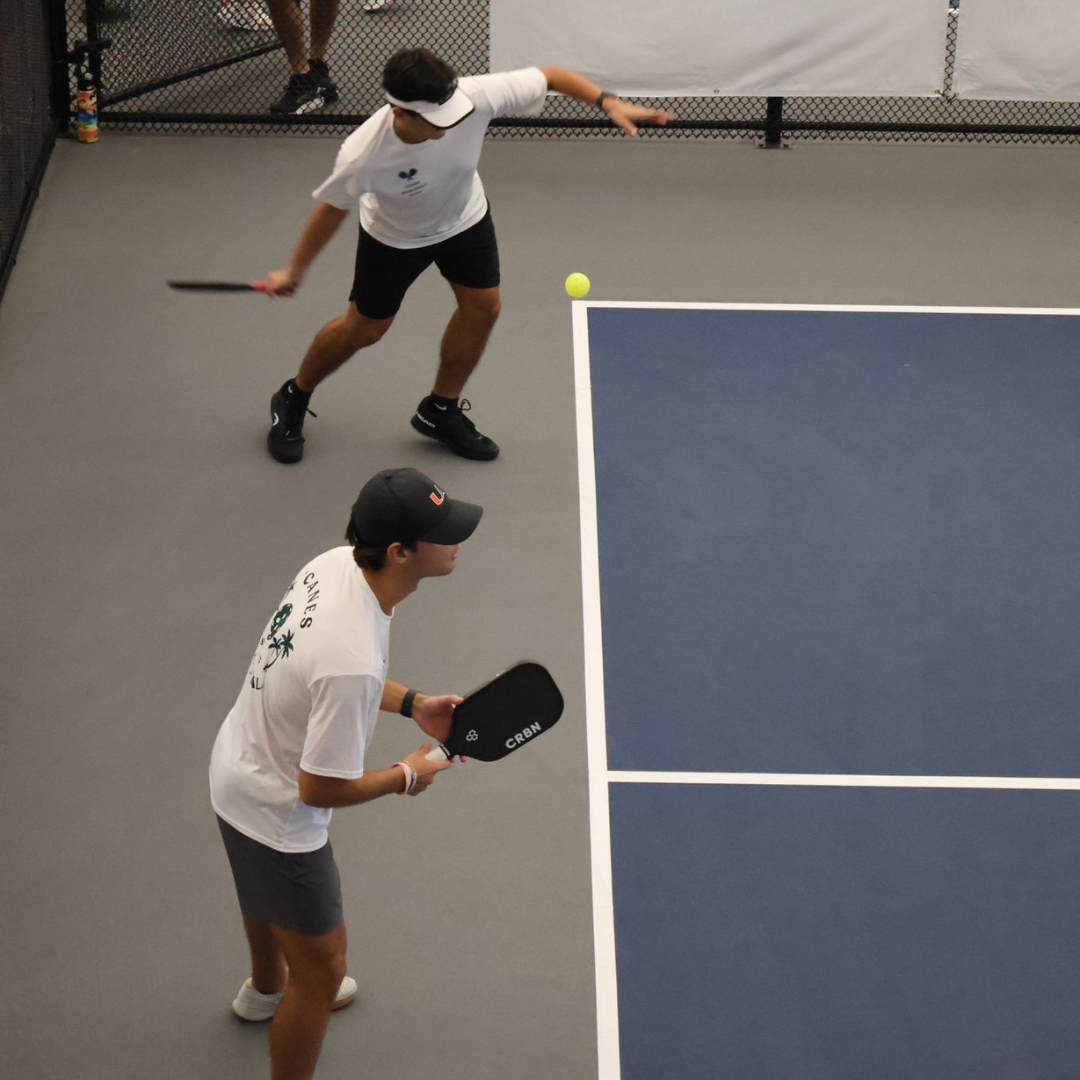
Why Players Ask for the Score
In competitive play, there are many legitimate reasons a player may need the score repeated:
- You didn’t clearly hear the original call
- You were retrieving the ball or resetting your position
- A distraction happened between points
- You want to confirm the score before serving
Asking for the score is not considered slowing the game. It’s part of maintaining fairness and ensuring both sides are ready.
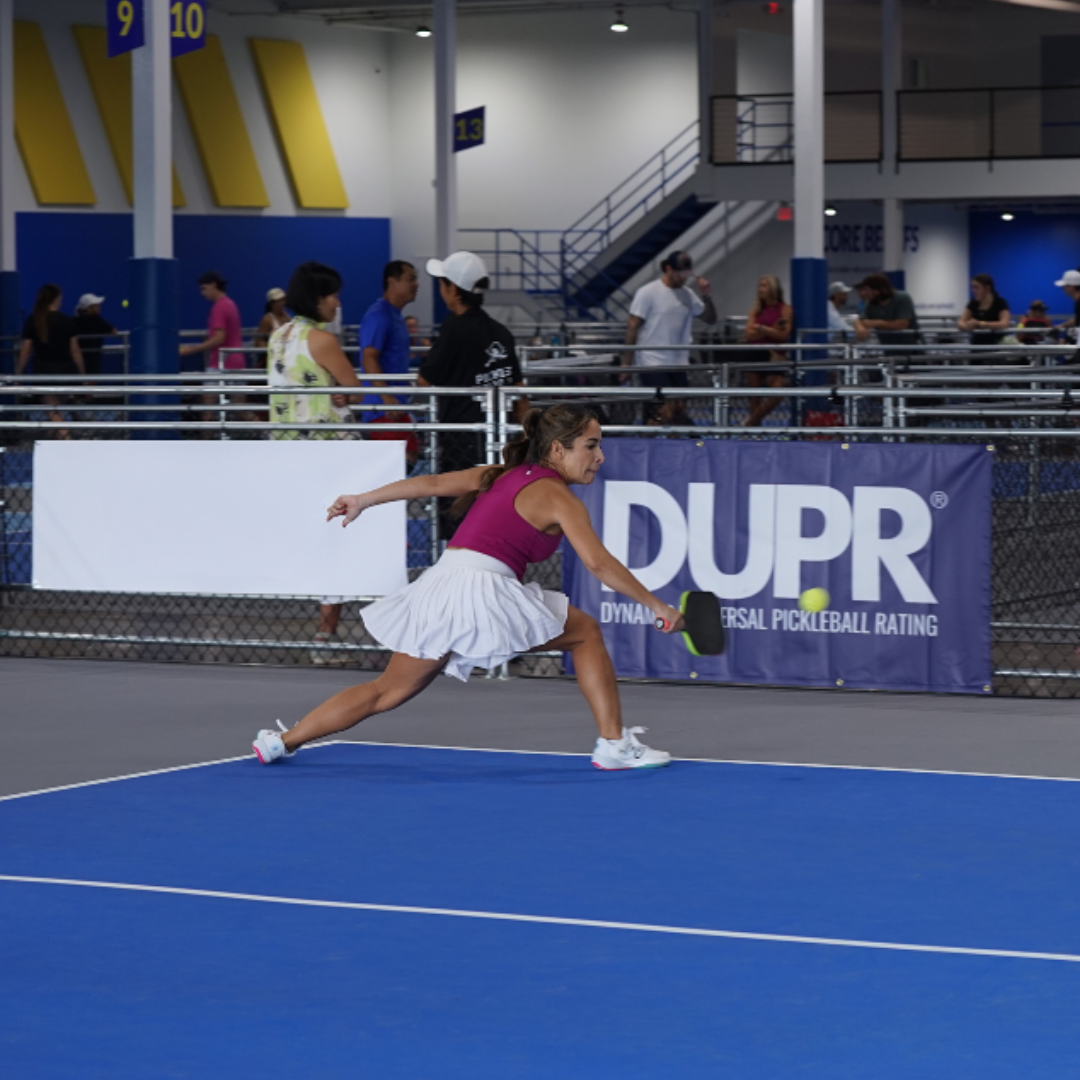
A Common Match Scenario
Imagine this situation:
The referee calls the score.
You’re bouncing the ball before serving, and it clips your foot and rolls away.
Suddenly you feel rushed because the clock is already running.
Instead of scrambling, you can retrieve the ball and calmly ask:
“Ref, what’s the score?”
Once the referee repeats it:
- The score is confirmed for everyone
- The 10-second count restarts
- You can begin the next point without rushing
Why This Rule Gets Misinterpreted
Many players hesitate to ask for the score because they assume:
- It looks inexperienced
- It disrupts the pace of play
- It’s only allowed if a mistake was made
In reality, referees expect players to confirm the score whenever needed.
The rule exists to promote clarity and readiness, not to pressure players into serving before they’re prepared, especially in pickleball tournaments that affect your DUPR pickleball ratings.
How Understanding Timing Helps in Competitive Play
At higher levels, especially in structured tournaments and official DUPR matches, small details matter.
Knowing how timing works can help players:
- Avoid rushed serves
- Stay composed after interruptions
- Reduce unforced errors caused by pressure
- Maintain consistency in tight moments
Smart play isn’t just about shot selection. It’s also about understanding how the rules support fair competition.
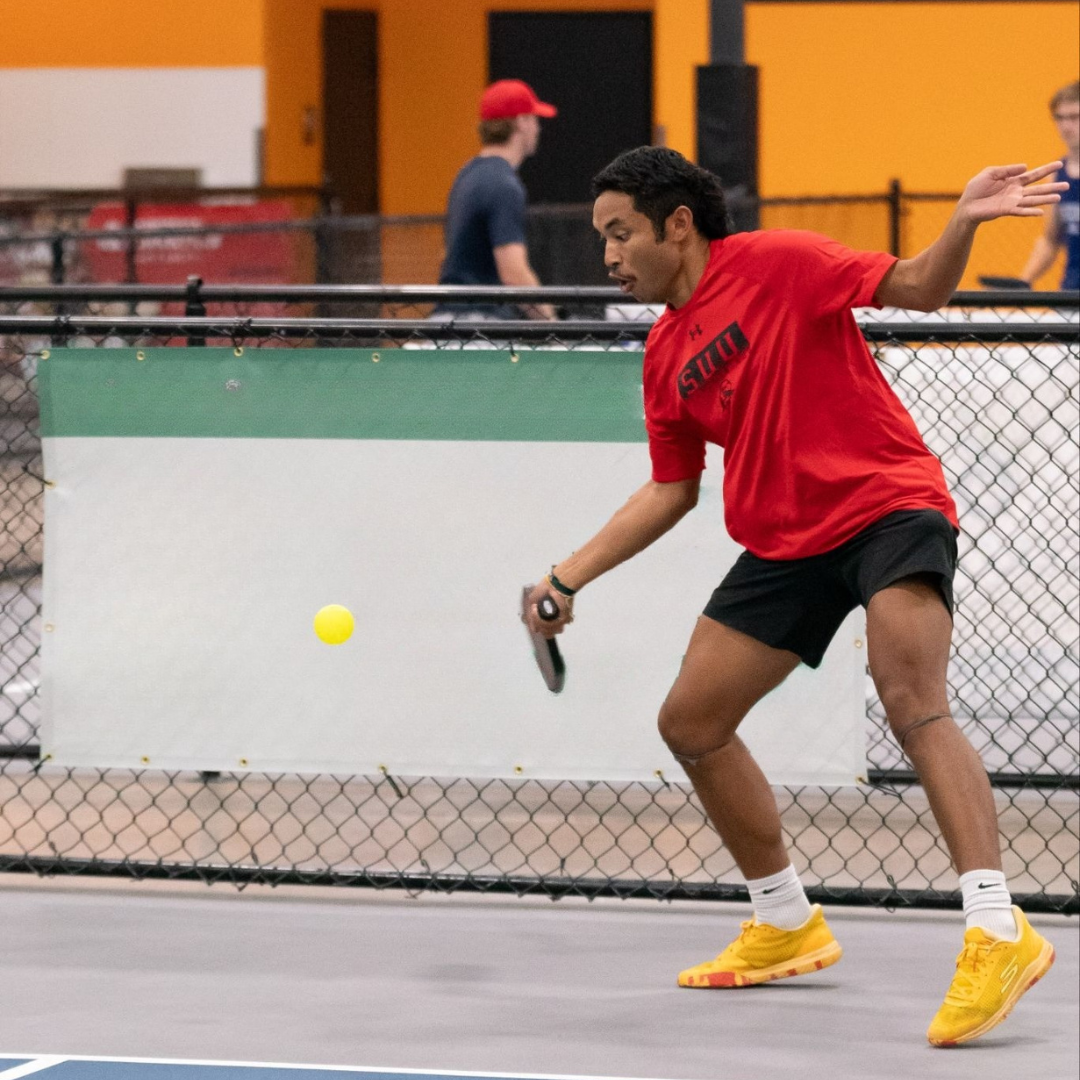
Play With Confidence
The 10-second rule isn’t meant to catch players off guard; it’s there to keep the game flowing while giving both sides a clear starting point for every rally.
Understanding when the clock starts and when it resets helps players compete calmly and within the structure of the game.
Because in pickleball, confidence often comes from knowing exactly how the rules work, not just how to hit the next shot.
Read this article to learn more about serving pickleball rules
Test your knowledge on pickleball rules by doing this quiz!
Pickleball Rules
Community
Pickleball Tips
February 16, 2026
More Than Courts: Why Players Keep Coming Back to This DUPR Verified Club
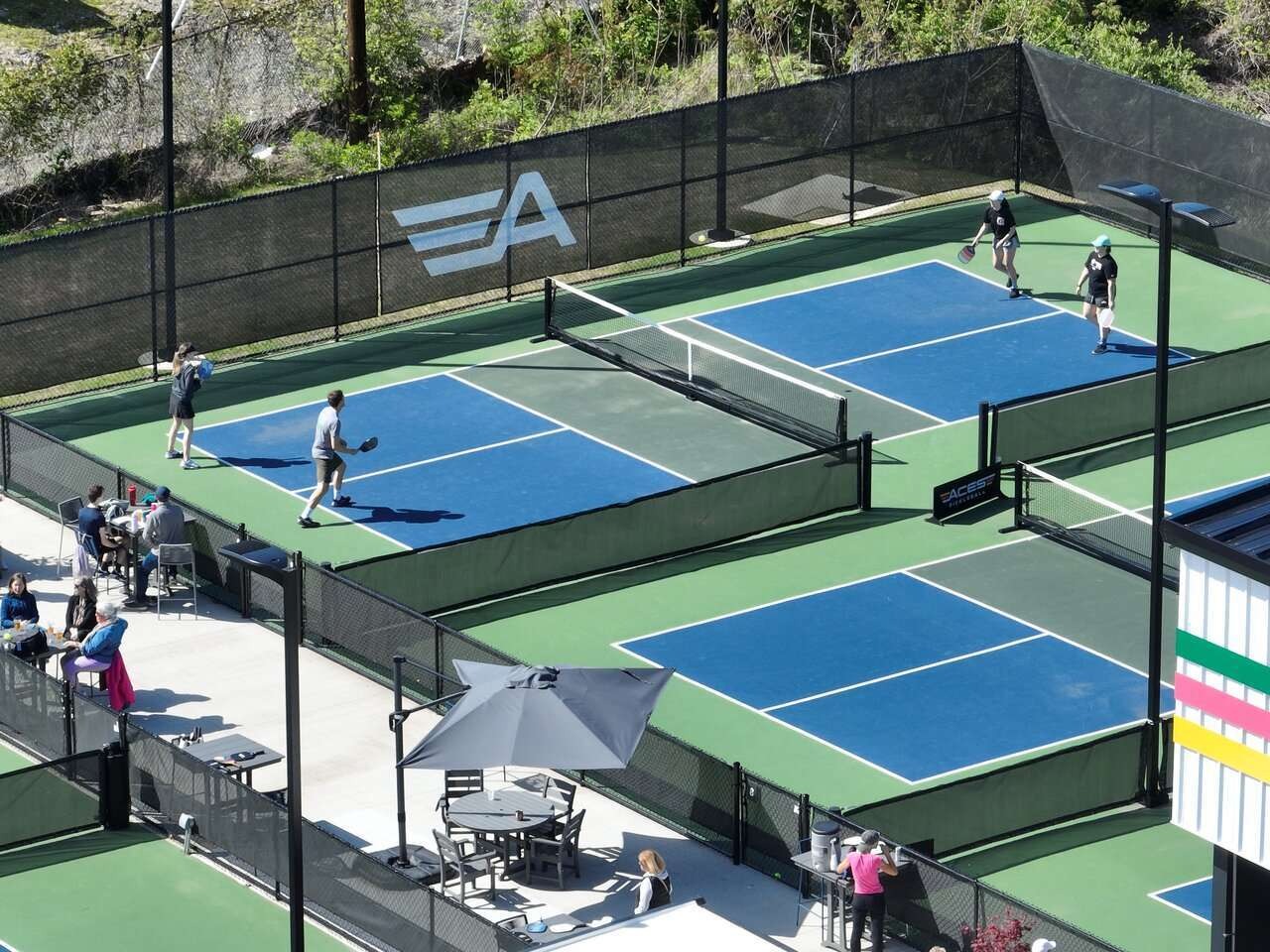
Located at the intersection of competitive play and social connection, Aces Pickleball Bar + Grill has officially joined the growing network of DUPR Verified Clubs, a step that reflects the facility’s vision to expand opportunities for players while strengthening its presence within the regional pickleball community.
Opened in spring 2023, Aces has quickly become a welcoming destination for players of all levels. With both indoor and outdoor courts, a full-service restaurant and bar, and a programming model centered around accessibility and fun, the club has built an environment where beginners feel comfortable stepping on court while experienced players still find meaningful competition.
A New Chapter Under New Leadership
The club recently welcomed a new pickleball director, who stepped into the role in November 2025 with a clear goal: grow programming, bring more players through the doors, and create pathways for both social and competitive play.
While Aces had already offered lessons, leagues, and clinics, the most popular programming today is its open plays, many of which fill quickly and even develop waitlists. These sessions blend structured and social play, often featuring dedicated courts by skill level while still maintaining a welcoming atmosphere for newcomers.
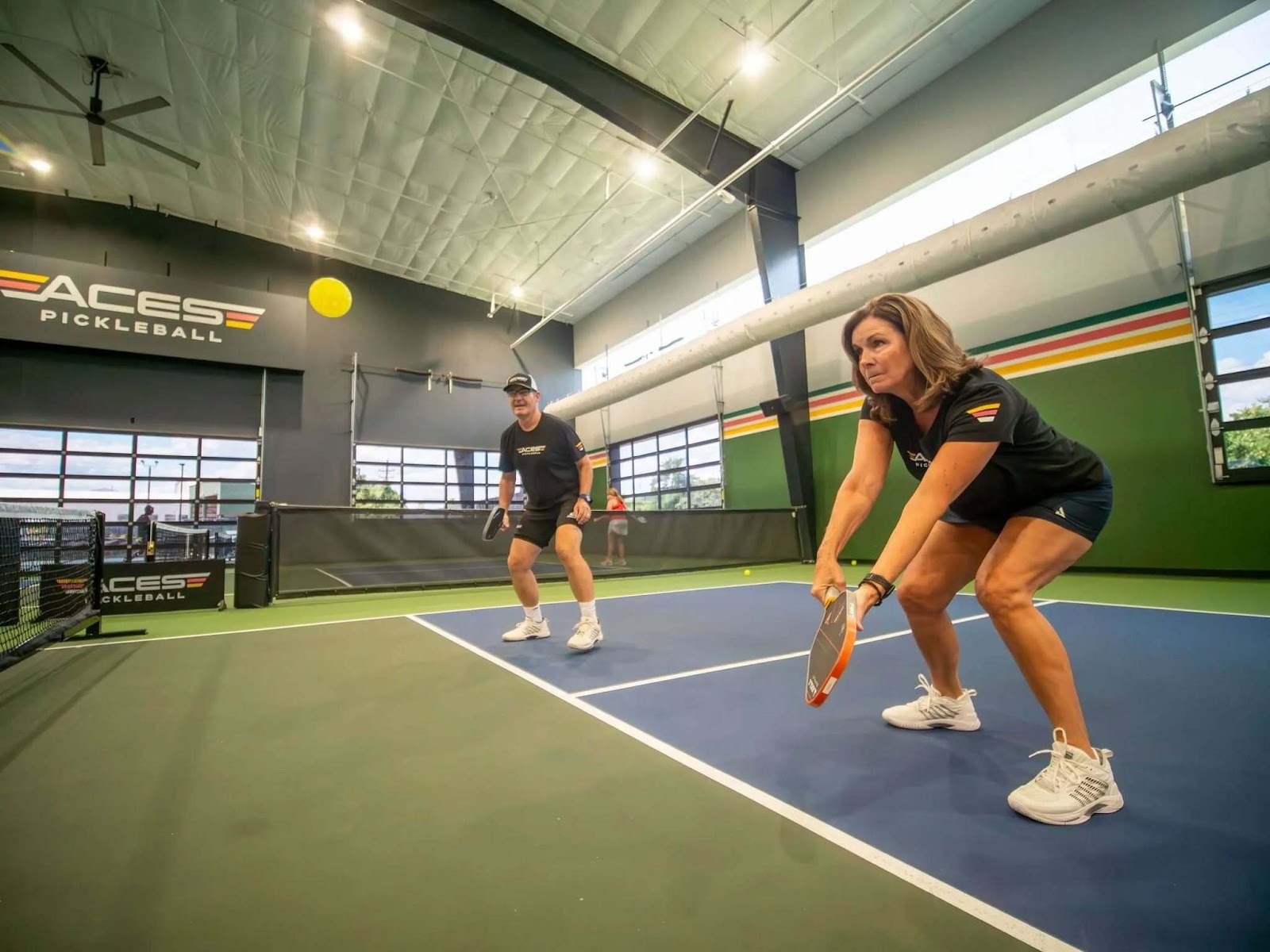
Why Aces Pickleball Bar + Grill Became DUPR Verified
For the team at Aces, the decision to become DUPR Verified was about visibility and opportunity.
The team aims to attract more regional players, host tournaments that carry greater competitive value, and give local players access to a system that travels with them wherever they play.
“Being a Verified Club helps us connect with a wider community,” the director explains. “We want people to come here, have fun, compete, and experience what Aces is all about. It’s about creating opportunities, not just for our club, but for the players around us.” said Sebastian Bromley, Club Director.
As more clubs adopt DUPR as a competitive framework, Aces sees verified programming as a way to help players build match history, find the right level of play, and participate confidently when traveling to new events.
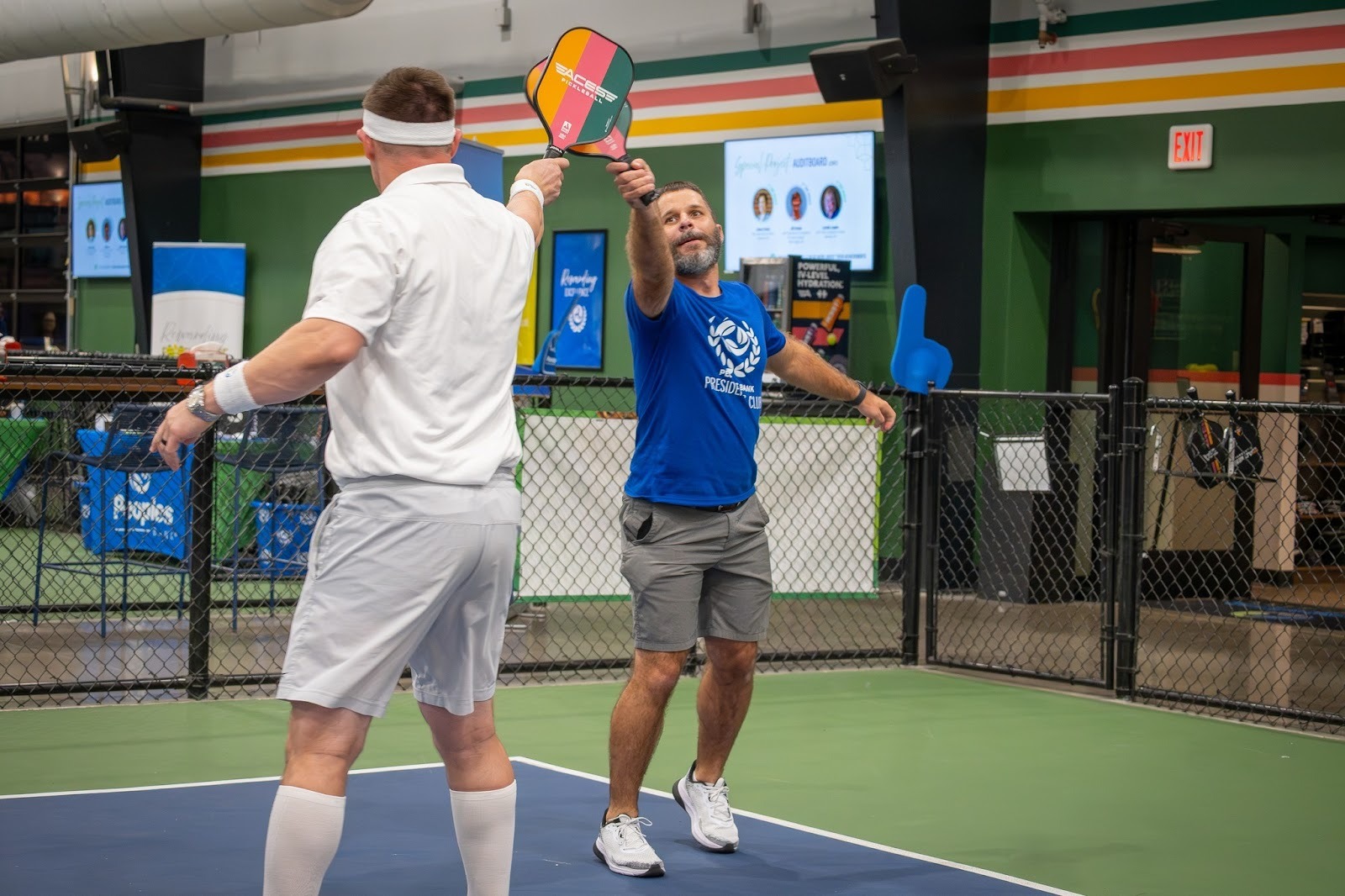
Programming Built Around Community
Aces stands out in a crowded market thanks to its unique combination of sport and social experience. The facility offers a beginner-friendly environment while still building pathways for intermediate and advanced players through leagues, open plays, and future tournaments.
The club’s programming philosophy centers on accessibility, helping new players learn the game without feeling intimidated, while still giving returning members opportunities to improve and compete.
This approach reflects a broader trend in pickleball growth: creating spaces where players can both develop their skills and build lasting connections off the court.
Looking Ahead to 2026
As a newly Verified Club, Aces has ambitious plans for the upcoming year. The focus includes expanding open plays and leagues, introducing more instructional clinics, and hosting tournaments that bring in players from across the region.
DUPR integration will also play a larger role in programming, with plans to incorporate verified open plays, match reporting through leagues, and more structured opportunities for players to establish or improve their ratings.
Beyond competition, the club hopes to continue growing as a community hub, offering social events, member activities, and a welcoming environment for anyone discovering pickleball for the first time.
A Club Built for Every Kind of Player
With a strong beginner-to-intermediate player base and a majority of members participating through its Platinum membership tier, Aces Pickleball Bar + Grill is positioning itself as a destination where players can start their journey and continue to grow within the sport.
As the DUPR Verified Club network expands, facilities like Aces highlight how structured competition and inclusive programming can work hand in hand, helping players build confidence, track progress, and stay connected to a larger pickleball ecosystem.
Interested in becoming a DUPR Verified Club? Click here to apply.
Clubs
Community
February 13, 2026
2026-27 Season College Pickleball Tour Eligibility Rules
1. Credit Hours
- All players must be taking at least 12 credit hours (or is recognized as full time by their school) in order to play in any events for the College Pickleball Tour.
- If the player is a grad student, they are allowed to take a minimum of 6 credit hours (or half of full-time equivalency) and maintain eligibility.
- If the player is in their last semester of school, they are allowed to take fewer credit hours than normally required if they only have those classes left to finish their degree.
- At the start of each semester, players will submit the Eligibility Form with the letter from their Registrar’s Office proving they are taking the minimum number of credit hours. This only needs to be done at a minimum once per semester, as it will cover all tournaments in that semester. Players may be requested to provide additional credit hour verification during the semester at the discretion of the College Pickleball Tour.
- If your school doesn’t have the two traditional semesters (fall/spring), use the First Day of Classes and Last Day of Classes dates on your semesters to determine which semester a tournament falls into.
- With these credit hours, players must be enrolled in a Degree-Seeking Program at the school they represent.
- If a player has not submitted their Eligibility Form for a semester containing a tournament they played in, they will not receive any money they earned from the tournament until the Eligibility Form is submitted.
- If a player is found to have played in a tournament while not taking the minimum number of credit hours required, they may be suspended from the College Pickleball Tour for up to a year.
2. Five-Season Timer
- Starting in the 2026-27 season, each player will be allowed to play in the College Pickleball Tour for a maximum of five seasons. After the conclusion of your fifth season, you will have finished your college pickleball career and will not be allowed to play in anymore College Pickleball Tour events.
- A season is defined as a traditional school year, from August of one year to May of the next. The summer (June & July) is the divide between seasons.
- This is not a five-year timer, but a five-season timer. Any event you play in a season will mean the start of your five-season timer, no matter if the event is in the fall or spring.
- For example, if you play in any event in the 2026-27 season, whether it is a Dual Match in August or Nationals at the end of the year in April, here is what your five season timer would look like:
- 1st Season: 2026-27
- 2nd Season: 2027-28
- 3rd Season: 2028-29
- 4th Season: 2029-30
- 5th Season: 2030-31
- Playing at least one game in any event associated with the College Pickleball Tour will start your five-season timer. This includes, but is not limited to: Worlds, Nationals, Super Regionals, Campus Regionals, Showcases, and Dual Matches.
- Once your five-season timer starts, it does not stop. You cannot pause the timer, delay the timer, restart it with a new school, or anything else that would change its end date. You can only control when it starts.
- The five-season timer will not be started for any player before the 2026-27 season. Players with past experience playing on the College Pickleball Tour will not have their timers already started - they will still have a full five seasons of eligibility.
3. High School Diploma or Equivalency
- All players must have a high school diploma or equivalency to play on the College Pickleball Tour. Even if you are taking enough credits and meet the other requirements, you still must have finished high school.
4. School’s Pickleball Club Status
- If your school has a pickleball club or pickleball is a part of your school’s athletic department, you must play to represent your school.
- If your school does not have any sort of pickleball club or team, you may play for another school within your original school’s system. The schools must be tied together within the same system in order for this to happen.
- If a student wishes to play for a different school within the same school system, they must first submit an appeal and receive approval from the College Pickleball Tour before doing so.
5. Transgender Students
- The College Pickleball Tour follows the NCAA policies on transgender students. For more information about those policies, refer to their website.
6. Eligibility Enforcement
- Any player or team found to be in violation of College Pickleball Tour eligibility requirements may be subject to penalties including, but not limited to:
- Loss of eligibility for the event in question
- Forfeiture of the matches or results
- Forfeiture or withholding of prize money
- Suspension from future College Pickleball Tour events
- Forfeiture of a team’s bid to Nationals
- Penalties will be determined by the College Pickleball Tour in its sole discretion, based on the nature and severity of the violation.
College
Community
February 13, 2026
Galentine’s Day: Things Only Pickleball Girls Understand
Because love comes and goes, but your doubles partner is forever.
Galentine’s Day is all about celebrating your girls, and if your group chat revolves around pickleball, this one’s for you. 💖🏓
From early-morning open play to late-night tournament recaps, there are some things only pickleball girls truly understand. If you know, you know.
“Just One More Game” Is Never Just One More Game
You showed up for an hour.
Suddenly, it’s three hours later, you’re starving, and someone says, “Winner stays?”
Classic.
Pickleball girls don’t watch the clock; you chase good games, good vibes, and that one rematch you definitely should’ve won.
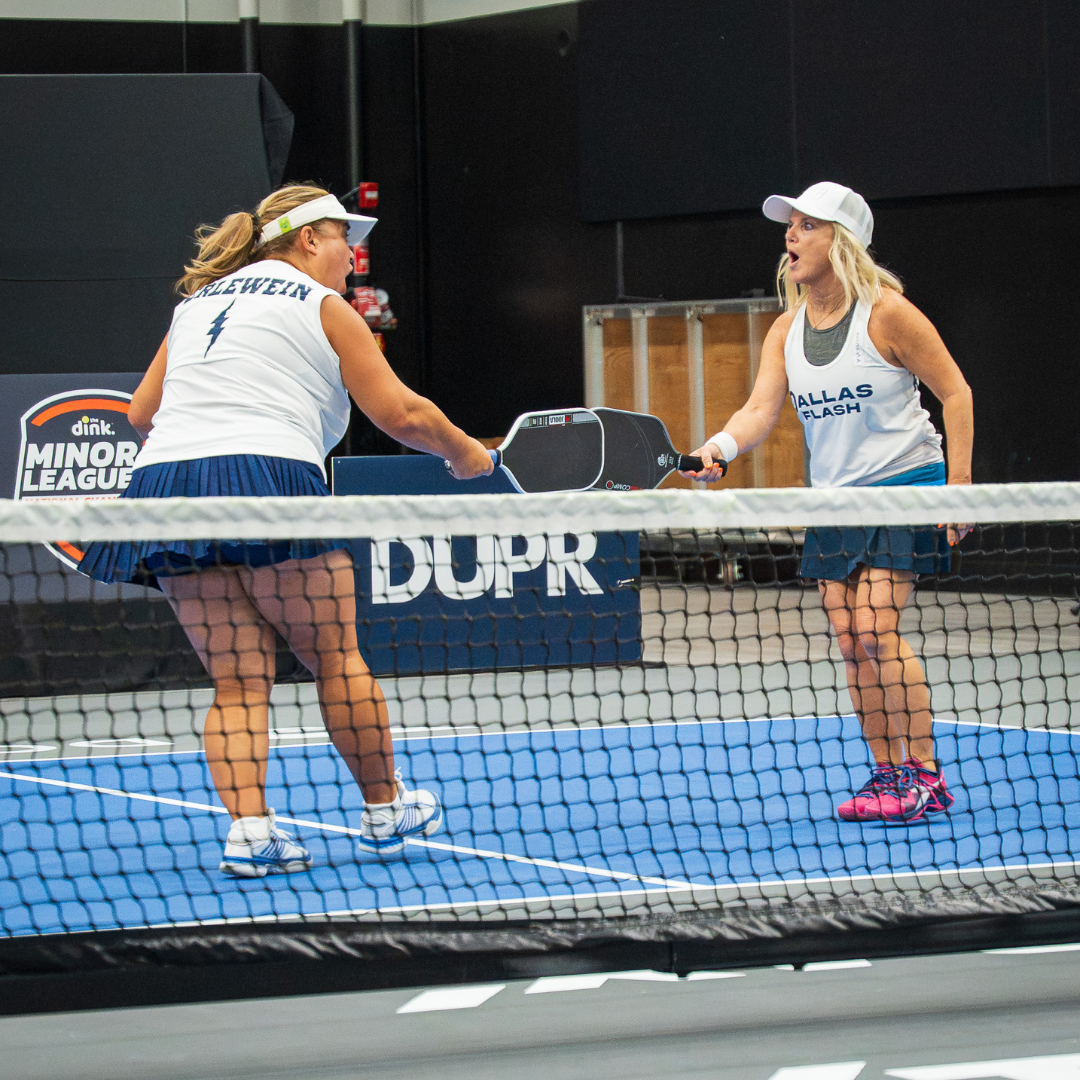
Your Pickleball Bag Is Basically a Survival Kit
Regular people: water bottle.
Pickleball girls:
- Extra grips (plural)
- Sunscreen
- Electrolytes
- Snacks “just in case”
- Backup paddle (because… obviously)
And yes, it’s all perfectly organized. Mostly.
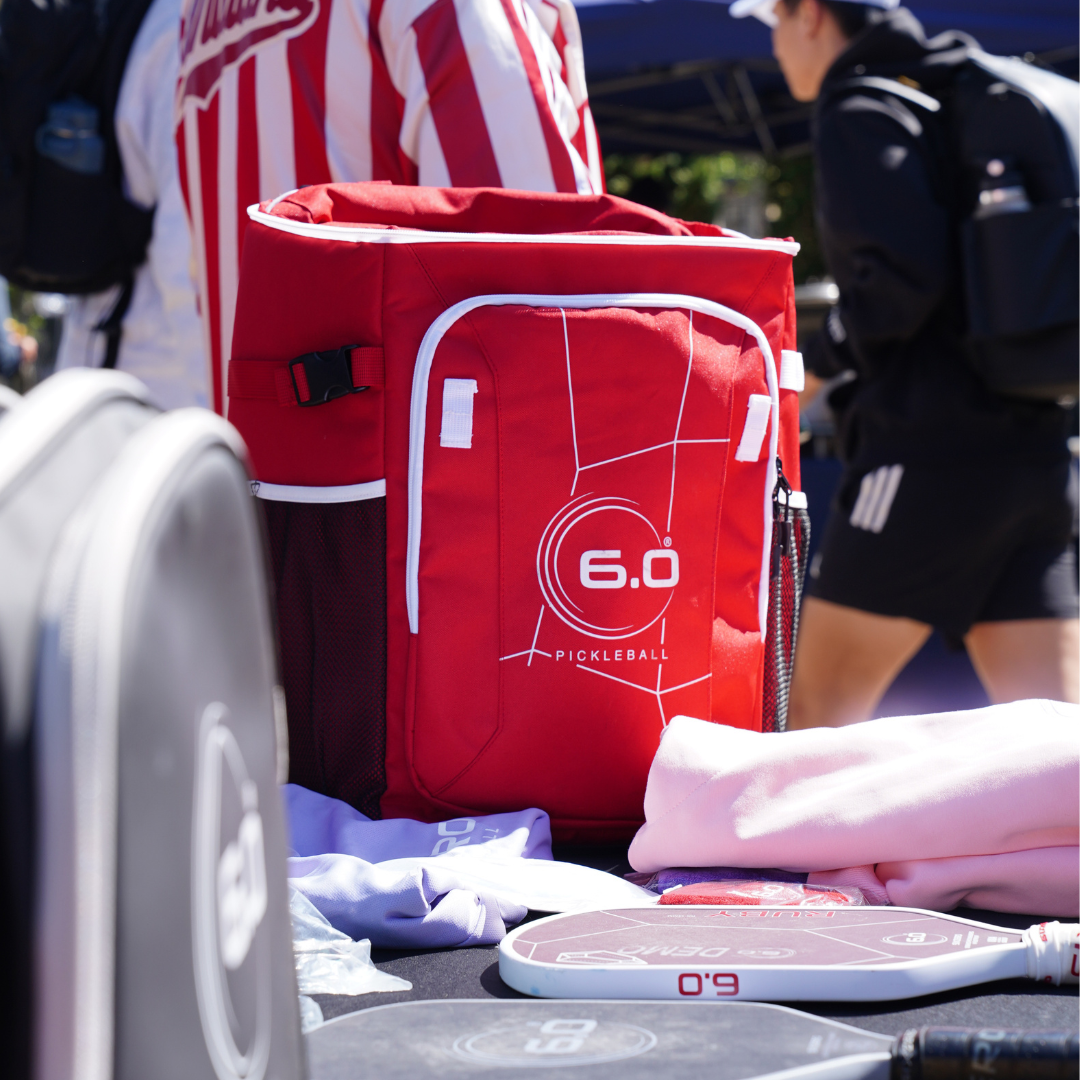
You Know Exactly Who to Call for a Last-Minute Tournament
Need a partner for a pickleball tournament this weekend?
You already know that friend, the one who says yes before you even finish the sentence.
Because Galentine’s Day is cute, but tournament day with your pickleball bestie hits different.
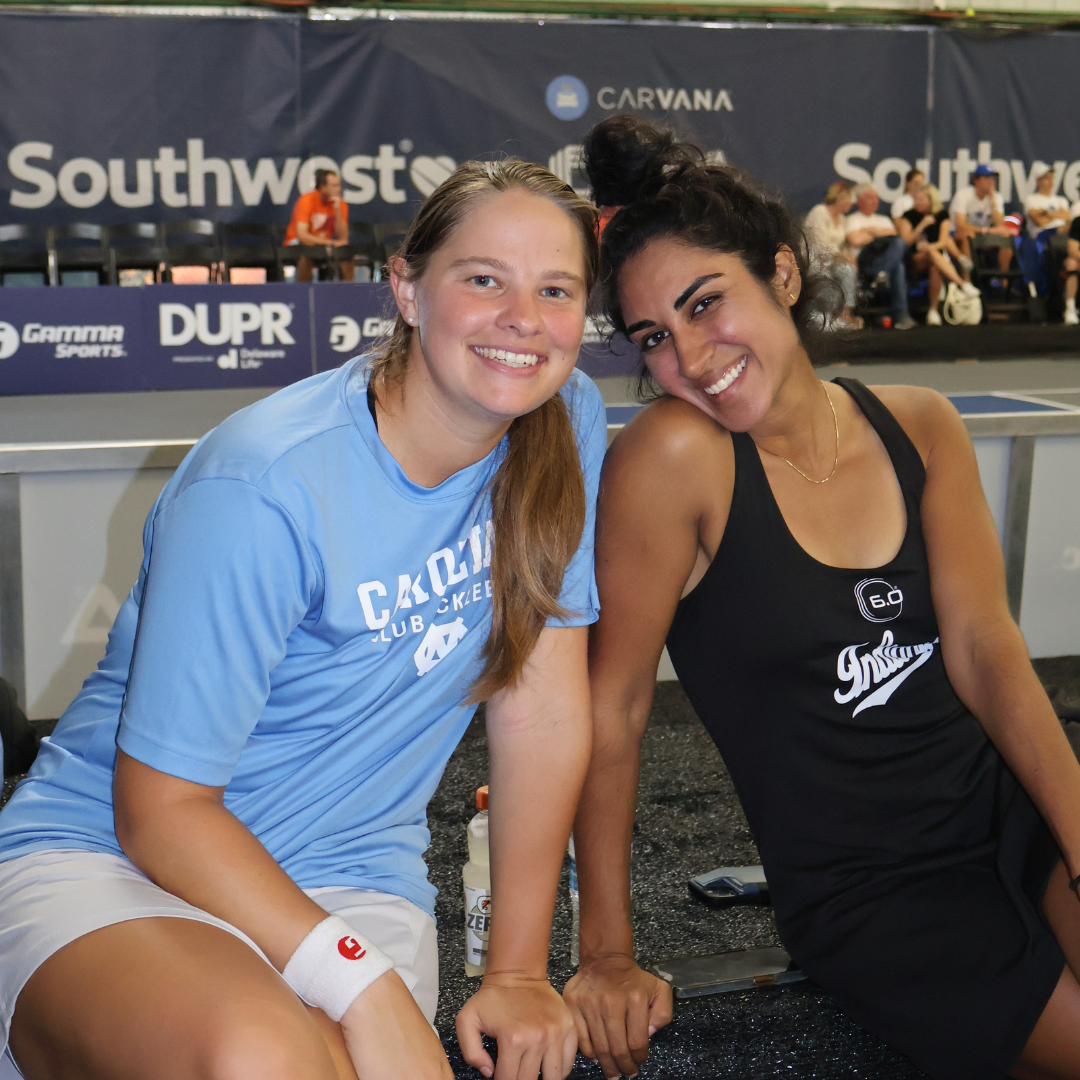
Cute Outfits Matter (And So Do DUPR Ratings)
You can love fashion and competition.
Pickleball girls understand:
- The fit has to be cute
- The paddle has to feel right
- And the pickleball rating? Yeah… that matters too
Tracking your progress, watching your DUPR rating climb, and knowing where you stack up keeps the game fun and a little spicy.
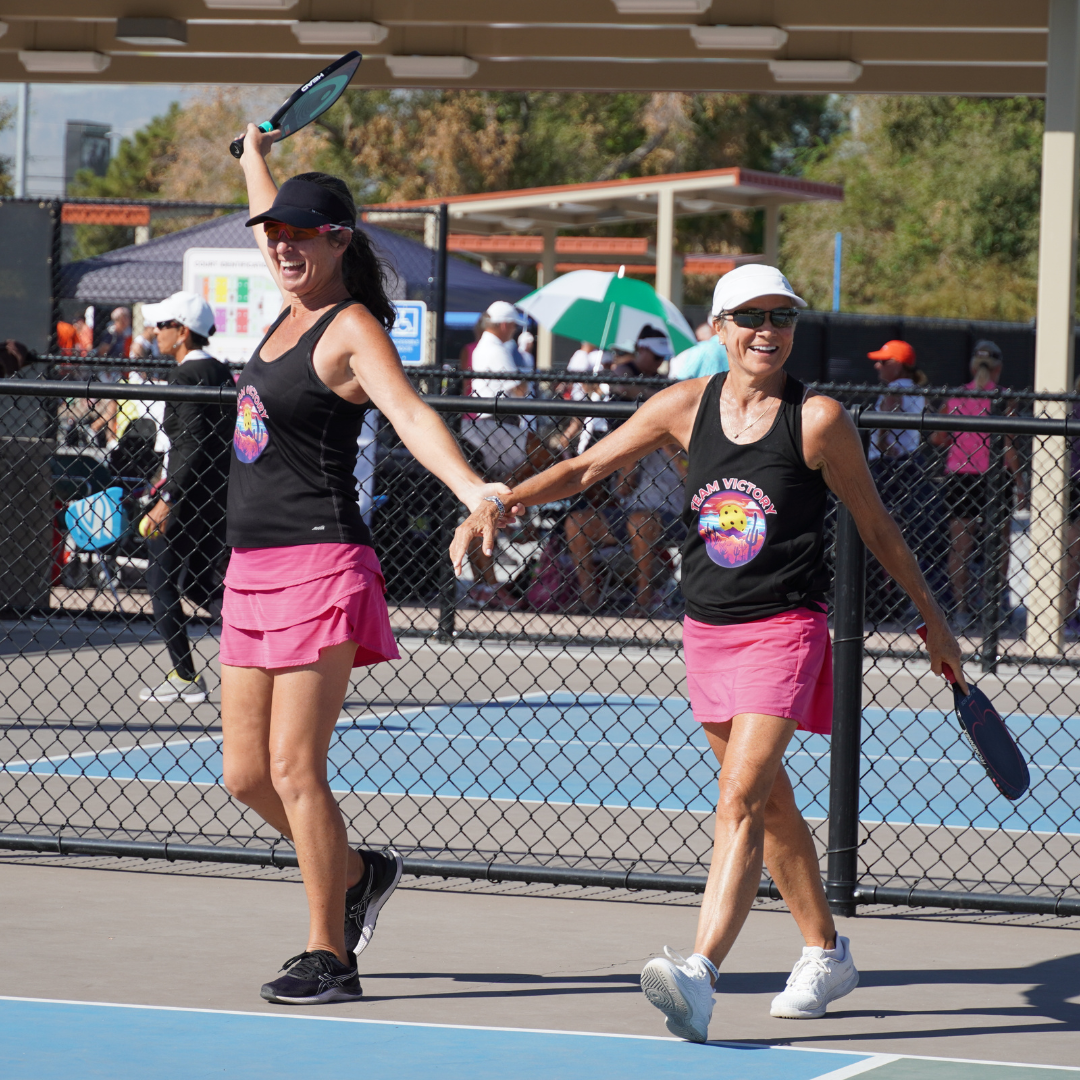
Kitchen Talk Is Basically Group Therapy
Some people bond over brunch.
Pickleball girls bond in the kitchen line.
Between points you’ll hear:
- Life updates
- Tournament plans
- Paddle debates
- “Did you see that speed-up?!”
It’s community, competition, and connection, all in one rally.
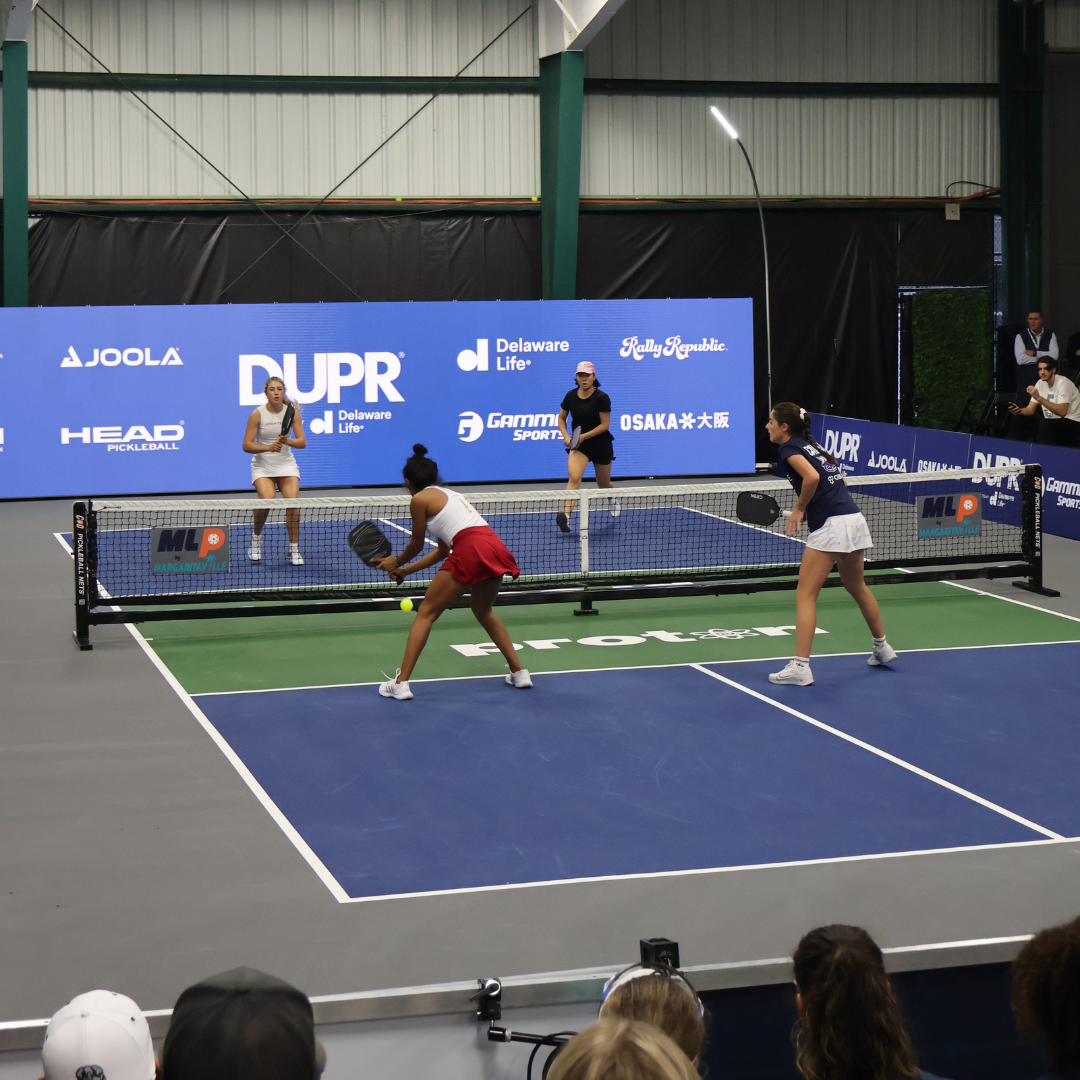
You’ve Celebrated Wins and Losses Together
Big wins feel better when your girls are there.
Tough losses sting less when someone says, “Shake it off we’ll get ‘em next time.”
Whether it’s rec play or a high-stakes pickleball tournament, your pickleball crew sees it all and sticks around anyway.
That’s real Galentine’s energy.
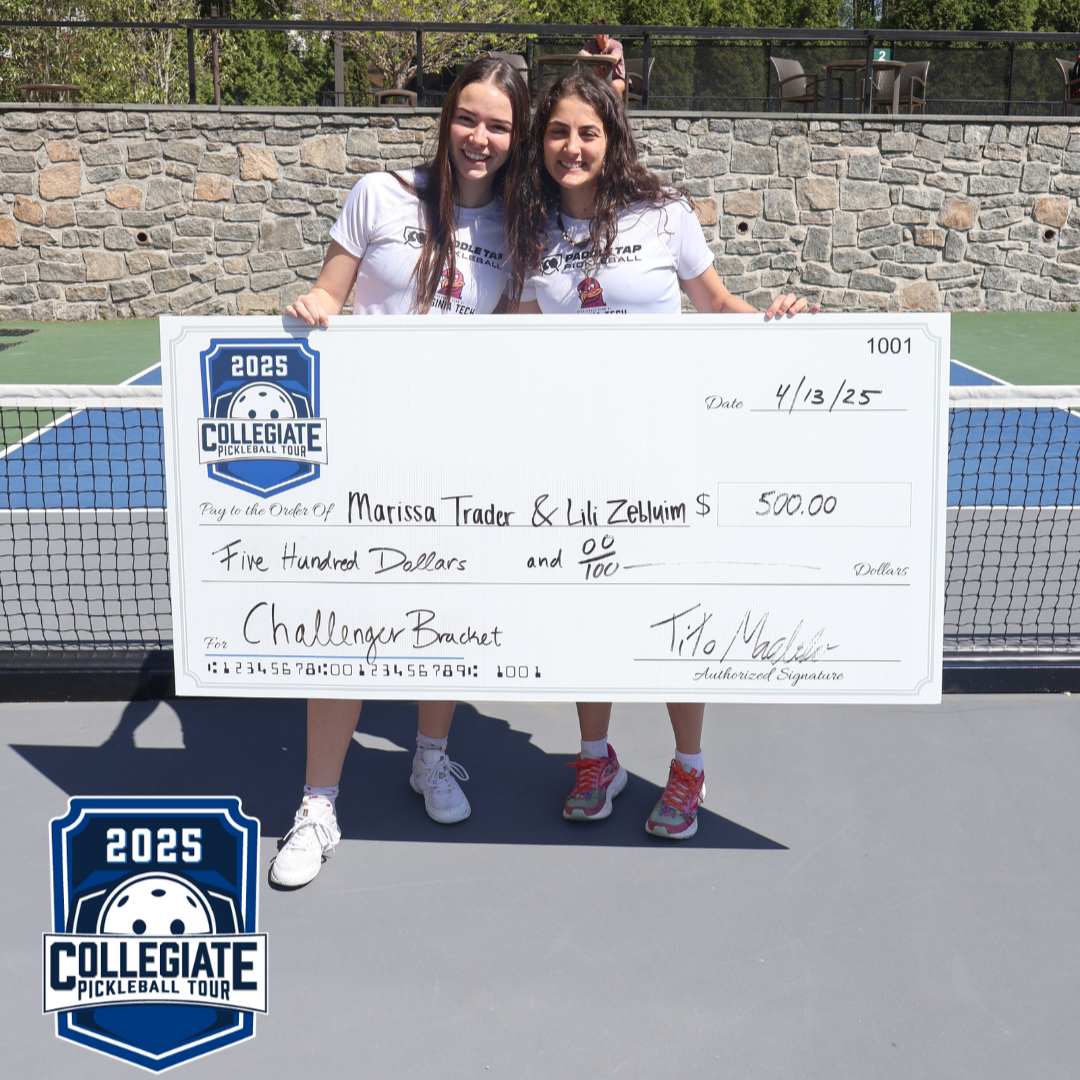
Pickleball Is Your Love Language
Quality time? On the court.
Words of affirmation? “Great hands.”
Acts of service? Saving a ball for your partner.
If that makes sense to you… congrats. You’re officially a pickleball girl!
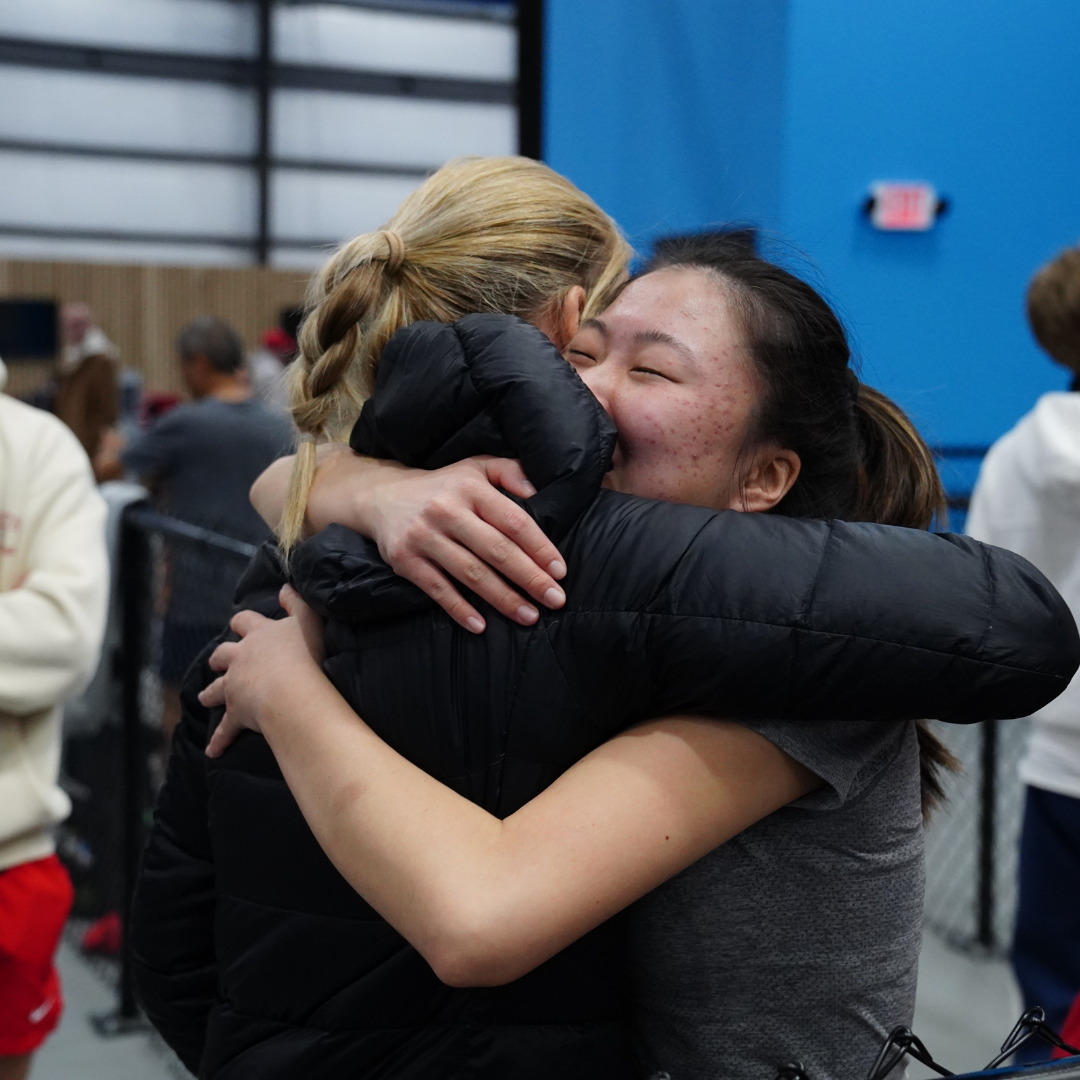
Celebrate Galentine’s Day the Pickleball Way 💕
This Galentine’s Day, grab your girls, book some court time, and maybe even sign up for a pickleball tournament together.
Track your progress, build your pickleball rankings, and keep making memories on and off the court with DUPR.
Because the best matches aren’t just about who wins…They’re about who you play with. 💕🏓
Community
February 12, 2026
Top 10 Foot Care Tips for Pickleball Players
Pickleball is fast, fun, and fiercely competitive, but all that court time can take a toll on your feet. Whether you’re competing in pickleball tournaments, working to improve your pickleball rankings, or just enjoying a friendly match, keeping your feet in top shape is essential for performance, comfort, and longevity on the court. Here are the top 10 foot care essentials every pickleball player needs.
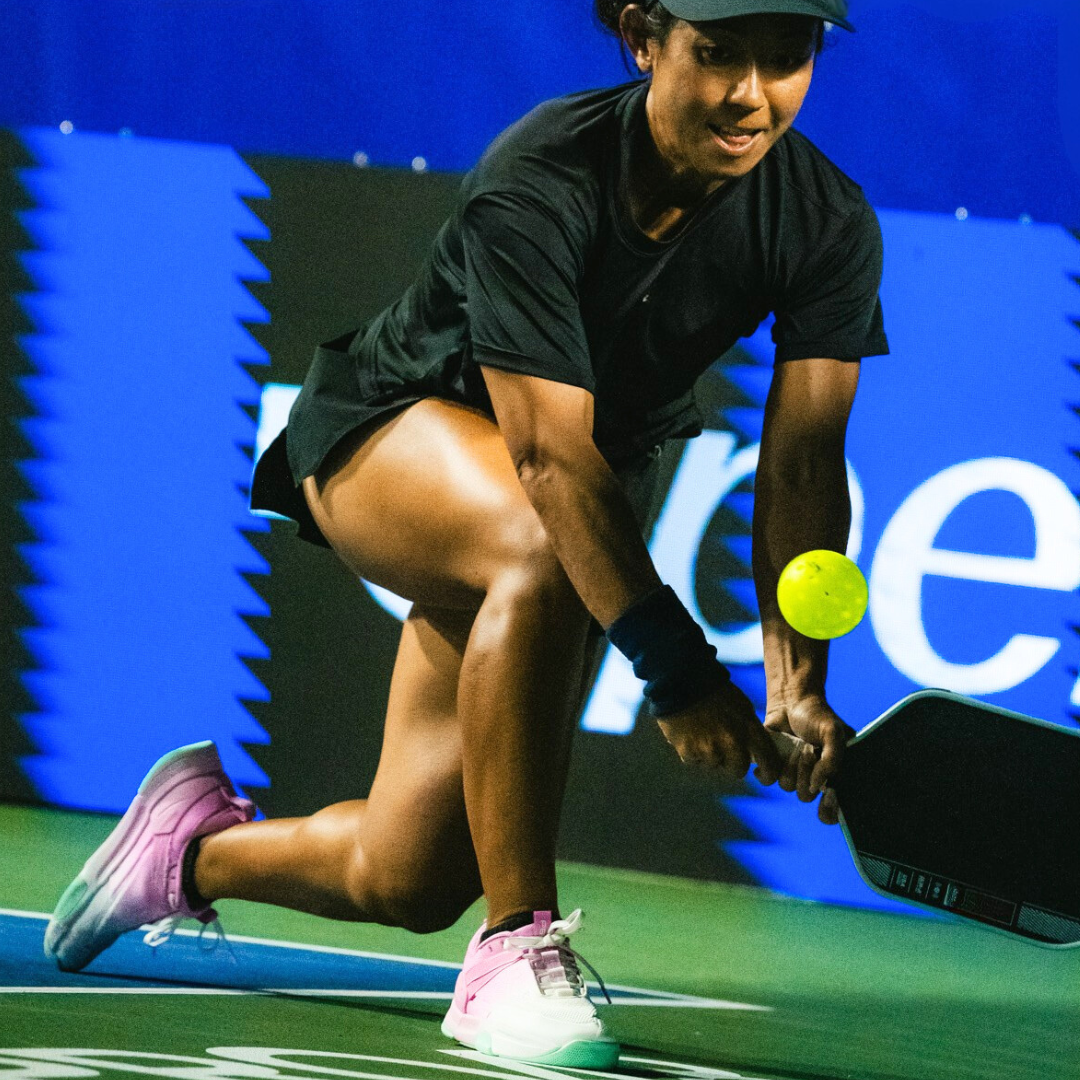
1. Supportive Pickleball Shoes
Your shoes are the most important tool for protecting your feet and ankles. Pickleball involves quick lateral movements, sudden stops, and fast pivots. Court shoes or pickleball-specific shoes are designed to handle this stress. Look for:
- Non-marking, durable soles for traction on indoor and outdoor courts.
- Proper arch support and cushioning to reduce impact on your knees and hips.
- A snug fit to prevent sliding inside the shoe, which can cause blisters.
Pro Tip: Rotate your shoes regularly, worn-out soles increase injury risk.
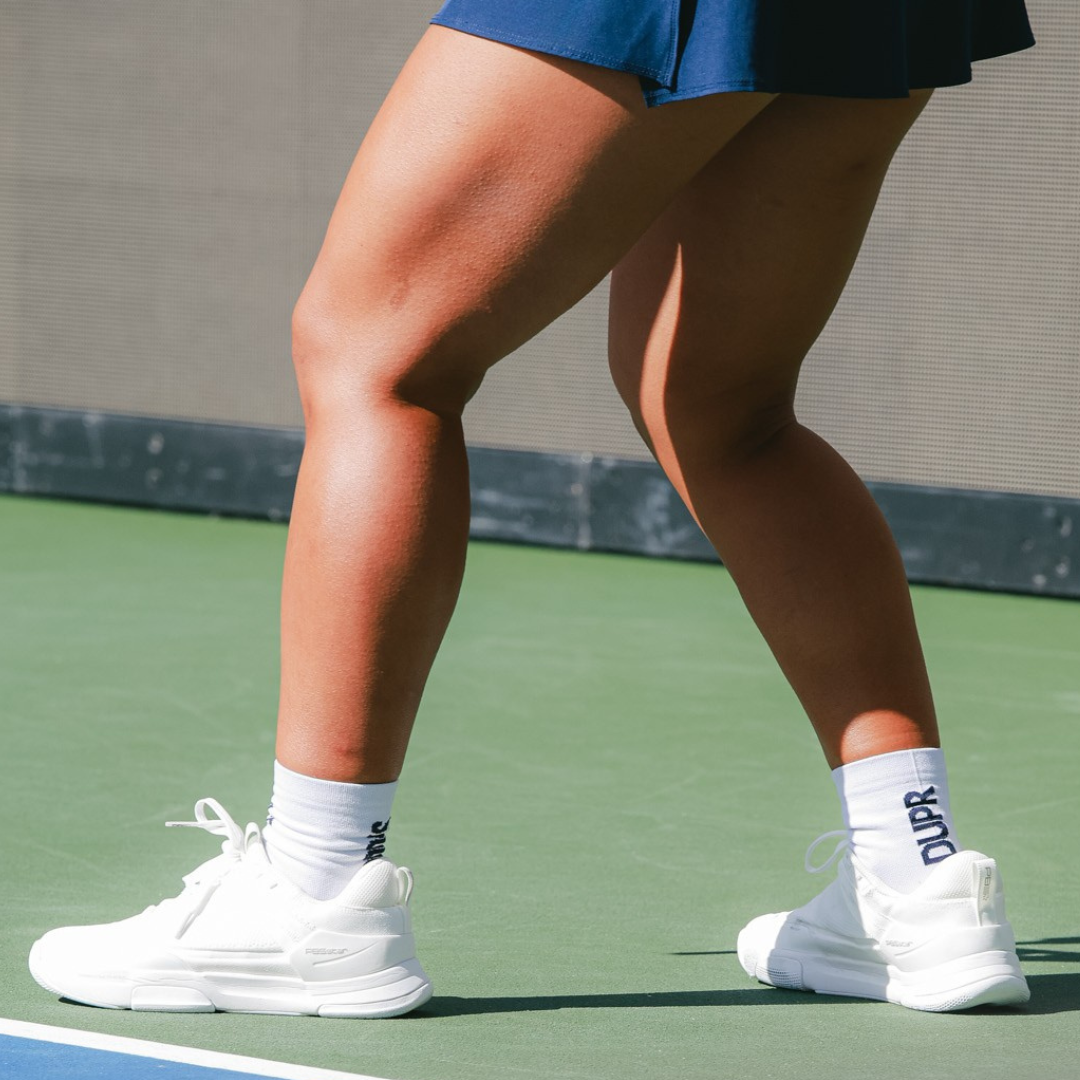
2. Moisture-Wicking Socks
Sweaty feet are a blister’s best friend. Technical socks made of moisture-wicking materials (like merino wool or polyester blends) keep your feet dry, reduce friction, and prevent odor. Some players even layer thin blister-prevention liners under their socks for extra protection during intense pickleball tournaments.
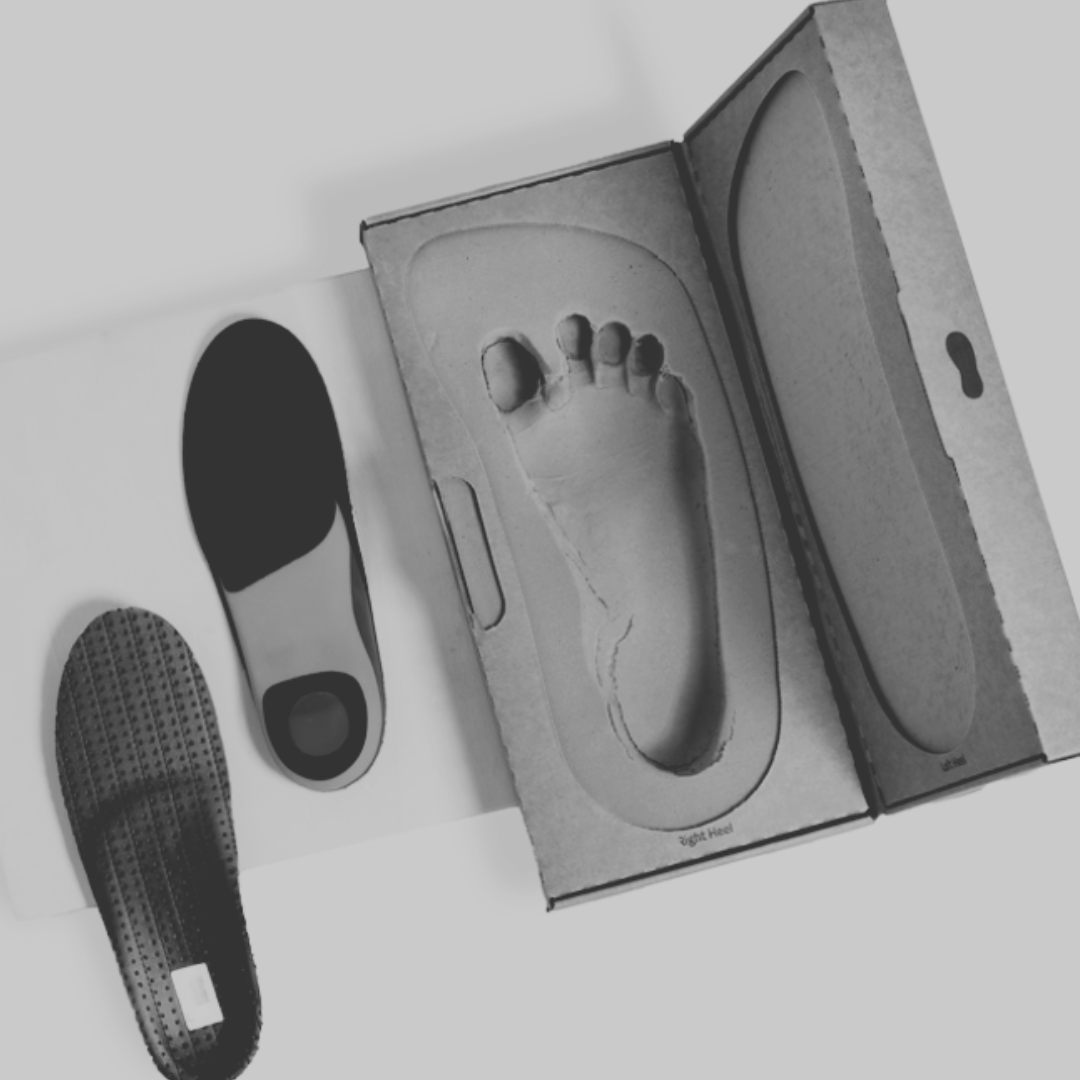
3. Custom Orthotics or Insoles
Even if your shoes are great, your feet may need extra support. Custom orthotics or cushioned insoles can:
- Correct foot imbalances.
- Reduce strain on ankles, knees, and lower back.
- Improve stability during fast pivoting and lateral movements on the court.
This is especially helpful for players with flat feet or high arches aiming to improve their pickleball game safely.
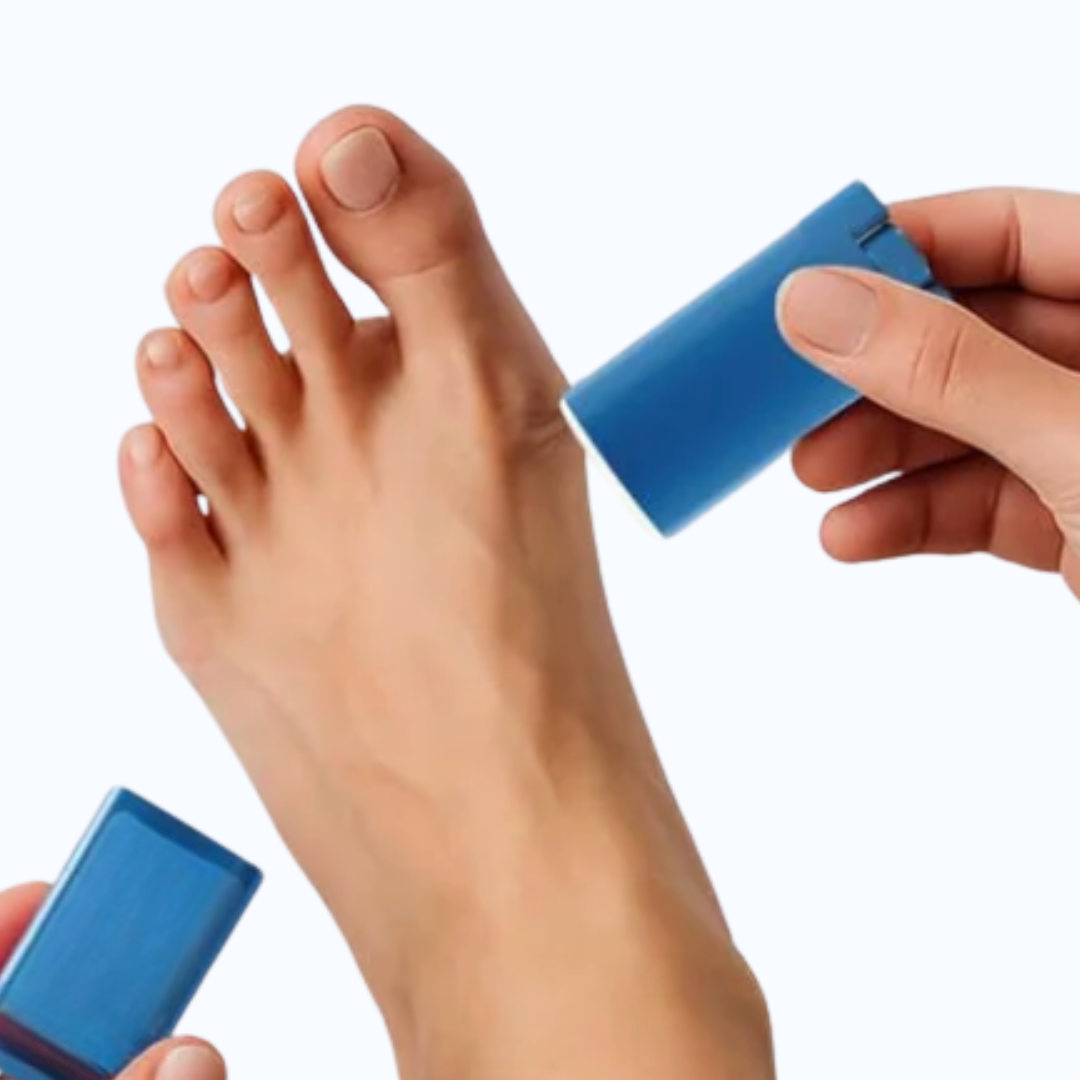
4. Anti-Blister Balms and Powders
Nothing kills your focus like a painful blister mid-match. Apply anti-blister balms, powders, or sticks to high-friction areas to keep your skin smooth and protected. Perfect for those long pickleball rating sessions or tournament play.
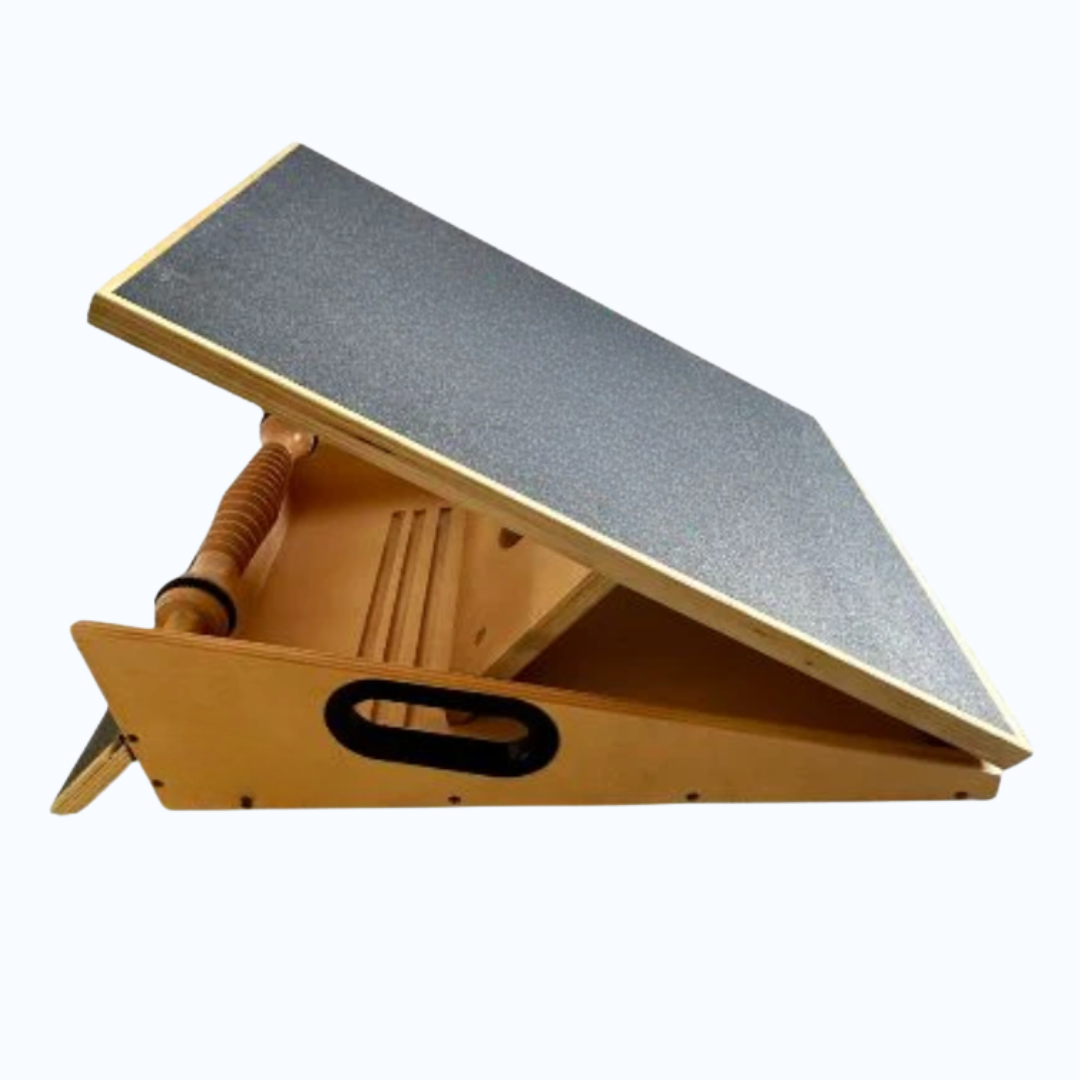
5. Foot Stretchers and Rollers
Your feet work hard for every pivot and sprint. Stretchers and massage rollers:
- Release tension in the arches.
- Improve flexibility and range of motion.
- Promote blood circulation to reduce post-game soreness.
Use them before and after matches or practice sessions to stay agile and prevent injuries.
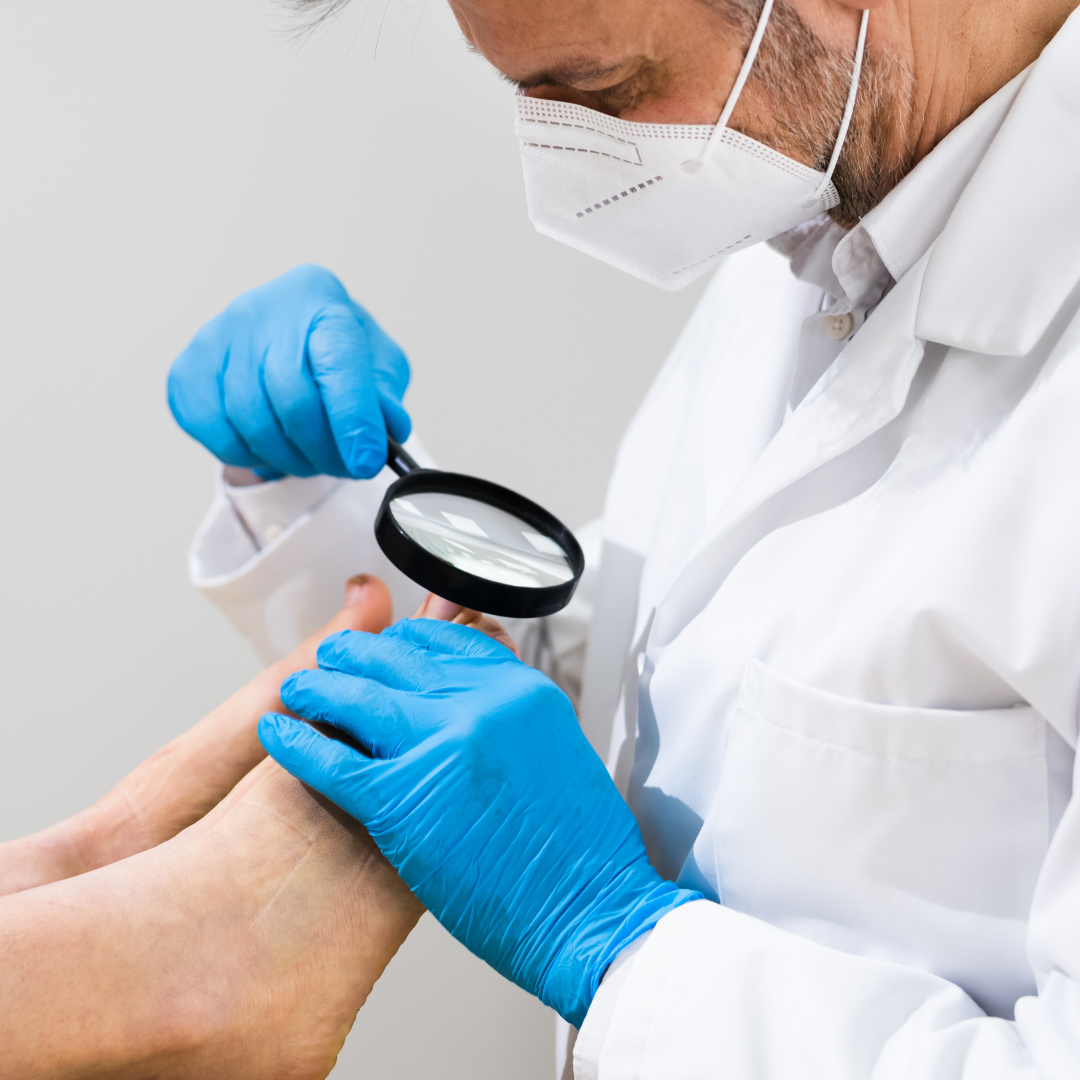
6. Proper Toenail Care
Long or uneven toenails can catch in shoes, cause pain, or lead to ingrown nails. Trim your toenails straight across, file edges smoothly, and check regularly, especially during tournament season or long training sessions. Healthy nails = happier feet = better performance on the court.
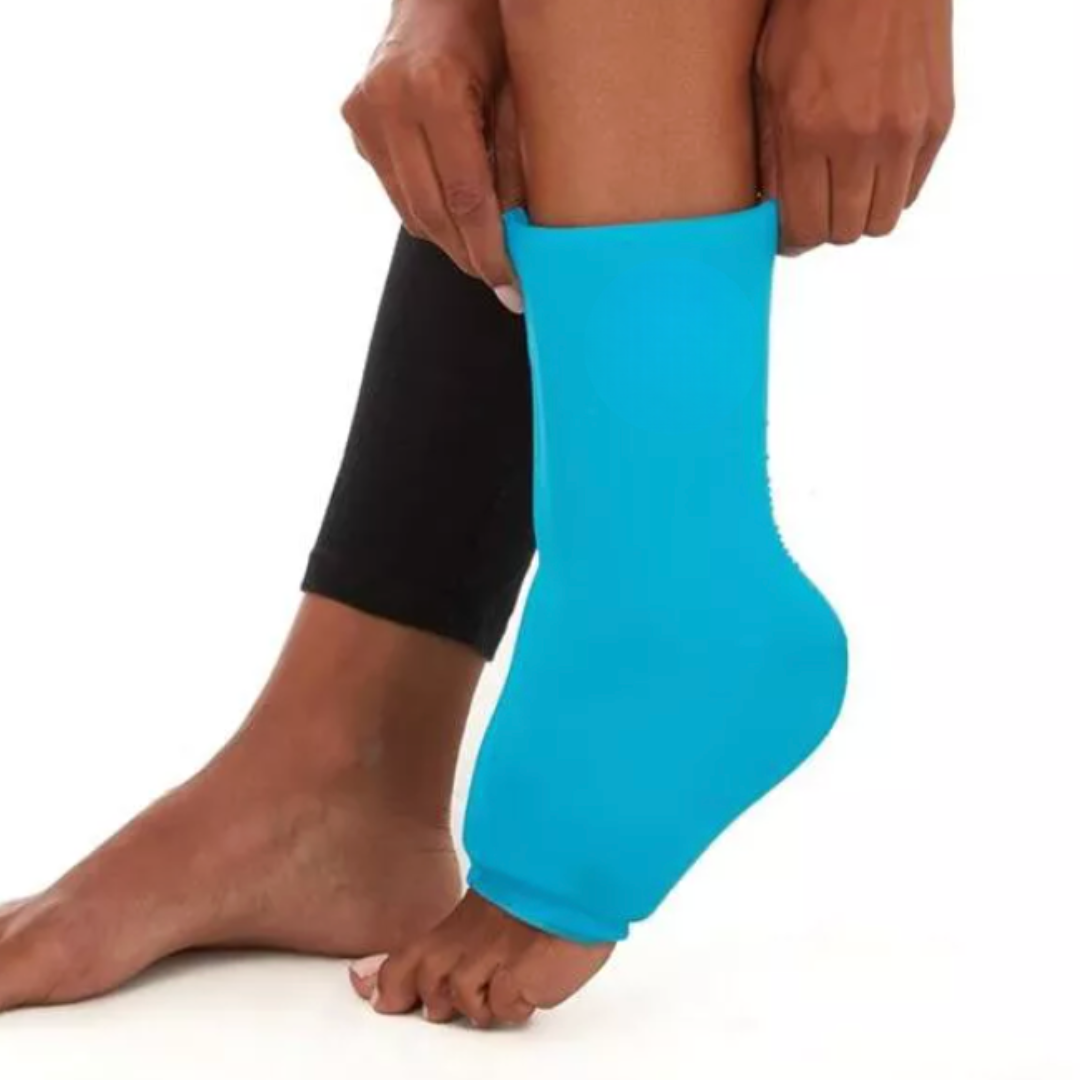
7. Ice Packs or Cold Therapy
After a day of intense pickleball matches, ice packs or cold therapy can reduce inflammation and soreness. Focus on the arches, heels, and ankle areas to recover faster between sessions or tournaments. For chronic issues like plantar fasciitis, consider alternating ice with gentle stretching.
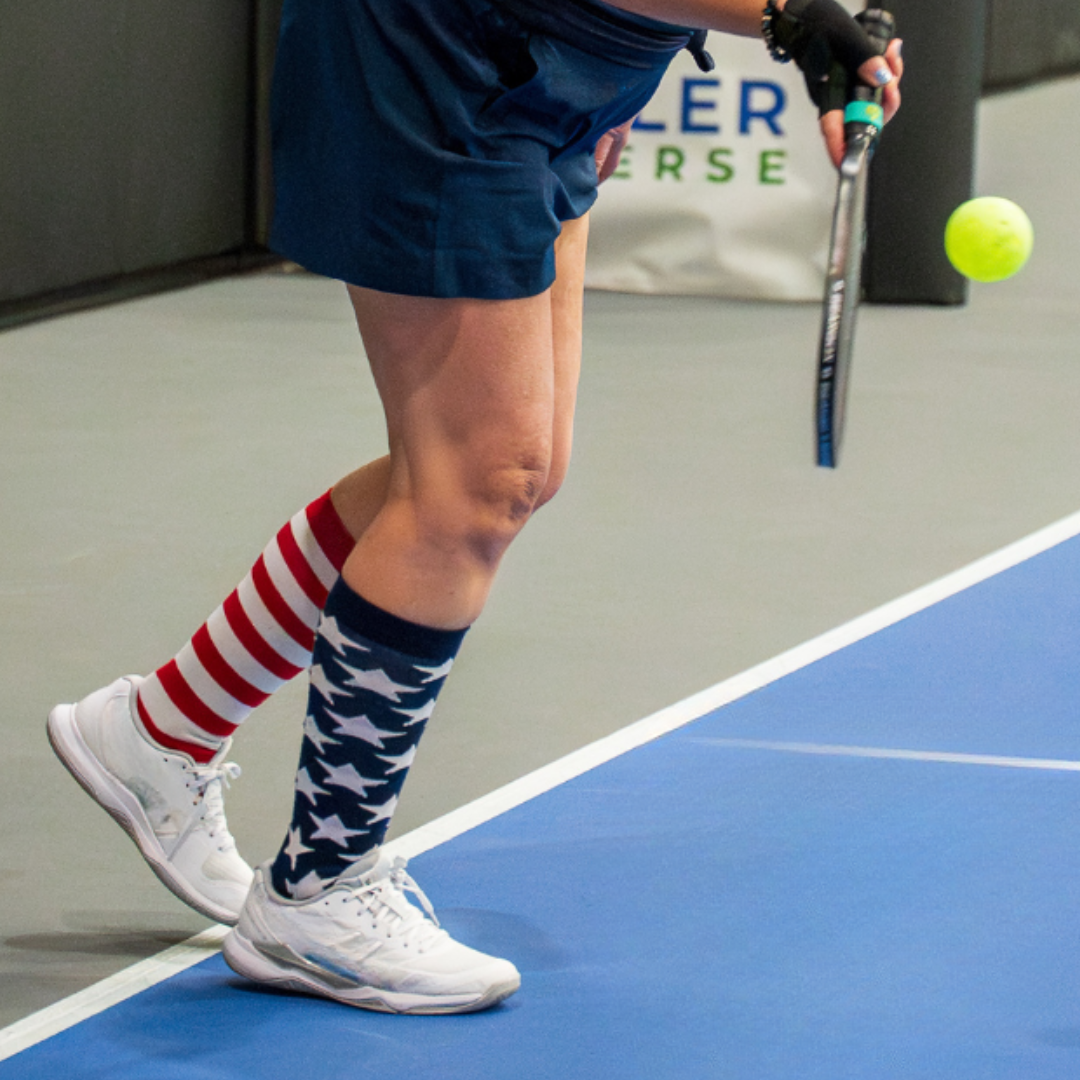
8. Compression Socks or Sleeves
Compression socks or sleeves improve blood flow, reduce fatigue, and speed up recovery after tournaments or long pickleball rating sessions. They’re a must-have for serious players looking to stay on top of their game.
9. Foot Soaks and Epsom Salts
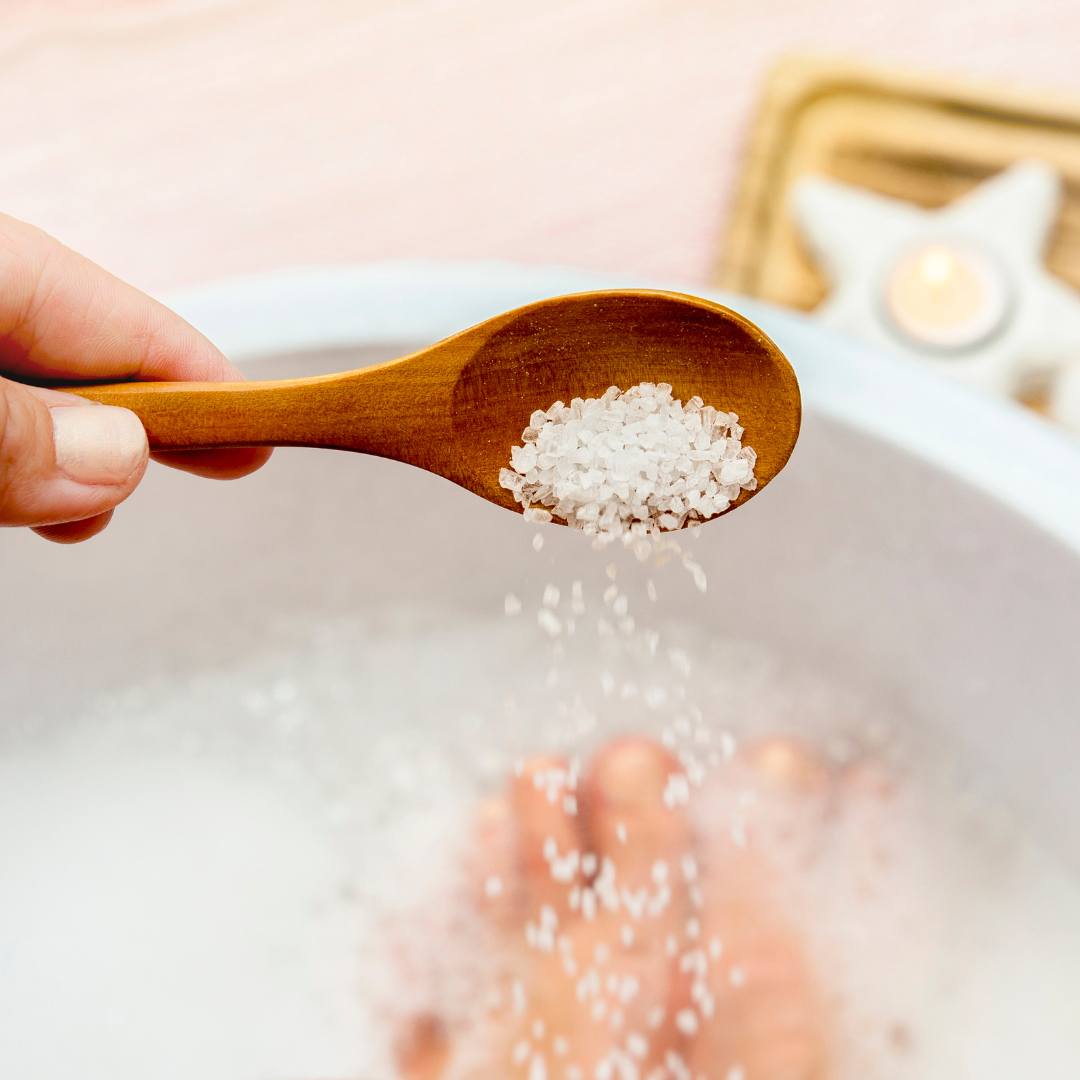
Soaking your feet in warm water with Epsom salts relaxes muscles, reduces inflammation, and helps heal minor blisters or soreness. Add a few minutes of gentle massage during your soak for extra relief, your feet will thank you after a long week of pickleball drills.
10. Daily Foot Check
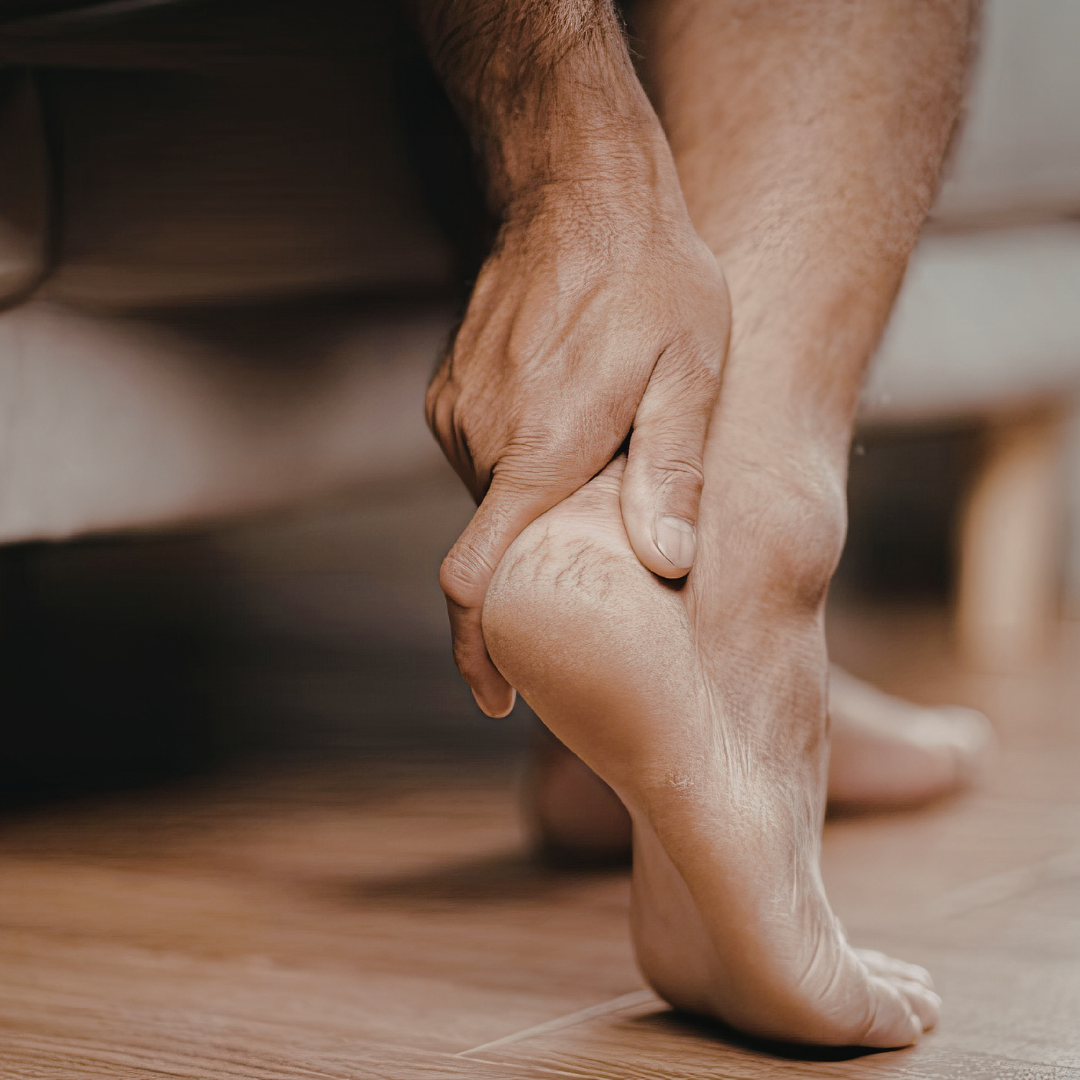
Finally, take a few seconds each day to inspect your feet. Look for:
- Cuts, blisters, or bruises.
- Redness or swelling.
- Signs of fungal infections or irritation.
Catching problems early prevents small issues from sidelining you during practice, matches, or tournament play.
Healthy feet are the foundation of your pickleball game. Combining these foot care essentials with proper warm-ups, hydration, and rest ensures you move faster, react quicker, and stay safe on the court. Whether you’re climbing the pickleball rankings, training for your next tournament, or just enjoying a friendly match with friends, taking care of your feet is a game-changer.
Pro Tip: Combine foot care with proper warm-ups, hydration, and recovery strategies for peak performance every time you step on the court.
For more pickleball tips, visit our blogs page and follow @duprpb on Instagram
Pickleball Tips
Community