
10 Rules You Should Follow When Running DUPR Tournaments
%20Clubs%20Insider-%20Visuals.jpg)
Running a successful DUPR tournament isn’t just about filling brackets; it’s about clear communication, fair competition, and a smooth on-court experience. When tournaments are set up correctly, players trust the results, ratings stay accurate, and clubs see stronger participation over time.
Here are 10 essential rules every club should follow when running DUPR tournaments.
Rule #1: Clearly Mention DUPR Everywhere
Always mention DUPR on your flyer, registration page, and event description.
Players need to know before they sign up that:
- Matches will be recorded
- Results will impact their DUPR rating
This simple step prevents confusion and complaints after the event. Transparency upfront builds trust and avoids uncomfortable conversations later.

Rule #2: Keep Divisions Within a 0.5 Range
Avoid creating divisions that are too wide.
✅ Good: 3.5–4.0
❌ Not recommended: 3.5–4.5
Wider divisions lead to mismatches, frustration, and less meaningful results. Keeping divisions tight improves competitive balance and rating accuracy.

Rule #3: Be Intentional with Non-Rated (NR) Players
NR players can participate, but only if you know where they belong.
Best practices:
- Place NR players only if staff or coaches are familiar with their level
- If unsure, encourage them to:
- Play matches in a DUPR Session or open play first, or
- Get evaluated by a DUPR Coach
Guessing levels leads to sandbagging concerns and inaccurate results.
Rule #4: Choose the Right Elimination Format
Your format should match your court availability and time constraints.
- Single elimination: Best if courts or time are limited
- Double elimination: Ideal if you have enough courts and a full day
Trying to force a complex format without resources often causes delays and player frustration.

Rule #5: Round Robin + Playoffs Is a Strong Option
A round robin followed by playoffs is one of the most effective tournament formats.
Why it works:
- Players get multiple matches
- Seeding is more accurate
- Playoffs feel earned and competitive
This format balances fairness, fun, and data quality.
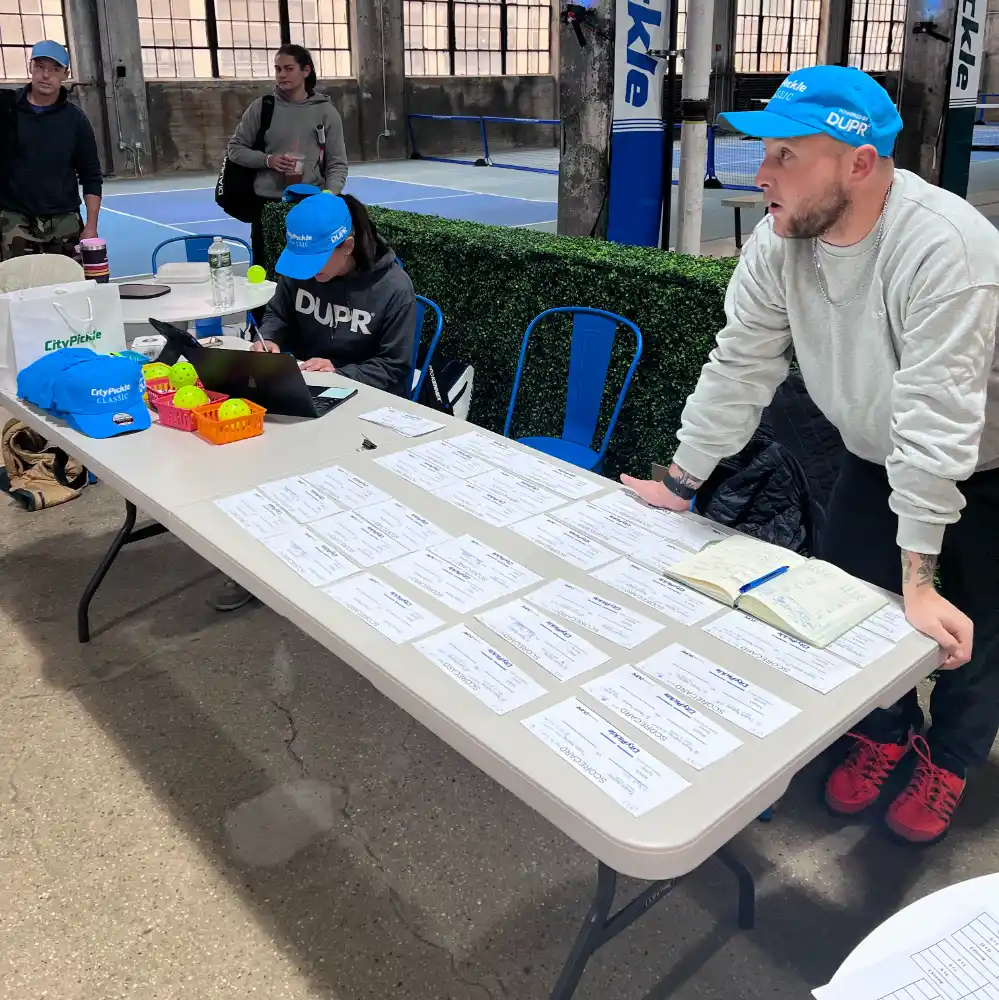
Rule #6: Guarantee at Least 3 Matches Per Team
Players expect value for their time and money.
A good rule of thumb:
Every team should play a minimum of 3 matches
Fewer matches often lead to disappointment, especially for players traveling or paying entry fees.

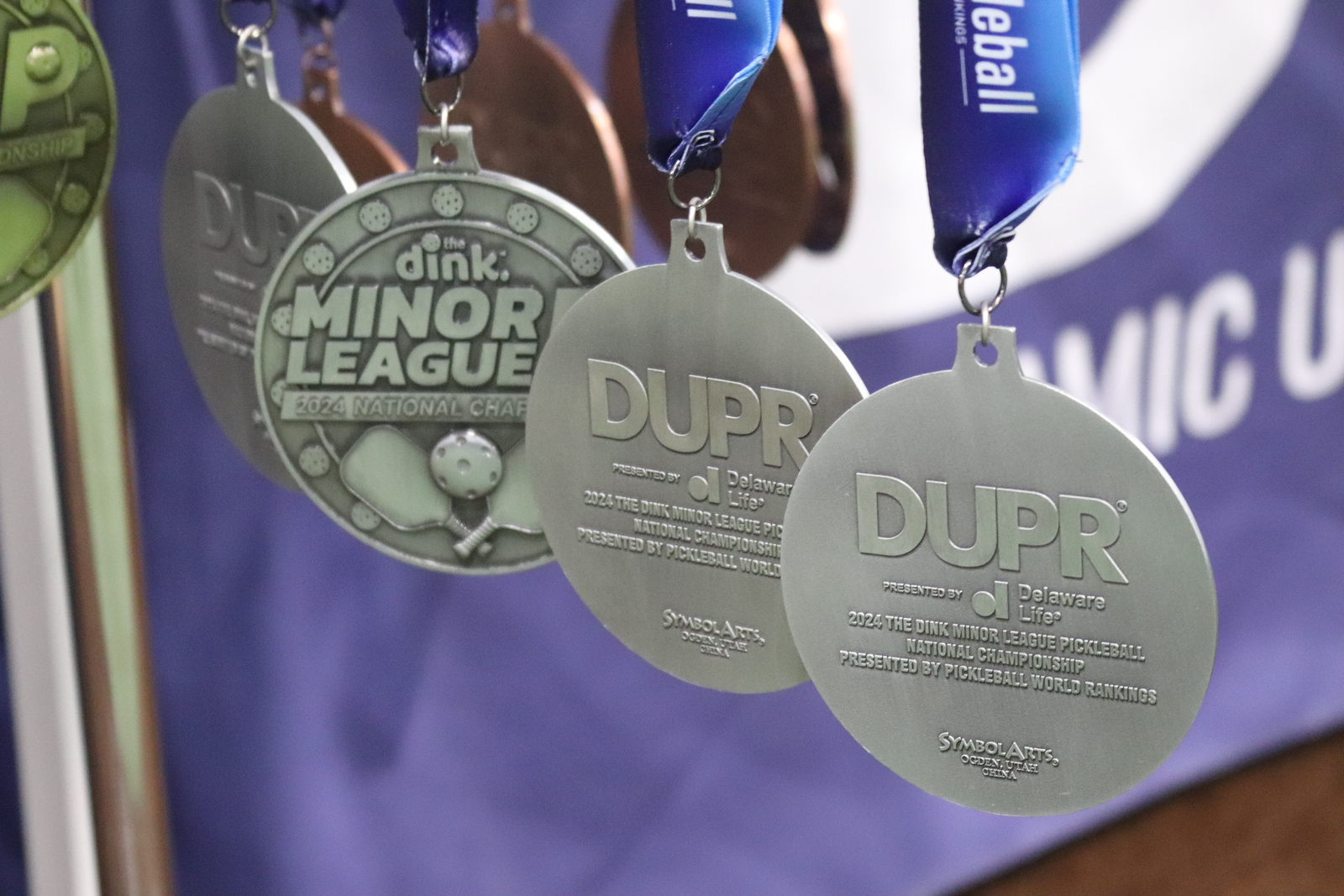
Rule #7: Offer Medals or Prizes
Recognition matters.
Medals, trophies, or small prizes:
- Increase excitement
- Encourage return participation
- Make the event feel official and rewarding
You don’t need anything extravagant, just something players can take pride in.
Rule #8: Keep Events to 1–2 Days Max
Long tournaments sound good on paper but are hard to manage in practice.
Best practice:
- 1-day tournaments for local events
- 2-day max for larger draws
Shorter events are easier on staff, courts, and players and usually run more smoothly.
Rule #9: Communicate Constantly with Players
Most tournament issues come from lack of communication.
Use:
- Pre-event emails
- WhatsApp groups
- Facebook updates
- On-site announcements
Keeping players informed about schedules, delays, and changes prevents frustration on tournament day.

Rule #10: Have a Dedicated On-Court Point Person
Always have at least one staff member actively walking the courts.
Their role:
- Answer questions
- Handle disputes
- Help players find courts or next matches
- Keep things moving
Visible staff presence makes players feel supported and keeps the event running smoothly.
Great DUPR tournaments don’t happen by accident. They’re built on clear rules, smart formats, and proactive communication. When done right, tournaments become one of the best tools for improving ratings, increasing participation, and building trust within your club.
Follow these rules, and your DUPR tournaments will be fairer, smoother, and far more enjoyable for both players and staff.

%20(2).jpg)
%20(1).jpg)
.jpg)


