No matching results.
Search results
November 17, 2025
Celebrating International Students Day: Meet the Global Athletes Shaping Collegiate Pickleball
Pickleball is exploding across college campuses in the United States and international students are helping lead the way.
As we celebrate International Students Day, we’re spotlighting two standout athletes who traveled across the world to study, compete, and make their mark on collegiate pickleball.
From Warsaw to Missouri. From Brazil to Arizona. From England to North Carolina.
These athletes show how global the sport has become and how college programs across the U.S. are welcoming players from every corner of the world.
Szymon Zawartko — Drury University (5.5 DUPR)

Hometown: Warsaw, Poland
Szymon’s pickleball journey began with a simple gift: a colleague of his dad returned from the U.S. with paddles, a net, and a few balls. His dad brought him to a training session in Poland, and Szymon was hooked immediately. His background as a top-25 junior tennis player in Poland helped his transition, but pickleball brought out a new kind of creativity he hadn’t felt before.
Training in Poland wasn’t easy. Warsaw, a city of nearly two million people, didn’t have a single dedicated pickleball court. Szymon sometimes traveled two hours just to find a competitive practice partner.
That’s why coming to the United States changed everything. He went from chasing any court he could find to joining Drury University, the first school in the country to offer full pickleball scholarships and run pickleball as an official varsity sport.
The access, coaching, the tournaments, and the structured collegiate environment opened a completely new chapter for him.
“I’m really happy that I can pursue my dreams here — in the home of pickleball — where I have constant access to the sport.”
He’s watched the level of collegiate pickleball rise year after year and still remembers being surprised by the talent level at the World Championships.
“I didn’t expect players like that. It really makes me happy.”
The toughest part of this journey hasn’t been the competition; it’s been distance.
“Leaving my family, whom I’m very close with, and my girlfriend Monika… I miss them very much.”
Even with that, pickleball has given him a sense of home.
“The pickleball community is amazing everywhere I go. Everyone is very kind and helpful.”
Szymon believes global growth is coming fast, especially in Asia and eventually Europe, and he hopes to keep competing after college, maybe even at the pro level.
Evie Kenna — NC State University (5.08 DUPR)
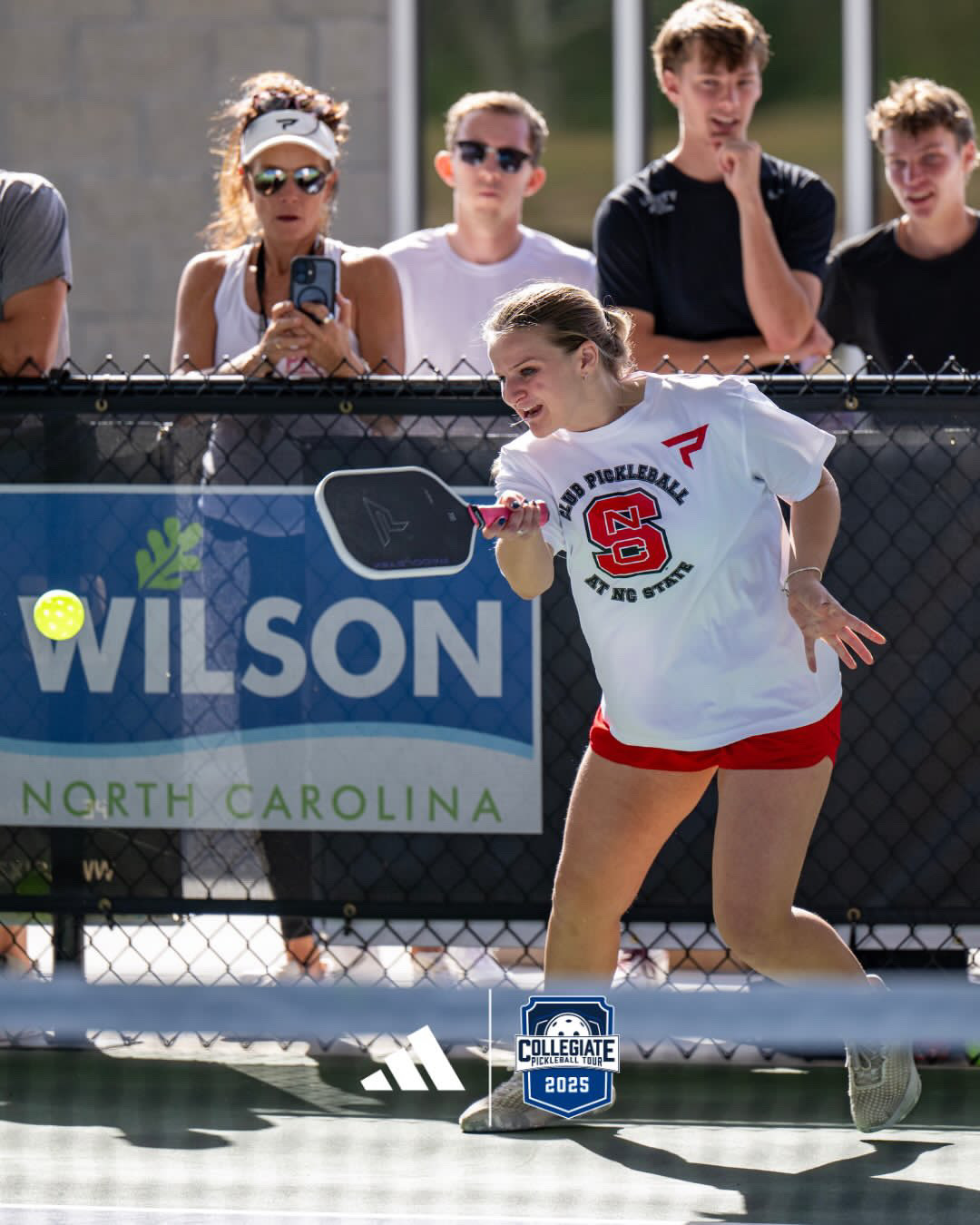
Hometown: England
Evie Kenna discovered pickleball by accident. During a team-bonding day with her Division I soccer team, she stepped onto the local courts in Wilson, NC, picked up a paddle, and immediately felt something click. What started as a fun outing quickly turned into a new athletic direction.
Her soccer background gave her natural advantages, such as fast movement, anticipation, and competitiveness, and she soon found herself competing in collegiate pickleball.
Moving to the U.S. wasn’t easy.
“The hardest part was leaving my family and learning a whole new culture while playing a full D1 sports schedule.”
She didn’t just have to adjust to classes and training; she had to adjust to American food, traditions, and the intensity of college sports. But pickleball became her anchor.
“The pickleball community definitely helped my transition. That’s how I met practically everyone in Wilson, and even how I met my boyfriend!”
Evie has watched college pickleball evolve quickly:
“The level gets better every year. We’re starting to see some powerhouse programs now, which is pretty cool.”
She sees big differences between England and the U.S., mainly the number of courts and players , but England is catching up fast with several DUPR Clubs starting to open. Her mom recently represented England in the European Championships, competing against more than 30 countries.
Being an international student-athlete has shaped her entire college experience:
“Being an international student is so cool. I get lots of great opportunities. I’ve loved embracing true American culture and being such a huge fan of college sports.”
Through pickleball, she’s built a second home; one that’s far from England, but full of people who cheer for her just as loudly as the ones she left behind.
Artur Linhares — Grand Canyon University (5.27 DUPR)
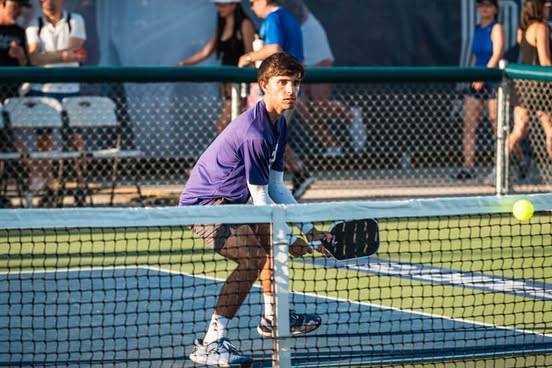
Hometown: Brazil
Artur Linhares was introduced to pickleball through family. His cousin’s husband, Jon, brought the sport into their home, and before long, Artur and his entire family were playing. His background in beach tennis, soccer, and tennis helped him develop a unique style on the court.
“Beach tennis helps with reflexes and overheads, soccer with movement, and tennis helps with having good form.”
When he arrived in the U.S., he immediately noticed the difference in competition.
“There are more high-level players here, and I think more people have a solid soft game. In Brazil, there are a lot of players with great hand speed and drives.”
Artur didn’t know what to expect from college pickleball, especially since he was so new to it. But he was surprised by how quickly the level rose.
“College pickleball has evolved a lot. I went to the first nationals three years ago, and the level is much higher now.”
Artur shared that, like many international athletes, the hardest part of this journey has been simply missing home. But pickleball helped him find a community at GCU and make friends.
Representing Grand Canyon University has been one of the highlights of his college experience.
“It’s been nice to represent the school as an athlete and experience the thrill of competing at tournaments.”
Artur believes the sport is only going to grow from here. He’s not sure yet whether he’ll pursue it professionally, but he’s enjoying every moment on court.
A Global Future for Collegiate Pickleball
Szymon, Evie, and Artur represent three countries, three stories, and one shared truth: pickleball is no longer just an American sport ;it’s becoming a global one. Their journeys show the courage it takes to leave home, the resilience required to adapt to a new culture, and the power of sport to create community anywhere in the world.
As collegiate pickleball continues to grow, international athletes will play an even bigger role in shaping its future. They bring new styles, new perspectives, and a passion forged from chasing opportunity across borders.
This International Students Day, we celebrate the players who bring the world to our courts and remind us that pickleball’s next chapter is global, diverse, and just getting started.
To check the latest news on college pickleball, join our Collegiate News Channel on Instagram here.
Community
College
November 14, 2025
The Mental Trick That Helped Alex Crum Take Down Ben Johns
Beating one of the best players in the world doesn’t happen by accident.
When Alex Crum stepped on the court against Ben Johns, most players would’ve felt the kind of pressure that makes your paddle feel heavier and your hands a little tighter. But Alex had a different mindset that day. It wasn’t about chasing perfection. It was about believing he belonged.
And that belief made all the difference.
“Take it. Don’t expect him to hand you the match.”
That’s what Alex kept telling himself throughout the match.
It wasn’t about waiting for Ben to make mistakes; it was about taking his opportunities, playing bold, and trusting his shots.
“I was happy with the way I performed at the end of the match,” Alex said. “The last four or five points were the most confident shots I hit in the entire match.”
That mental shift from hoping to win to deciding to win was his secret weapon.

Do Pros Feel Pressure?
Absolutely. But the difference is they’ve learned how to play through it.
When Alex Crum stepped on court to face Ben Johns, he wasn’t immune to nerves. He says he felt both confident and pressured at the same time.
“I felt confident because I knew I could win. But there was pressure too; if I didn’t perform well, people would question whether my first win was a fluke.”
For Alex, that pressure actually fueled him, proving himself became extra motivation.
But here’s the important part: that doesn’t work for everyone.
According to Concordia University’s Study on the “The Role of Sports Psychology in Athletic Performance,” sports psychologists recommend to:
👉 Find the type of pressure that helps you — and avoid the kind that hurts you.
For some players, added pressure sharpens their focus.
For others, it tightens them up and ruins their natural game.
If pressure holds you back, shift your attention to something you can control: your breathing, your footwork, your strategy, or even just enjoying the moment. Your focus is yours to choose.
From “Who’s That Guy?” to “He Beat Ben Johns”
The first time Alex faced Ben, he was virtually unknown.
“I was just desperate to prove that I could compete amongst the best,” he said. “I was more nervous in that first match. Going into the second one, win or lose, I just wanted to play well.”
And that’s what growth looks like. The first time, you’re proving something to others. The next time, you’re proving something to yourself.
Forget the Ratings — Focus on the Rally
Even players at Alex’s level feel that little jolt when they see a higher DUPR next to their opponent’s name.
“I’ve lost to players with lower DUPR and beaten players with higher DUPR,” he says. “You have to try to block that out and treat every opponent with the same focus and intensity.”
And let’s be honest… we’ve all been there.
You check someone’s DUPR or look at the expected score on the Forecast Tool, and suddenly your whole mindset shifts. For some players, the match is half-lost before they even step onto the court.
But as Alex reminds us, the best players in the world don’t let numbers define their ceiling. They don’t obsess over who’s favored.
They chase consistency.
They focus on execution.
They compete for every rally, not every rating point.
That’s what separates the good from the great.
The Takeaway
Alex’s story isn’t just about beating Ben Johns ; it’s about learning how to show up when it matters most.
Whether you’re playing your first DUPR event or your hundredth, the takeaway is simple:
- Don’t wait for your opponent to make mistakes — go for it.
- Play every point as if it was the last one.
- And believe that you belong.
Because confidence isn’t something you find. It’s something you build, one rally at a time.
Pickleball Tournaments
Community
DUPR Athletes
November 13, 2025
All Kitchen Rules Pickleball Players Must Know
What exactly is the kitchen in pickleball? Why does it cause so much confusion? And what happens if your paddle (or even your hat) lands in it?
Don’t worry. We’re breaking down everything you need to know about the kitchen (officially called the Non-Volley Zone) so you can stop arguing over lines and pickleball rules, and start focusing on how to improve your actual game and pickleball rating.
What Is the Kitchen?
The kitchen (or Non-Volley Zone, NVZ) is the 7-foot area on both sides of the net. It extends the full width of the court and includes all the lines around it.
In short:
- If you’re standing on or inside those lines, you’re in the kitchen.
- You can go in, but you can’t volley (hit the ball before it bounces) while you’re there.
The Golden Rule: No Volleys in the Kitchen
You cannot hit a volley (a ball that hasn’t bounced) while standing in the kitchen or on the kitchen line.
If you do, or even if your momentum carries you into it after the shot, it’s a fault.
✅ You can step in at any time, even before the ball bounces, but you can’t hit the ball until it bounces.
❌ You cannot volley the ball while any part of you touches the kitchen.
That includes:
- Your shoes, including your shoe laces
- Your paddle
- Your clothing, or sunglasses
- Even your hat or hair if it falls in
If anything you’re wearing or holding touches the kitchen as a result of a volley, the rally is lost.
Momentum Matters
This is where things get tricky and where most kitchen arguments start.
If you volley the ball outside the kitchen but your momentum carries you into it afterward, it’s still a fault. Even if you hit a winner and the ball is dead, the rally isn’t over until you control your momentum, meaning you regain your balance and you can step away from the NVZ. No matter how long that takes, the rally isn’t over!
The “Hover Rule” Myth
Here’s a fun one: The kitchen is two dimensional, so you can lean over the kitchen to hit the ball as long as your feet stay out.
So yes, if you want to reach over and finish a ball that’s over the kitchen, go for it!
Just don’t let your toes, paddle, or anything else make contact with the line or ground inside.

You Can Go in the Kitchen
A lot of new players think they can’t ever step into the kitchen. Not true!
You can absolutely go into the kitchen, even before the ball bounces there.
That’s where you’ll hit your dinks, drops, and resets.
Just remember that once one foot touches the kitchen, both feet have to touch outside it before you hit a volley.
Kitchen Line = Kitchen
One of the most common mistakes is forgetting that the line counts as part of the kitchen.
That means if your foot touches the line while volleying, it’s a fault.

Doubles Scenarios: Who's at Fault?
Let’s say your partner volleys and their momentum carries you into the kitchen.
That’s still a fault, even though you didn’t hit the ball. This is at times referred to as the "2 Becomes 1" rule.
Why? Because pickleball counts team momentum. If your partner’s movement causes anything on your side to enter the kitchen illegally, the team loses the rally.
Kitchen Quick Facts
- You can enter the kitchen at any time, except that…
- You cannot volley while in or on the kitchen line, and …
- Your momentum into the kitchen after a volley = fault.
- The line is part of the kitchen.
- You can reach over the kitchen; just don’t touch it.
Every rally starts with respect for the pickleball rules and it all begins in the kitchen.
Track your progress, verify your matches, and keep improving your pickleball rating.
For more information on pickleball rules, visit this page.
Pickleball Rules
Pickleball Tournaments
November 12, 2025
High School Pickleball Tournament Coming to Arizona
If you’re a high school pickleball player in the Southwest, this is your moment.
The next Collegiate Super Regional is coming to Arizona Athletic Grounds (Mesa, AZ) on November 22–23, and for the first time ever, it’s bringing a High School Bracket.
High school and collegiate athletes will share the stage in one of the biggest pickleball weekends of the season. Whether you’re playing for fun, chasing the trophy, or hoping to get recruited for a college team, this event is one you don’t want to miss.
Interested in signing up? Register here.
High School Pickleball Bracket
The High School Bracket gives young players the chance to compete, learn, and connect with coaches and college athletes all in one place.
Here’s what’s in store:
- Guaranteed 6 doubles matches against other high school players
- Saturday-only play (Nov. 22) so you can enjoy the college action on Sunday
- Men’s, Women’s, and Mixed teams compete together (separate divisions if registrations allow)
- $250 prize awarded to the top team in each gender division (if separated)
- Note: Players may only compete in the high school bracket, not multiple brackets
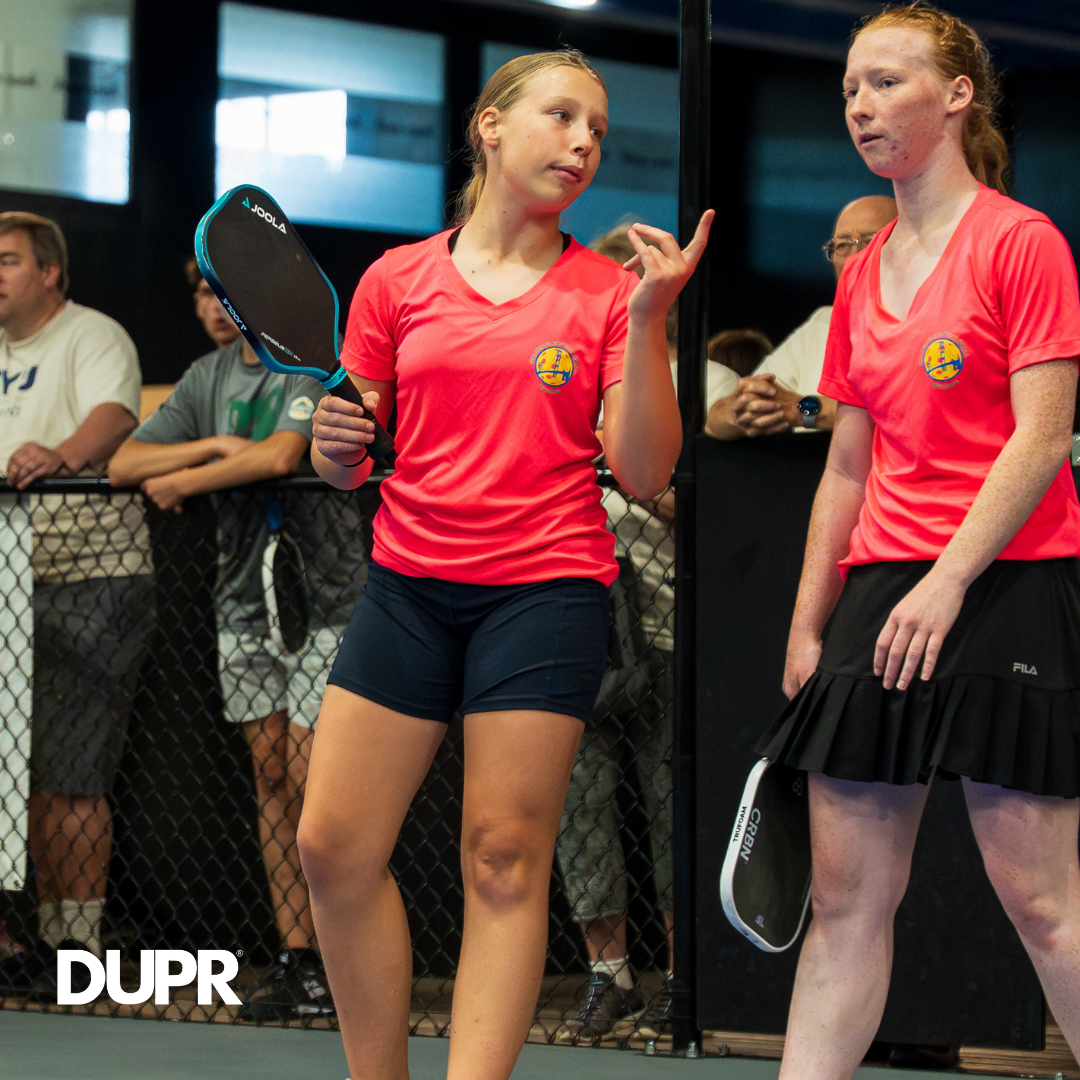
Schedule Highlights
Saturday, Nov 22:
- 11:00 AM – 3:00 PM → Group Play: High School Bracket
- 11:00 AM – 3:30 PM → Group Play: Challenger Bracket
- 3:00 PM – 8:30 PM → Group Play: Collegiate Team Bracket
Sunday, Nov 23:
- 8:00 AM – 4:00 PM → Playoffs for Team & Challenger Brackets
📍 Location:
Arizona Athletic Grounds
6321 S Ellsworth Road, Mesa, AZ
Why You Should Play
This event is a golden opportunity for exposure.
College coaches and recruiters will be on-site, watching both collegiate and high school matches.
Some schools, like Drury University, are already running pickleball as a varsity sport, offering full scholarships to student-athletes.
That means this weekend could be more than just a tournament; it could be your first step toward playing collegiate pickleball.
Know The High School Pickleball Rules Before You Step on Court
Before you hit the court, make sure you know the official pickleball rules, especially around serving, scoring, and formats.
You can check out our complete breakdown here.
Ready to Compete?
Spots are limited, and registration closes November 15, 2025.
Grab your partner, bring your paddle, and represent your school at one of the biggest youth pickleball events in Arizona.
👉 Register now for the Arizona Super Regional
Pickleball Tournaments
High School
Community
Clubs
November 11, 2025
Honoring Those Who Served: Pickleball Stories That Inspire
As we honor Veterans Day and all who served in the Armed Forces, it’s important to recognize the spaces where veterans continue to find purpose, connection, and community. Pickleball isn’t just the fastest-growing sport in America; it’s becoming a powerful home for veterans. Across the country, former service members are discovering new camaraderie, competition, and joy through the game we all love, proving that service, resilience, and teamwork don’t end when military service does.
From the Battlefield to the Backline
Pickleball is a blend of strategy, movement, and adaptability, making it accessible for veterans of all ages and abilities, including those adjusting to life after service-related injuries.Through the simple act of playing, veterans rediscover the healing power of movement, community, and friendly competition.
Across the United States, pickleball clubs and organizations are creating programs specifically designed for veterans, helping them reconnect, heal, and compete. These groups, such as Veterans Play Pickleball, use the sport as a form of physical and emotional therapy, supporting veterans living with PTSD, TBI, SCI, amputation, low self-esteem, and other challenges.
Veteran Stories: Courage, Community, and the Court
William “Will” Biringer (U.S. Navy, Ret.)
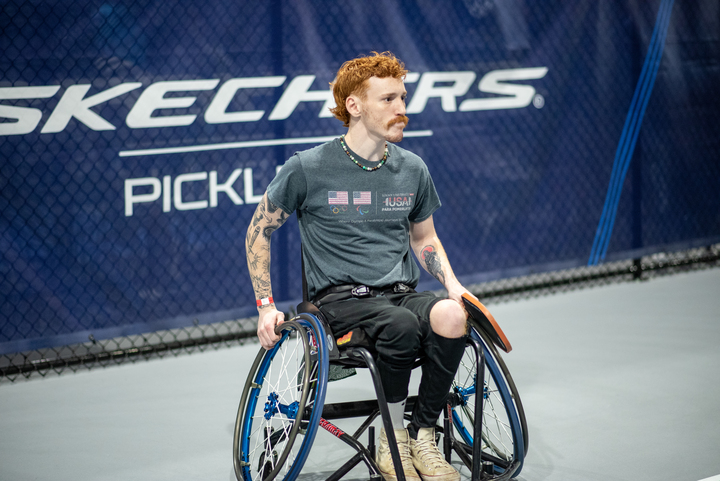
Will’s journey from active duty to adaptive athlete is a powerful story of perseverance. From Midlothian, Virginia, Will enlisted in the Navy in September 2018, and after an accident in July 2021, he became paralyzed from the waist down.
Rather than stepping away from competition, Will entered a new stage which is wheelchair pickleball. At DUPR tournaments, such as those hosted by Performance Pickleball, he has competed in adaptive divisions and earned multiple medals.
“I wouldn’t be where I am without a sport. Pickleball is a good way to get out and do stuff, and it’s competitive. It pushes you to be better,” Will said.
Will has a 5.0 DUPR Rating, and tracks it on a consistent basis, showing his competitive commitment and measurable progress in the sport.
“Knowing my match results count in my DUPR rating makes every rally matter. It’s not just fun; it’s progress.”
Brooke Revuelta (Military Family)
Professional pickleball player Brooke Revuelta comes from a military family, and that background fueled her mission to share pickleball with service members across the globe.
“Pickleball gives veterans that same sense of teamwork and purpose they had in the military but in a super positive, low-pressure way. It’s active, social, and full of community. I’ve seen firsthand how healing it can be,” Brooke said.
After competing in the World Pickleball League, Brooke was invited to join an Armed Forces Entertainment pro pickleball goodwill military tour across Europe to teach and play with troops and their families, a life-changing and eye-opening experience for her.
“On that military tour, I saw service members and their families laughing, smiling, and having fun on the court — some for the first time ever or in a long time. You could literally feel the stress lift off them,” Brooke explained. “That’s when I realized pickleball isn’t just a sport; it’s joy, therapy, and connection all in one.”
This month, Brooke is heading on another military tour to eight countries across the Middle East and Africa to continue her mission.
“Pickleball keeps me grounded and energized. It challenges me physically every single day but also gives me a mental reset. It’s my happy place whether I’m competing, training, or traveling to coach. It reminds me why I started and keeps me focused on the endless opportunities that are possible.”

Jose Gonzalez, Brooke’s StepDad (U.S. Army, Ret)
As Brooke travels the world sharing pickleball with military communities, her stepdad José Gonzalez, a U.S. Army veteran, sees her mission through a different lens — one shaped by years of service and the values that come with it. From his perspective, pickleball mirrors many of the principles veterans carry with them long after active duty.
“Serving in the military teaches discipline, teamwork, and resilience. The same values that shine on the pickleball court. When I’m cheering for Brooke, I see how those qualities build stronger players and tighter communities. Pickleball is a perfect way for veterans to reconnect with camaraderie, fitness, and fun. There’s always a mission worth getting up for, and we’re proud to see Brooke spreading that spirit around the world.”
Together, Brooke and José embody the heart of this story which is service, family, and a sport that unites people. Their journey shows how pickleball continues to inspire purpose for veterans and their families, both at home and abroad.
Gabe George (U.S. Navy, Ret)
After a motorcycle accident left retired Navy corpsman Gabe George without his right arm, he searched for a new purpose, and found it through adaptive sports. That journey led him to MACS, where pickleball quickly became both his passion and his platform to help others.
"Everybody can play pickleball. You don't have to be a pro. I've taught kids, older folks, people who can barely walk, knee replacements, and people with visual impairments who can hear the different sounds and different balls. It’s very adaptive."
Gabe started playing at a local church in Jacksonville. Through MACS, Gabe discovered he also loved teaching. He now travels the country coaching veterans of all abilities.
"I’ve had the honor of traveling all over the country teaching pickleball. I've taught hundreds and hundreds of veterans, able-bodied, and non-able-bodied people. It's my love. And when I'm not underwater diving or something, with my dog, or my daughter, I'm on the court somewhere."

Serving Those Who Served: Pickleball Clubs & Organizations Giving Back
Performance Pickleball: A DUPR Verified Home for Adaptive & Veteran Players
As a proud DUPR Verified Club, Performance Pickleball has become a leader in hosting adaptive pickleball programming and tournaments , creating a competitive, inclusive environment for athletes of all abilities, including many veterans.
Their adaptive DUPR events give players reliable, meaningful match play while ensuring every athlete is matched by skill through the DUPR rating system. This structure has opened the door for veterans and adaptive athletes to compete on equal footing and track their progress over time.
One of the standout competitors in their community is William “Will” Biringer (U.S. Navy, Ret.), whose journey from active duty to adaptive athlete is a powerful example of resilience and the impact of accessible pickleball.
You can watch Will’s interview here.
Through consistent programming, thoughtful court adaptations, and a commitment to competitive fairness, Performance Pickleball is helping veterans rediscover purpose, confidence, and connection, proving that the sport truly is for every body.
Veterans Play Pickleball: Compete. Connect. Heal.
Based in Upstate South Carolina, Veterans Play Pickleball is dedicated to serving retired, reserve, and active-duty military members and their families through the healing power of the sport. Their monthly free Pickleball Play Days offer veterans living with PTSD, TBI, SCI, amputations, and other challenges a safe place to move, connect, and compete.
As an offshoot of Adaptive Pickleball, this 501(c)(3) nonprofit focuses on rebuilding confidence, improving well-being, and creating equal access to sport for all who have served. Beginners are always welcome, and every session is designed to remind participants that community, movement, and joy are all part of recovery.
Military Adaptive Court Sports (MACS): Healing Through Sport
Military Adaptive Court Sports (MACS) uses pickleball to help veterans and active-duty service members with visible and invisible injuries reconnect with movement, community, and purpose. Their turn-key 6-week adaptive instruction program supports participants from their first session through ongoing cycles, creating a continuous, peer-supported environment.
MACS partners with military bases, local clubs, parks & recreation centers, and YMCAs to ensure veterans have ongoing access to courts outside program hours. The organization also collaborates closely with VA hospitals, DAV and VFW chapters, CBOCs, HUD-VASH programs, and more to reach veterans across the country.
Their recent partnerships with Army Soldier Recovery Units, Navy Safe Harbor, Wounded Warrior Marine Corps Battalion East, AFW2, and AW2 highlight MACS’ growing impact on injured and recovering service members nationwide.
Veterans in Pickleball: Community, Connection, and Healing
Veterans in Pickleball is committed to teaching veterans the sport of pickleball while promoting physical health, mental wellness, and community connection. Offering both indoor and outdoor programs since 2022, the organization introduces the sport to veterans of all ages and abilities, emphasizing that pickleball is low-impact, accessible, and a powerful tool for improving overall well-being.
Their mission goes beyond gameplay. Veterans in Pickleball hosts community events, outreach initiatives, and group activities designed to help veterans stay active, prevent chronic disease, and build meaningful relationships. Their motto “Connect. Community. Compete. Healing & Health” reflects their belief that pickleball is not just a sport, but a pathway to a healthier, more connected life.
Why Pickleball Resonates with Veterans
Pickleball combines strategy, teamwork, and adaptability. These traits are ingrained in service members. It rewards patience and precision, qualities that veterans have honed for years.
Building Community Beyond the Court
For many veteran players, pickleball is more than just a game, it's a new mission.
- Reconnecting socially after service
- Improving physical and mental health through accessible exercise
- Competing again in a structured, uplifting environment
Local DUPR clubs and veteran groups now host annual Veterans Pickleball Days, bringing together hundreds of players across the country to celebrate both sport and service.
How to Support Veteran Pickleball Initiatives
If you’re looking to give back this Veterans Day (or any day), here are a few meaningful ways to make an impact:
- Volunteer at pickleball events that support veterans.
- Donate gear, time, or resources to veteran-focused pickleball programs.
- Encourage your local club to host Veteran Appreciation Matches or clinics.
- Share veteran stories on social media to honor their service and amplify their impact.
Pickleball offers veterans more than recreation. It’s a place to lead, compete, and connect again. Next time you step on the court, take a moment to thank the veterans playing beside you and remember that behind every paddle, there’s a story.
Community
November 10, 2025
Florida Pro-Am Circuit Becomes DUPR Verified: Now Worth 50% More Toward Your Pickleball Rating
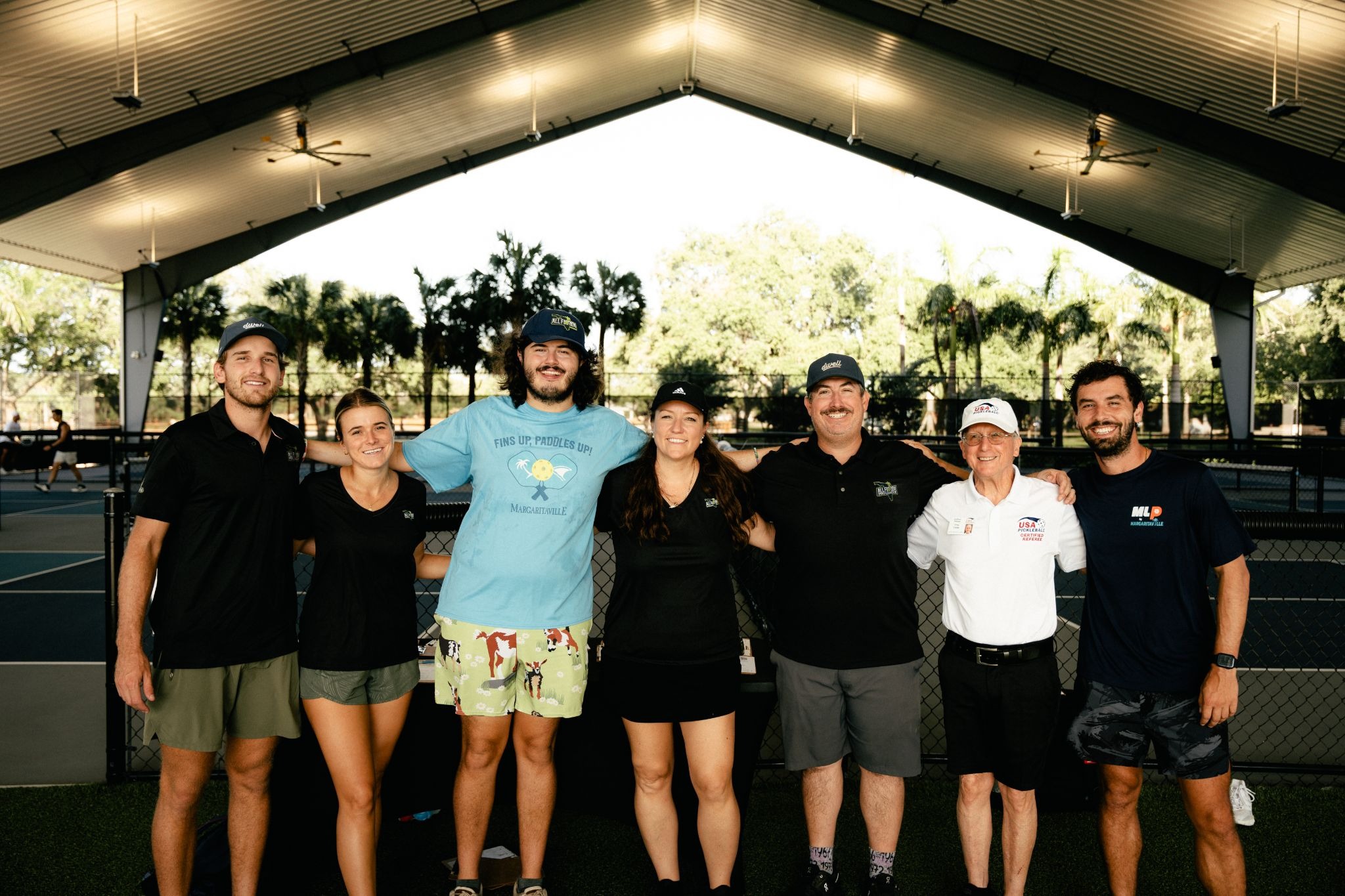
DELRAY BEACH, Fla., November 10. 2025 — Big news for Florida pickleball players: the Florida Pro-Am Circuit is officially DUPR Verified, meaning every match you play will now count 50% more toward your DUPR rating.
This new partnership between All Florida Pickleball and DUPR reinforces the event’s commitment to fairness, competition, and player development, all while making Florida one of the most active, data-driven pickleball communities in the country.
A New Era for Florida Pickleball
The Florida Pro-Am Circuit, organized by All Florida Pickleball, features both professional and amateur divisions across six stops from November to April. The series offers players an elevated, yet accessible, tournament experience with guaranteed matches, live streams, and a strong focus on community and charity.
By earning DUPR Verified status, every match played in the circuit now carries more weight. Verified matches receive a 50% rating boost in DUPR’s algorithm, making each rally, each point, and each win more meaningful.
“We wanted to make sure that when you sign up for a 4.0 or 3.5 division, you’re playing against people who are truly your level,” said Christopher Crouch, co-founder of All Florida Pro-Am Circuit. “DUPR helps us keep divisions fair and competitive. It’s not just about playing more tournaments; it’s about making every match count.”
Fair Play, Verified
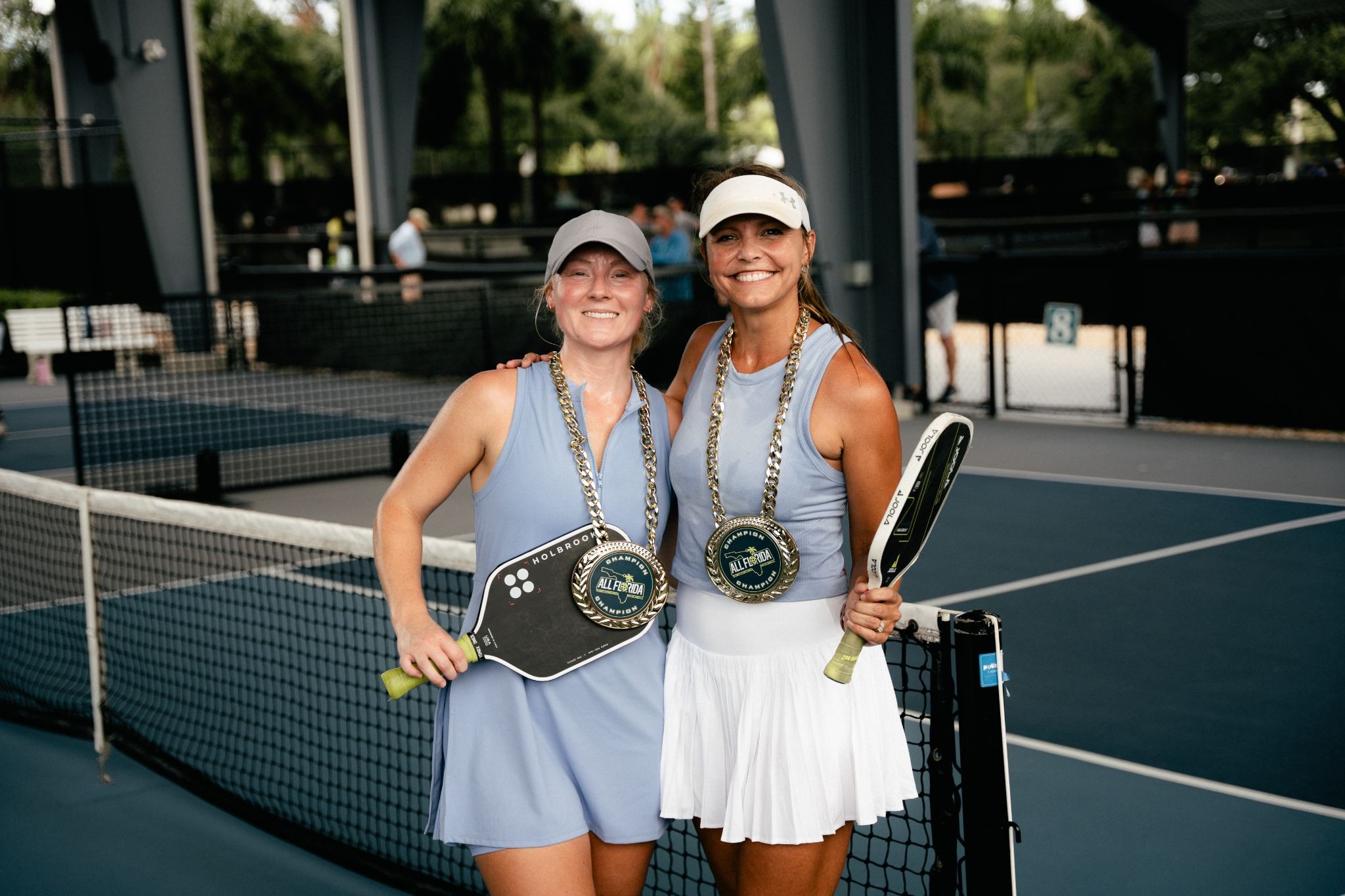
Each stop in the Pro-Am Circuit enforces DUPR-based entry ranges, ensuring balanced brackets and minimizing sandbagging. For example, 4.0 divisions are limited to players rated between 3.75 and 4.25 DUPR, a system that’s actively checked weekly during registration.
This structure not only elevates the level of play but also builds trust in the results. Players know that when they step on court, they’re facing competition that’s measured, verified, and fair.
Charity Meets Competition
True to its motto “Where charity and community meet competition,” every Florida Pro-Am event features a charitable initiative. The first stop in November supports Feeding Tampa Bay through a food drive, followed by a December toy drive for local families.
“Our goal has always been to make pickleball an asset to the community,” added Christopher. “Whether it’s through competition, giving back, or bringing people together, we want every event to leave a positive impact.”
Why DUPR Verification Matters
DUPR Verified events don’t just make results official; they make them more accurate and valuable.
- 50% More Weight: Your verified matches impact your rating faster and more precisely.
- Better Competition: Divisions are structured by actual skill, not self-reported levels.
- Greater Reliability: Verified results build stronger, data-backed player profiles.
Whether you’re a seasoned pro or a new tournament player, your Florida Pro-Am results will now reflect your true performance and move your rating accordingly.
Season Details
- Season: November 2025 – April 2026
- Stops: Six across the state of Florida
- Guaranteed Prize Money for pro divisions
- Live Leaderboard: Track your ranking across all six events
The next stop of the Florida Pro-Am Circuit will take place December 5–7 at Lone Palm Golf Club in Lakeland, FL and registration is still open!
To celebrate, organizers have extended registration through Wednesday November 12th and launched an Early Black Friday Deal:
👉 Amateur divisions are only $10 each until Cyber Monday for all Florida Pro-Am Circuit stops.
Ready to Play?
Join one of the most exciting circuits in the Sunshine State and make every point count towards your DUPR rating.
Community
Clubs
Pickleball Tournaments
November 7, 2025
DUPR Verified Club Turns Empty Retail Space into Pittsburgh’s Next Pickleball Hotspot
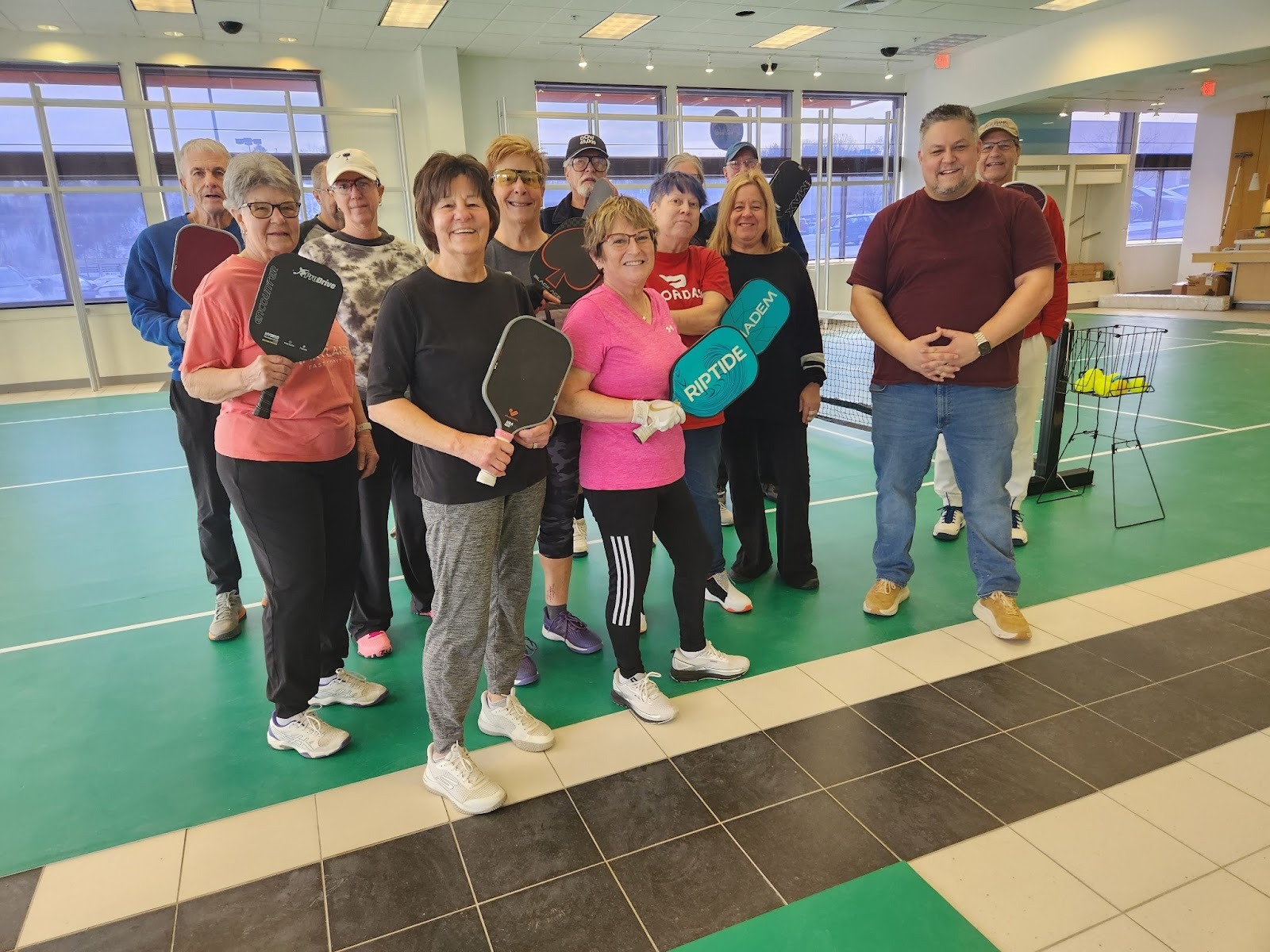
When you step inside Pickle Parlor, it’s hard to imagine that just a year ago, it was an empty 10,000-square-foot former Ulta Beauty store in the Monroeville Mall. But thanks to co-founders David Work, Christopher Russell and Bryan Kiger, what was once unused space has been transformed into one of Pittsburgh’s most exciting indoor pickleball experiences, and now, a proud DUPR Verified Club.
From Idea to Reality
The concept began with a simple idea: turn vacant retail space into something the community could enjoy.
“We’ve got a little bit of experience in turning retail spaces into community benefit spaces,” Bryan shared. “Pickleball, being the fastest-growing sport in the country, seemed like a natural fit.”
David, Christopher and Bryan joined forces, balancing their development background with their pickleball passion, and launched Pickle Parlor officially in February 2025. What started as a community experiment has quickly become a hub for social play, skill development, and digital innovation.

A 24/7 Pickleball Experience
Pickle Parlor runs on a fully autonomous model powered by Pod Play, meaning players can book courts and play 24 hours a day, 7 days a week without any staff required. The venue’s reservation-based system makes it easy for anyone to drop in, play, and enjoy the sport without friction.
But as demand grew, so did player expectations. “We realized that players wanted more programming , not just court time,” David explained. “They wanted structure, coaching, and community.”
That realization led to a new chapter: hiring four coaches who are getting their DUPR Coach certifications, building out clinics and leagues, and introducing “Coach Open Play,” which are supervised play sessions that blend casual fun with on-court tips from certified instructors.
Becoming a DUPR Verified Club
In September 2025, Pickle Parlor became a DUPR Verified Club, a move that gives players the chance to earn reliable ratings through the Pod Play–DUPR integration. Players can now choose to make any match count towards their DUPR rating, without the need to log in the scores themselves.
“We wanted to differentiate ourselves from other local clubs,” Ryan said. “Being DUPR Verified gives us that edge. It’s giving more value to our players, something no one else in our area is offering right now.”
For players, that means they’ll have access to DUPR Verified Events, which carry extra weight toward their ratings, along with an ad-free experience on the DUPR App and special pickleball discounts. All of it simply comes with being a member at Pickle Parlor.
“Going DUPR Verified wasn’t just about ratings,” Bryan added. “It’s also about visibility. DUPR helps us reach more players, connect with the local pickleball community, and put Pickle Parlor on the map. It’s been a real marketing boost for us.”
Digital Scoring and Instant Replays
What truly sets Pickle Parlor apart is its digital scoring system. Players can track scores, service order, and even watch 30-second instant replays of their best rallies. It’s perfect for social media clips, reviewing line calls, or just reliving a great point.
If you have a standout point that deserves to be featured, send it our way; it might become our Point of the Week. Click here to submit it.
“Some of our favorite moments come from players watching their own highlight reels,” David laughed. “We even had a high school group record their own mini round-robins with bets and celebrations.”
Building the Next Generation of Pickleballers
Pickle Parlor is investing in the next wave of players. Their upcoming after-school program will introduce middle and high school students to the sport, with potential DUPR- high school tournaments on the horizon.
“It’s amazing to see how many young players are getting into pickleball,” said Bryan. “We already have high schoolers running their own tournaments here. We want to give them more opportunities to grow.”
Interested in running official High School Pickleball Events? Click here.
The Vision Ahead
“Our goal is to replicate this model in similar communities,” David said. “We want to keep creating spaces that bring people together, give them a place to play, and make pickleball accessible to everyone.”
Until then, Pickle Parlor will keep doing what it does best: creating a fun, social, and tech-powered pickleball experience, all under the same roof where beauty products once stood.
If you are interested in becoming a DUPR Verified Club, click here to apply.
Clubs
Community
November 5, 2025
DUPR Partners with Brick Wall Pickleball to Power the Future of Pro Pickleball
Delray Beach, FL — November 5, 2025 — DUPR (Dynamic Universal Pickleball Rating), the world’s most accurate and adopted rating system, has announced a new partnership with Brick Wall Pickleball, a rapidly growing pro pickleball series built around players, community, and accessibility.
What began as a small moneyball event among friends in South Florida has developed into a competitive, player-focused professional circuit. In 2025, Brick Wall hosted 36 events across four regions, distributing more than $90,000 in prize money to professional players nationwide. With the support of DUPR, the series plans to expand in 2026 by doubling the number of events and increasing total payouts fivefold.
“DUPR may be the most ubiquitous organization in pickleball,” said Cody Sivan, the founder of Brick Wall Pickleball. “People are so passionate about their rating, it’s easy to see they’ve built something special. Now, they’re helping craft the future of pickleball worldwide as we build the future of the pro game. It couldn’t be a better fit.”
Through this partnership, DUPR will be integrated into every Brick Wall event, enabling players to increase their pickleball ratings through every match, every rally, and every result.
“With the implementation of DUPR, players are competing for their share of the payout every tournament, for ranking points every game, and a chance to improve their rating with every rally,” said DUPR CEO Tito Machado. “Brick Wall is building a professional system grounded in fairness and community — the same principles that define our mission at DUPR.”
Brick Wall Pickleball has become known for its $100 entry fees, 4-game minimums, and big payouts, but its heart lies in accessibility.
“I was once a college baseball player who spent nights at homeless shelters and days at plasma donation centers because the sport was financially inaccessible,” Cody shared. “At Brick Wall, we’re creating a system where players can pursue the sport they love — and more than just the top few can make a living doing it.”
As Brick Wall expands nationwide with DUPR’s rating technology, its mission remains unchanged: to build a pro system centered on the players and the community.
About Brick Wall Pickleball
Brick Wall Pickleball is a pro pickleball series founded in 2025 with one simple mission — to create fair, competitive, and community-driven events for players of all levels. Known for its low entry fees, efficient formats, big payouts, and top-tier competition, Brick Wall has quickly become a go-to platform for aspiring and professional players across the U.S. Learn more at brickwallpickleball.com.
About DUPR
DUPR (Dynamic Universal Pickleball Rating) is the premier global pickleball rating system and technology platform, trusted by the world’s leading clubs, tournaments, leagues, and players. Its dynamic system evaluates players on a 2.000–8.000 scale across age, gender, and location. DUPR is the official rating system of the United Pickleball Association (UPA), PPA, Major League Pickleball (MLP), Pickleball.com, Life Time, The Picklr, National Team Pickleball League, and National Pickleball League. It also owns and operates Minor League Pickleball and Collegiate Pickleball, two of the largest amateur circuits in the sport. For more information, visit www.dupr.com.
Media Contacts
Kyrill Hartog
VP of Marketing & Communications, DUPR
kyrill@mydupr.com
Cody Sivan
Founder, Brick Wall Pickleball
cody@brickwallpickleball.com
Partners
Pickleball Tournaments
Community