Ashley Griffith's 4 pickleball tips to make the game easier
You're pulled wide, a step late, and the ball is coming in hot. Most players try to hit a perfect reset that skims the tape. Pro and coach Ashley Griffith takes a different approach. She just tries to survive the ball.
That mindset is the first of four pickleball tips Griffith calls her "cheat codes." None of them require faster hands or a new paddle. They're small shifts in how you think about each shot, and they make the game feel slower and easier almost right away. Here's how each one works and how to use it in your next session.
1. Miss high and keep the point alive
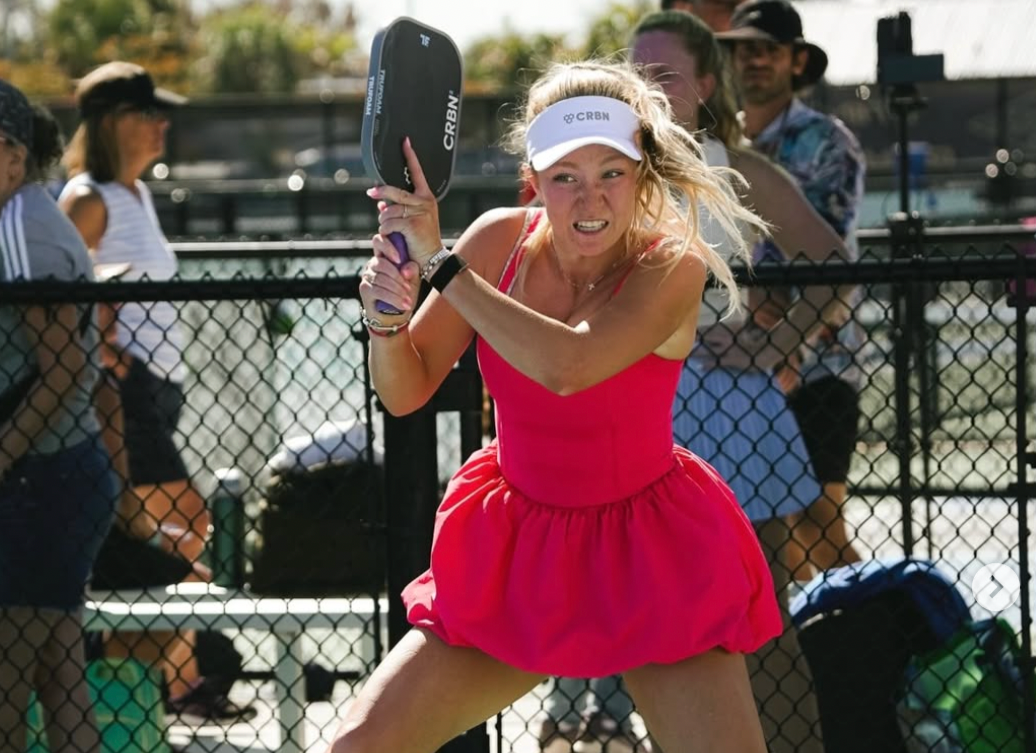
When you're in trouble, stop chasing the perfect shot. If you're stretched, late, or off balance, a reset that barely clears the net is a low-percentage play. Give yourself more margin and get the ball back over.
"When I'm in trouble, I'm not thinking, 'How do I win this ball?'" Griffith says. "I'm thinking, 'How do I survive this ball?'"
Here's the logic. Every ball you get back forces your opponent to hit one more shot. That's one more chance for them to miss and one more chance for you to work back into the rally. You don't have to win every ball. You just have to get through the one you're on.
Try this in your next tournament : any time you're defending from a bad position, aim a foot or two higher over the net than usual. Then count how many of those points you end up winning.
2. Respect the triangle in hands battles
Most players think hand battles go to whoever has the quickest reflexes. Speed helps, but Griffith argues that anticipation matters more. Where you speed up the ball tells you a lot about where it's coming back.
That's the triangle. Speed up to an opponent's backhand, and the counter tends to redirect one way. Speed up to their forehand, and it tends to go the other way. Trace those ball paths and they form a triangle, with counter patterns you'll see over and over.
The takeaway is simple. After you speed up, don't admire your shot. Get your paddle to where the counter is most likely headed.
"A lot of hand battles aren't won because someone has faster hands," Griffith says. "They won because somebody was ready earlier."
3. Your recovery matters as much as your shot
Players spend a lot of energy grading their own shots. Was the drop good? Did I hit my target? Griffith's point is that the moment you make contact, that shot is over and you have a new job.
You can hit a great ball and still lose the next exchange if you're out of position, leaning, or watching your own shot. You can also hit an average ball and stay in the point because you recovered well.
After every shot, lean into your Pickleball IQ: where do I need to be now? Then do three things:
- Get your paddle back up and ready
- Get balanced
- Recover your court position
"Your shot is only half the play," Griffith says.
4. Make your opponent uncomfortable first
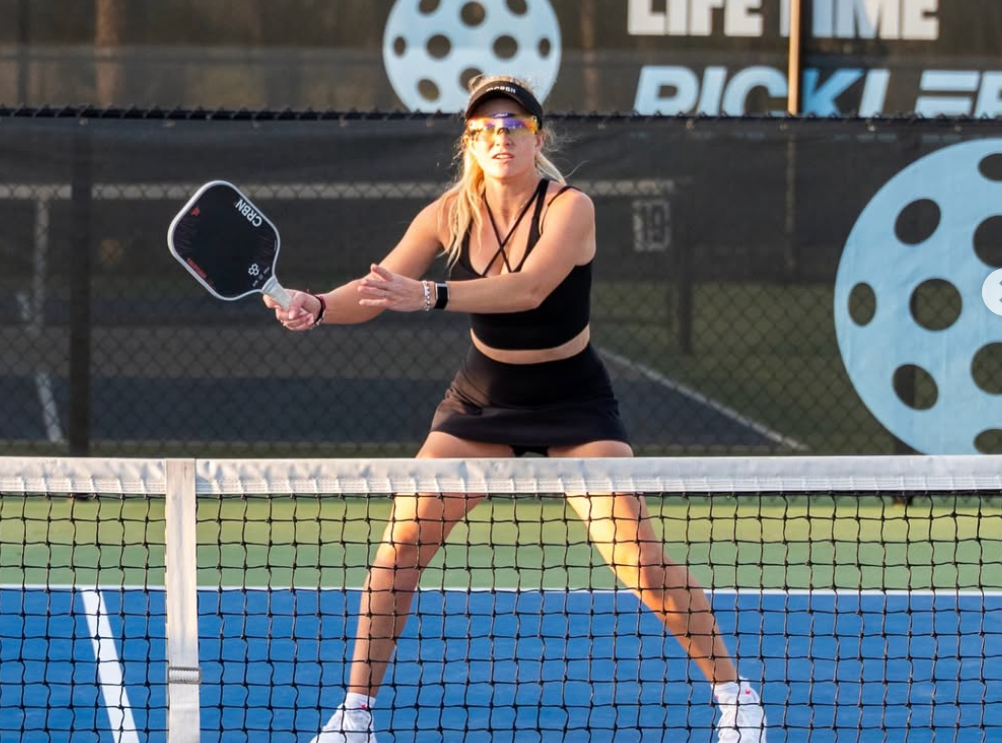
Pressure doesn't have to mean hitting harder. Griffith defines pressure as anything that makes your opponent's next contact worse. That includes:
- Making them reach
- Jamming the ball into their body
- Moving them off the court
- Forcing them to contact the ball low
- Making them hit while they're still moving
So instead of asking "How do I end this point?" ask "How do I make their next ball worse?" It's one of the simplest pieces of pickleball strategy you can apply, and it changes how you build every point. A good player isn't always going for the hardest shot. They're setting up the easiest ball to attack next.
This tip pairs naturally with tip three. When you put an opponent in a tough spot, a weak reply often comes back fast. Good recovery means you're ready for it.
How these pickleball tips show up in your DUPR rating
Here's where the cheat codes pay off beyond a single rally. DUPR Ratings don't just track wins and losses. It measures how you score compared to what was expected based on the ratings of everyone on court.
That means every point counts. Fewer errors from overhitting under pressure, fewer lost exchanges from poor recovery, and more forced errors from your opponents all add up to closer losses and bigger wins. Over a season of matches, that's how ratings climb.
Want to see what's at stake before you play? DUPR Impact, inside the Forecast tab of the app, shows how different scorelines could move your rating.
Quick recap: Ashley Griffith's 4 cheat codes
- Miss high and keep the point alive.
- Respect the triangle and have your paddle ready for the likely counter.
- Recover after every shot. Your shot is only half the play.
- Make your opponent uncomfortable before you try to beat them.
None of these tips require more talent. They require a different question in your head before each shot. Pick one, take it to your next club night, and log your matches in DUPR to see how your scores start to shift. If you want help putting them into practice, find a DUPR coach near you.

%20(1).jpg)
%20(1).jpg)