No matching results.
Search results
April 6, 2026
Student Athlete Day: Life as a College Pickleball Player
As we celebrate National Student-Athlete Day, we’re highlighting freshman Tessa Wilson and William Ye, who shared their experiences and insights about what it’s like to be a student-athlete in college pickleball. While balancing academics, training, and college pickleball tournaments takes focus, it’s also a chance to grow both as a player and as a student.
What It Means to Be a Student-Athlete
For freshman players like Tessa Wilson, college pickleball is a mix of excitement and responsibility. She explains that being a student-athlete is about representing her school while discovering who she is as both a student and a player.
“Pickleball has always been something I’m passionate about, but now it also comes with more responsibility, balancing independence, academics, and competition,” she said.
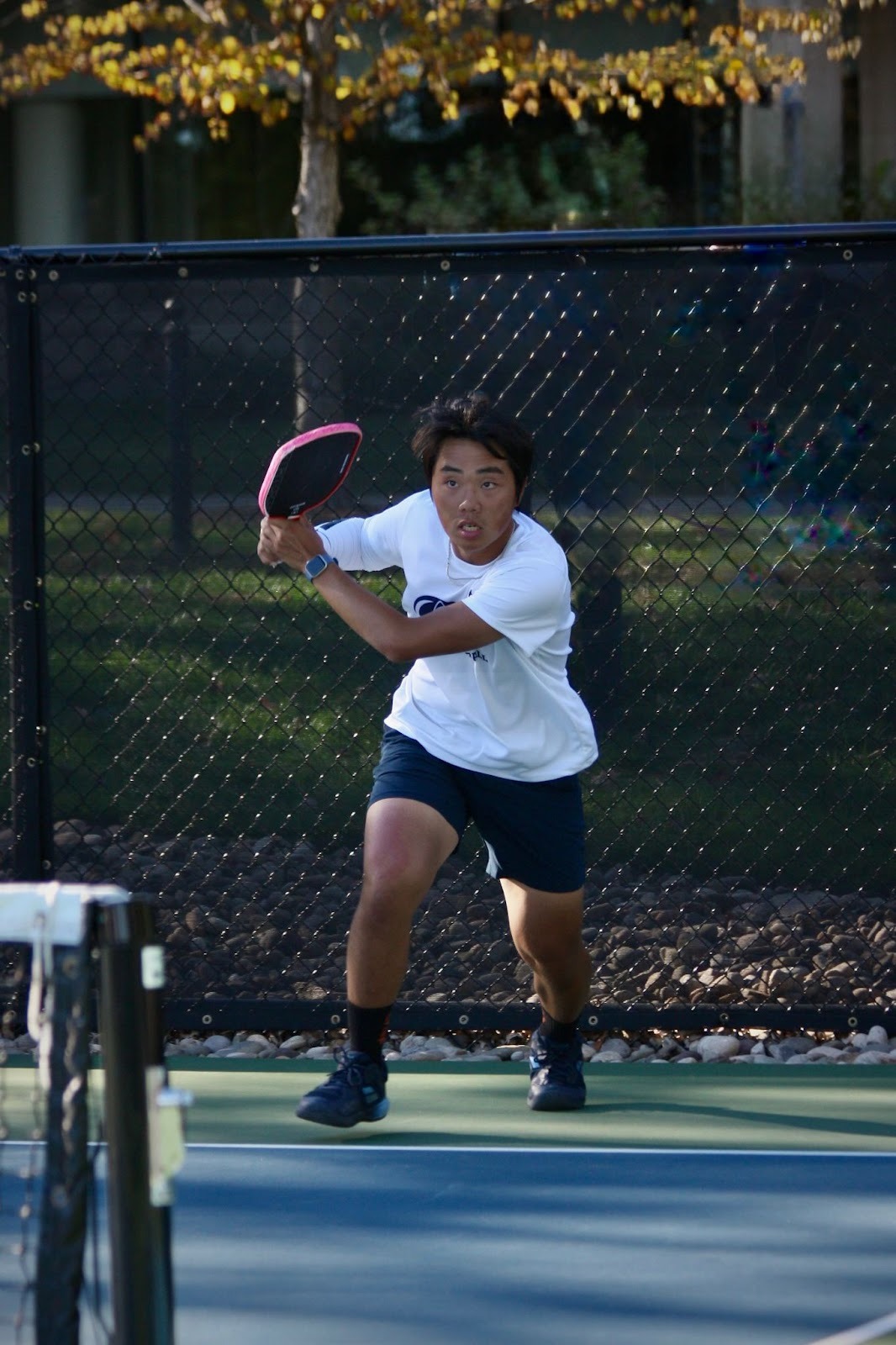
William Ye shares a similar perspective. For him, being a student-athlete means staying organized and focused while enjoying the competition and the sport he loves.
Balancing Academics, Training, and Tournaments
Managing school and college pickleball tournaments can be challenging. Tessa stays on top of her work by planning her week carefully and using small pockets of time for studying, like between classes or during travel.
“Balance is something I’m still learning every day. I’m figuring out what works for me and learning how to manage everything more independently,” Tessa explained.
William emphasizes the same idea: “student” comes first in student-athlete. He makes sure schoolwork is completed before stepping on the court. Both agree that time management is key to thriving in college pickleball.
Playing on the DUPR College Pickleball Tour
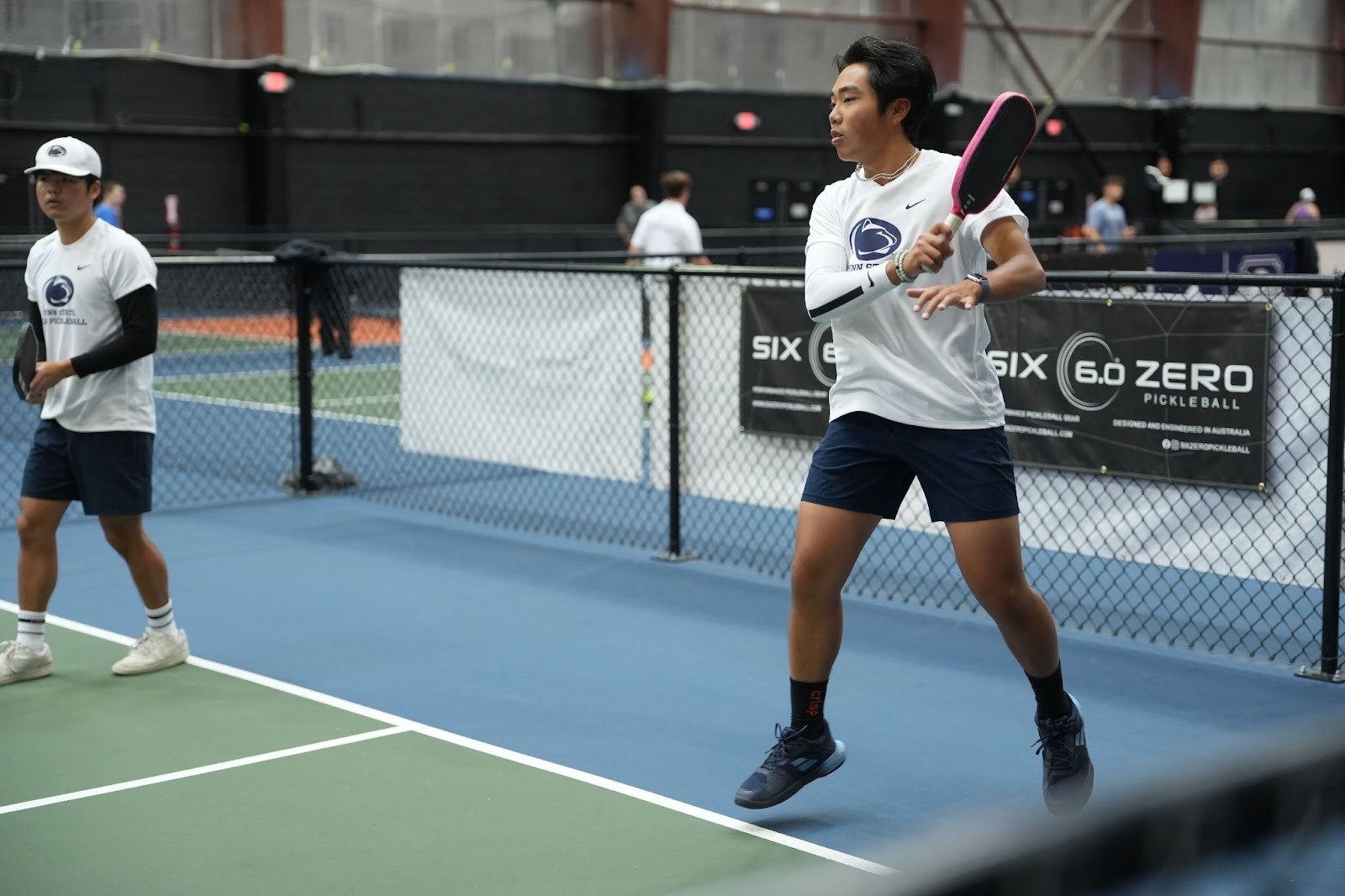
Being part of the DUPR College Pickleball Tour has been a big part of their college experience. For Tessa, it made college pickleball feel more real and competitive, motivating her to keep improving and representing her school well.
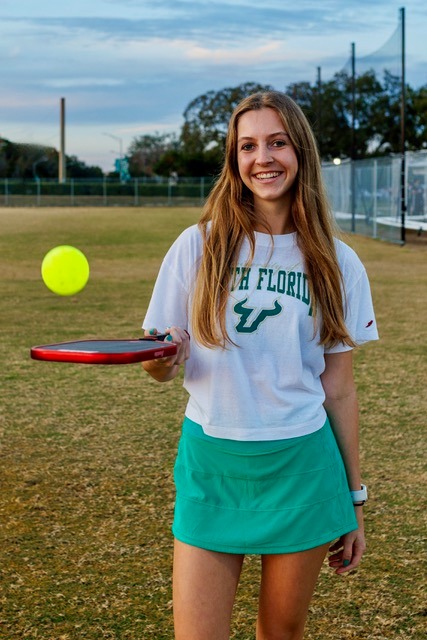
“Being part of the DUPR College Pickleball Tour as a freshman has been an amazing experience because it has introduced me to a higher level of competition right away. It’s pushed me to adapt quickly and grow as a player, while also giving me the chance to meet people from all over the country who share the same passion,” she noted.
William added:
“It has really improved my experience since college pickleball is such a big deal and is taken so seriously. It makes me feel like a true college athlete.”
Advice for Aspiring College Pickleball Players
Both Tessa and William encourage students to start early, stay organized, and enjoy the game. College pickleball is competitive but supportive, giving players the chance to grow, work on their pickleball ratings, and build connections with teammates and other college pickleball players.
“Don’t wait, just get involved as soon as you can. Most importantly, enjoy it. College pickleball is such a fun and supportive community, and it’s an experience you don’t want to miss,” Tessa said.
“If you even have a little bit of interest, go for it. It's the perfect way to have fun but also feel super competitive at the same time,” William added.
Why College Pickleball Matters
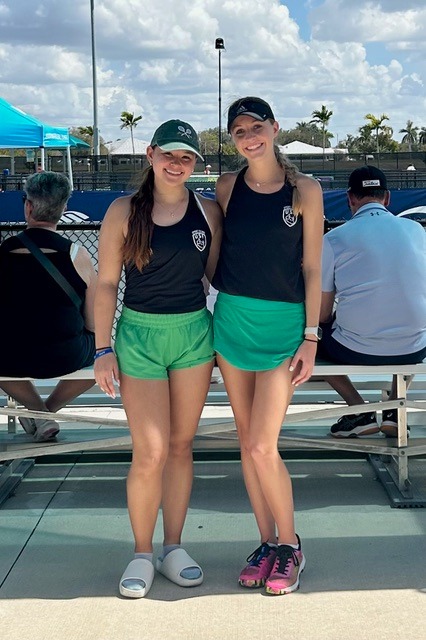
Being a student-athlete in college pickleball is about more than just competing. It’s about learning time management, balancing responsibilities, and being part of a growing community. Every college pickleball tournament is a chance to improve, compete at a higher level, and represent your school with pride.
To learn more about college pickleball, check out this page, and to stay up to date on college pickleball events, follow @college.pickleball.tour on Instagram.
College
April 6, 2026
The 2025-26 All-America Teams & The Road to The Nationals: Celebrating the Best in College Pickleball
The 2025-26 All-America Teams & The Road to The Nationals: Celebrating the Best in College Pickleball
The fifth season of college pickleball is right around the corner, showcasing a high level of talent across the country. As we prepare for The Nationals on April 9-12, we are thrilled to celebrate the incredible growth of our sport. The Nationals (previously known as the College National Championship) has expanded from 150 players to over 800 athletes.
To honor the elite talent driving this growth, we are proud to announce the 2025-26 All-America 1st, 2nd, and 3rd Teams!
For the third year, we are recognizing the top 24 players in the country. To ensure representation across the nation, we’ve split the honors between the East and the West (using the Mississippi River as the dividing line).
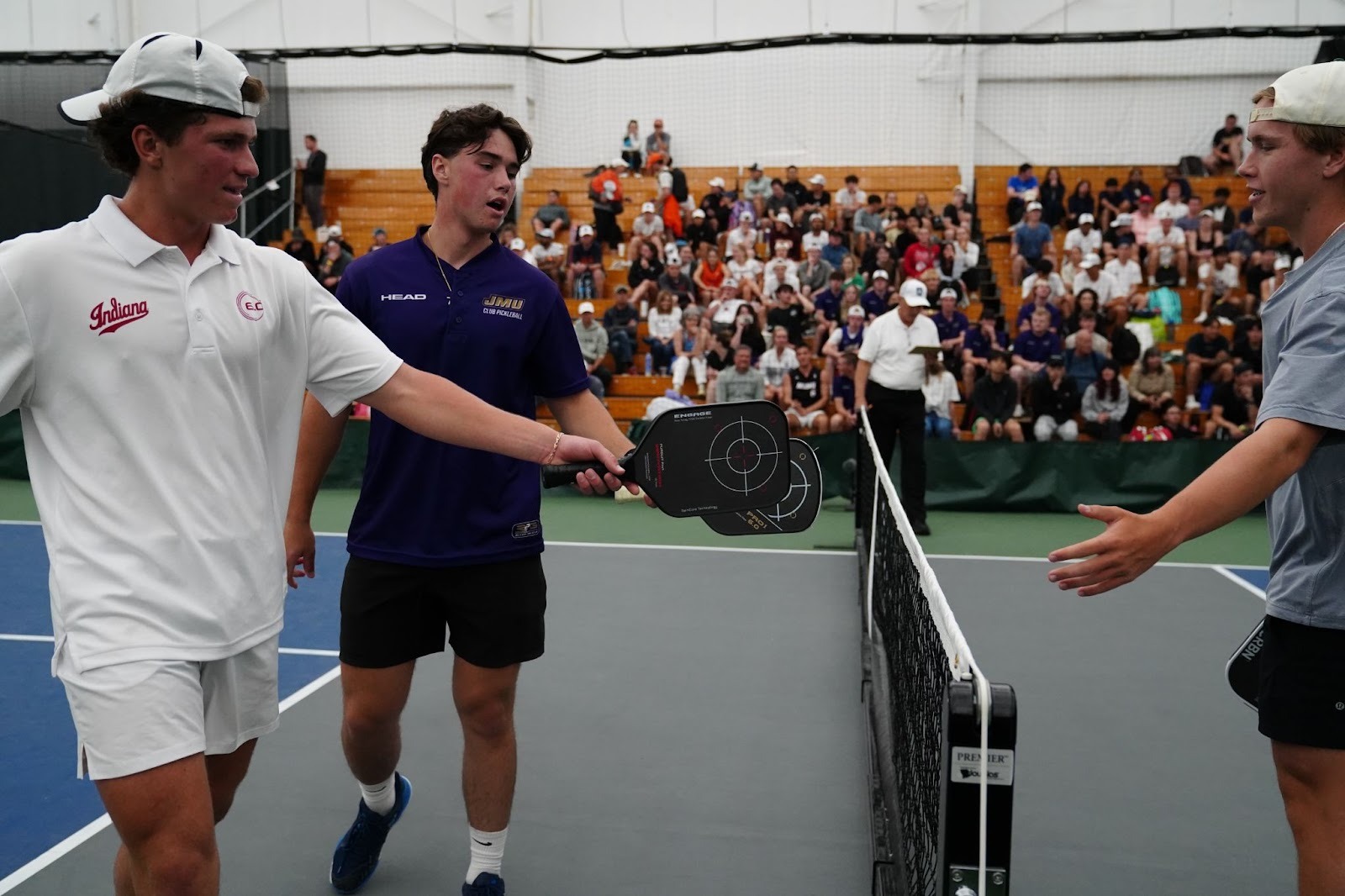
1st Team All-America: These players represent the absolute pinnacle of college pickleball and will face off in the highly anticipated East-West Game.
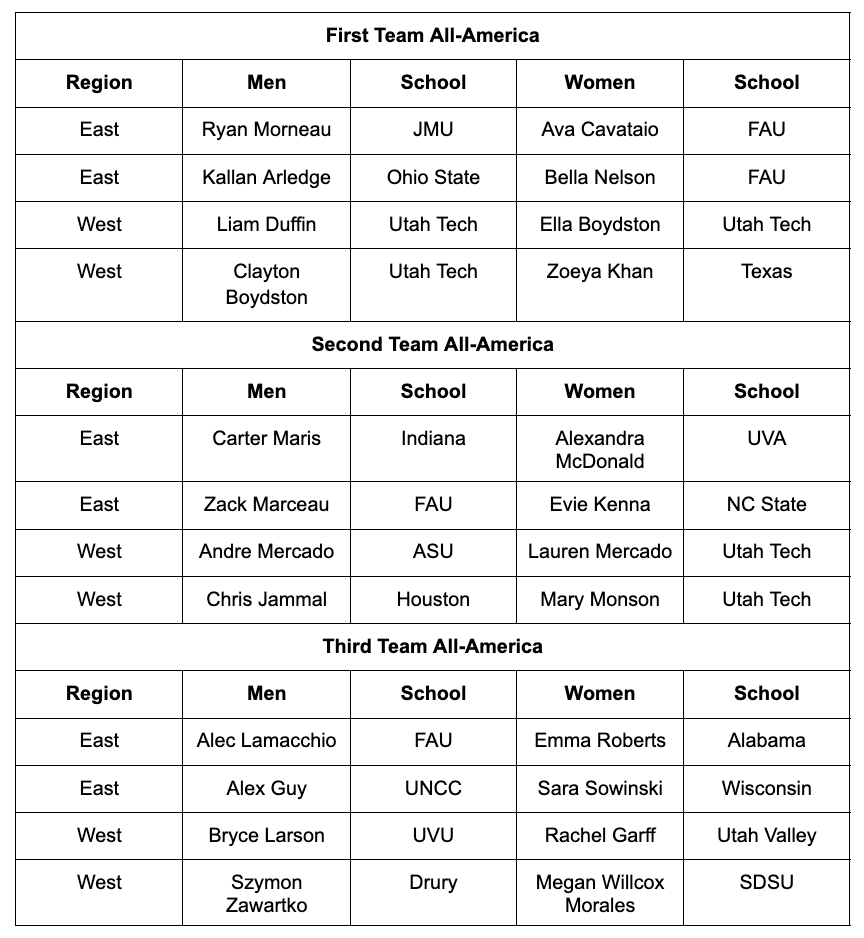
Friday Night Lights: The East-West Game
On Friday night (April 10th, 2026) at 6:00 PM, during The Nationals, the East and West 1st Teams will go head-to-head in the East-West Game. The Winning Team of the East-West game will earn an automatic spot to compete in the MLP Mid-Season tournament this summer.
For these aspiring pros, this is the ultimate opportunity to transition from the college stage to the professional arena and show the world what the next generation of pickleball looks like.
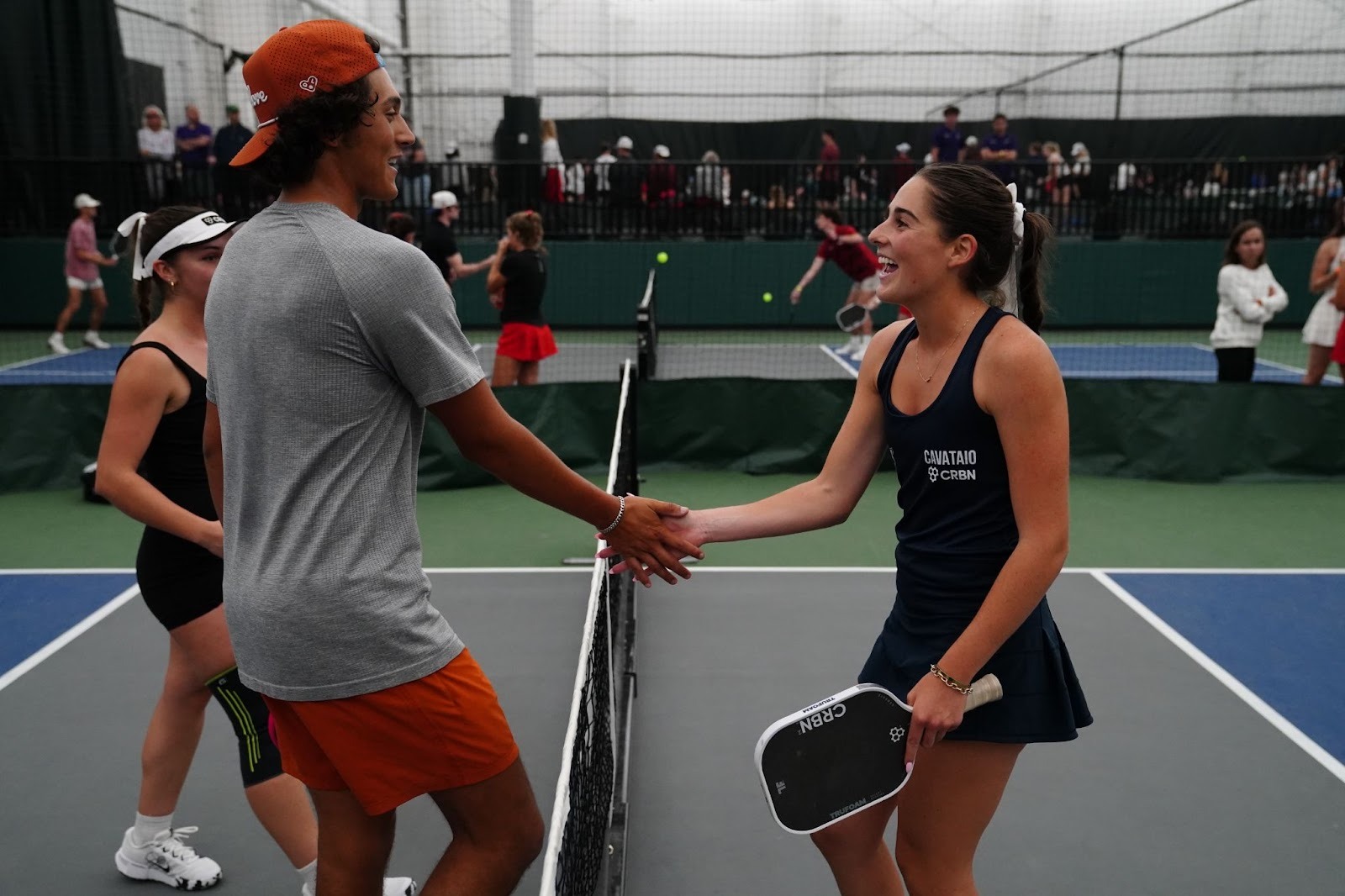
Join us in celebrating these 24 incredible athletes as they prepare to take the stage at The Nationals!
For more info on The College Pickleball Nationals, visit our blog page and follow @college.pickleball.tour on Instagram.
College
April 2, 2026
FAU Extends Streak at Georgia College Super Regional
The Georgia Super Regional brought some of the best college pickleball action of the season!
Held at the Atlanta National Pickleball Club in Alpharetta, GA, on March 28–29, this marked the fourth Georgia Super Regional. With four now completed, it is matched only by the Arizona Super Regional, continuing to reflect the steady growth of college pickleball and the increasing scale of top-tier pickleball tournaments.
This year’s Georgia Super Regional wasn’t just notable for the level of competition; it also marked a milestone in DUPR College Pickleball Tour history as the second largest Super Regional to date!
FAU’s College Super Regional Streak Continues
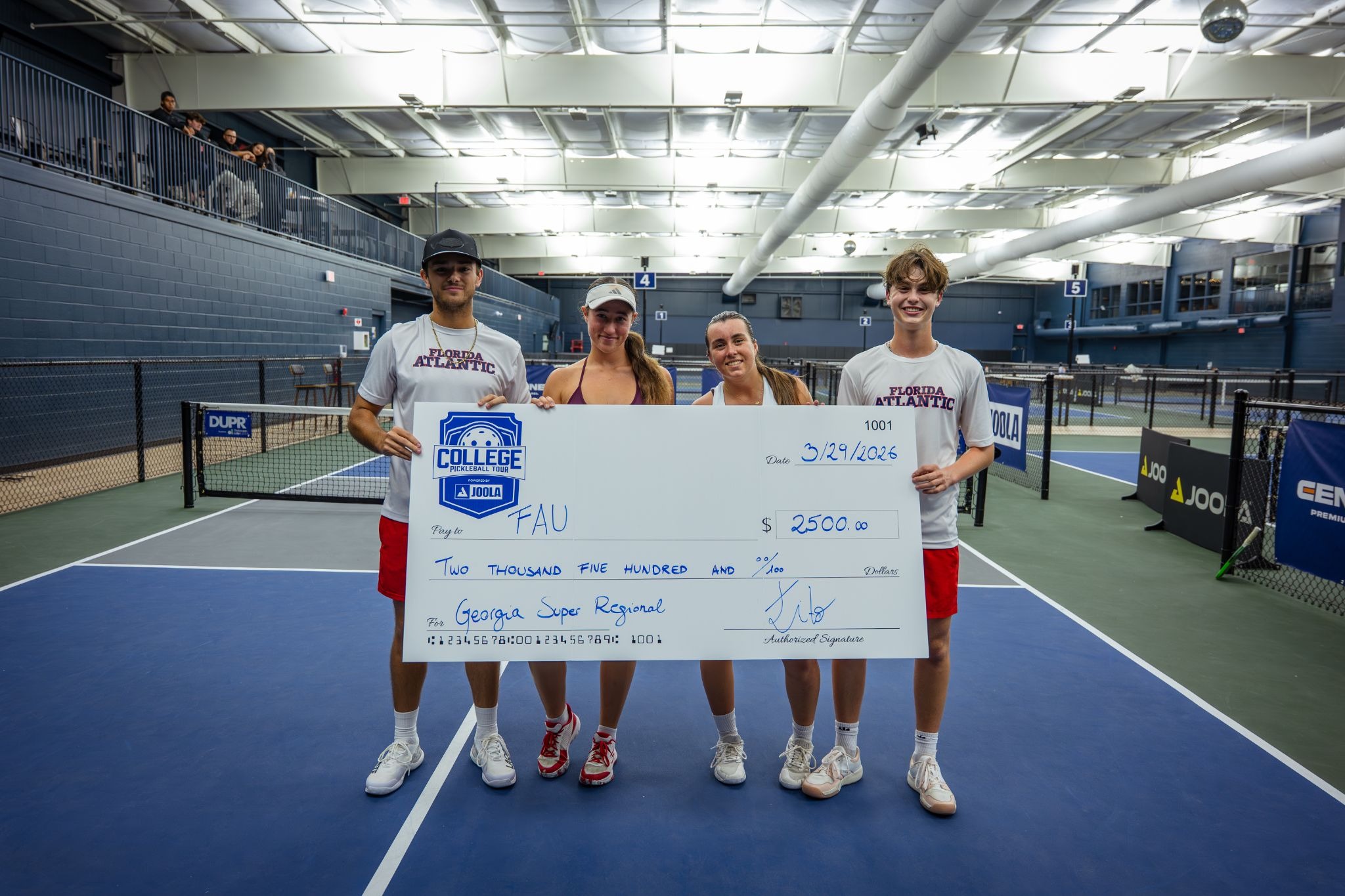
Florida Atlantic University (FAU) remains the only school that can claim a perfect Super Regional record. From 2023 to 2024 in Florida, and now 2025–26 in Georgia, FAU has never lost a Super Regional they’ve attended!
Their streak reflects the strength of their club and the quality of their pickleball players, who continue to perform consistently in high-level competition.
SEC Schools Make Their Mark
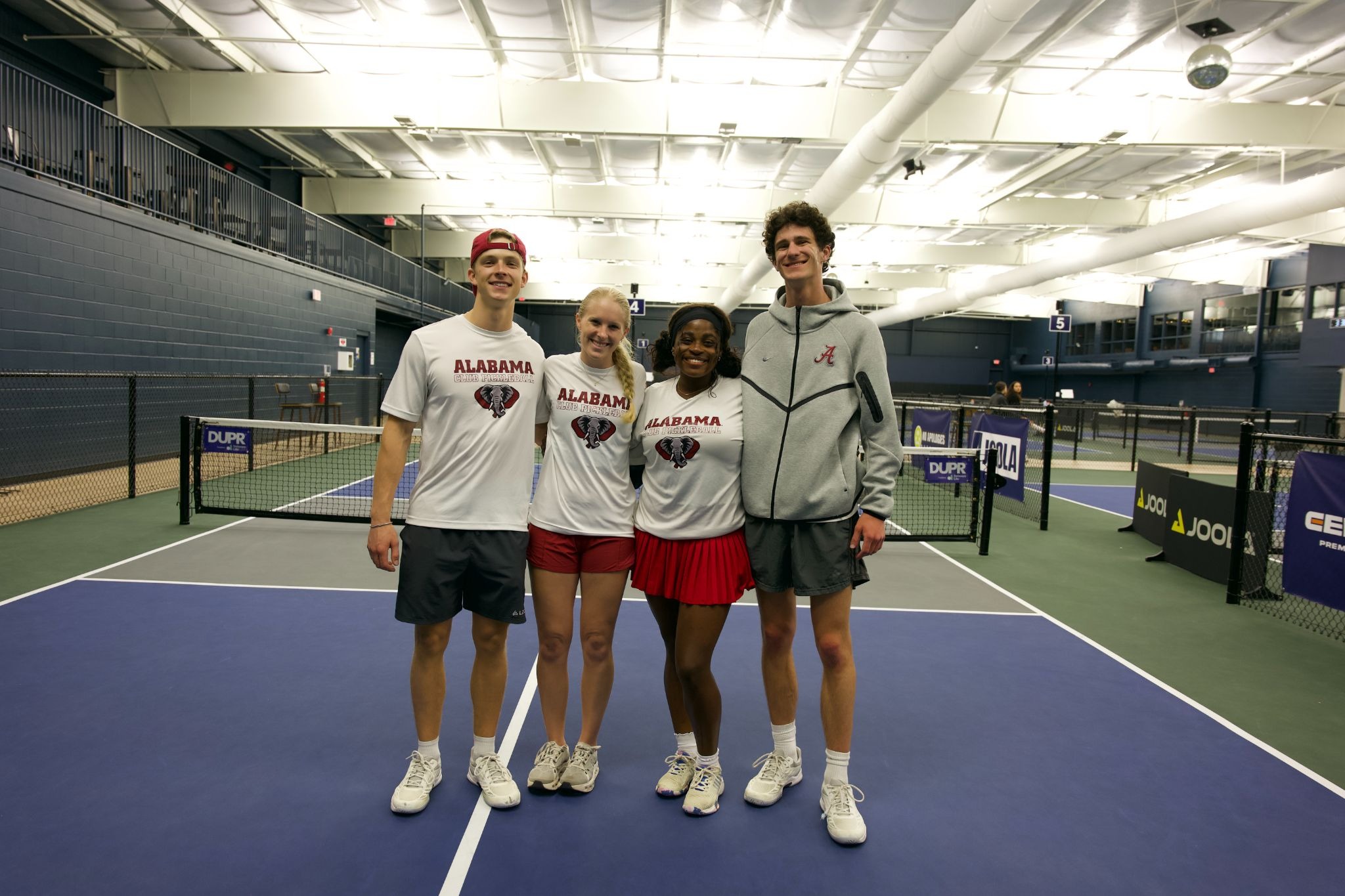
The SEC schools made a strong showing this weekend. Alabama reached its first Super Regional final, defeating longtime rival Auburn in an intense semifinal matchup. Meanwhile, UGA and UF both advanced to the quarterfinals, showing that SEC programs continue to bring a high level of competition and depth to college pickleball tournaments.
Strong Returns and Key Upsets
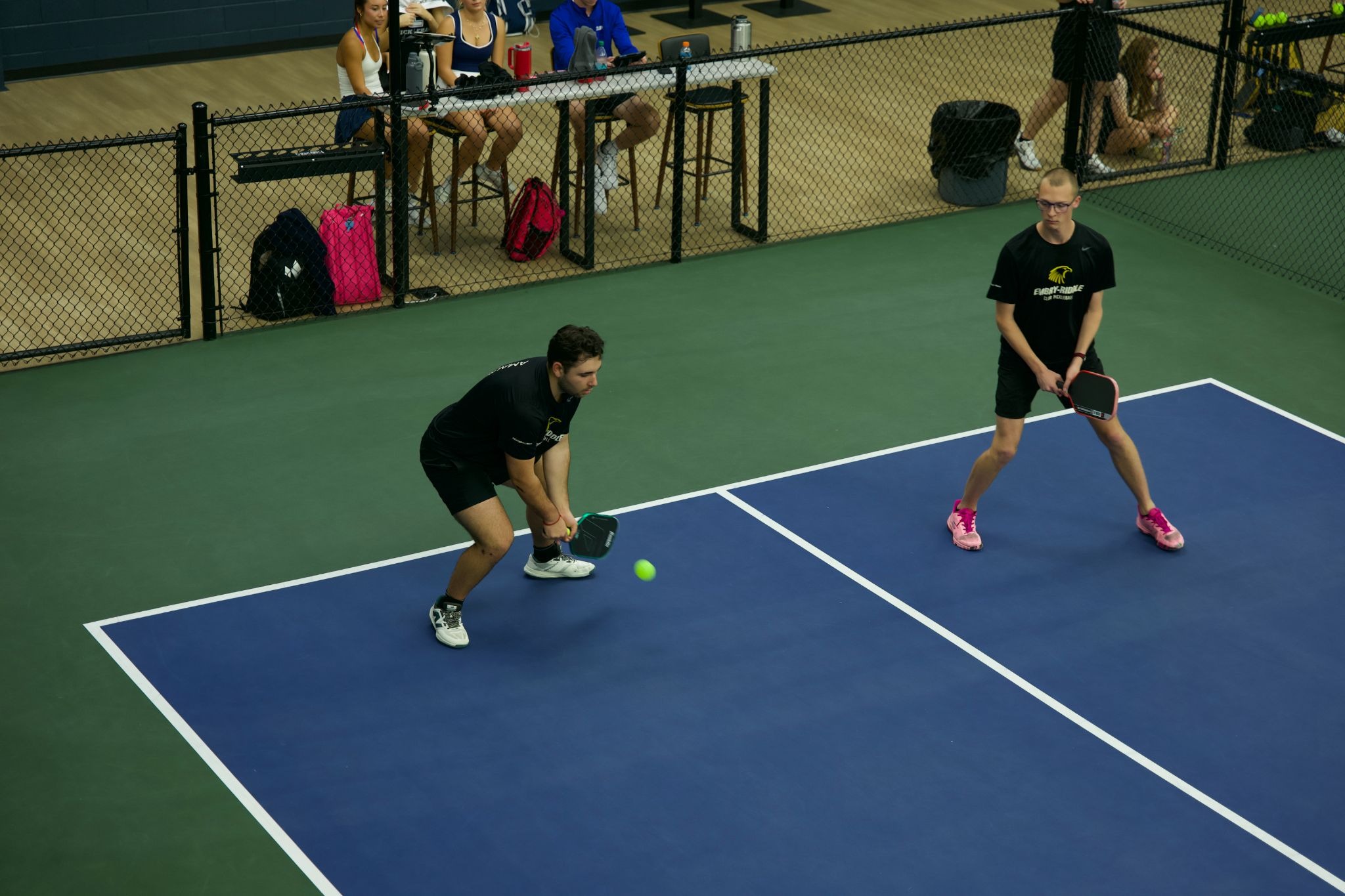
FIU and ERAU returned to competition in their first DUPR College Pickleball Tour event since 2023, and both teams made an immediate impact.
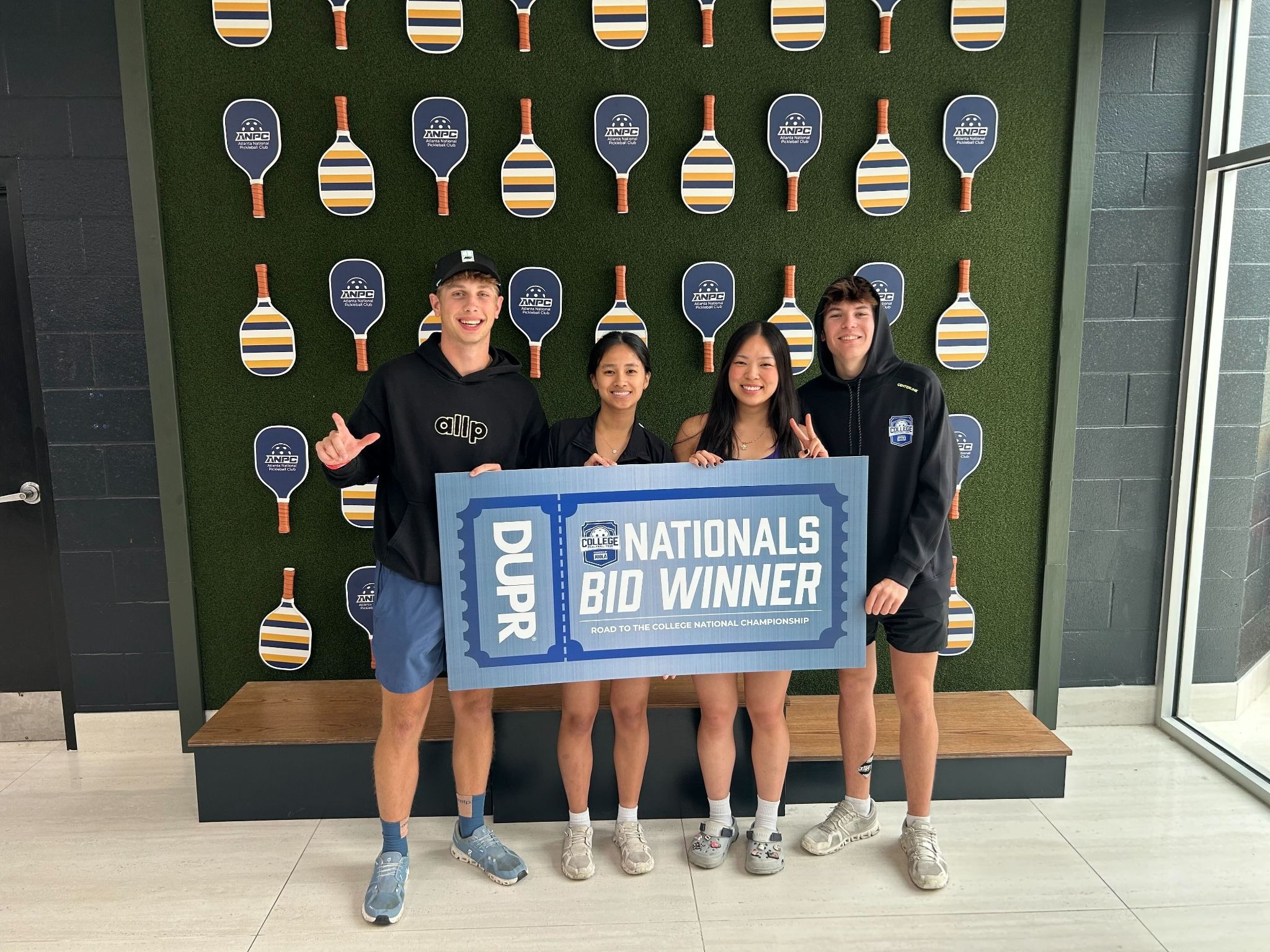
FIU delivered one of the standout results of group play by taking down #2 seed UAH. Both FIU and ERAU went on to earn bids to The Nationals, marking a successful return and boosting their position in the broader landscape of college pickleball.
Depth Within Programs Stands Out
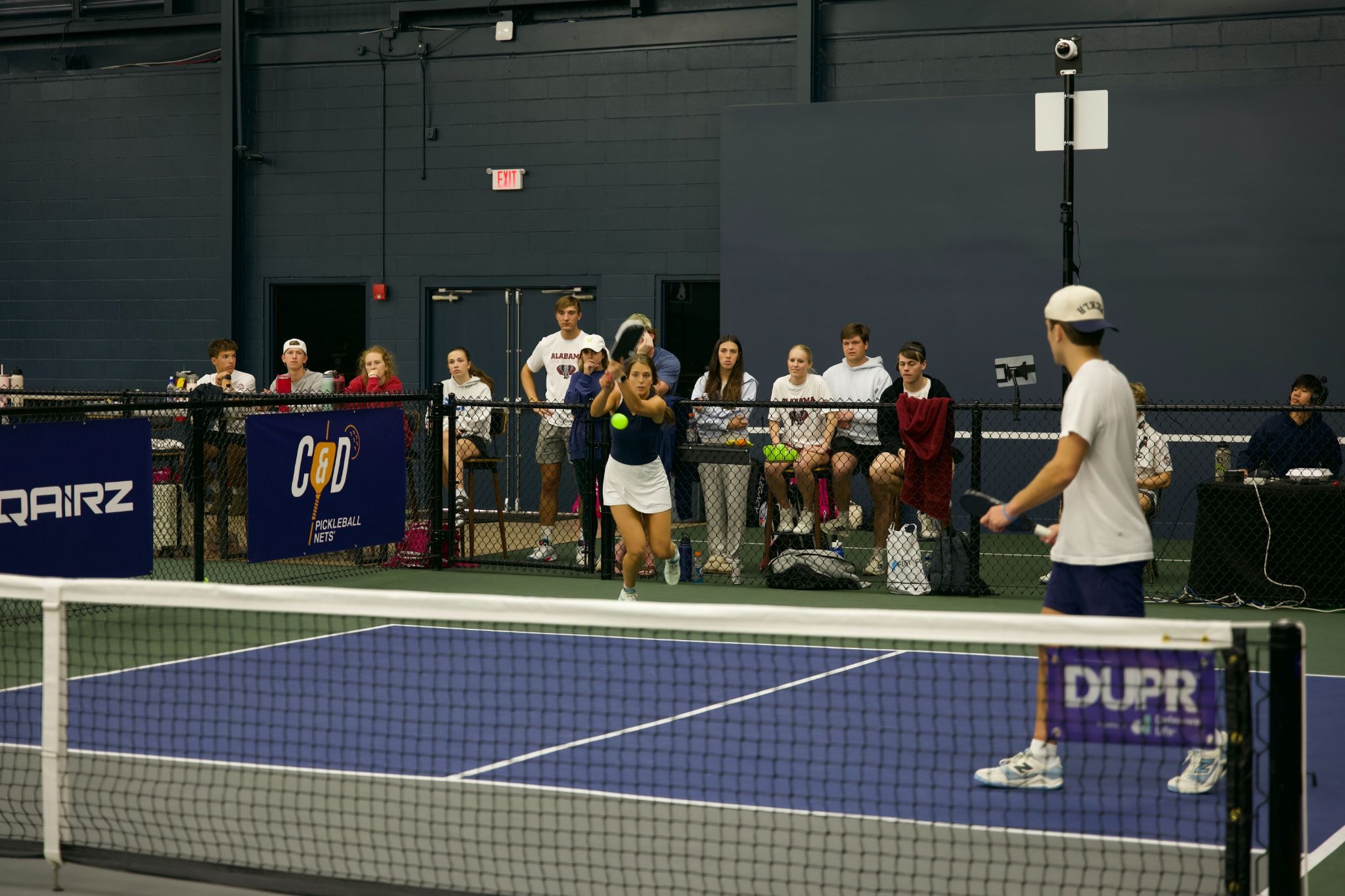
The weekend also highlighted the importance of roster depth across teams. LSU 4 team and Auburn 3 team both overperformed, finishing 2–1 in group play. Each placed higher than the other teams from their same schools, reinforcing how internal competition is raising the level of play among college pickleball players.
Efficient Group Play
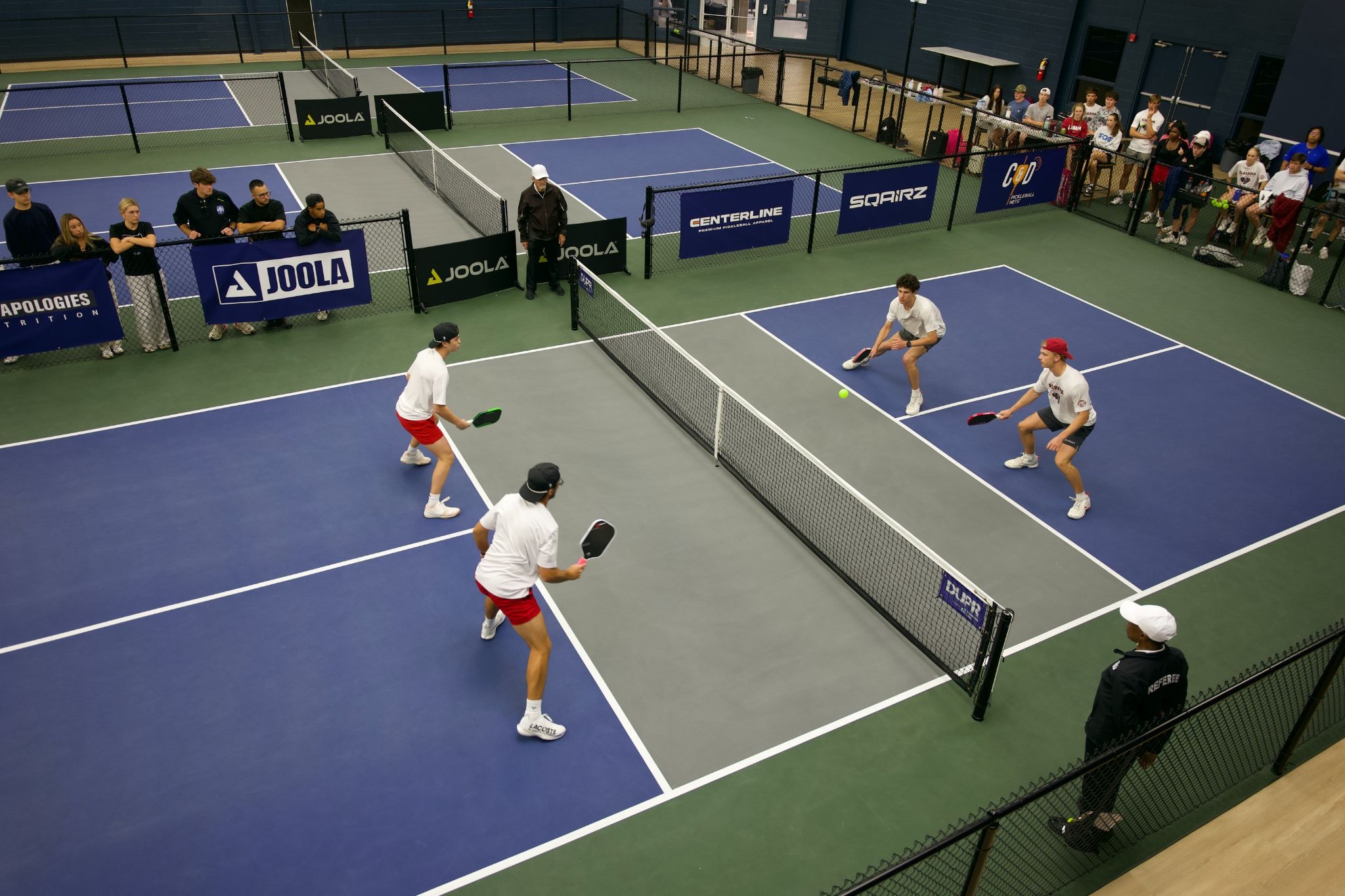
Saturday’s rounds moved quickly and efficiently. Only 3 of the 64 group play matches went to a dreambreaker, with most matches decided in straight games. The pace allowed for a smooth schedule while still maintaining a high level of competition across the board.
Bids Earned
Auburn, UCF, LSU, FIU, and ERAU secured bids through their finishes in Georgia, adding to a growing list of programs positioning themselves for The Nationals.
High School Pipeline Keeps Growing
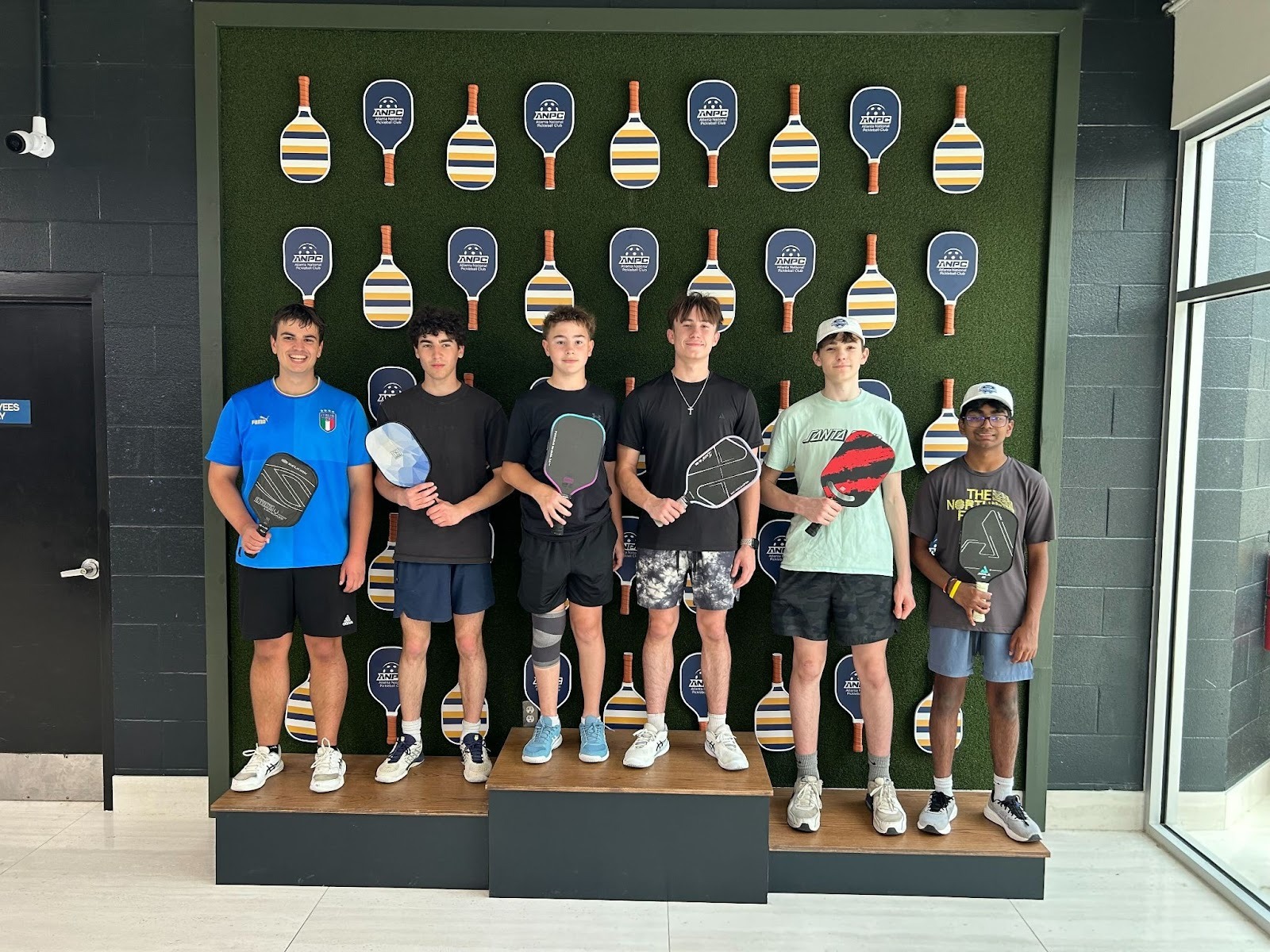
Alongside the college competition, four high school teams took the court throughout the weekend. Their participation highlights the strong connection between junior development and future collegiate programs, as more young pickleball players transition into the college system.
Download Your Pictures
Super Regional players, the Georgia SR photos are live! 📸 We’ve uploaded a shareable album with highlights from the weekend, team shots, action moments, and some of the best plays from the event.
You can view and download your photos here. Password: GeorgiaSR
Feel free to share with your teammates, post on social media, and tag DUPR at @duprpb when you do!
With just one week remaining until The Nationals, the focus now shifts toward final preparations as teams continue to test lineups, establish DUPR rankings, build experience, and position themselves for what will once again be the largest college pickleball event in history.
College
March 11, 2026
Major League Pickleball (MLP presented by DoorDash) Introduces Minor League Pickleball (MiLP) Regional Showdowns to Open New Amateur Pathways
Regional Showdowns to Take Place at a Collection of 2026 MLP Pro Events; Registration Open Through MLP’s Official Website
Major League Pickleball (MLP presented by DoorDash) and Minor League Pickleball (MiLP) today announced a partnership featuring a new series of Regional Showdowns - amateur pickleball competitions that will be integrated into select 2026 Major League Pickleball season events. Registration is now available via MLP’s official website.
MiLP Regional Showdowns are designed to bring meaningful, team-oriented competition to players of all skill levels and create a pathway to national championship play. These events will give amateur athletes the opportunity to compete in a four-player, coed team format (two women and two men) and a three-player, gendered team format (MiLP v3), following official MiLP team rules.
Regional Showdowns will be held alongside various MLP pro events throughout the league’s 2026 season:
- May 22-25 in Dallas, TX
- May 28-31 in Columbus, OH
- June 11-14 in Austin, TX
- June 25-28 in New York, NY
- July 16-19 in Newport Beach, CA
- July 23-26 in Chicago, IL
- Aug 13-16 in San Diego, CA
“This partnership is about community first - creating a structure where aspiring players, local markets, and professional teams all operate within the same system, strengthening pickleball from the ground up,” said Waseem Mansoor, Director of Team Business & Operations, MLP. “Together, we’re unifying and supporting development, visibility, and the long-term growth of the sport.”
“Minor League Pickleball is building the base and Major League Pickleball is building the spotlight,” said Cesar Clemente, VP of Revenue at DUPR. “When you connect a true grassroots pathway with a real pro stage, you don’t just grow a sport — you build a system. And it brings fans and amateur players who love the MLP format into the same place as the pros they admire.”
Key Features of MiLP Regional Showdowns:
- Open to all ages and skill levels, with players placed into divisions based on their DUPR rating
- Teams may compete independently or under an affiliated MLP Minor League team umbrella
- Division winners earn a “Dream Ticket” - an automatic qualification to the Minor League Pickleball Championships in early 2027 (date TBA)
- Every match contributes toward the MiLP National Leaderboard, fueling season-long competition and ranking
- As marquee events, all players will earn double the point system, based on their team’s event placement
The MiLP Championships represent the pinnacle of amateur team pickleball competition, featuring top teams from across the country and the world competing for significant prize money and international honors.
MiLP builds on MLP’s commitment to expanding the sport’s reach, offering amateur players a clear and exciting path forward as the sport of pickleball continues its rapid growth across the United States.
About Major League Pickleball (MLP presented by DoorDash)
Founded in 2021, Major League Pickleball (MLP presented by DoorDash) is the preeminent, coed, team-based professional pickleball league, featuring over 100 of the best athletes across 20 teams, iconic team owners, and the most electric live events and fan experience in the sport. In 2024, MLP and the PPA Tour merged under the newly-formed United Pickleball Association (UPA), bringing together the leading pro pickleball organizations under a single entity. Visit the official website and follow MLP on Facebook, Twitter, Instagram, TikTok and YouTube for more information.
About DUPR
DUPR (Dynamic Universal Pickleball Rating) is the premier global pickleball rating system and technology platform, trusted by the world's leading clubs, tournaments, leagues, and players. DUPR's dynamic rating system unifies pickleball across age, gender, and location by analyzing match results to accurately evaluate all players across a 2.000 - 8.000 scale. DUPR is the official pickleball rating of leagues, tournaments, and clubs around the world, including United Pickleball Association (UPA), Professional Pickleball Association (PPA), Major League Pickleball (MLP), Pickleball.com, Life Time, The Picklr, National Team Pickleball League, National Pickleball League. It also owns and operates Minor League Pickleball and College Pickleball, two of the biggest amateur leagues in the sport. Players and operators can visit www.dupr.com to sign up and learn more.
About MiLP
Founded in 2022, Minor League Pickleball (MiLP) is the home of team pickleball and the largest amateur team pickleball league in the world. Built on the same coed, team-based format that powers the pro game, MiLP gives amateur players a clear pathway to compete, connect, and advance within a structured national and international system. With over 10,000 players and hundreds of events annually, MiLP operates across the United States, Canada, Australia, China, and additional emerging markets, bringing team pickleball to clubs and communities around the globe. Visit the official Minor League Pickleball website and follow MiLP on social media for event information, rankings, and registration details.
Media Contacts:
Jay Moskowitz, Major League Pickleball
Caroline Luelf, Minor League Pickleball
The Dink MiLP
Community
March 8, 2026
International Women’s Day Spotlight: Anne Worcester and a Legacy of Leadership in Pickleball
Throughout this week, in celebration of International Women’s Day, we’ve been highlighting women who are helping shape the future of pickleball—from leaders behind the DUPR College Pickleball Tour and The Dink Minor League Pickleball powered by DUPR, to coaches, organizers, and professional athletes competing on the sport’s biggest stages.
Today, on International Women’s Day, we spotlight Anne Worcester, a pioneering sports executive whose career spans more than four decades across global racquet sports. From professional tennis to the rapidly rising world of pickleball, Worcester has helped shape the business and culture of sport through visionary leadership, relationship-building, and an unwavering belief in opportunity.
Her journey offers not only a remarkable career story, but also a powerful reflection on how women continue to transform the sports industry.
A Career That Began With Opportunity—and a Leap of Faith
Like many careers in sports, Anne Worcester’s path began with a simple need: finding a job after college.
“I needed a job out of college,” Worcester says. “I was always a tennis player and also loved event marketing, so when I discovered that I could combine those skills and passions, I was sold.”
Her first opportunity came with IMG’s Racquet Sports Division, answering phones and processing ticket orders for an ATP tennis tournament in Boston. The role paid $250 a week with no benefits, and to many of her friends, the decision seemed questionable.
But Worcester saw something different: a doorway into an industry she loved.
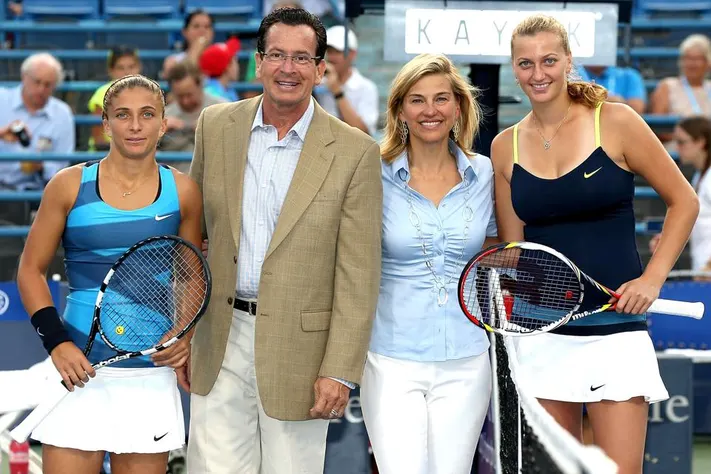
Eleven years later, she was named CEO of the Women’s Tennis Association (WTA)—becoming the first woman and youngest person to lead a major professional sports organization.
Witnessing the Evolution of Women in Sports
When Worcester entered the sports industry in 1983, leadership roles for women were rare.
“There were very few women in senior leadership positions across the sports industry,” she recalls. “And when I worked in Spain in 1987, there were almost none.”
Over the decades, she has watched that landscape shift.
Today, the pipeline of women entering sports—from marketing and media to executive leadership—is stronger than ever. But Worcester is quick to point out that progress is still ongoing.
“There is still much progress to be made,” she says.
Her career itself has helped push that progress forward, serving as proof that women can lead at the highest levels of global sport.
Advice for the Next Generation
For young women hoping to build careers in sports today, Worcester offers advice shaped by decades of experience.
“Keep at it—the wind is behind you,” she says, pointing to the meteoric rise in interest in women’s sports worldwide.
Her message is both practical and empowering:
- Be willing to start at the bottom and learn every aspect of the industry
- Advocate for yourself when opportunities arise
- Take risks, even when the path isn’t clearly defined
“Don’t wait for the perfect job all wrapped up in a bow to land at your feet,” she says. “It likely will not happen.”
Balancing career and family also became part of her story. For years, Worcester juggled raising two children while managing the demands of leadership roles in the sports world.
“I drove up and down I-95 for 20 years raising two kids, running a household and working full time,” she recalls with a smile. “I always said I felt like my hair was on fire driving up and down 95.”
The Art of Leadership: Building Trust Across the Industry
Over the course of her career, Worcester has worked across nearly every layer of the sports ecosystem—players, sponsors, tournaments, governing bodies, media partners, and governments.
The key to aligning so many stakeholders?
“Open communication and finding common goals,” she explains.
For Worcester, leadership has always centered on relationships and trust.
“Building relationships is critical—and engendering trust with colleagues at all levels,” she says.
Her leadership philosophy is rooted in a simple but powerful principle:
“Companies are people.”
Respecting colleagues, valuing contributions at every level of an organization, and leading by example have been the pillars of her approach throughout her career.
Why Pickleball’s Growth Feels Different
After four decades in racquet sports, Worcester has seen many trends come and go—but the rise of pickleball stands out.
“Pickleball is everything the consumer wants or needs,” she says. “It’s social and it’s fun. It’s affordable and accessible.”
The sport’s appeal cuts across generations and backgrounds, making it uniquely inclusive.
.png)
“Everyone can play—regardless of age, income level, or athletic ability,” she says. “It’s easy to learn, but hard to master.”
What makes pickleball particularly remarkable to Worcester is how quickly it builds community.
“In racquet sports, it’s rare—if not unprecedented—to see a sport grow so quickly while also creating such a strong sense of connection,” she explains.
The Role of Women in Pickleball’s Culture
Women have played a critical role in shaping pickleball’s culture from the very beginning.
“From community organizers and club leaders to pro players and executives, women have helped create the welcoming, inclusive environment that defines the sport,” Worcester says.
For someone who spent years working toward equality in tennis, pickleball offered a refreshing contrast.
.png)
“When professional pickleball launched, it launched with equality,” she says.
Today, male and female players compete for:
- Equal prize money
- Equal stadium court opportunities
- Equal broadcast exposure
- Equal visibility across media platforms
Even more notably, the sport’s biggest star is a woman.
“Anna Leigh Waters has become the most recognizable figure in professional pickleball,” Worcester says. “At such a young age she has attracted major sponsorships and media attention, which sends an incredibly powerful message about opportunity for women in the sport.”
A Legacy That Extends Beyond the Court
After helping guide pickleball through an important period of growth, Anne Worcester has officially stepped away from the industry today, closing an extraordinary chapter in a career that has helped shape racquet sports around the world.
But for those who have worked alongside her, it’s clear that her impact—and her guidance—will remain.
While she may be stepping aside from the day-to-day work of the pickleball industry, Worcester will always remain a trusted voice and mentor, just a phone call away for the many friends, colleagues, and leaders who have crossed paths with her throughout her journey.
.png)
A Career That Opened Doors
Anne Worcester’s career spans more than 40 years in the global sports industry, influencing everything from professional tennis to the emergence of pickleball as one of the fastest-growing sports in the world.
As the former CEO of the Women’s Tennis Association, she helped shape the trajectory of one of the world’s most prominent women’s sports organizations. Later, she brought that same leadership, vision, and experience to pickleball during a transformative moment for the sport.
On International Women’s Day, her story stands as a powerful reminder of what leadership, perseverance, and belief in opportunity can accomplish—not only for one career, but for generations of women who will follow. As Anne Worcester steps away from the pickleball industry, the impact of her remarkable career continues to inspire all of us—reminding the sports world that true leadership is measured not only by success, but by the opportunities you create for others along the way.
As we celebrate International Women’s Day, we’re grateful for leaders like Anne Worcester and the many women who continue to shape the future of pickleball—from executives and organizers to coaches, players, and community builders.
To all the women in pickleball and beyond, we wish you a wonderful International Women’s Day and thank you for the impact you make every day both on and off the court.
Community
March 7, 2026
From Tennis to Pro Pickleball: Cleo’s Story and the Growth of Women’s Pickleball
As International Women’s Day approaches, we’re spotlighting some of the women helping to shape pickleball across all areas of the sport—from the DUPR College Pickleball Tour and The Dink Minor League Pickleball powered by DUPR, to DUPR Coaches and professional players competing on the sport’s biggest stages.
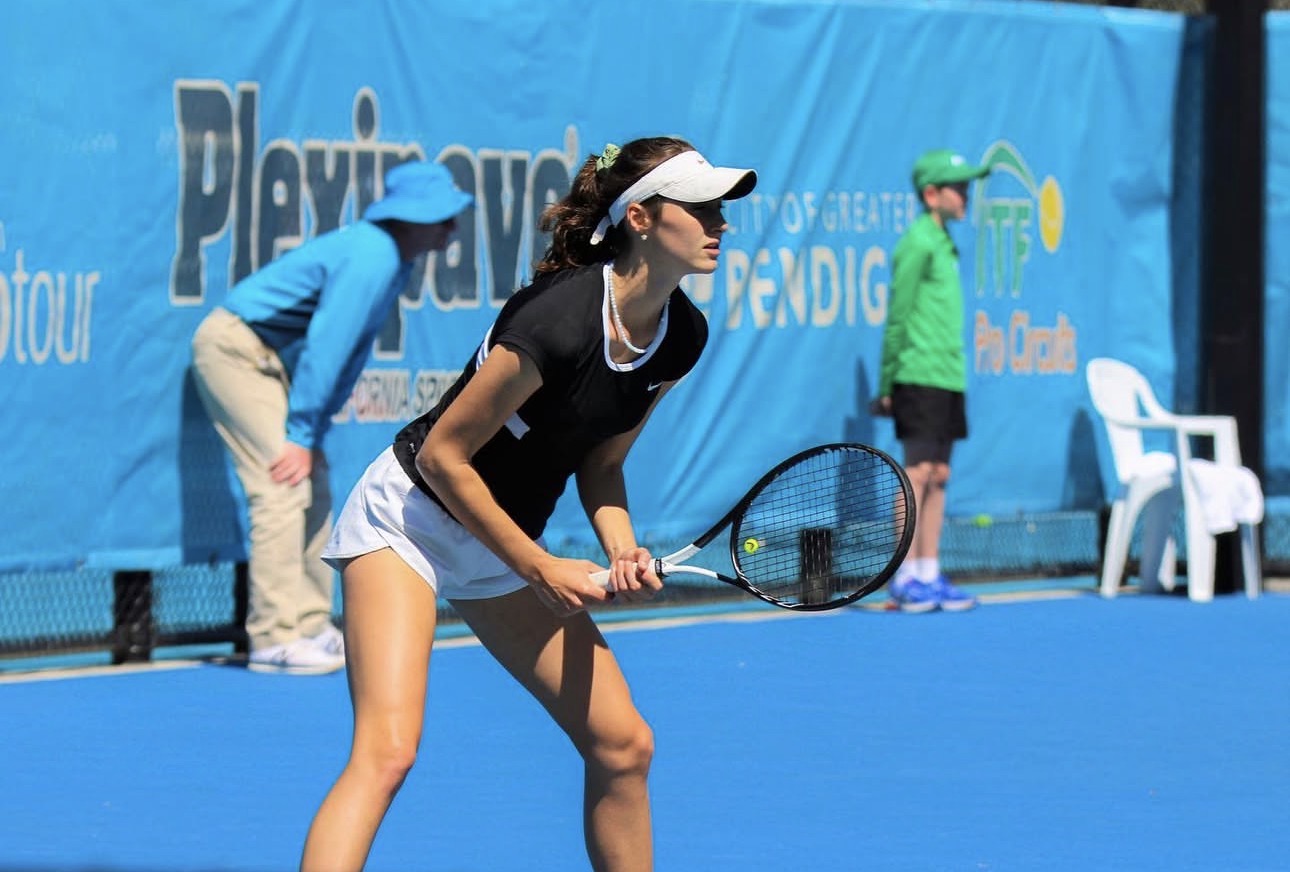
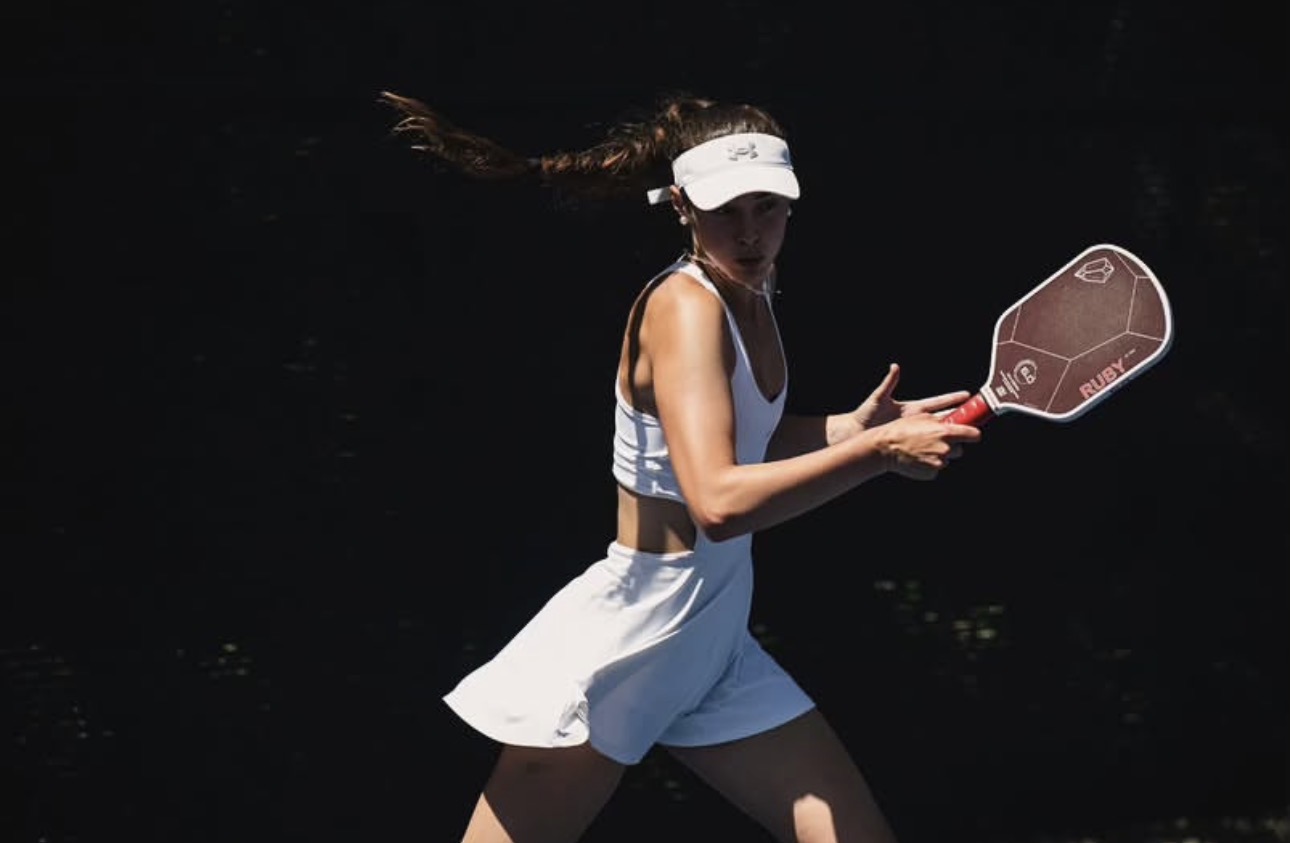
Today, we feature Cleo, a rising professional player whose journey reflects both the rapid growth of pickleball and the expanding opportunities for female athletes. With a background in tennis and a growing presence on the professional stage, Cleo represents a new generation of competitors helping elevate the sport through dedication, resilience, and a passion for the game.
Finding a New Path Through Pickleball
For Cleo, the turning point in her career came when she discovered pickleball.
“Probably starting pickleball as a whole,” she explains. “I grew up playing tennis and always thought that would be my path, but discovering pickleball opened a completely new door for me. Taking that leap and committing to a new sport was definitely the biggest turning point.”
Like many athletes entering pickleball from other sports, Cleo recognized the opportunity to pursue something new. That decision ultimately reshaped her athletic journey and opened the door to professional competition.
Learning to Compete Under Pressure
Transitioning to the professional stage brings new challenges—especially when it comes to managing expectations and pressure.
For Cleo, developing the right mindset has become an ongoing process.
“It’s definitely a constant work in progress,” she says. “I’m always working on managing nerves and reminding myself to have fun out on the court. When I stay relaxed and enjoy the game, that’s when I play my best.”
Her perspective reflects a common theme among top athletes: success often comes when players find the balance between focus and enjoyment.
The Growth of Opportunities for Women in Pickleball
As Cleo continues competing at the highest levels of the sport, she has witnessed firsthand how rapidly pickleball is evolving—particularly for women.
“The growth has been incredible, especially being on the PPA Tour and seeing the level of athleticism and competition continue to rise,” she says. “There are also more opportunities now for female athletes with bigger stages, sponsorships, and visibility in the sport.”
With increasing tournament opportunities, expanding professional tours, and growing media coverage, the landscape for women in pickleball continues to broaden each year.
Advice for the Next Generation of Players
For aspiring players hoping to reach the professional level, Cleo emphasizes patience, consistency, and self-belief.
“Focus on improving your game and trust your own path,” she advises. “Everyone’s journey looks different, so it’s important not to get caught up in comparison. Stay consistent, keep learning, and enjoy the process.”
Her advice highlights an important message for young athletes: growth in sport rarely follows a single path, and success often comes from long-term commitment and personal development.
The Importance of Representation
On International Women’s Day, Cleo sees representation in pickleball as a powerful way to inspire future generations.
“For me it’s about showing that women belong at the highest level of sport and helping inspire the next generation to believe they can do the same,” she says. “It’s exciting to be part of a growing sport where women are helping shape the future.”
As pickleball continues to expand globally, players like Cleo are helping demonstrate what is possible for female athletes both on and off the court.
Through her journey—from tennis to the professional pickleball stage—Cleo embodies the energy and ambition driving the sport forward. Her story reflects not only personal growth, but also the broader evolution of pickleball as a space where women are increasingly leading, competing, and inspiring the next generation of players.
Community
Pickleball Tournaments
March 6, 2026
Caroline Luelf: The Woman Behind MiLP Team Pickleball
As International Women’s Day approaches, we’re spotlighting some of the women helping to shape pickleball across all areas of the sport, from the DUPR College Pickleball Tour and The Dink Minor League Pickleball to DUPR Coaches and professional players competing on the largest stages.
Today, we feature Caroline Luelf, the Director of The Dink Minor League Pickleball (MiLP) powered by DUPR. Caroline has transformed the way players experience team-based tournaments, blending competition with connection. Through her leadership, MiLP events emphasize fair, structured play while fostering teamwork, social interaction, and a sense of belonging for everyone on and off the court.
From Player to Leader
Caroline’s journey in pickleball began on the court. Traveling coast to coast for pickleball tournaments, she learned firsthand what players enjoy and what makes events truly memorable. Her background coordinating events also gave her insights into how to improve player satisfaction and create experiences that everyone enjoys.
The turning point came in 2022 when she launched DUPR Builder Events in Tulsa, Oklahoma. Starting with 2-hour round robins, the events quickly grew into mini-tournaments lasting 3-4 hours. In January 2023, Caroline was introduced to The Dink Minor League Pickleball (MiLP), reconnecting with the team-centric energy she loved in her youth. Over the next few months, her involvement grew quickly, and by July of that year, she hosted the largest MiLP tournament ever in Oklahoma.
The success of that event and her ideas for improving the team format caught DUPR’s attention, and just a month later, she joined the team to help bring those ideas to life.
Behind the Scenes of Team-Based Pickleball
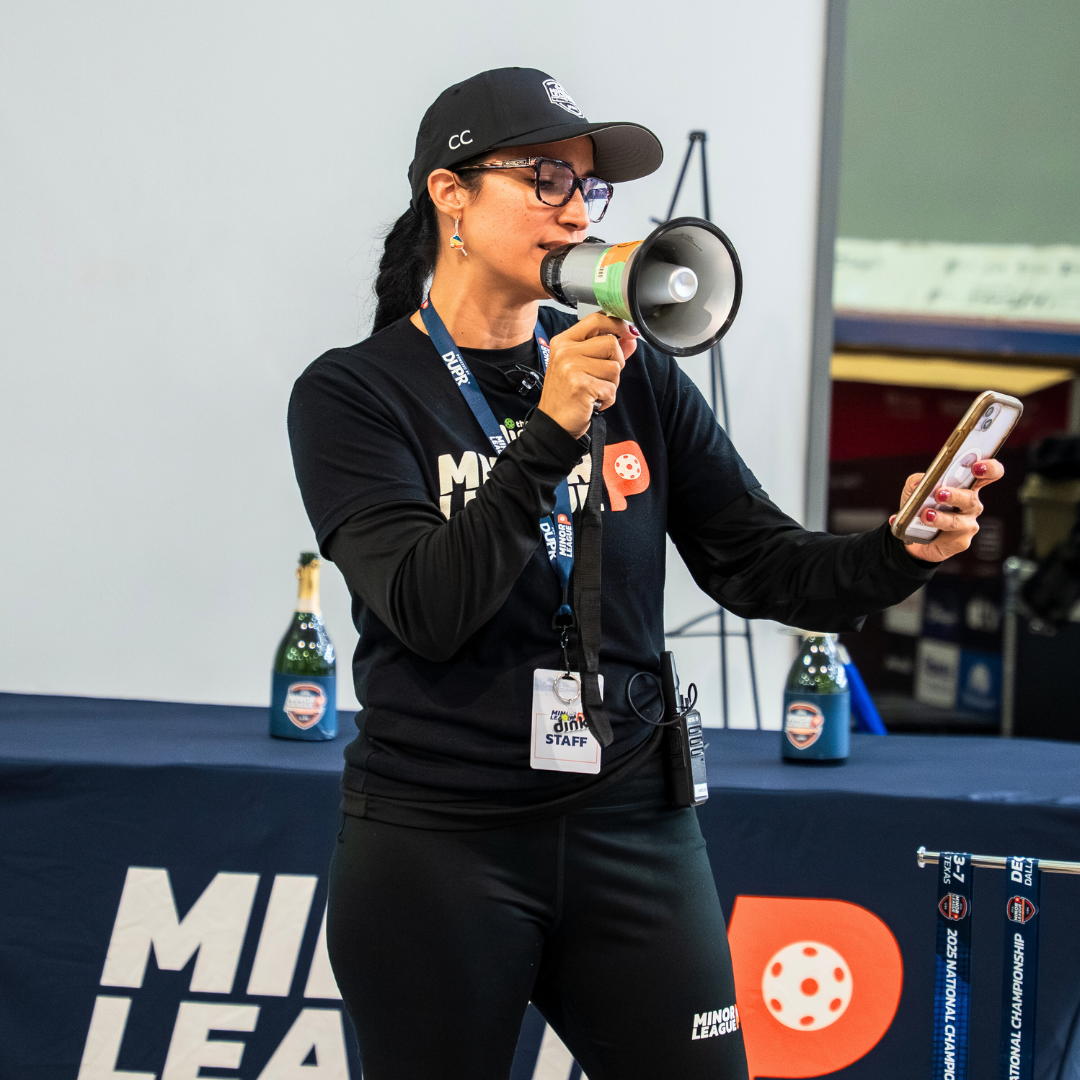
Running successful team events takes more than skill; it requires planning, communication, and patience. Caroline spends hours preparing, answering player questions, marketing, and ensuring fair, level-based play. She emphasizes that strong communication, calm conflict resolution, and creating a positive environment set the tone for the entire event.
“The team mindset invites guests, family, and friends to participate more fully during competition, turning an event into a shared experience that echoes beyond the players,” Caroline explains.

Changing the Player Experience
The MiLP team format offers players a sense of belonging and shared identity. Players contribute both on and off the court, through cheering, coaching, or offering tips, which adds a unique dynamic to pickleball tournaments. According to Caroline, this team approach fosters loyalty, connection, and joy, making MiLP events a memorable experience for all players.
Leadership with Vision and Discipline
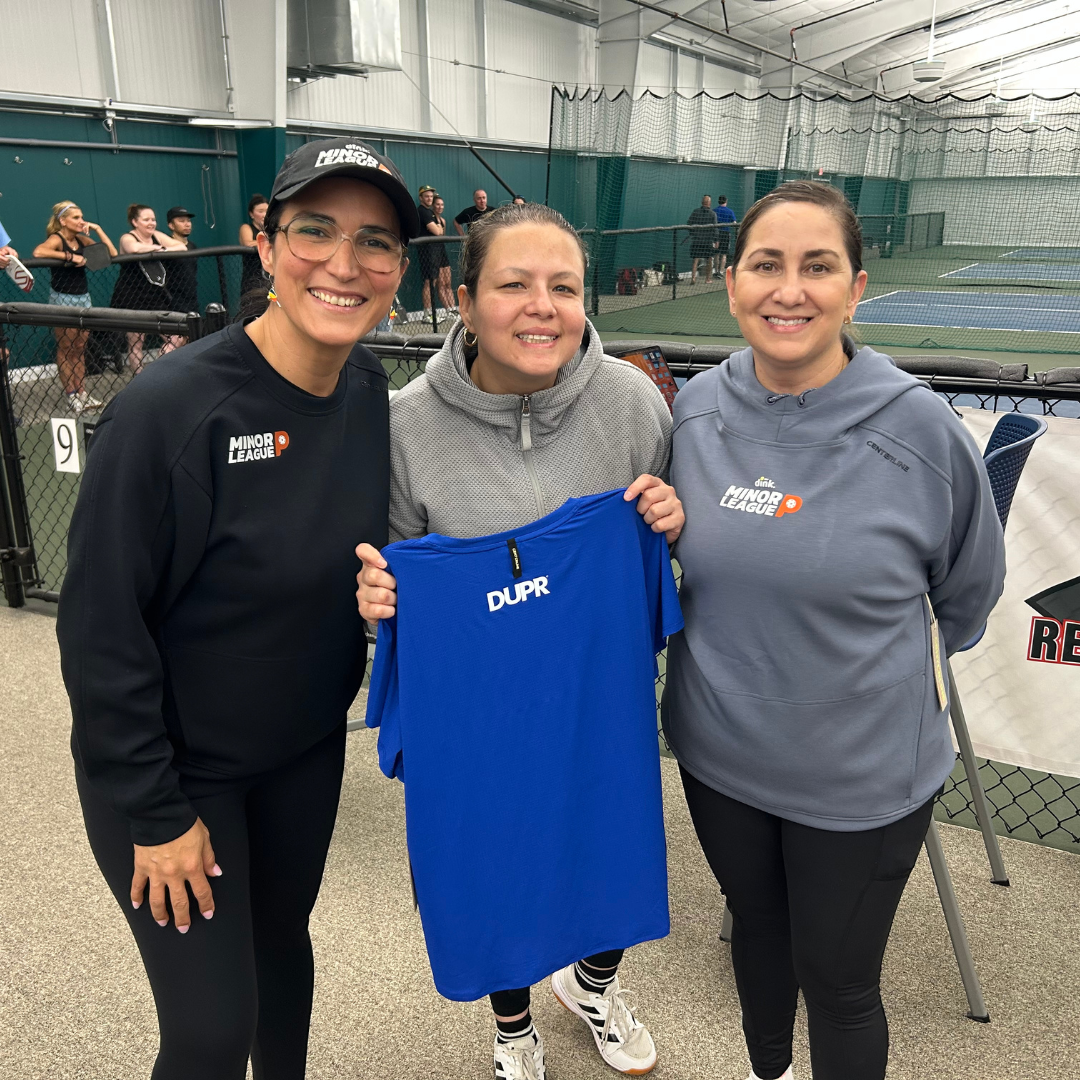
As a woman leading a major competitive initiative, Caroline combines a clear vision with structured planning. She approaches leadership with confidence, supported by scalable frameworks and data-driven reasoning. She is willing to trial, pivot, and iterate, maintaining a positive attitude even when things don’t go as planned.
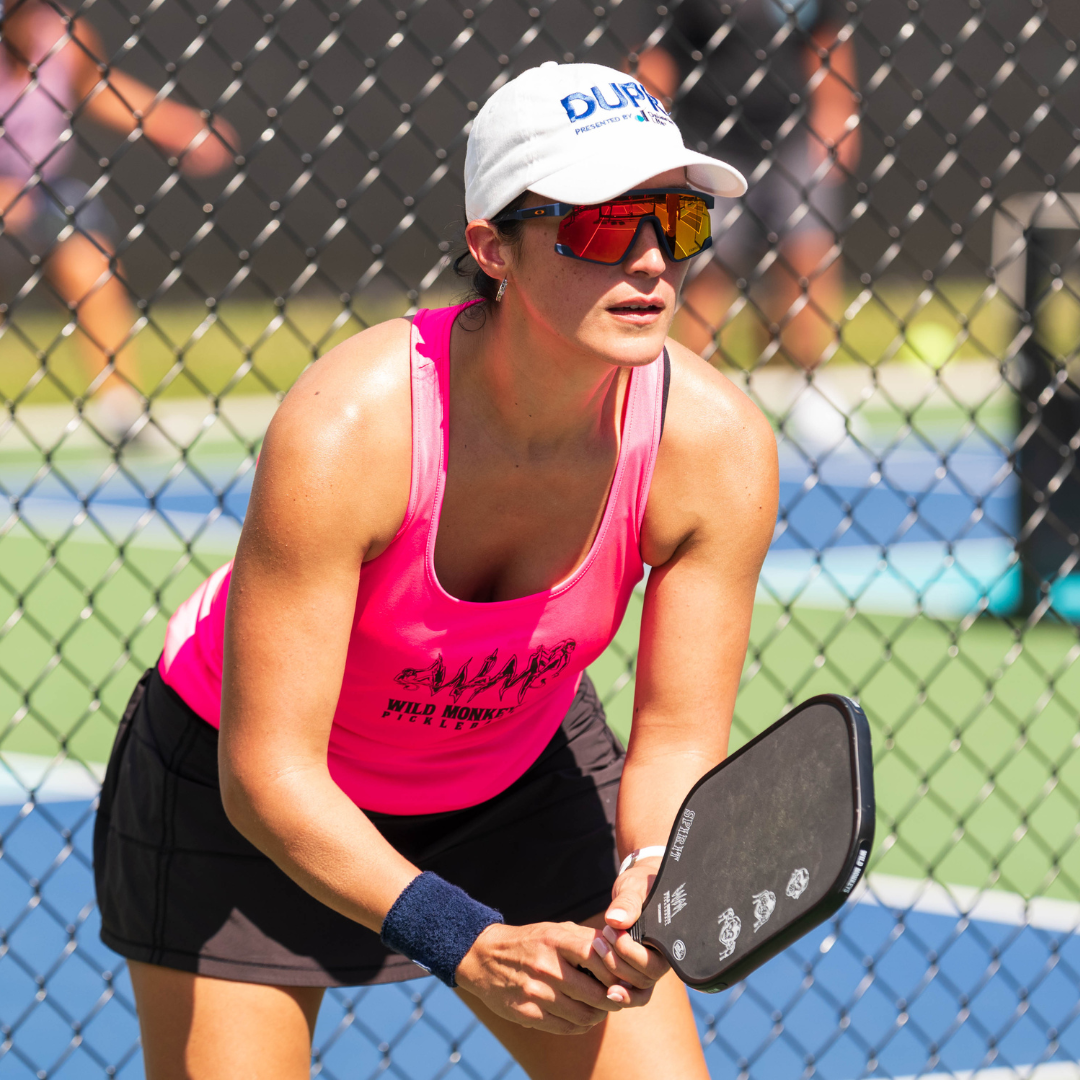
Inspiring Growth and Connection
For Caroline, the ultimate reward is seeing players enjoy the sport together. From ages 10 to 80, participants experience the excitement of the Dink Minor League Pickleball tournaments. She hopes the league is remembered not just for competition, but for the relationships, growth, and opportunities it creates.
“MiLP offers players more than a day of competition: it’s a path to friendships, personal growth, and experiences that last long after the tournament ends,” she says.
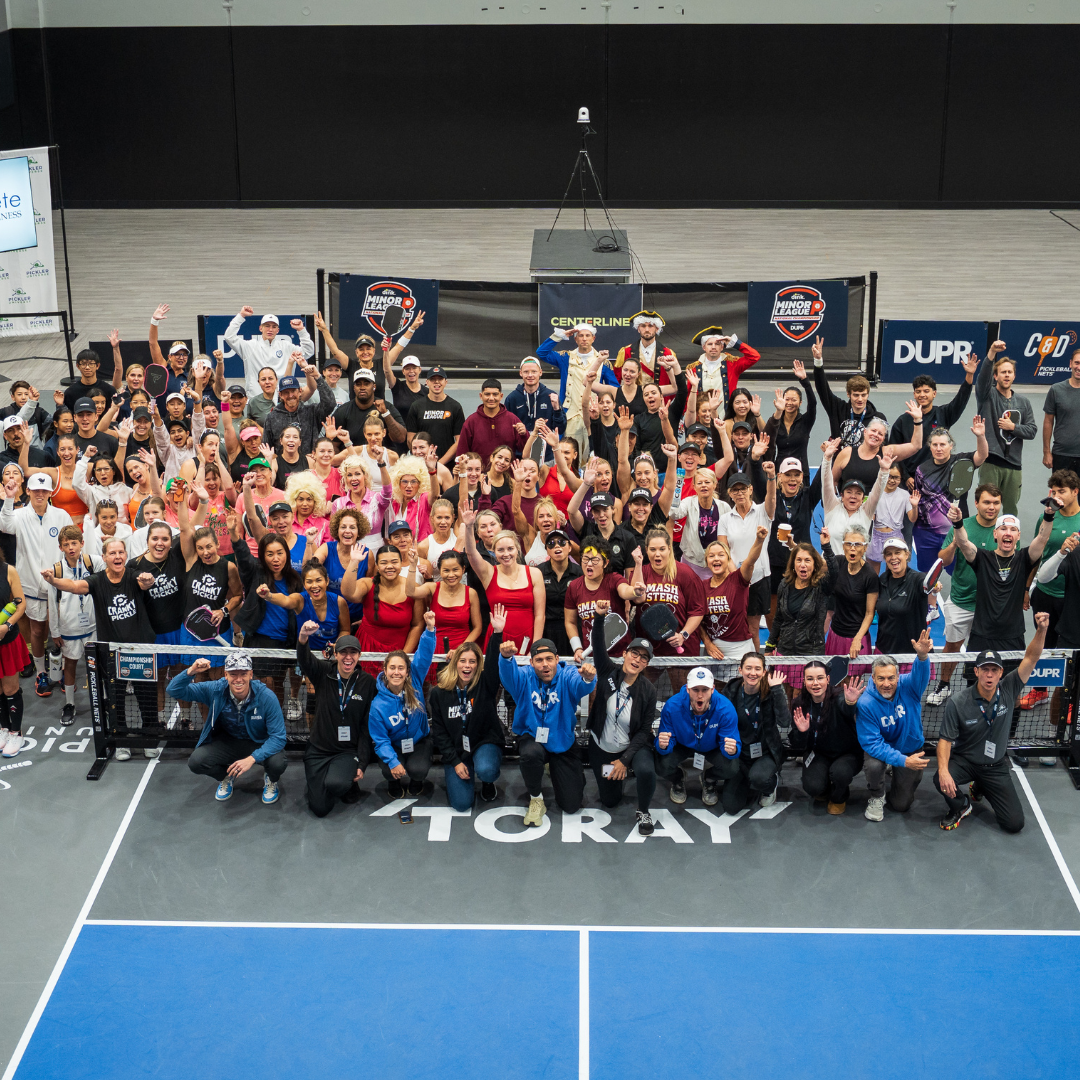
Ready to experience team-based pickleball like never before? Check out The Dink Minor League Pickleball (MiLP) and see how Caroline Luelf and her team are transforming pickleball tournaments into fun, competitive, and social events for players of all levels.
Community
The Dink MiLP
March 5, 2026
California Super Regional College Pickleball Tournament | Players, Teams & DUPR Ratings Preview
The College Pickleball Tour heads to California for the first-ever California Super Regional, bringing together some of the top collegiate programs on the West Coast. With bids to Nationals on the line, this event will feature intense team competition, standout individual talent, and a growing pipeline of high school players stepping into the collegiate pickleball scene.
Here’s everything you need to know before the action begins.
Event Location & Facility
The HUB Silicon Valley will host the California Super Regional at its state-of-the-art facility in Campbell, located in the heart of Silicon Valley.
The HUB has quickly established itself as one of Northern California’s premier pickleball venues, providing a high-energy setting for competitive play and community events. With top-tier courts and a vibrant local pickleball community, it’s the perfect stage for a regional tournament of this scale.
Facility Address:
600 E Hamilton Ave #150 - Campbell, CA 95008
_02.jpg)
Teams Competing
Thirteen collegiate programs will take part in this historic West Coast regional:
- Grand Canyon University (GCU)
- University of Hawaiʻi
- Loyola Marymount University
- University of Oregon
- San Diego State University (SDSU)
- San José State University (SJSU)
- Stanford University
- University of California, Berkeley
- University of California, Davis
- University of California, Irvine
- University of California, Santa Barbara
- University of California, Los Angeles (UCLA)
- University of Southern California (USC)
In total, the event will feature 114 college players competing across the weekend.

What’s at Stake: College Nationals Qualification
Several teams enter the tournament already holding bids to Nationals, meaning their performance will focus on momentum and preparation for the championship stage.
Teams with a bid already secured:
- Stanford
- GCU
- USC
- UCLA
Meanwhile, several strong programs will be competing for a coveted Nationals bid:
- Hawaii
- Loyola Marymount
- Oregon
- SDSU
- UC Berkeley
- UC Irvine
- UC Santa Barbara
With limited bids available, expect aggressive matchups, strategic lineups, and tight team battles throughout the weekend.
Players to Watch
Some of the top-rated collegiate pickleball players in the region will take the court in Campbell.
Men
- Adam Jones (GCU) – 5.150
- Derik Hyndman (LMU) – 5.040
- Daniel Price (GCU) – 4.945
These players will likely play key roles for their teams in both doubles and mixed formats, where consistency and high-level shot selection often determine the outcome of tight matches.
Women
- Isabella Hoang (Stanford) – 5.051
- Megan Willcox (SDSU) – 4.897
- Mayu Omori (SDSU) – 4.804
The women’s field features several players capable of swinging team matchups with strong singles and doubles performances.
_03.jpg)
A Growing West Coast Pickleball Scene
This event also marks an important milestone for the college pickleball ecosystem.
Five New Schools Debuting
Five programs will be making their first appearance at a Super Regional:
- Hawaii
- SJSU
- UC Irvine
- UC Davis
- UC Santa Barbara
Their participation highlights the rapid growth of collegiate pickleball across California and the West Coast.
Strong High School Presence
The California Super Regional will also feature a large high school contingent, with:
- 12 high school teams, 24 high school players
The presence of these younger competitors reflects the rapidly expanding pipeline of players entering the sport and preparing for future collegiate competition.
A Landmark Event for West Coast College Pickleball
As the first California Super Regional, this tournament represents a major step forward for collegiate pickleball in the region. With powerhouse programs, emerging teams, and top-tier individual players all competing under one roof, the weekend promises high-level competition and exciting matchups.
With Nationals on the horizon, the California Super Regional will play a critical role in shaping the final field.
To stay up to date with results, highlights, and future tour stops, follow DUPR and the College Pickleball Tour on social media!
We will be streaming Sunday live on our YouTube Channel - subscribe!
College
Community