No matching results.
Search results
September 3, 2026
Nancy Liu and Sports: More Than Competition
Sports were never just about competition for Nancy Liu. They were about building connections with people, traveling the world, and creating community.
Before she ever knew anything about pickleball, Liu played competitive basketball for 18 years. A knee injury would eventually prevent her from continuing to compete at the level she was accustomed to. However, instead of abandoning the sport she loved so dearly, she found another way to stay connected to it by creating content and sharing stories around the game.
Liu spent 63 days traveling across 33 cities in 8 different countries across Europe, documenting the stories of professional basketball and national teams in an effort to inspire younger generations to get active and play.
While Liu's journey began with basketball, her desire to explore all types of sports continued long after she stopped playing.
Finding a New Sport After Basketball
After her injury, Liu decided to explore nearly every form of physical activity she could think of. She practiced yoga, tried CrossFit, salsa dancing, boxing, and even trained for triathlons.
However, once she began learning about a "new" sport called pickleball, it was only a matter of time before she developed a love for it.
When Liu returned home to Taiwan after working around the world on Olympic Games, she reached out to her Olympic committee about a new sport she had recently discovered: pickleball. It did not take long for her to understand why so many people love the game.
After her first session playing pickleball, she was hooked. By her third time playing, she described herself as addicted. Even before she stepped onto the court herself, Pickleball TV had already become a regular part of her daily routine.
What initially started as another sport to try quickly became something much bigger.
Pickleball Provided Much More Than a New Athletic Challenge
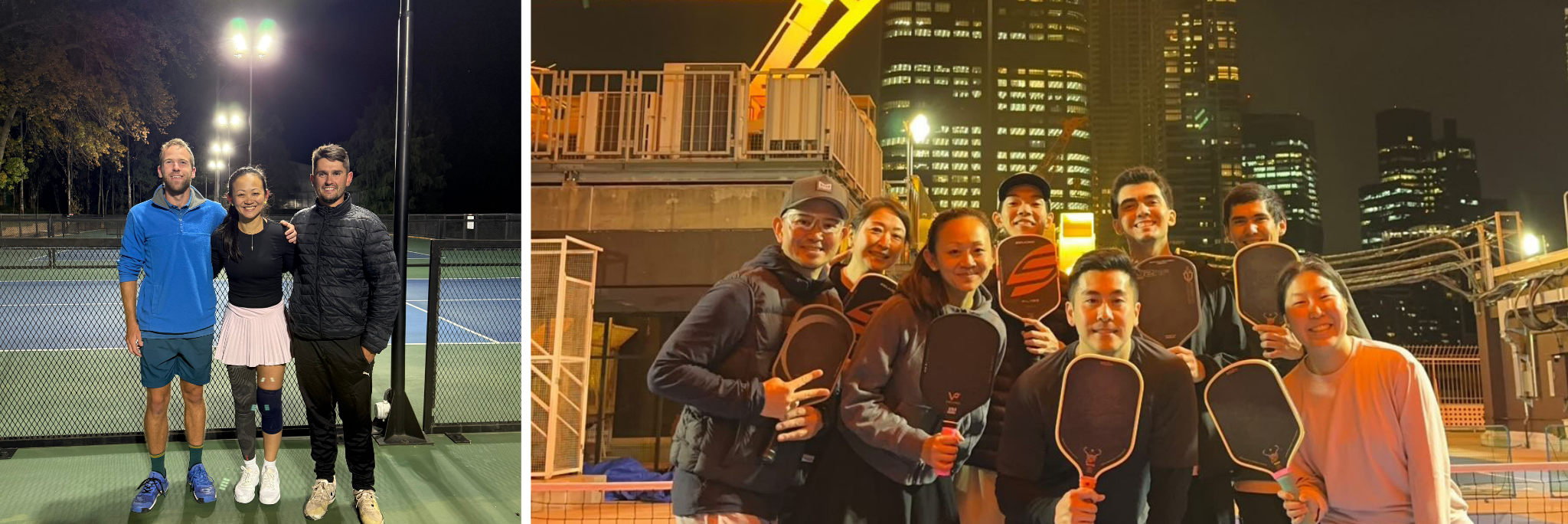
What drew Liu to pickleball wasn't only the athletic challenge it presented, but also the opportunity to find a form of therapy and refuge during some of the tougher periods of her life.
Through pickleball, she found a community (just like she did with Basketball) and made new friends who shared similar interests. Through this new community and their shared love of the game, she found a strong sense of belonging that extended beyond the court itself.
She also enjoys the simple pleasures that come with being outside, playing under the sun, and spending quality time with others. That sense of belonging is what drives her belief that pickleball can make a positive difference in people's lives far beyond the confines of the court.
The ability to create those connections is also part of what makes the broader pickleball community so meaningful to players around the world.
Growing Pickleball in Asia — and the Rest of the World
Although Liu is excited about growing pickleball in Asia, her dreams do not stop there. She envisions seeing the sport spread throughout Africa and other parts of the world as well.
There are several reasons Liu is so enthusiastic about the future of pickleball. First and foremost, it gives athletes the opportunity to challenge themselves competitively. At the same time, pickleball surrounds players with people who share common goals and a love for the game.
This combination of athletic competition and social connection is exactly what draws Liu to the sport.
For Liu, this social aspect is particularly significant. She believes pickleball has the ability to provide something many people are searching for today: connection.
That sense of community is becoming increasingly important as the growth of pickleball across Asia continues, bringing more players, clubs, tournaments, and communities into the sport.
For that reason, one of Liu's greatest passions is now getting others involved in playing the game.
A Lifetime Spent Exploring Sports: One Passion Leads to Another
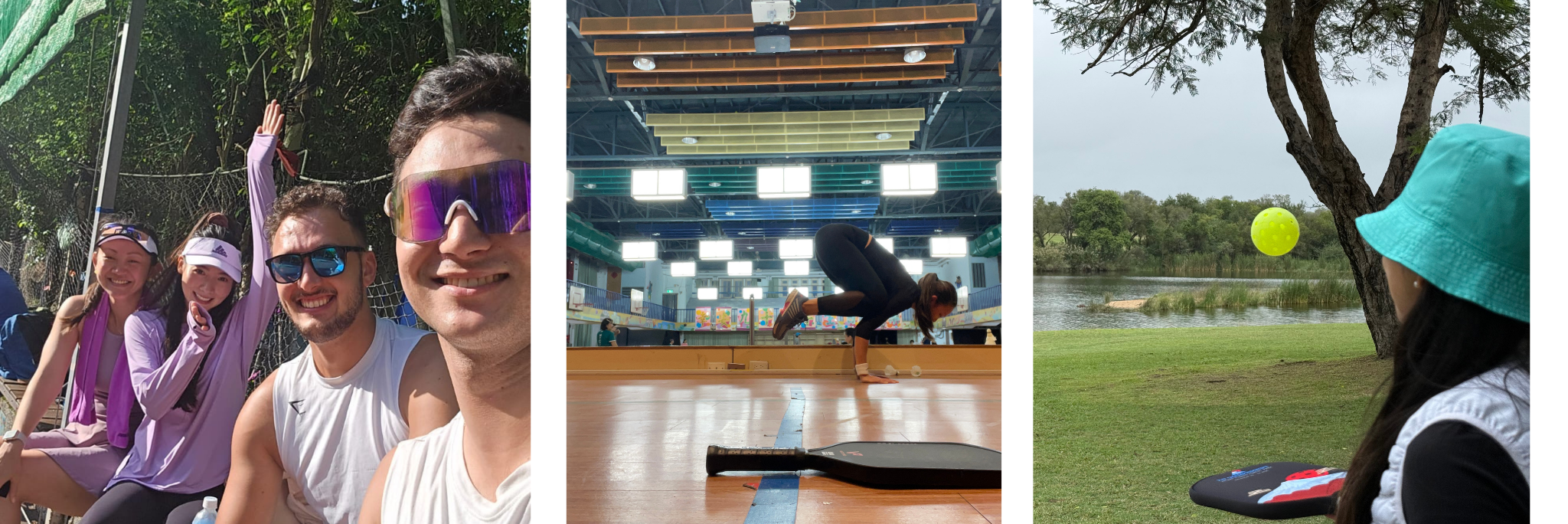
After a lifetime spent exploring different sports, Liu has found one that embodies many of the qualities that mean the most to her: competition, challenge, friendship, and community.
As pickleball continues to expand throughout the region, including through DUPR's continued growth in Asia, @courtsidewithnancy is helping showcase the people and communities behind that growth.
So, what does the future hold for Liu?
@courtsidewithnancy will evolve into a media platform where the community can gather and connect with each other on and offline, in short: exciting things ahead. Stay tuned!
Community
September 1, 2026
How to Find Pickleball Tournaments Near You
If you have been playing pickleball regularly and are ready to test your skills in a more competitive setting, you may find yourself searching for “pickleball tournaments near me.”
Whether you are looking for your first tournament or your next competitive event, there are several ways to find opportunities that match your location, rating, and skill level.
Below are some of the best ways to find pickleball tournaments near you.
1. Use DUPR’s Events Dashboard
One of the best places to start your search for “pickleball tournaments near me” is the DUPR Events Dashboard.
The dashboard allows you to browse local, regional, and national competitive opportunities, including:
- Tournaments
- Leagues
- Rating sessions
- Other organized events
You can search based on your location and explore events that fit your current skill level and preferred event type.
If you already know your DUPR rating, that can also help you determine which events and divisions may be the best fit for you.
2. Check Local Pickleball Clubs
Local pickleball clubs are another strong resource for finding pickleball tournaments near you.
Many clubs host organized competitive opportunities throughout the year, including round robins, leagues, rating sessions, tournaments, and skill-based events.
You can explore clubs in your area through DUPR Clubs.
Checking nearby clubs can also help you discover smaller events that may not always appear in a broader online search.
3. Research Nearby Pickleball Facilities
Another option is to look at the facilities where pickleball is already being played in your area.
This may include:
- Dedicated pickleball facilities
- Recreation centers
- Community centers
- Local parks
- Tennis and pickleball clubs
- Gyms
Many facilities promote upcoming tournaments and leagues through their websites, social media pages, newsletters, or bulletin boards.
If nothing is listed online, consider asking staff whether they know of any upcoming competitive events. Sometimes local tournaments are announced directly through the facility or its player community.
4. Ask Other Pickleball Players
Sometimes the easiest way to find “pickleball tournaments near me” is simply to ask other players.
People who regularly compete may already know about upcoming events, registration deadlines, or tournaments that are popular in your area.
Consider asking:
- Your regular doubles partner
- A pickleball coach
- Members of your open-play group
- A local club organizer
- Friends who regularly compete
Your local pickleball community can be one of the fastest ways to learn about new competitive opportunities.
5. Compare Tournaments Before Registering
Once you find a few pickleball tournaments near you, take time to compare the details before choosing one.
Some of the most important factors to consider include:
- Rating level: Does your skill level match the division?
- Event format: Singles, doubles, mixed doubles, or team play?
- Age division: Are there age-based brackets?
- Distance: How far are you willing to travel?
- Registration deadline: Is there still space available?
- DUPR reporting: Will the event results be reported to DUPR?
If you are unsure which competition is right for you, read Which Pickleball Tournaments Should You Be Playing? for more guidance on choosing an event based on your rating, age, and competitive goals.
Community
Pickleball Tournaments
September 1, 2026
What Is a Pickleball Ranking? How Rankings Work
A pickleball ranking shows where you stand compared with other players based on results, points, or ratings within a specific ranking system. Unlike a rating, which measures your playing level, a ranking tells you where you sit in the field.
That distinction matters. Your DUPR rating is designed to measure your skill based on your match results, while a ranking puts you in order relative to other players.
Pickleball ranking vs. pickleball rating: what's the difference
Rankings and ratings both help answer the question, “How good am I?” But they measure different things.
A pickleball ranking is relative. It places you on a leaderboard alongside other players within a specific tour, league, event series, or ranking system. Your position can change as other players compete and earn points or move ahead of you.
A pickleball rating is a measurement of playing level. Rather than simply placing you in a list, it uses your match history to estimate how you play.
DUPR (Dynamic Universal Pickleball Rating) is a rating system built around match performance. Your DUPR updates as eligible match results are added, taking into account factors including performance against expectations, match type, match recency, and match volume.
In simple terms:
- Ranking: Where do I stand compared with other players?
- Rating: What does my match history say about my skill level?
Both can be useful, but they answer different questions.
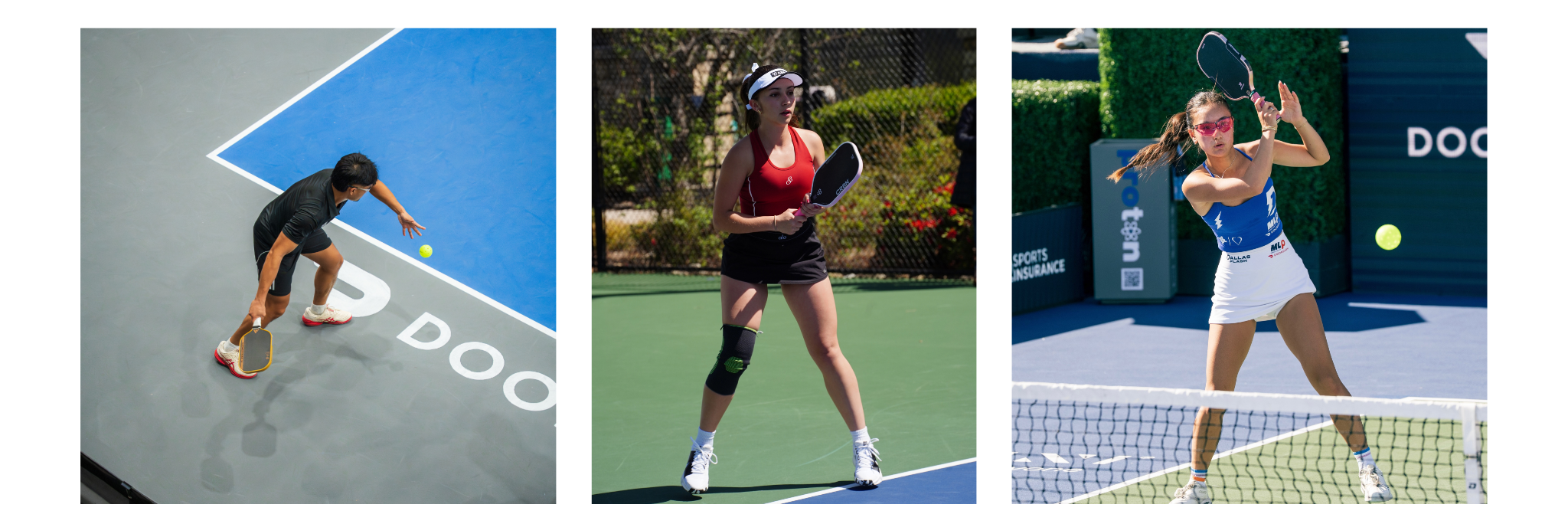
How Do Pickleball Rankings Work?
There isn't one universal pickleball ranking system. Different tours, leagues, and organizations use their own methods to rank players or teams.
Many tournament rankings use a points system. Players earn points based on their results, with the exact number of points depending on the competition and ranking rules. As the season progresses, those points determine where players sit on the leaderboard.
Some ranking systems include factors such as:
- Tournament results
- Finishes and advancement in an event
- Number of events played
- Recency of results
- Points earned during a season
The details vary, so it's important to understand the specific ranking system you're looking at rather than assuming every pickleball ranking works the same way.
Some examples include:
- PPA Tour rankings, which track player performance throughout the PPA Tour season
- APP Tour rankings, which use the APP's own ranking and points structure
- MLP standings, which track team performance during the Major League Pickleball season
- DUPR Top Rankings, which use DUPR rating data to create player leaderboards that can be filtered by categories such as age and discipline
Ranking systems can also change over time. Some are tied to a season, while others account for recent results or use different approaches to keep the leaderboard current.
Why Do Pickleball Rankings and Ratings Matter?
Neither number is just for bragging rights.
Find the right competition. Your rating can help you understand which level of play is appropriate for you, while rankings show how you compare with the field in a particular competition or category.
Track your progress. A rating gives you a way to measure changes in your game over time. Because it updates based on your match results, it can provide a more complete picture than the outcome of a single tournament.
Set goals. A ranking gives you a specific position to chase. Your rating gives you another way to measure whether your game is improving.
For competitive players, looking at both can give you a better understanding of where you are and where you want to go.
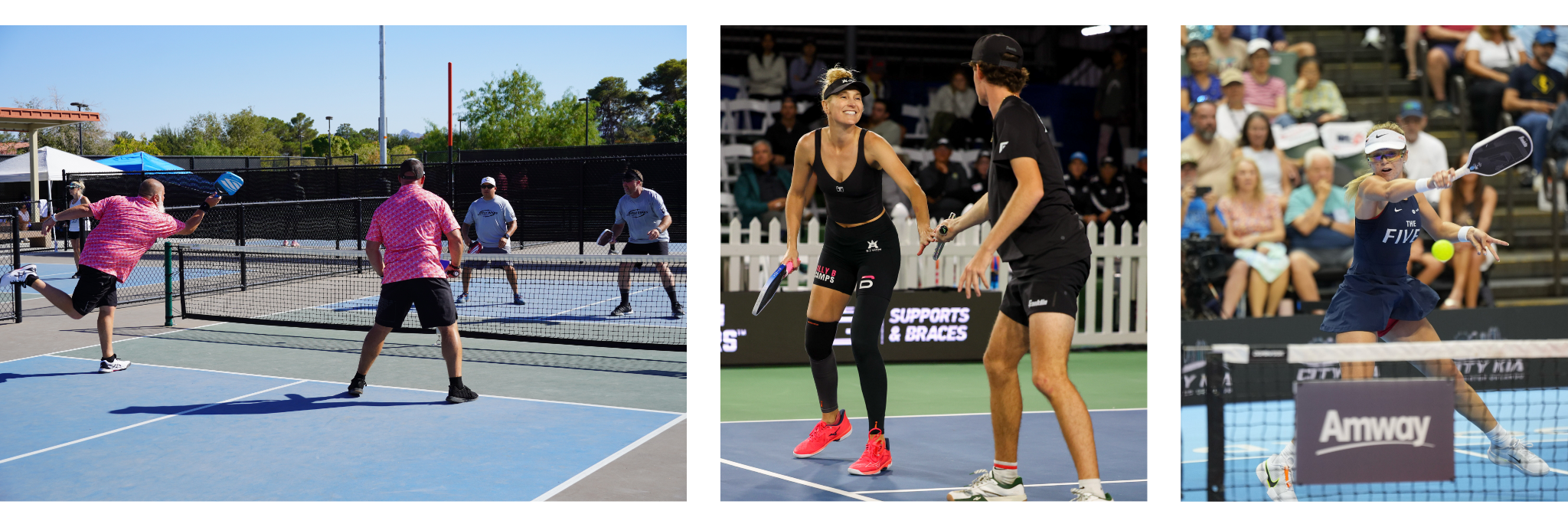
Frequently Asked Questions About Pickleball Rankings
What is a pickleball ranking?
A pickleball ranking shows a player's position compared with other players within a specific tour, league, tournament series, or ranking system. Rankings are typically based on results, points, ratings, or a combination of factors.
What is a pickleball rating?
A pickleball rating measures a player's skill level based on their performance against other players. Unlike a ranking, which tells you where you stand compared with others, a rating is designed to reflect your individual skill level. Rating systems may consider factors such as match results, opponent strength, and score margin to determine a player's rating.
What is the difference between a pickleball ranking and a rating?
A ranking is relative: it tells you where you stand compared with other players. A rating measures your playing level based on a defined rating system. Your ranking can change because other players move around you, while your rating changes based on your own results and the rules of the rating system.
Is DUPR a ranking or a rating?
DUPR is a pickleball rating system. DUPR also publishes Top Rankings that use player rating data to create leaderboards across different categories.
The Bottom Line
A pickleball ranking tells you where you stand against the field. A pickleball rating tells you what a rating system estimates about your playing level based on your match history.
Understanding the difference can help you make more sense of tournament leaderboards, competitive divisions, and your own progress as a player.
Want to learn more about pickleball ratings and rankings, or see where you stack up? Explore DUPR to learn how your rating works, track your progress, and view rankings.
DUPR Ratings
Pickleball Rules
September 1, 2026
Pro Tip Series: 5 Pickleball IQ Tips From Ashley Griffith
Better shots do not always guarantee better results.
According to professional pickleball player Ashley Griffith, one of the biggest differences between players is pickleball IQ: the ability to read what is happening, anticipate what comes next, and make smarter decisions during a point.
In this edition of the DUPR Pro Tip Series, Ashley breaks down five ways players can improve their pickleball IQ and start making better decisions on court.
1. Read Your Opponent, Not Just the Ball
Lower-level players often focus almost entirely on the ball. As competition gets stronger, Ashley says players also need to start watching their opponent.
Look for cues such as:
- How your opponent is moving
- Where they are positioned
- Whether they are reaching or off balance
- The angle of their paddle face
- Whether they are leaning forward or backward
These details can help you anticipate where the next shot is likely to go and prepare earlier instead of simply reacting after the ball has already been hit.
2. Know When You Have the Green Light
Not every ball should be attacked.
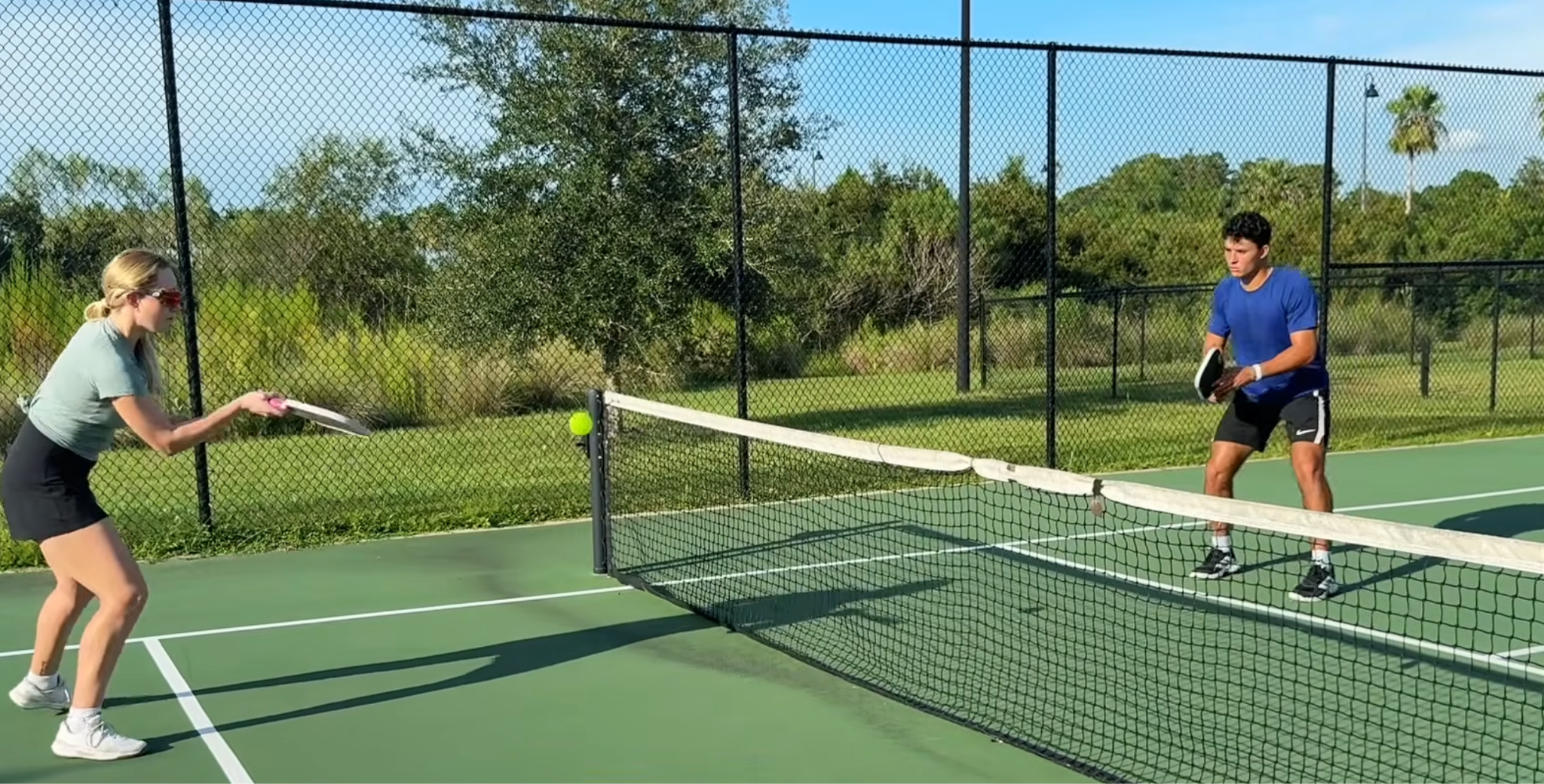
Ashley recommends using ball height as a simple guide when deciding whether to become aggressive:
- Above the waist: Look for opportunities to attack.
- Around waist height: Consider countering with a short, controlled swing.
- Below the waist: Be more cautious and consider resetting.
Higher balls generally give players more room to attack, while lower balls are harder to speed up successfully over the net.
Improving your pickleball IQ means learning to recognize these situations instead of trying to speed up every ball.
3. Let Your Shot Determine Your Next Position
What happens after you hit the ball should depend on the shot you just played.
Ashley explains that players should adjust their position based on the result they are creating:
- Hit crosscourt? Be prepared to cover the likely return.
- Hit toward the middle? Shift to protect more of the middle.
- Hit an attack? Step in and prepare for the counter.
- Pop the ball up? Give yourself space to defend.
The goal is to stop treating each shot as an isolated decision. Instead, think about how your current shot sets up your next movement and opportunity.
4. Stop Trying to Hit Winners — Create Them
One of Ashley's favorite pickleball IQ tips is simple: do not force winners. Create them.
Against stronger players, easy attack balls are less common. Instead, players may need to build the point over multiple shots before getting the opening they want.
That can mean:
- Moving an opponent around with dinks
- Targeting a weaker side
- Waiting for your opponent to become off balance
- Working your way into the kitchen before attacking
- Staying patient until the right ball appears
Rather than trying to end the rally immediately, use each shot to create a better opportunity for the next one.
5. Figure Out Why You Are Losing
One of the most important parts of improving your pickleball IQ happens after the point—or even after the match.
Instead of simply saying, "I played badly," Ashley recommends identifying the specific reason points are being lost.
Ask yourself:
- Was my footwork breaking down?
- Was my forehand or backhand being targeted?
- Was I attacking the wrong balls?
- Was my positioning putting me under pressure?
- Was I repeatedly making the same mistake?
Ashley reviews footage from her tournaments to identify where points were lost, then uses that information to decide what needs improvement before the next event.
Play Smarter, Not Just Harder
Improving your pickleball IQ is not necessarily about hitting harder or learning a new shot. It is about understanding what is happening during the point and making better decisions because of it.
Ashley’s five takeaways are simple:
- Read your opponent, not just the ball.
- Recognize when you have the advantage.
- Let your shot determine your positioning.
- Create winners instead of forcing them.
- Analyze why you are losing and adjust.
The more you start recognizing these patterns, the easier it becomes to anticipate what comes next—and put yourself in a better position to win the point.
Watch Ashley Griffith’s full Pro Tip video: 5 Pickleball IQ Tips
Pickleball Tips
August 31, 2026
5 Ways to Develop as a More Competent Pickleball Player
Developing as a more competent pickleball player requires more than simply playing more games. Every good pickleball player develops through consistent practice of key skills, strong positioning, experience against different opponents, and monitoring how their game progresses over time.
Whether you are a beginner or trying to take your game to the next level, here are five ways to develop as a more competent pickleball player.
1. Create a Foundation Through the Basic Shots
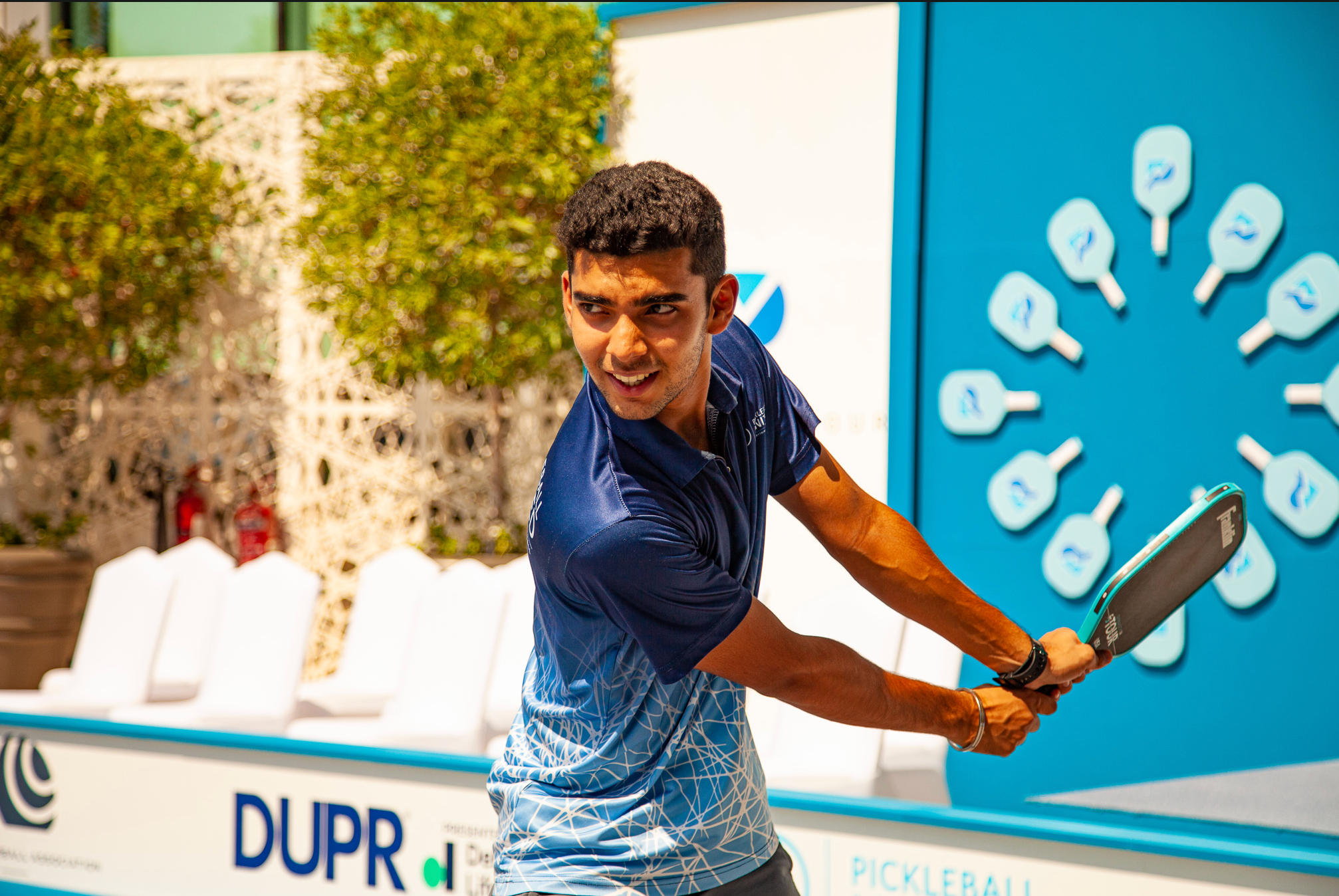
Every great pickleball player develops a solid foundation. Focus on consistently practicing the fundamental shots that appear in nearly every game, such as:
- Serves
- Returns
- Dinks
- Volleys
- Third-shot drops
- Drives
Instead of trying to win every point by hitting a difficult winner, aim for consistency. By reliably keeping the ball in play, a skilled pickleball player can control rallies and create additional scoring opportunities.
2. Develop Your Positioning on the Court
Positioning can significantly impact how well you perform on the court. One of the most important areas to position yourself effectively is the non-volley zone, often referred to as “the kitchen.”
Knowing when to advance toward the net, when to stay back, and how to move with your partner can help you cover more of the court and minimize open lanes that opponents can exploit.
A better pickleball player is aware of both the location of the ball and their own position in relation to it.
3. Play Opponents at Different Skill Levels
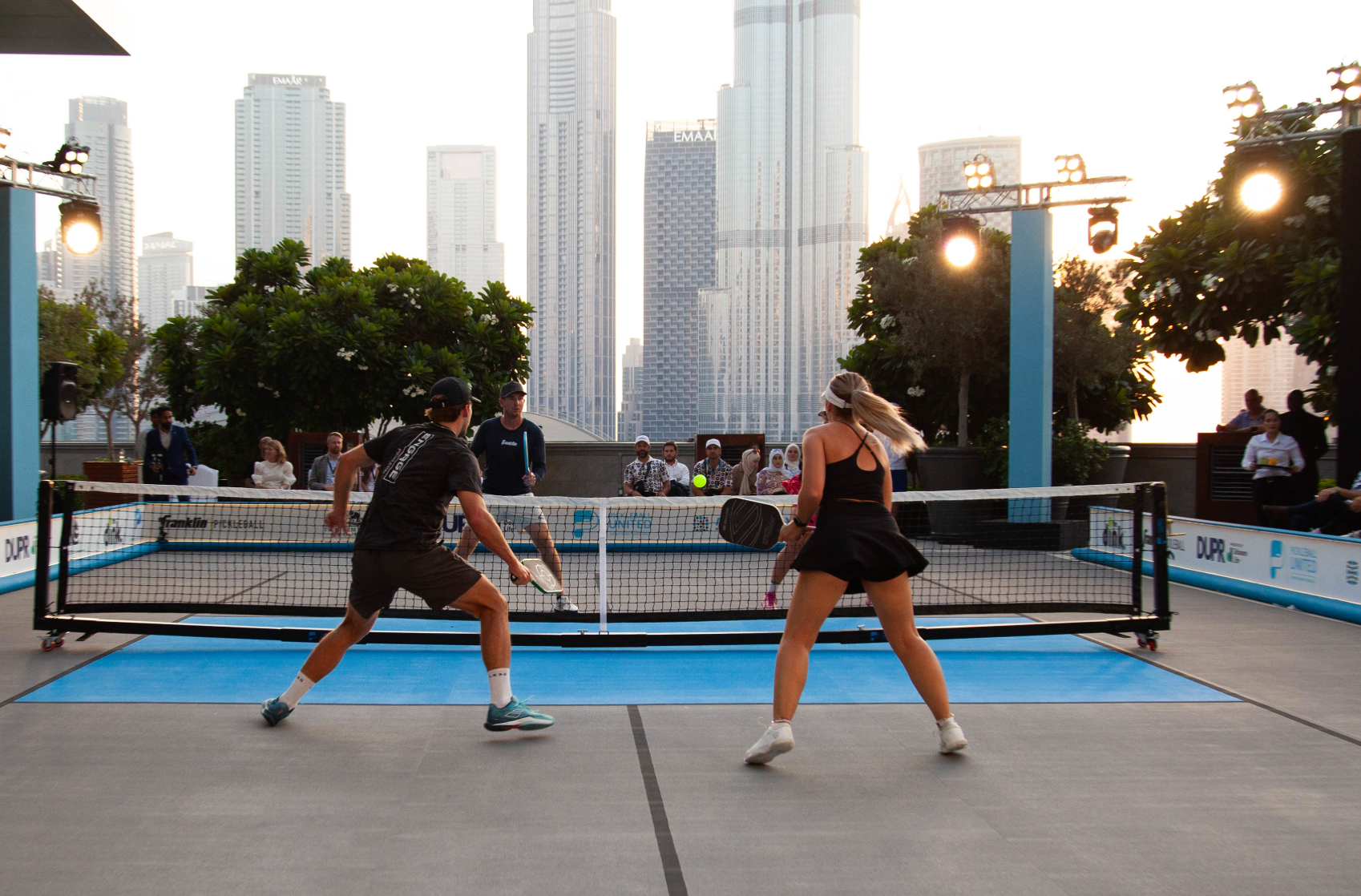
While there is comfort in knowing which pickleball players you will be facing each week, exposure to different skill levels can contribute more quickly to any pickleball player’s overall improvement.
Try playing against:
- Players who are more experienced than you
- Players with completely different playing styles
- New partners
- Tournament opponents
More skilled players can reveal weaknesses in your game that you may not notice during casual pickleball play. Exposure to different types of players can also help you become a more flexible pickleball player, rather than relying on the same approach every time.
4. Train With Intention
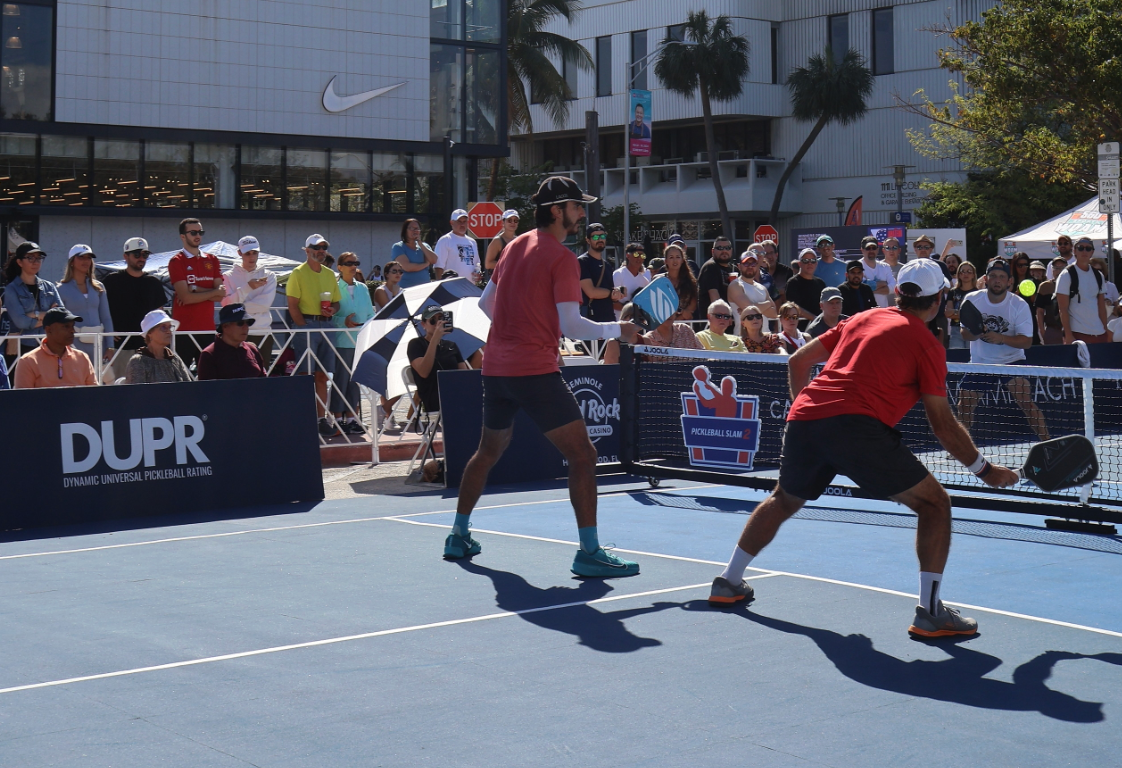
Simply playing more pickleball does not necessarily mean your skills are improving.
Choose one or two aspects of your pickleball game that you would like to improve and dedicate a practice session specifically to those areas. For example, you could spend one session focusing on third-shot drops and another session concentrating on returning serves.
Any pickleball player who trains with a purposeful approach can more easily observe improvements in their skills and recognize where additional development is needed.
Pickleball Tips
August 29, 2026
How the DUPR Rating System Works
Pickleball players will often ask: “What is your DUPR?”
The DUPR rating system provides a data-driven measure of a player’s current pickleball skill level based on actual match performance. Unlike systems where players identify themselves as beginner, intermediate, or advanced, a player’s DUPR rating changes as they continue to play and log results.
If you are new to the platform, you can also read more about what DUPR is and why players use it.
Below is a basic overview of how the DUPR rating system works.
What Is a DUPR Rating?
A DUPR (Dynamic Universal Pickleball Rating) is essentially a rating of your pickleball skill level.
New players start as NR (Not Rated) before being assigned a rating on a scale from 2.000 to 8.000:
- 2.000–2.999: Novice
- 3.000–3.999: Intermediate
- 4.000–4.999: Advanced
- 5.000–8.000: Professional
As you add more match history, your DUPR rating adjusts to better reflect your current level of play.
Looking for more information on pickleball ratings in general? Read Understanding All Pickleball Ratings.
How Does the DUPR Rating System Work?
The DUPR rating system compares how you perform with the expected result of a match using your rating and your opponents’ ratings.
Before a match, DUPR uses the ratings of all players involved to determine an expected outcome.
Afterward:
- Perform above expectations: Your rating may increase.
- Perform as expected: Your rating may change very little.
- Perform below expectations: Your rating may decrease.
This means the DUPR rating system is not based only on whether you win or lose. Your performance compared with the expected score also matters.
To learn more, read How Your DUPR Rating Is Calculated or visit How DUPR Works.
What Factors Influence My DUPR Rating?
There are four key factors that influence the DUPR rating system.
1. Performance vs. Expectations
DUPR measures your actual match performance against what was expected based on the ratings of the players involved.
If you perform better than expected, your rating may rise. If you perform below expectations, it may decrease.
2. Type of Match Played
Not all matches hold equal value.
Verified matches reported from:
- Tournament play
- League play
- Club play
- Other organized events
can carry more weight than self-posted recreational matches.
You can learn more about DUPR Verified events.
3. Match Recency
Recent matches carry more weight when determining your rating because they provide a more accurate picture of the player you are today.
If your skill level improves over time, continuing to play and log matches helps your DUPR rating reflect your more recent performance.
4. Number of Matches Played
The more matches you play, the more data DUPR has available to evaluate your skill level.
Playing consistently can also help strengthen your Reliability Score, which reflects how confidently your match history supports your current rating.
For more information, read about how the DUPR Reliability Score works.
How Does DUPR Work in Doubles Play?
For doubles play, DUPR uses each player’s individual rating to determine the strength of the two teams. The teams are then compared to predict an expected result.
- Perform better than expected → your rating may increase.
- Perform below expectations → your rating may decrease.
Your recent match history and the amount of data available about your performance can also affect how much your individual rating changes.
For more information about singles, doubles, and tournament results, check out DUPR’s Rating and Algorithm FAQ.
How Can I Obtain a DUPR Rating?
There are several ways to obtain a DUPR rating:
- Participate in a DUPR-reported tournament
- Join a DUPR league or club event
- Report eligible match results
- Get evaluated through eligible rating opportunities
- Continue playing and adding match history
Once eligible results are submitted to DUPR, your DUPR rating can be calculated and updated as you continue to play.
If you are just getting started, read DUPR’s guide to starting your pickleball journey.
Understanding the DUPR rating system can help you track your development, find players around your skill level, and make more informed decisions about leagues and tournaments.
Visit DUPR to get started and begin building your match history.
DUPR Ratings
August 27, 2026
DUPR and PicklOne Partner to Bring Smarter Match Data and DUPR Ratings to Pickleball Players
Integration connects PicklOne's match tracking and performance insights with DUPR to make everyday play more measurable, shareable and connected
DELRAY BEACH, Fla. — August 29, 2026 — DUPR, the world's leading pickleball rating system, today announced a partnership with PicklOne, a pickleball app built around tracking, understanding and sharing the game, bringing DUPR ratings and match data directly into PicklOne's player experience.
The integration connects PicklOne's Track Match feature with DUPR, allowing players to connect their DUPR account through single sign-on and sync their official singles and doubles ratings to their PicklOne profile. Hosts can also submit eligible completed match scores directly to DUPR through PicklOne's Track Match workflows.
PicklOne gives players a more complete picture of each match. Through Track Match, players can score games live using their phone or smartwatch and optionally record video. Once a match is complete, players can access additional context including Strain and Recovery scores, as well as stats and trends that help them understand their performance over time.
"Pickleball is increasingly becoming a data-driven sport, but the best technology is the technology that fits naturally into how people already play," said Tito Machado, CEO of DUPR. "PicklOne is making it easier for players to capture and understand what happens on court, while the DUPR integration connects those matches to a rating that players can use across the broader pickleball ecosystem."
The partnership also creates new opportunities for players to share their progress. PicklOne's PicklShot feature turns match data into shareable content, allowing players to showcase their games and performance with friends and their broader pickleball community.
"We built PicklOne around a simple idea: every match has a story," said Shivang Chopra, Founder of PicklOne. "Track Match captures what happens on court, our performance tools help players understand it, and PicklShot makes it easy to share. Connecting that experience with DUPR brings ratings into the loop and gives players another reason to keep playing, tracking and improving."
PicklOne also plans to introduce a co-branded DUPR PicklShot, allowing players to share their DUPR rating trends alongside their match content. The feature is designed to make rating progress more visible and shareable while giving players a new way to engage with their DUPR journey.
The partnership is part of DUPR's broader effort to connect the rating system with the technology players already use to play, track and improve. By integrating DUPR into everyday match experiences, players can build their rating while gaining deeper insight into their performance both on and off the court.
About DUPR
DUPR (Dynamic Universal Pickleball Rating) is the premier global pickleball rating system and technology platform, trusted by the world's leading clubs, tournaments, leagues, and players. DUPR's dynamic rating system unifies pickleball across age, gender, and location by analyzing match results to accurately evaluate all players across a 2.000 - 8.000 scale. DUPR is the official pickleball rating of leagues, tournaments and clubs around the world, including USA Pickleball (USAP), Global Pickleball Federation (GPF), United Pickleball Association (UPA), Professional Pickleball Association (PPA), Major League Pickleball (MLP), Pickleball.com, Life Time, The Picklr, National Team Pickleball League, National Pickleball League. It also owns and operates Minor League Pickleball and Collegiate Pickleball, two of the biggest amateur leagues in the sport. Players and operators can visit www.dupr.com to sign up and learn more.
About PicklOne
PicklOne is a pickleball app for iOS and Android built around how players actually play and share the game. Its Track Match feature lets players score matches live, record video and access performance data including Strain, Recovery and match statistics. PicklOne also offers PicklShot for sharing match moments, along with Quick Match, Round Robin and Rule the Court formats.
Partners
August 27, 2026
How Pickleball Brought Together Emilse De Los Santos and Michael Salm – And Changed Their Lives
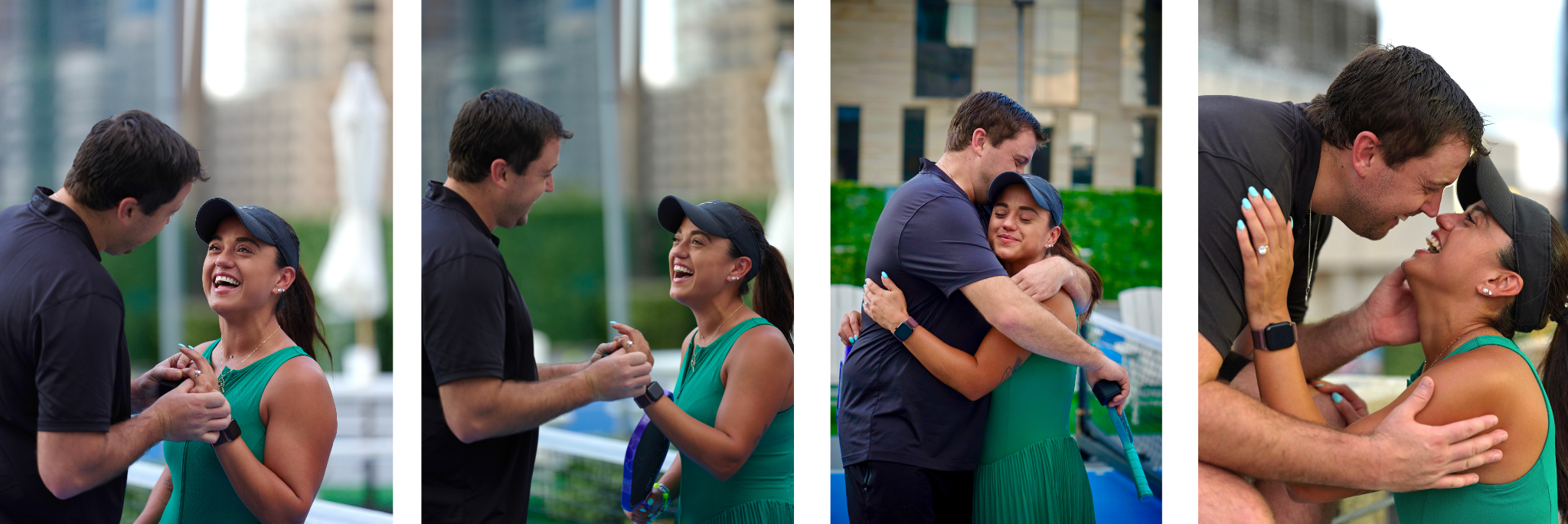
For Emilse "Emi" De Los Santos and Michael Salm, pickleball is more than a sport. It's where they met, where they compete, where they've built their professional careers, and even where Michael popped the question to Emi.
Their story is an unlikely one, beginning as a last-minute partnership at a friend's birthday party and developing into a relationship that includes everything from competing together in mixed doubles tournaments to building a business and running their own pickleball academy.
Unexpectedly Finding a Partner – and Then Falling in Love
Emi didn't plan to go to her friend's birthday party and therefore wasn't expecting to meet Michael.
But a women's doubles teammate was leaving town to move to Utah and convinced Emi to spend the weekend together. The party included a fun little pickleball tournament, and Emi and her teammate made it to the championship match.
The only problem was that her partner had to leave before the final.
Emi needed someone to fill in, and Michael happened to be sitting nearby. He offered, simply saying, "I'll play!"
Emi and Michael competed together for the first time on that birthday party court. They won. Afterward, they immediately hit it off as partners. When another local Moneyball rolled around shortly thereafter, they decided to enter together again.
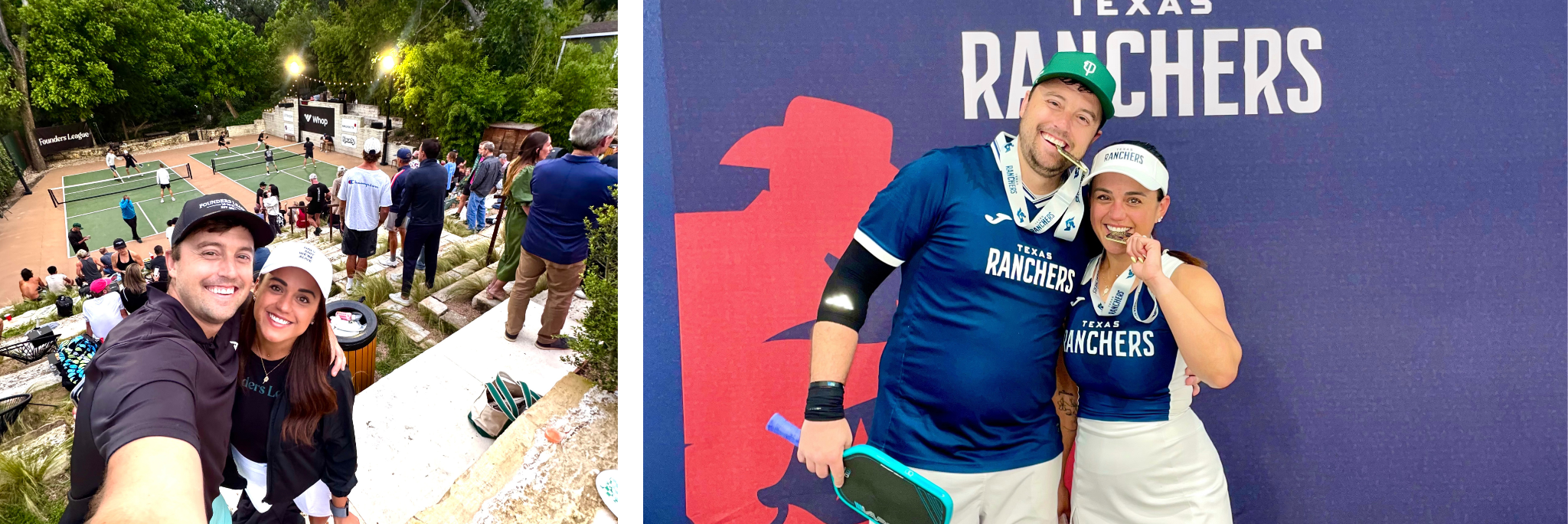
That's when things really took off. There would be more tournaments, more Moneyballs, more drills, more practices, and more wins and losses. At some point during all of this, their pickleball partnership evolved into something more.
Pickleball Became Their World On and Off the Court
Nowadays, both Michael and Emi work full-time in the pickleball industry.
Michael works as the CEO of Founders League. Founders League connects entrepreneurs and CEOs through pickleball, giving its members a chance to build relationships with other successful individuals while having fun and competing together.
Emi is a full-time pickleball coach. Her specialty is helping players develop their skills, gain confidence on the court, and form relationships with fellow players. In addition to coaching, she is also ranked among the top 10 Mexican women on DUPR.
DUPR is the global pickleball rating system that measures a player's performance level based on match results. Here are their most recent DUPR ratings:
- Emilse De Los Santos: 4.73 DUPR | 430 matches
- Michael Joseph Salm: 5.10 DUPR | 207 matches
Players interested in learning more about how DUPR ratings work can read DUPR's rating and algorithm FAQs.
Together, they also created their own pickleball academy, EMP Academy, where players can train and receive instruction from both coaches. One of their favorite aspects of the academy is training mixed doubles teams who want to improve their chemistry or prepare for competitions together.
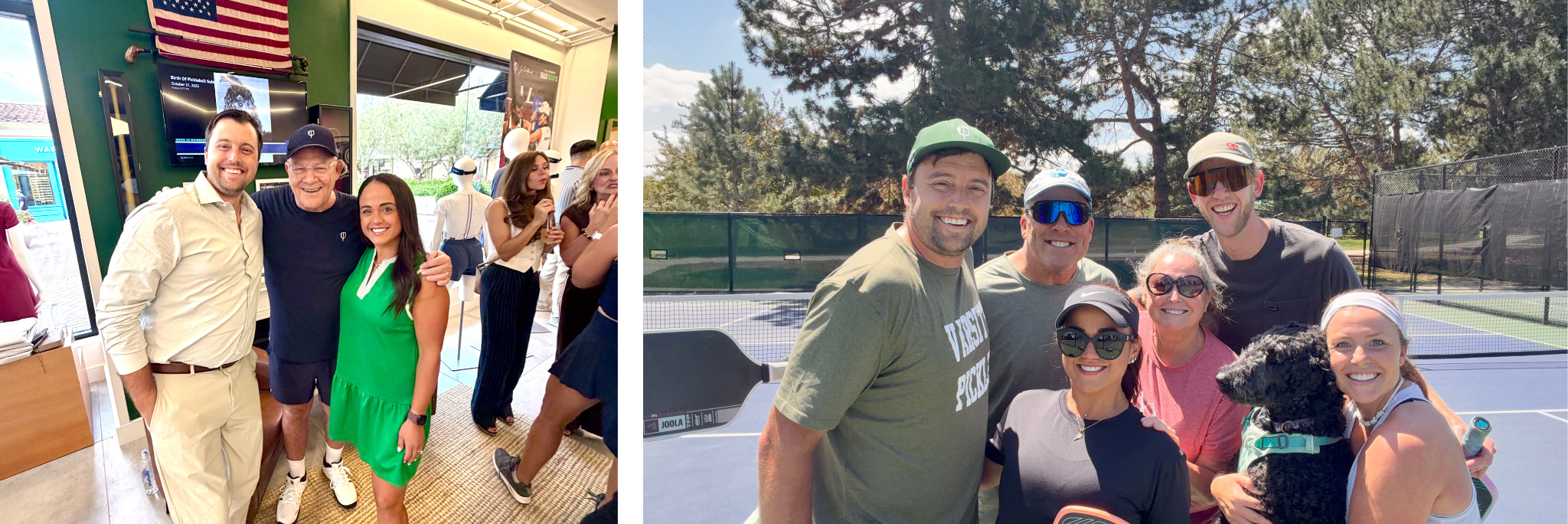
Still Teammates on the Court
Emi and Michael are still regular competitors together in mixed doubles tournaments and Moneyballs today, and people frequently ask the duo how they manage competing together while also being a couple.
According to Michael and Emi, it comes down to their ability to communicate effectively with one another.
Both know what type of energy they need to maintain on the court, how to support each other, and how to recognize when something isn't going right and needs improvement.
They've both played sports since childhood, so they're familiar with the nerves and emotions associated with athletic competition. Win or lose, they leave the court as a team.
Competitive players looking for more opportunities to play can also explore The Dink Minor League Pickleball, which gives amateur players additional opportunities for team-based competition.
A Pickleball Engagement
On August 8, 2026, the day after Michael's birthday, he told Emi he wanted to continue celebrating with friends at Urban Pickleball Club and play a little pickleball.
At the time, Emi had just gifted Michael a new 11SIX24 paddle. The two planned to take photos with the paddle for Emi's social media. While Emi was preoccupied with taking photos, Michael told her to turn back toward him.
When she did, he was holding a ring.
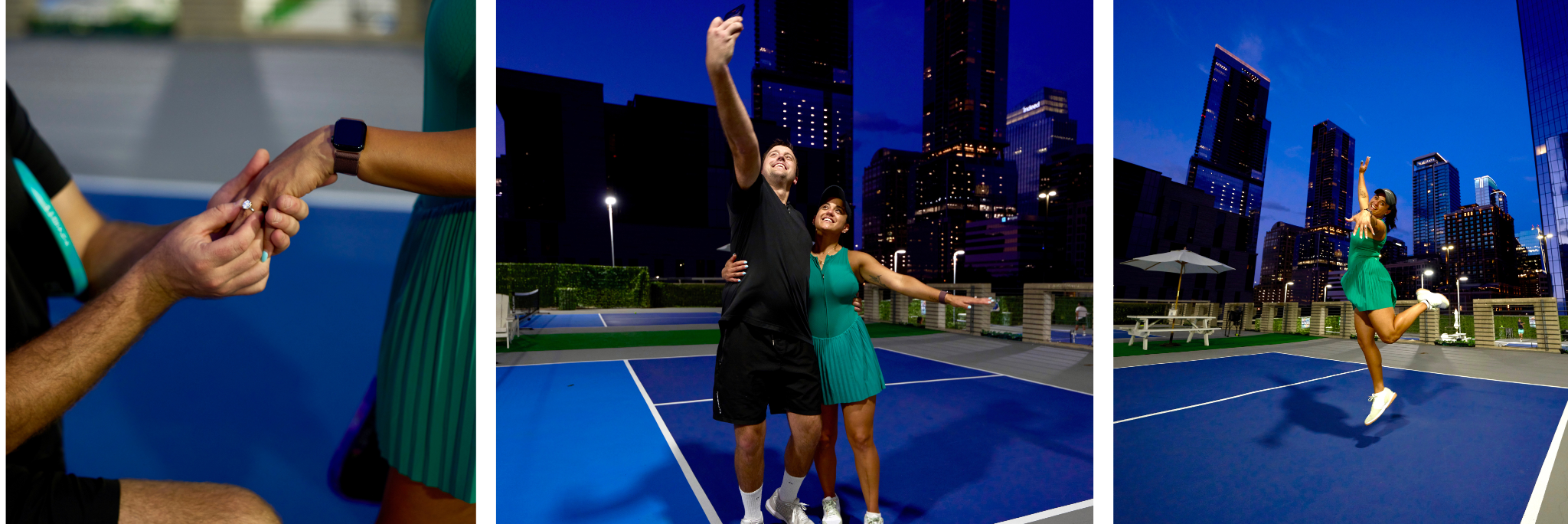
He proposed to her right then and there at Urban Pickleball Club.
Once she said yes, their friends began arriving with champagne for a celebratory toast.
It seems like fate couldn't have picked a better spot for their proposal: a pickleball court, a new paddle, friends who love pickleball as much as they do, and the sport that ultimately brought them together in the first place.
There is also a unique connection between these dates.
Michael asked Emi to be his girlfriend on July 7, 2025. Since 2 + 5 = 7, they refer to the date as 7/7/7.
Then, precisely one year, one month, and one day later, Michael proposed to Emi on August 8, 2026. Since 2 + 6 = 8, the date becomes 8/8/8.
Community
Partners