
‘Legal’ vs. ‘Illegal’ Pickleball Paddles
.jpg)
Understanding the Difference Between Approved and Non-Approved Paddles
What You Need to Know Before Your Next Match
If you’ve ever played in a pickleball tournament, you’ve probably heard players talking about approved vs. non-approved paddles. As pickleball technology continues to advance, governing bodies and event organizers are placing greater emphasis on paddle compliance to ensure fair competition.
What “Approved” Actually Means
Approved paddles meet specific standards set by the sport’s governing bodies. These standards ensure the paddle performs within acceptable limits for:
- Surface roughness
- Deflection and stiffness
- Spin production
- Material durability
- Noise concerns on certain courts
- Overall design specifications
When a paddle is approved, it means it has passed testing to ensure it does not provide an unfair advantage.
In contrast, non-approved paddles may exceed limits for grit, core compression, deflection, or use materials that don’t pass testing protocols. While these paddles can be fun to use in recreational play, they are not legal for structured or regulated competition.

Why Paddle Approval Matters
Any regulated event requires paddles to be on an approved list to maintain an even playing field. Small differences in paddle design can significantly affect ball speed, spin, and control. Here’s why approval matters:
- Competitive fairness: All players compete within the same equipment boundaries.
- Match integrity: Results recorded in systems like DUPR reflect skill, not equipment advantages.
- Eligibility: Many events require approved paddles for matches to count.
- Consistency: Approved paddles are tested to ensure predictable performance.
What Makes a Paddle Non-Approved
Official pickleball rules allow paddles with a maximum combined length and width of 24 inches (60.96 cm) and a maximum length of 17 inches (43.18 cm). Some of the most common reasons a paddle may be considered illegal include:
- Excessive surface roughness: Produces too much spin and creates imbalance.
- Deflection or power levels that are too high: Stores and releases energy beyond allowed limits.
- Unregulated materials: Certain composites or internal structures may not meet specifications.
- Manufacturing inconsistencies: Variations in production can push performance outside limits.
- Post-purchase modifications: Sanding, weighting, or surface alterations can invalidate approval.
Approved vs. Non-Approved: What Players Experience
Approved Paddles
- Consistent performance across batches
- Controlled spin and power within limits
- Predictable sweet spot behavior
- Eligible for tournament and league play
Non-Approved Paddles
- Often feel “hotter” with extra spin or power
- Can be fun in casual play
- Risk of disqualification or match reversal in events
- Matches may not count toward DUPR ratings
How to Know If Your Paddle Is Approved
Here are a few ways to check your paddle’s status:
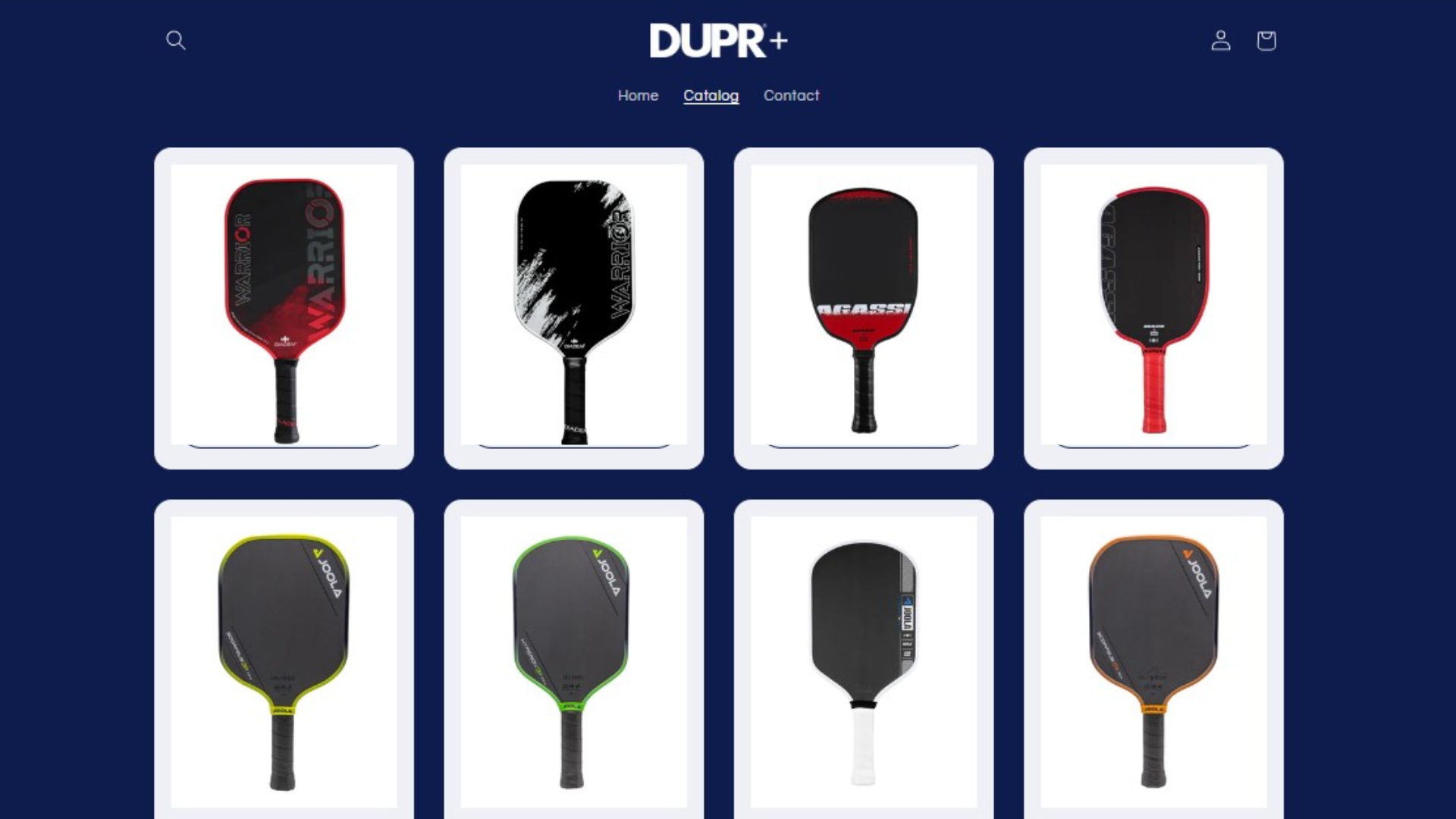
- Check the manufacturer’s website: Reputable brands list approved models. All the paddles for sale at shop.dupr.com are approved as well.
- Inspect the paddle: Many approved paddles include a certification stamp.
- Confirm with the event organizer: Some tournaments publish approved equipment lists.
- Avoid modifications: Even approved paddles can become illegal if altered.
What This Means for DUPR and Tournament Play
While recreational play is flexible, structured events rely on equipment integrity. Since match data affects ratings, rankings, and qualification, organizers aim to ensure all players compete with compliant equipment.
Using a non-approved paddle in competitive play may result in:
- Warnings
- Paddle inspections
- Match disqualification
- Results not counting toward your DUPR rating
Final Takeaway
The difference between approved and non-approved paddles comes down to fairness, integrity, and consistency. Approved paddles meet established standards designed to create an even playing environment, while non-approved paddles may offer unintended performance advantages.
If you plan to play in leagues, DUPR events, or tournaments, using an approved paddle ensures your equipment is eligible, your matches count, and your competitive experience stays smooth and interruption-free. DUPR+ players have access to huge discounts on pickleball paddles. Check out the DUPR shop and get the best paddle for you today.

.jpg)

.jpg)


