No matching results.
Search results
January 15, 2026
Collegiate Pickleball Tour: Spring 2026 Schedule
The Spring 2026 Collegiate Pickleball Tour schedule is official. Super Regionals will run from February through March, followed by the Collegiate National Championship in April.
These events determine which teams qualify for Nationals and play a major role in shaping the collegiate season.
Below is the full spring schedule.
Feb 7–8 — Virginia Super Regional
📍 Performance Pickleball RVA
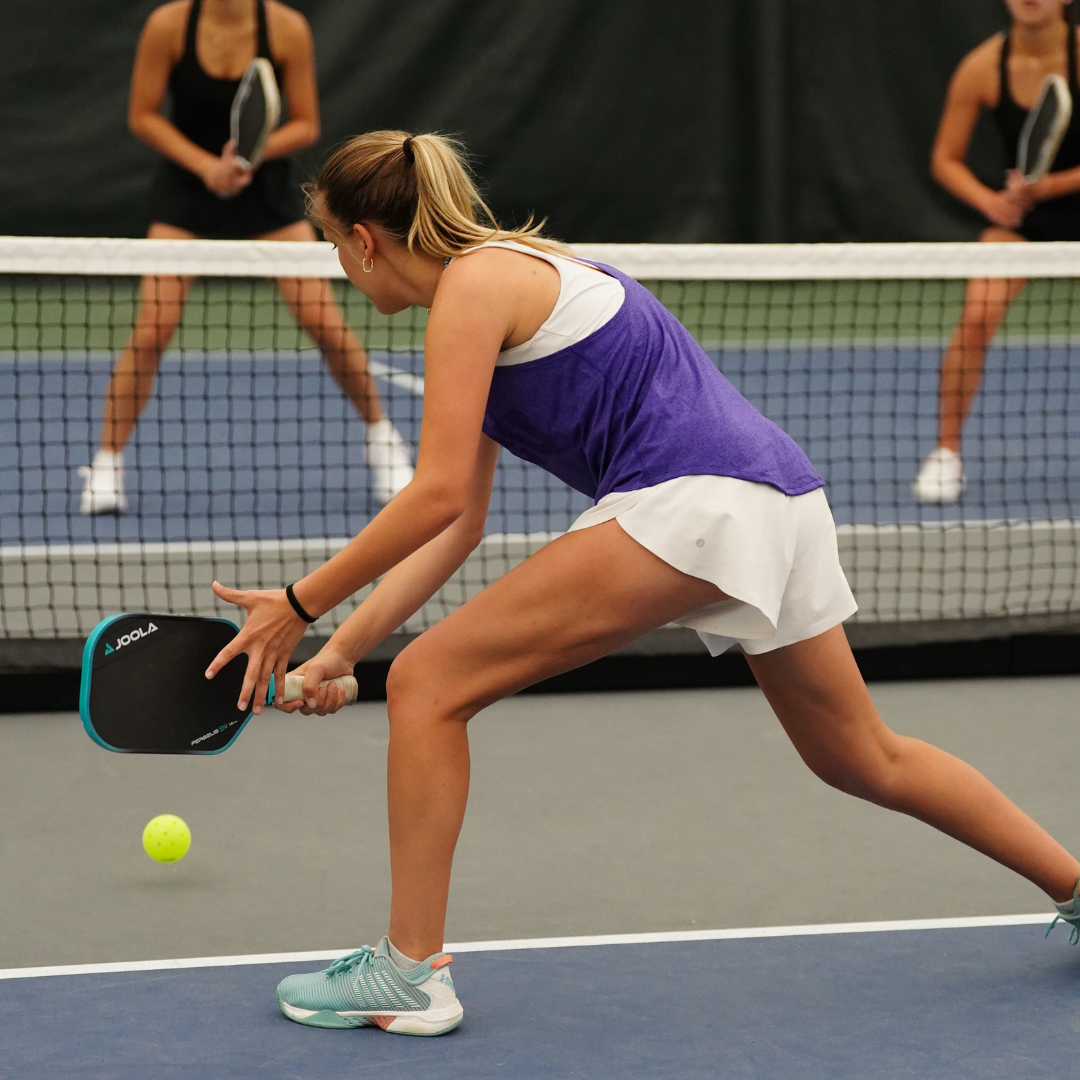
Virginia opens the spring season. This event typically draws a mix of returning contenders and new programs looking to establish themselves early.
Feb 21–22 — Indiana Super Regional
📍 The Picklr Noblesville
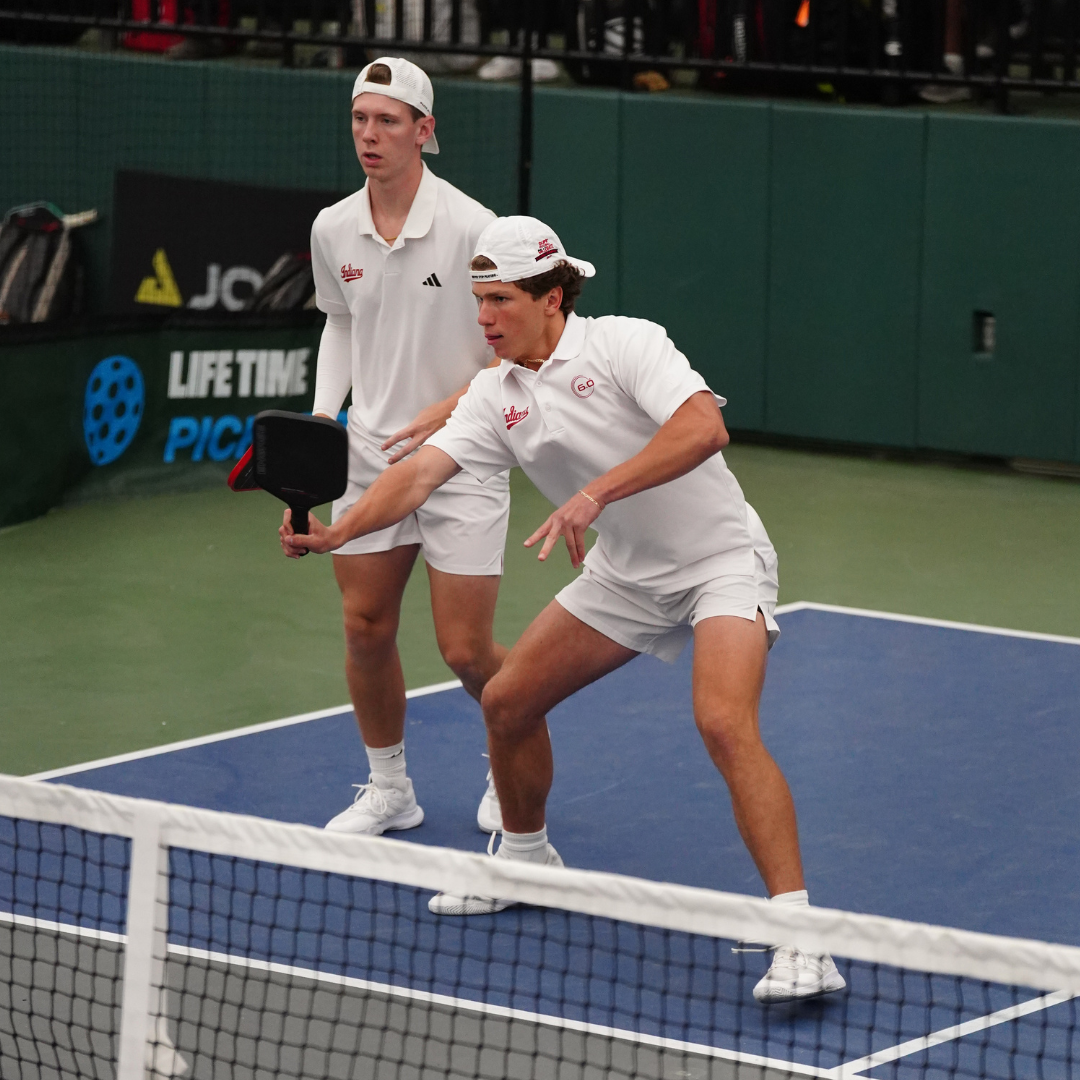
The Indiana Super Regional takes place two weeks later at The Picklr in Noblesville. This stop is often a key qualifier for Midwest teams.
March 7–8 — California Super Regional
📍 The Hub Silicon Valley
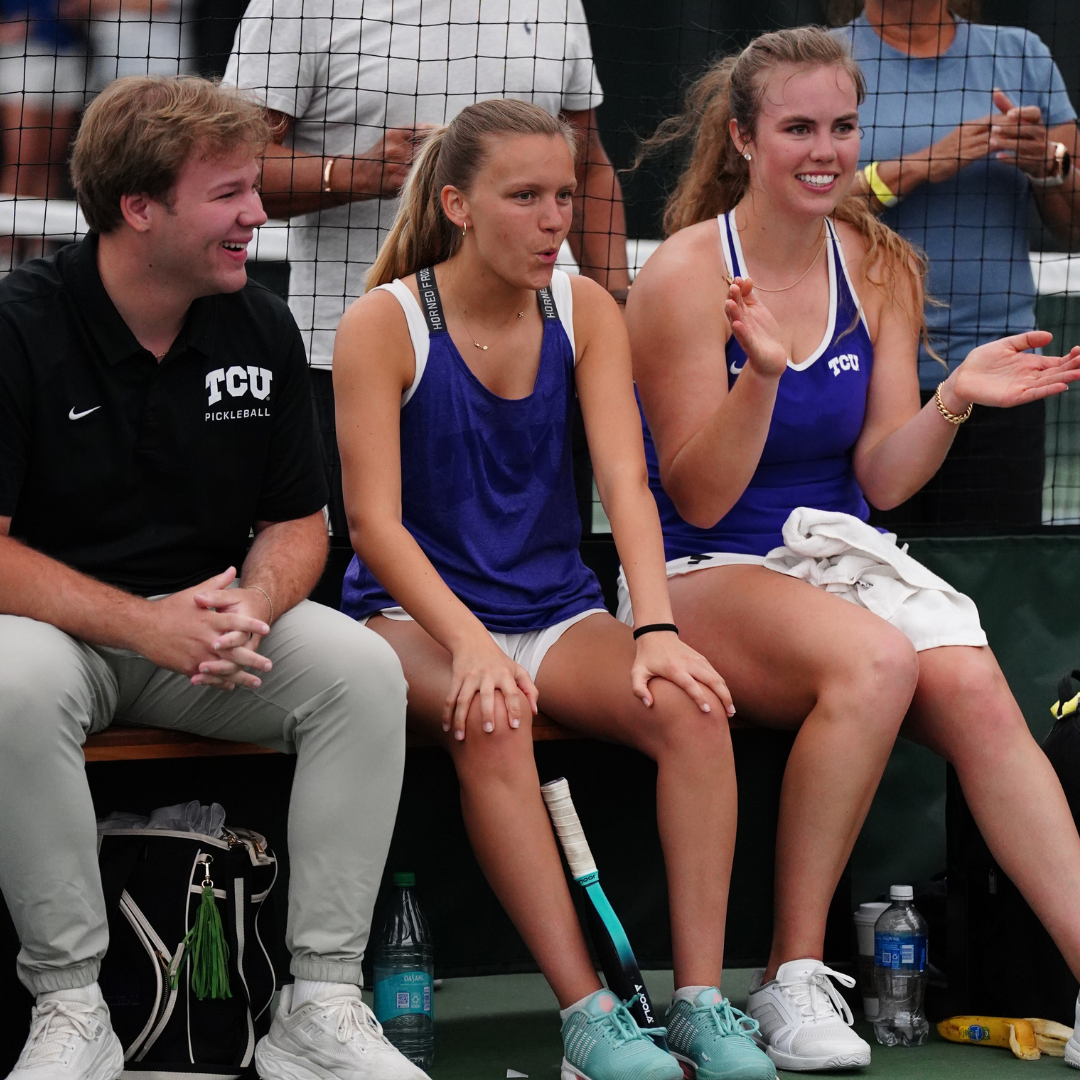
California hosts the West Coast Super Regional in early March. Expect a deep field and competitive brackets throughout the weekend.
March 28–29 — Georgia Super Regional
📍 Atlanta National Pickleball Club
📝 Registration link coming soon
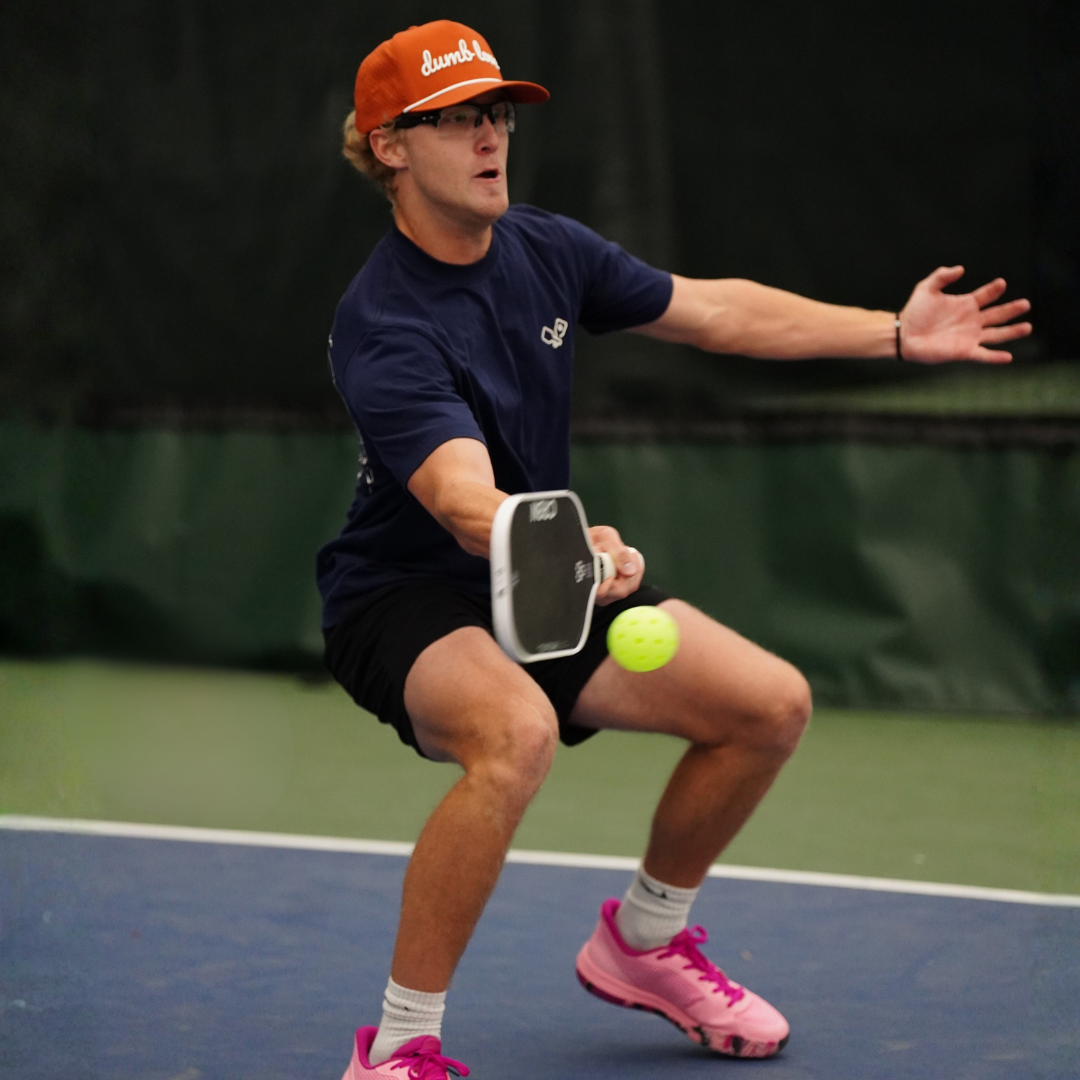
Georgia is the final Super Regional of the spring and the last chance for teams to secure qualification before Nationals.
April 9-12: Collegiate National Championship (CNC)
📍Life Time Peach Tree Corners
The Collegiate National Championship will take place in April. Additional information on location, dates, and registration will be released soon.
Teams planning to compete this spring should review the schedule early and prepare travel and registration accordingly. More updates, including registration links and event details, will be shared as they become available.
For the newest updates on collegiate pickleball, make sure to join The Collegiate News Channel on Instagram by clicking here.
College
Community
Pickleball Tournaments
January 14, 2026
DUPR and PB Vision Partner to Shape the Future of AI Pickleball Ratings
DUPR today announced a partnership with Pickleball Vision AI (PB Vision) to help players better understand their skill level, improve more effectively, and enter the pickleball ecosystem with greater confidence. The partnership explores how AI-powered video analysis can responsibly support player ratings.
Through this collaboration, DUPR is formally exploring how AI-powered video analysis can complement match results rating. The immediate goal is to create a clearer, faster, and more confident on-ramp for new players, while maintaining DUPR as the official source of truth for pickleball ratings.
“This collaboration allows us to explore how video and AI can responsibly support player onboarding and rating accuracy, without fragmenting the sport,” said Tito Machado, CEO at DUPR. “Our priority remains the same: a single, accurate, and fair rating system for players everywhere.”
Mike Arney, Co-founder at Pickleball Vision AI, added: “By aligning with DUPR as the official rating system, we can focus on what we do best—video-based performance insights—while supporting a unified rating standard for the sport.”
Players can begin benefiting from this partnership immediately.
Players are now able to upload their gameplay videos directly to PB Vision for an objective DUPR AI rating. In the near future, new players will be able to submit videos directly from the DUPR app and receive a DUPR AI-rating powered by PB Vision, along with a detailed breakdown of their gameplay. All new users receive one free video analysis, making it easy to understand where they stand and what to work on next.
For players with an existing DUPR rating, PB Vision offers immediate value by highlighting strengths, weaknesses, and specific areas of the game that influence performance. From day one, players can see what aspects of their play are helping or holding back their results and focus improvement efforts on the factors most likely to move their DUPR rating up over time.
By aligning with DUPR as its official and exclusive pickleball rating system, PB Vision focuses on delivering video-based performance insights that support players while reinforcing a unified rating standard in the sport. As the collaboration evolves, this creates a pathway to responsibly support DUPR AI Ratings.
PB Vision provides a secure video analysis experience through its mobile apps and website. Future integration paths will enable players to upload gameplay videos directly from the DUPR app for processing and analysis. Players will continue to receive their official rating through DUPR, while PB Vision will deliver complementary performance analytics powered by its proprietary AI technology.
In addition, DUPR is exploring a potential composite rating model that incorporates additional performance inputs alongside match results, including AI-powered video analysis. These inputs provided by PB Vision could provide deeper context such as whether a player was being targeted, carrying the team, or impacting play beyond the final score. Over time, this added insight may enhance rating accuracy while preserving the foundational role of match results.
About DUPR
DUPR (Dynamic Universal Pickleball Rating) is the premier global pickleball rating system and technology platform, trusted by the world's leading clubs, tournaments, leagues, and players. DUPR's dynamic rating system unifies pickleball across age, gender, and location by analyzing match results to accurately evaluate all players across a 2.000 - 8.000 scale. DUPR is the official pickleball rating of leagues, tournaments and clubs around the world, including USA Pickleball (USAP), United Pickleball Association (UPA), Professional Pickleball Association (PPA), Major League Pickleball (MLP), Pickleball.com, Life Time, The Picklr, National Team Pickleball League, National Pickleball League. It also owns and operates Minor League Pickleball and Collegiate Pickleball, two of the biggest amateur leagues in the sport. Players and operators can visit www.dupr.com to sign up and learn more.
About Pickleball Vision AI
Pickleball Vision AI is a technology company focused on video-based analysis and performance insights for pickleball players. Using gameplay video, PB Vision helps players objectively understand their level of play, identify areas for improvement, and track progress over time through actionable analytics and performance metrics.
Partners
Community
January 13, 2026
When to Drive Your Third Shot (And When the Drop Is the Better Call)
When to Drive Your Third Shot (And When the Drop Is the Better Call)
Let’s clear something up right away:
You don’t have to drop every third shot.
But you also don’t want to drive just because you’re feeling spicy.
The real skill is knowing which ball deserves a drive… and which ball is basically asking you to drop shot it.
So here’s the simplest way to think about it:
The “Green Light” for a Third-Shot Drive
If you’re going to drive your third, you’re usually looking for a return that’s:
✅ Higher
A ball that sits up gives you margin. You can hit through it without launching it.
✅ Shorter
Short return = you’re closer to the kitchen when you hit. Better angle, less time for them to react.
✅ Slower
If the ball is coming in fast and deep, your drive isn’t going to do damage. Your opponent will be set, balanced, and ready to volley it. But when the ball comes slow, it gives you time to position yourself and accelerate towards your target.
Higher + shorter + slower is basically the pickleball version of a green light for a drive.
If the return checks those boxes, driving the third can be a great play, because it can:
- force a pop-up
- set up an easier fifth shot
- speed the point up before they’re fully settled
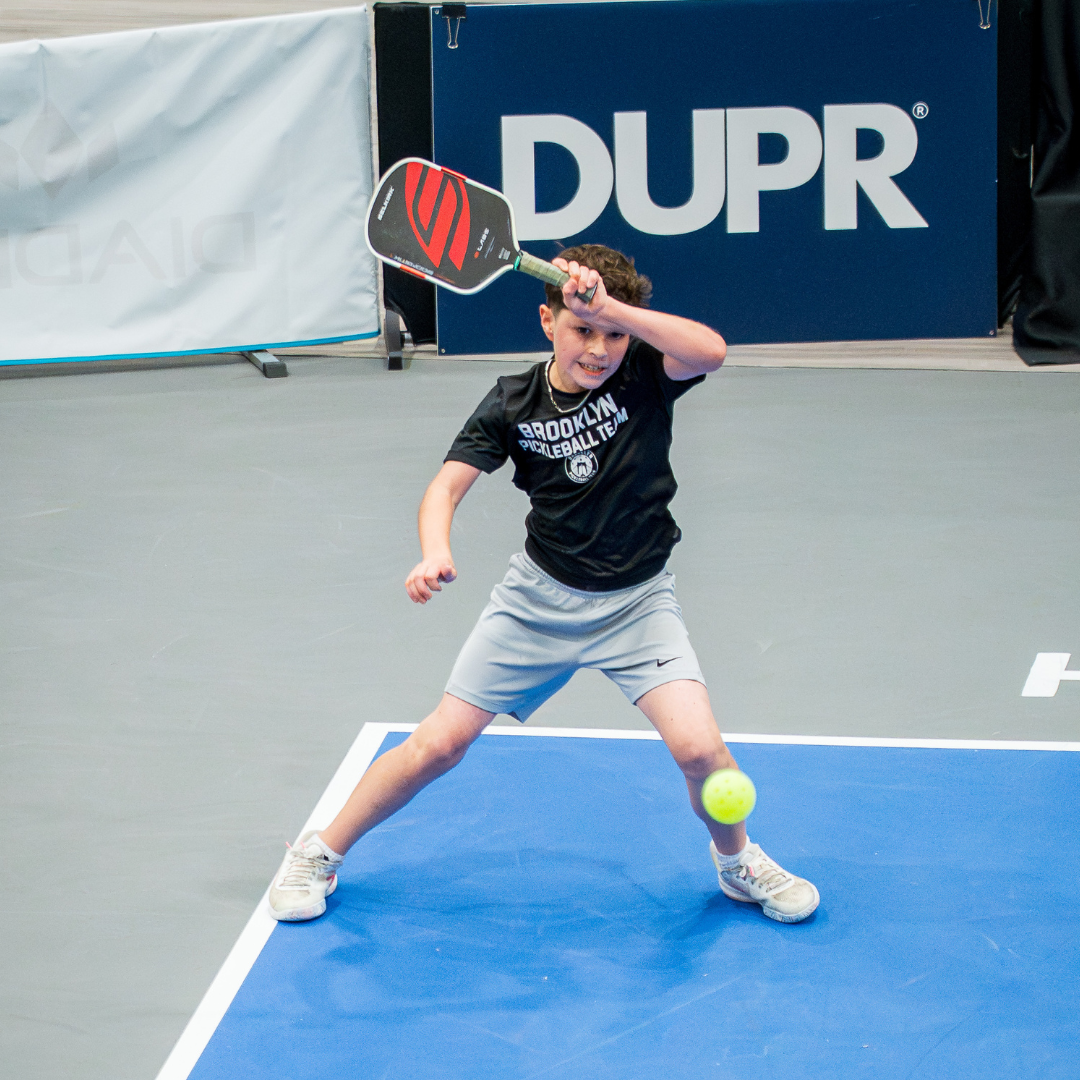
When You Shouldn’t Drive (Even If You Can)
Now the other side.
If the return is deep, low, and fast, driving is usually risky.
Because what happens?
- They block it back easily
- You’re still back / in transition
- Now you have to hit a tougher fifth shot while moving
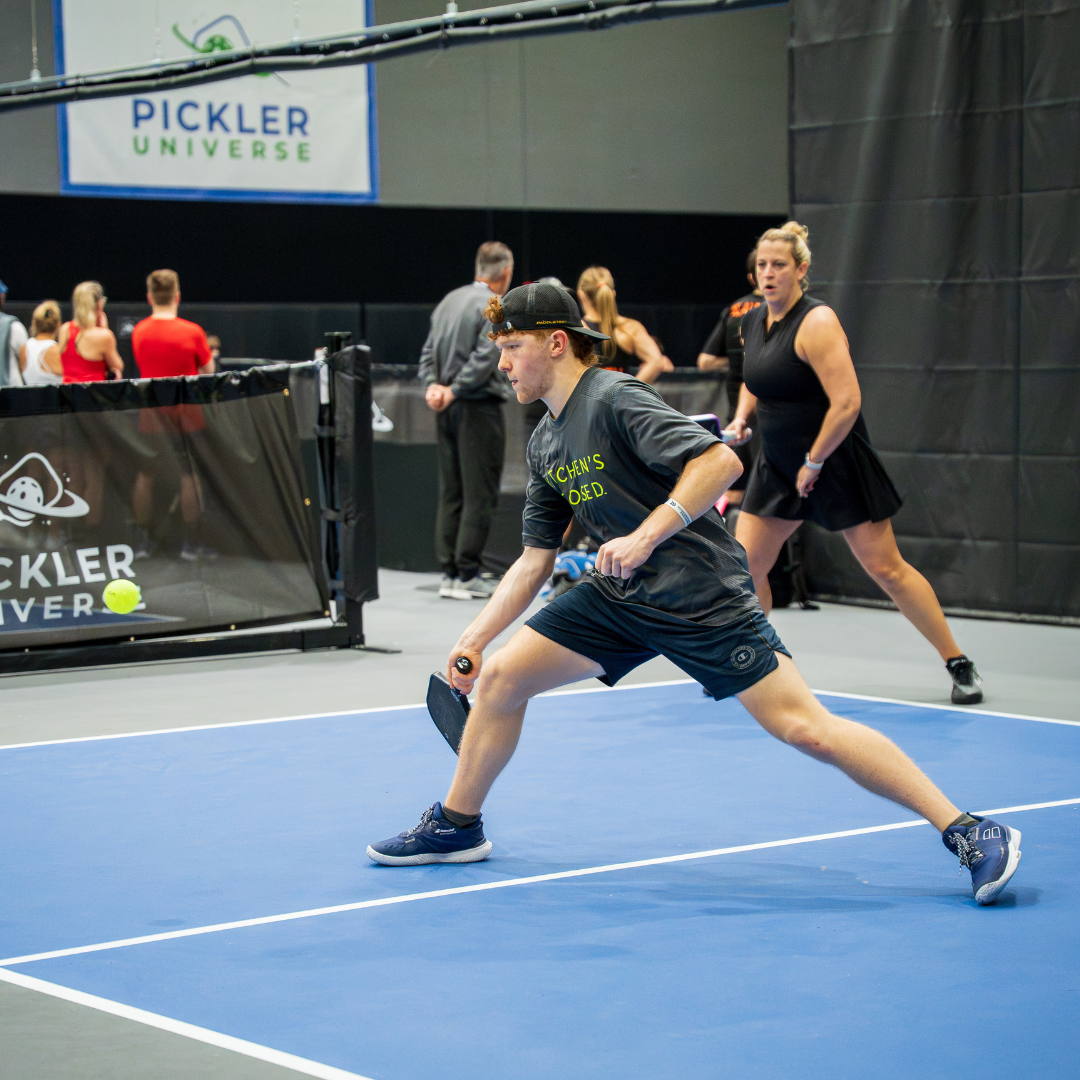
So if you’re driving third shots off good, deep returns, and wondering why you’re always on defense… that’s probably the reason.
Here are some tips from pro pickleball player Bobbi Oshiro on how to stop getting stuck in transition.
Here’s the Part Everyone Misses: Your Drop Doesn’t Need to Be Perfect
A lot of players drive too much because they feel like their third-shot drop has to land on a dime.
It doesn’t.
A successful drop is basically any ball that lands within about 0 to 2 feet from the kitchen line (that “2-foot zone”). Why?
Because if it lands in that range, your opponent will be reaching for the ball below the net and be consequently forced to hit up, and that’s the whole point of the drop:
Take away their attack and earn your way forward.
Even if they volley it out of the air sometimes, it’s usually still fine because they’re still hitting up.
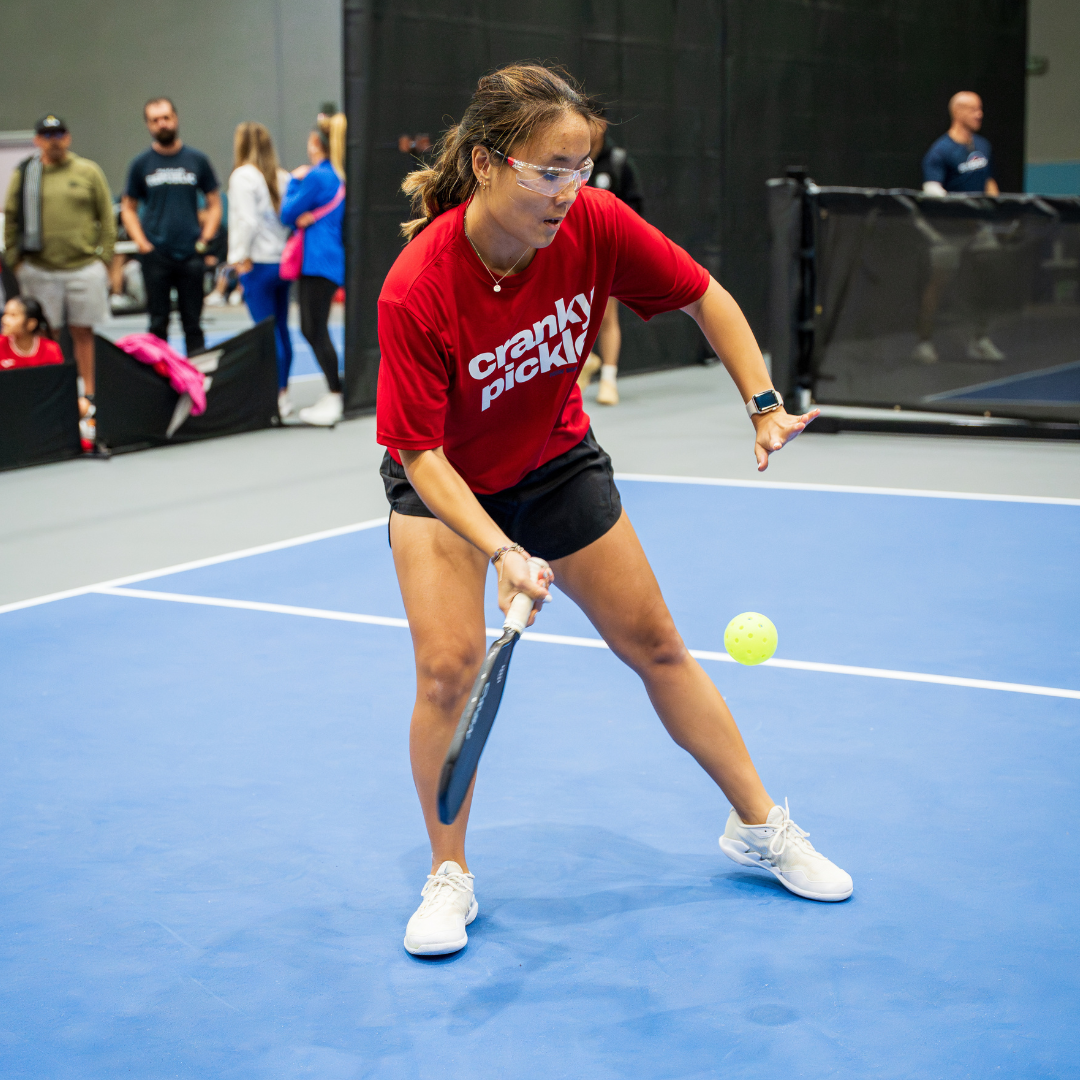
Want an Easier Drop? Go Crosscourt.
This is one of those things that’s simple but changes everything:
Crosscourt drops give you more margin.
When you hit crosscourt, the ball travels on an angle, and that angle gives you more “landing zone” to work with (roughly 10% to 25% more room, depending on the angle).
Down-the-line drops are harder because:
- The net is slightly higher near the sideline
- You have less landing zone
- It’s easier to miss long or clip the net
So if you’re struggling with drops, stop trying to paint the down-the-line one. Go crosscourt or middle more often.
Where to Aim Your Drop (So It Actually Helps You)
Two easy targets that make your drop more effective:
Aim crosscourt… and lean toward the backhand
Most players are:
- less comfortable attacking off the backhand
- less likely to speed up cleanly from there
So even if your drop is “just decent,” aiming it to the backhand buys you time.
Quick Drop Checklist (So You Stop Overthinking)
If you’re dropping, don’t try to think about 14 things at once.
Pick one reference point and live with it:
- either focus on where the ball lands
- or focus on how high it crosses the net
Aim “about a foot over the net” and try to land it in that 0–2 ft zone.
That’s enough to level up fast.
So… Drive or Drop?
Here’s the simple rule that works:
If the return is high + short + slow → Drive it.
You’re closer, you have angle, they have less time.
If the return is deep + low + fast → Drop it.
Get it into that 0–2 ft zone and make them hit up.
And if you’re not sure?
Default to the drop because it gets you to the kitchen, and that’s where most points get won.
Your third shot isn’t about being “a drop person” or “a drive person.” It’s about making the smart play based on the ball you’re given.
Drive the ball that deserves it.
Drop the ball that doesn’t.
And if you start using crosscourt + backhand targets, you’ll suddenly feel like you have way more time and way fewer panic shots.
For more pickleball tips, take a look at DUPR’s blogs page here.
Pickleball Tips
Community
January 13, 2026
Pro Player Bobbi Oshiro’s 2025 Personal Recap & Looking Ahead to 2026
A Year of Alignment: Ratings, Growth, and the Bigger Picture
The recent partnership announcements between USA Pickleball and DUPR, along with the APP Tour, feel like a major step toward something the sport has needed for a long time: true alignment.
From my perspective, both as a competitor and through my part-time work with DUPR, having more match data living in one place matters. When players are consistently matched against their true peers, competition becomes fairer, results feel more meaningful, and trust in the system grows. Increased data, transparency, and cooperation across organizations are exactly what’s needed to make ratings more accurate and more useful, for both pros and amateurs, long term.
Pickleball Went Global in 2025 and It’s Just Getting Started
One of the most exciting parts of 2025 was witnessing pickleball’s international growth firsthand. From PPA Asia hosting seven tournaments between July and December, to the continued success of MLP Australia, and the emergence of high-level pro events in India, Vietnam, Malaysia, and beyond, it’s clear this sport is no longer just growing, it’s accelerating.
Competing internationally gave me a new appreciation for how passionate these communities are and how quickly the level of play is rising. I’d love to see similar momentum build in Europe, because nothing speeds up development like American players mixing with top international talent and pushing each other to a higher standard.
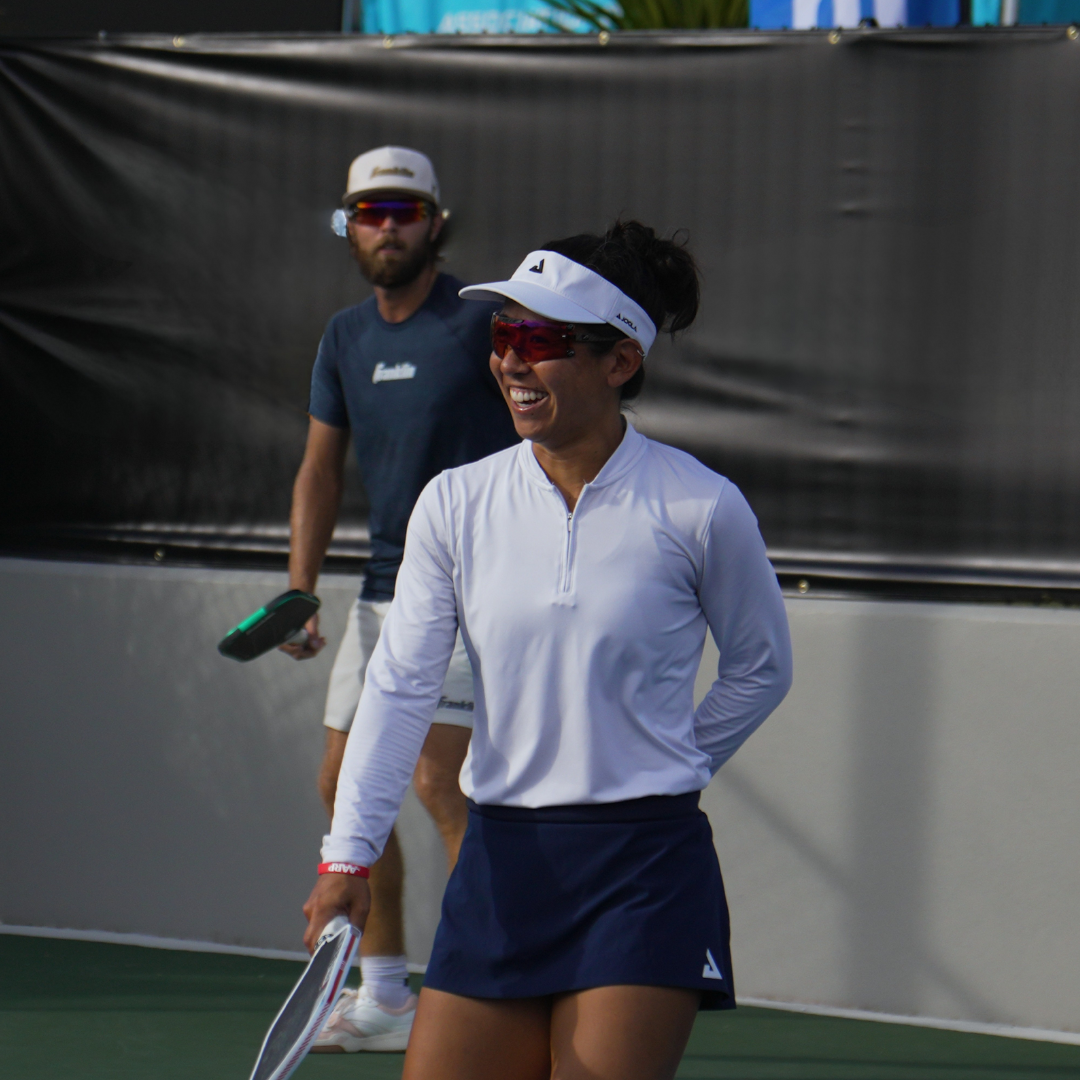
Watching the Top of DUPR Heading Into 2026
As we move into 2026, I’m especially curious to see whether we’ll get any shake-ups in the Top 5 of the DUPR rankings. Right now, those spots are held by some of the most dominant and consistent players in the game:
Men’s Doubles
Men’s Singles
Women’s Doubles
Women’s Singles
On the men’s side, I’m putting my bets on Will Howells or Eric Oncins in doubles, and Roscoe Bellamy in singles. All three closed out 2025 strong, and if they can keep building consistency and turning deep runs into regular podium finishes, I think they have a real shot at cracking the Top 5.
On the women’s side, it’s a tougher call given how dominant and consistent the current Top 3 have been. There wasn’t much movement at the top in 2025, but heading into 2026, my picks would be Catherine Parenteau in doubles and Lea Jansen in singles to push into that No.4 or No.5 spots in the rankings. Both are elite players in their own right, and I’m predicting a more consistent year for each, especially when it comes to regular podium finishes.
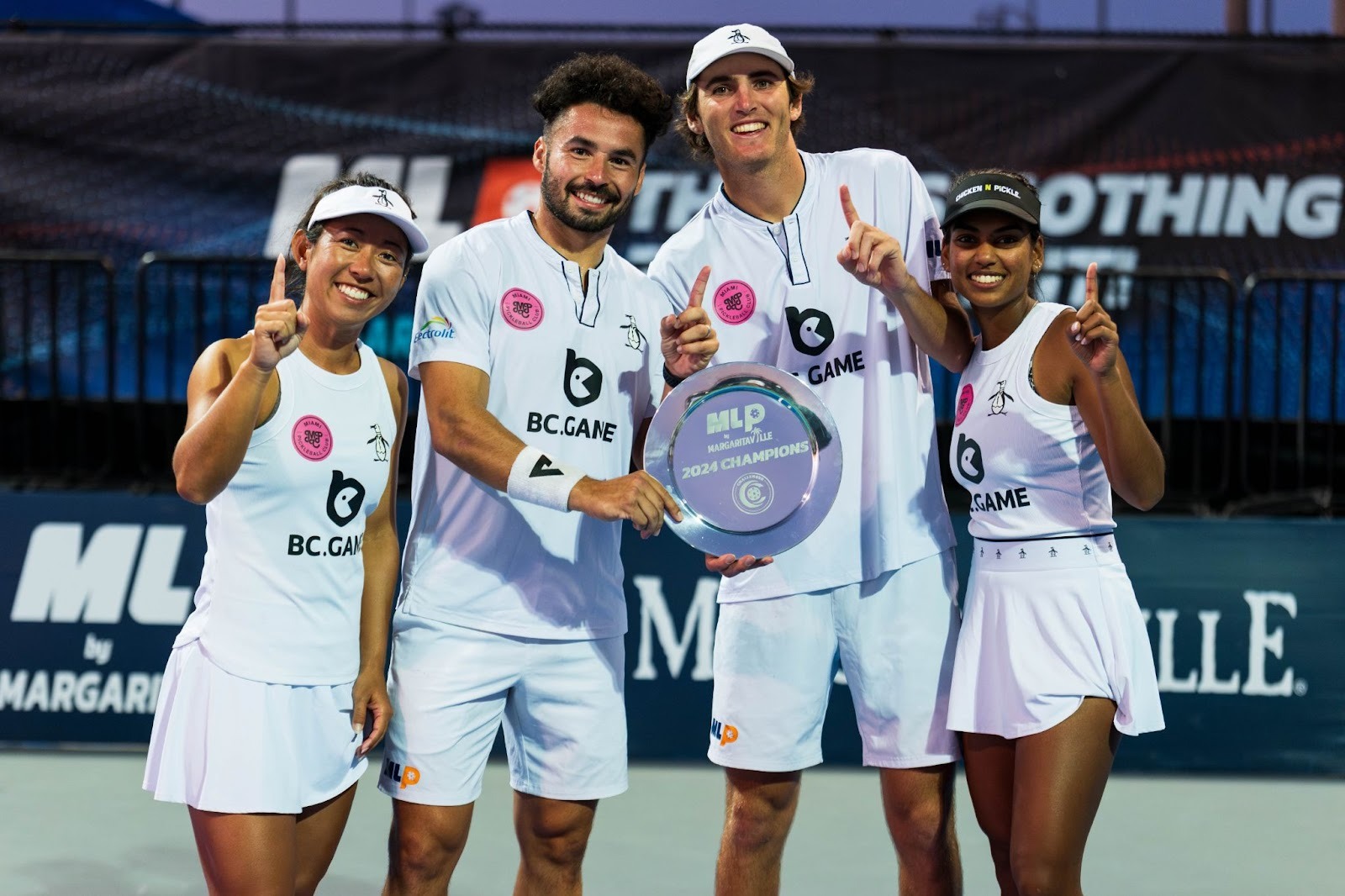
2025 Recap: A Year That Shaped Me
2025 was a year of firsts, growth, and perseverance both professionally and personally. The pro pickleball world was nothing short of wild, and while I entered the season with clear goals, some were achieved and others now carry directly into 2026.
On a personal note, I got married in February at home, surrounded by family and friends. Planning it was stressful, but it was easily one of the most meaningful moments of my life. Having a supportive partner truly makes all the difference.

This year also pushed me to think beyond competition and what life after pickleball could look like. I expanded my off-court experiences through clinics, exhibitions, pro-ams, community events, and part-time work with DUPR, while becoming even more involved in the broader pickleball community. In a social-media-driven world, I made a conscious effort to share the real me, through instructional content, match highlights, and day-in-the-life moments, with a goal of providing consistent, genuine value on a weekly basis in 2026.
Professionally, I competed in my first international tournament at the Global Sports Grand Slam Pro League in India. While there’s still plenty of room for growth, the passion for pickleball there is undeniable, and Asia is clearly on the rise.
Competitively, I’m proud of the consistency I found this season: 20 medals across the APP Tour, the US Open, and USA Nationals (9 Gold, 7 Silver, 4 Bronze). I came close to multiple Triple Crowns and fell just short of singles gold more than once, being experiences that only fueled my motivation heading into 2026.
Looking back, 2025 challenged me, shaped me, and set the foundation for what’s next. And honestly, I’m just getting started.
To follow my journey, keep checking out DUPR’s blog page, where DUPR publishes many pickleball tips and blogs I share.
Pickleball Tips
Community
January 9, 2026
New Year, Better Pickleball: How to Set Goals for 2026 (and Actually Stick to Them)
A new year always brings fresh motivation. New tournaments, new leagues, new routines, and that familiar thought: “This year I will improve my DUPR rating.”
But if you’ve been playing pickleball for a while, you already know something important:
Motivation alone doesn’t last. Structure does.
Research across sports, psychology, and performance (Locke & Latham, 2002; Gollwitzer & Sheeran, 2006; Harkin et al., 2016) shows that players who define clear goals and track them the right way improve more consistently and stay motivated longer than those who rely on vibes and good intentions.
Let’s break down how to set pickleball goals for 2026 that actually work, and how to track them without burning out.
Why Goal-Setting Matters
Decades of research in performance psychology shows that specific, challenging goals outperform vague goals like “play more” or “get better.”
One of the most cited frameworks, Goal-Setting Theory (Locke & Latham, 2002), found that:
- Specific goals lead to higher performance than “do your best” goals
- Challenging but realistic goals increase focus and persistence
- Feedback and progress tracking significantly improve results
In other words, “I want to improve my pickleball game” isn’t enough.
Your brain needs clarity to stay engaged.
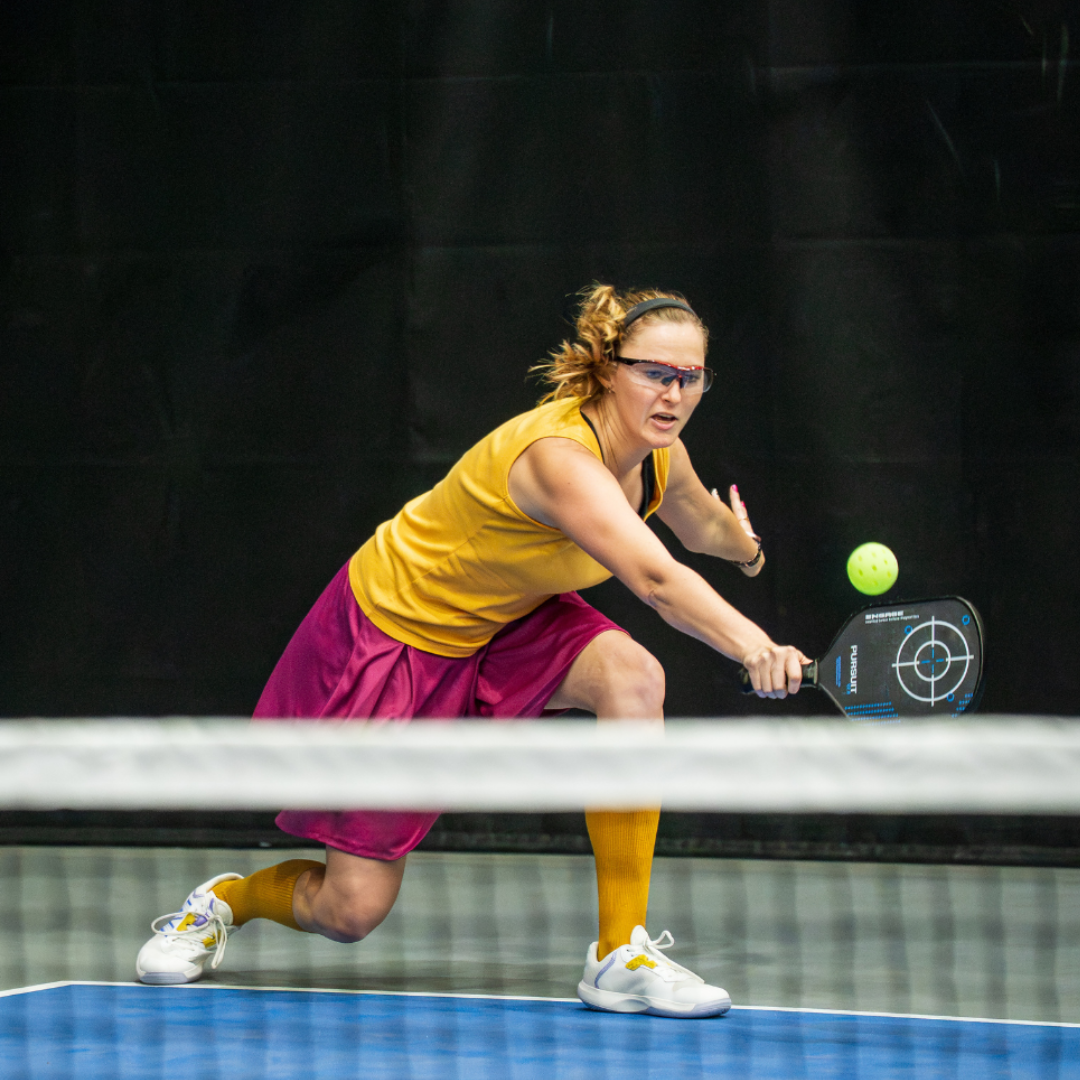
Use SMART Goals for Pickleball
SMART goals are one of the simplest and most effective ways to turn motivation into action.
Here’s how they apply to pickleball:
S – Specific
Bad: “I want to win more games.”
Better: “I want to improve my third-shot drop consistency.”
M – Measurable
Bad: “I want to feel more confident at the kitchen.”
Better: “I want to reduce unforced errors at the kitchen during league play.”
A – Achievable
Set goals that challenge you without setting you up for frustration. If you’re a 3.5 player, “turn pro this year” probably isn’t the move.
A jump from 3.0 to 3.5 is very achievable with consistent work; going from 2.0 to 6.0 in one season is asking a bit too much.
R – Relevant
If your main goal is improving your DUPR rating, your time should reflect that:
- More tournament play
- More structured practice
- Fewer “random games with no purpose”
T – Time-bound
Goals without timelines fade fast.
Example: “By June 2026” or “by the end of the Collegiate National Championship”
Example SMART pickleball goal:
“By June 2026, I want to improve my DUPR rating by 0.25 by playing at least one DUPR Verified event per month and tracking my match results.”
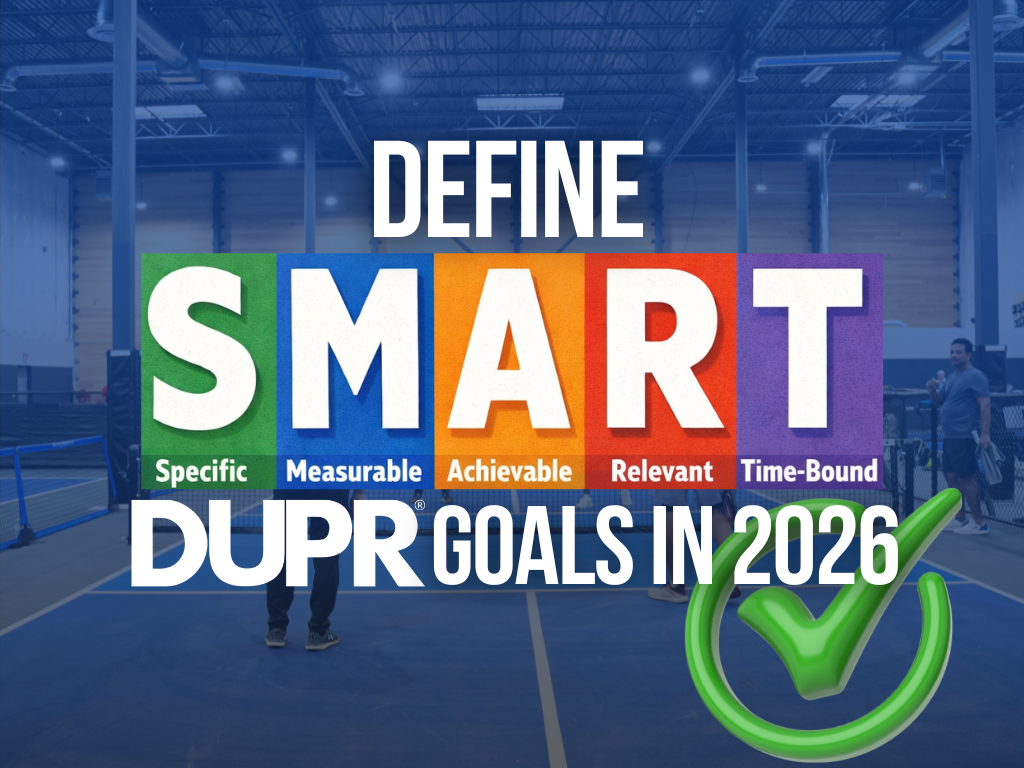
The Missing Piece: How You Track Goals Matters
Tracking goals helps, but only if you do it the right way.
A large meta-analysis on goal progress monitoring (Harkin et al., 2016) found that tracking progress significantly improves goal achievement, as long as the tracking doesn’t become overwhelming or self-critical.
Here’s how to track without losing motivation:
Track Behaviors, Not Just Results
One of the biggest mistakes players make is tracking only outcomes:
- Wins and losses
- Ratings
- Medals
Those matter, but they’re not fully in your control.
Instead, track process goals, like:
- Number of matches played per month
- Practice sessions completed
- Events entered
- Specific habits (drops, resets, serve depth)
Research on self-concordant goals (Sheldon & Elliot, 1999) shows that people stay motivated longer when goals focus on actions they control, not just results.
Use Light, Consistent Check-Ins (Not Daily Pressure)
You don’t need a daily spreadsheet.
Research shows that weekly or biweekly check-ins work better than obsessive daily tracking, which often leads to burnout or avoidance. If your goal is to improve your DUPR Rating, there’s no need to check it every single day. Checking in every couple of weeks is usually enough to stay informed without getting frustrated. Trust the process.
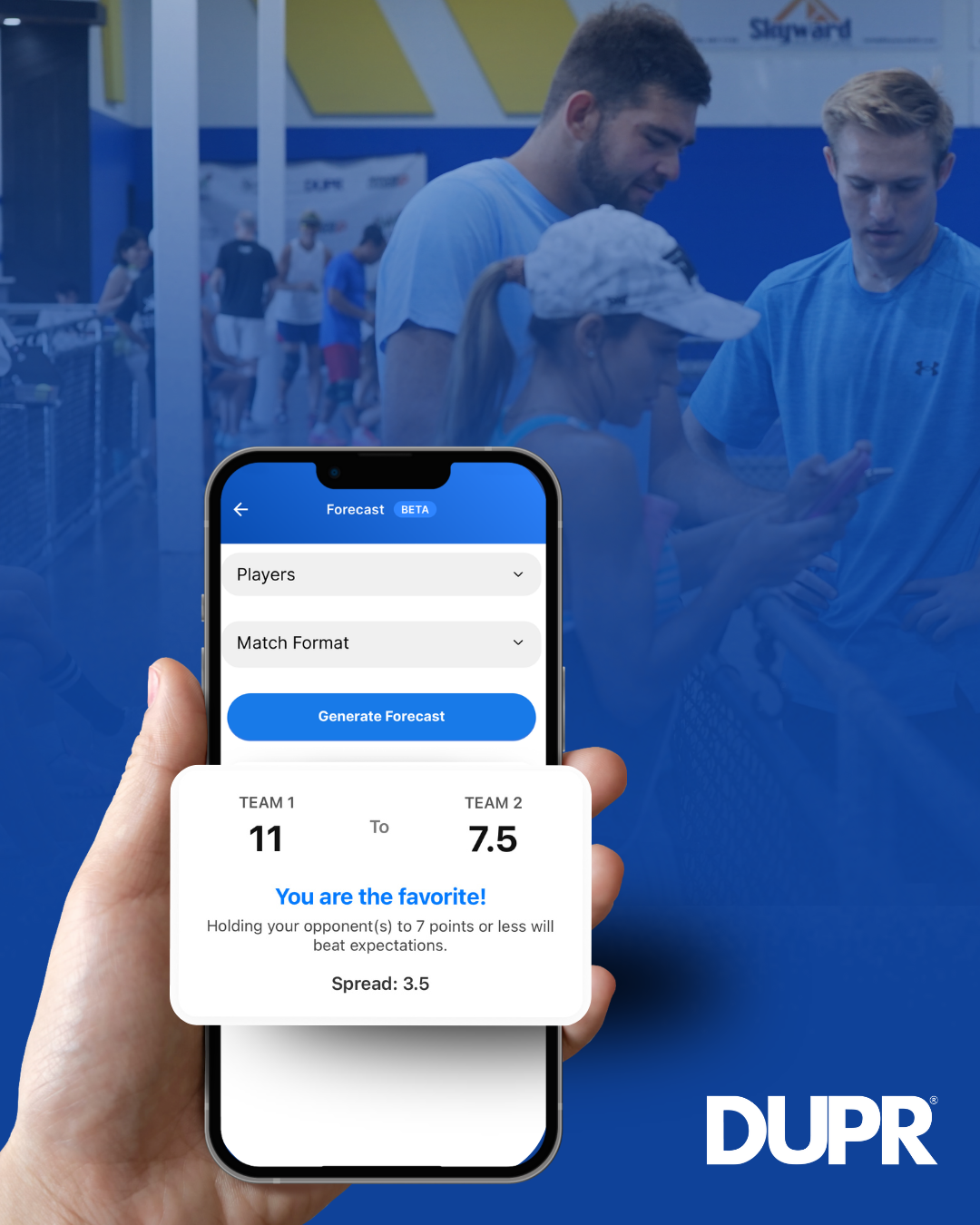
Try this instead. Once per week, ask yourself:
- How many of my matches were logged into DUPR?
- How many practice sessions did I play?
- Did I work on my main focus area?
- What improved compared to last week?
Small, consistent reflection beats perfection every time.
Plan for Motivation Drops (Before They Happen)
Another powerful strategy comes from research on implementation intentions (Gollwitzer & Sheeran, 2006).
Instead of hoping motivation shows up, plan for when it doesn’t.
Example:
- “If I feel frustrated after a bad match, then I’ll focus on one technical takeaway instead of judging the result.”
- “If I skip a week, then I’ll schedule my next session immediately.”
Players who use “if–then” plans are far more likely to stay consistent over time.
Your 2026 Pickleball Reset
As we start 2026, here’s the simple framework to keep in mind:
- Define 1–3 SMART pickleball goals
- Track habits and reps, not just results
- Check in weekly, not obsessively
- Plan for setbacks with if–then strategies
- Focus on who you’re becoming, not just what you’re winning
Great pickleball improvement doesn’t come from one big resolution. It comes from clear goals, consistent action, and smart tracking over time.
If you do that, 2026 won’t just feel different; it’ll play different.
For more pickleball tips, check out our blogs page HERE.
Community
Pickleball Tips
DUPR Ratings
January 8, 2026
New DUPR Verified Club Brings an Arena-Style Pickleball Experience to Dallas
Recently named a DUPR Verified Club, Pad & Paddle Pickleball Club isn’t trying to squeeze pickleball into a retail box. Instead, the team set out to create something that feels bigger, more open, and more intentional for players of all levels.
“We wanted to give pickleball players an arena experience, not a retail experience,” the Pad & Paddle team shared. “High ceilings, full-size courts, and space to actually play the game the right way.”
Built Big, On Purpose
Pad & Paddle spans 26,000 square feet and sits right in the center of the DFW Metroplex, making it an easy meeting point for players coming from different parts of the city.
“One of the biggest things for us was accessibility,” they explained. “If you’re meeting friends who live in different areas around Dallas–Fort Worth, this is a place that works for everyone.”
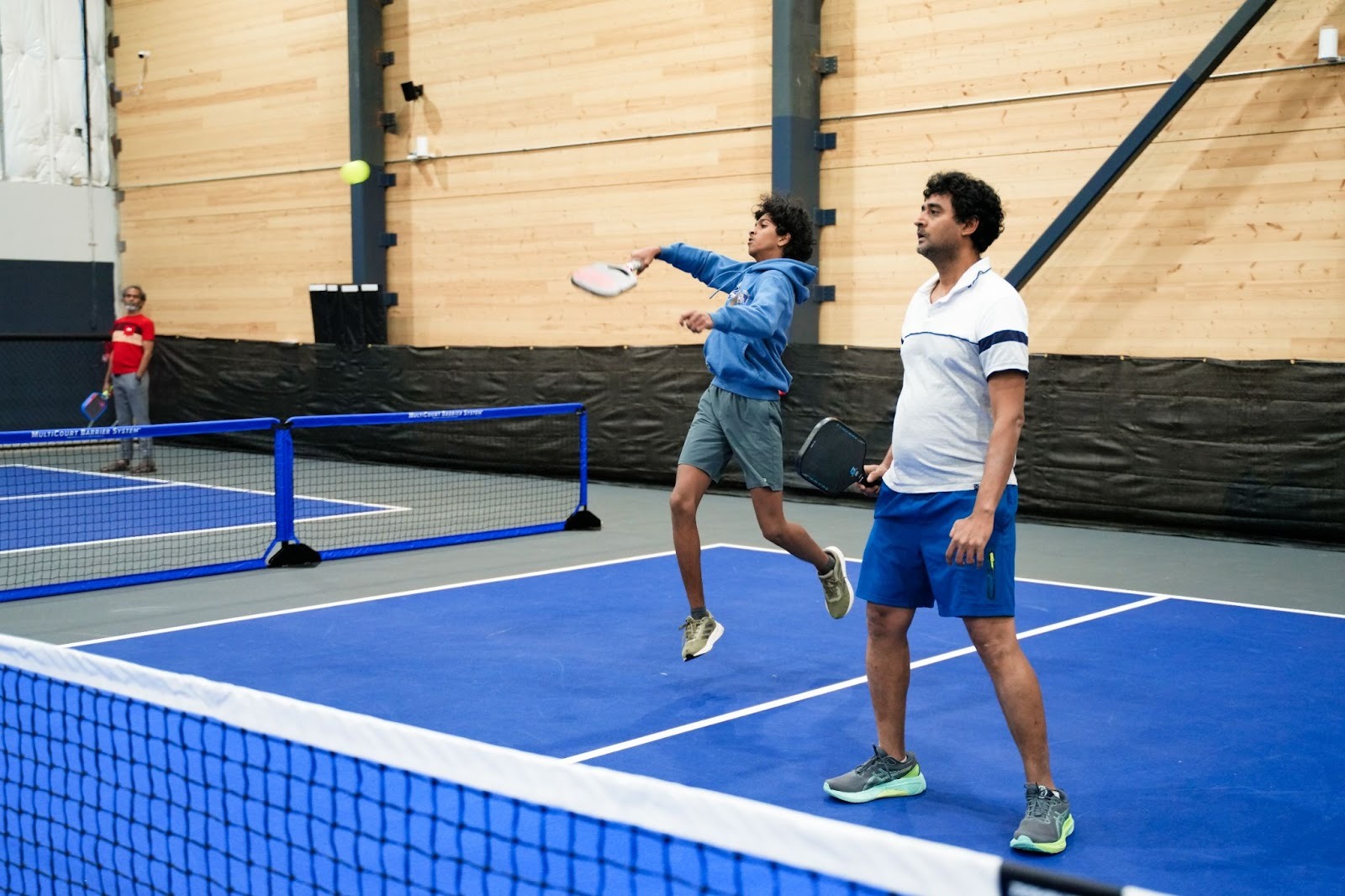
All seven courts are full-size (60 x 30) and built with space in mind. No shortened courts. No tight corners.
“We didn’t want players to feel cramped,” they said. “Everyone deserves room to move, reset, and really enjoy the game.”
Who Is Pad & Paddle Built For?
The short answer? Everyone.
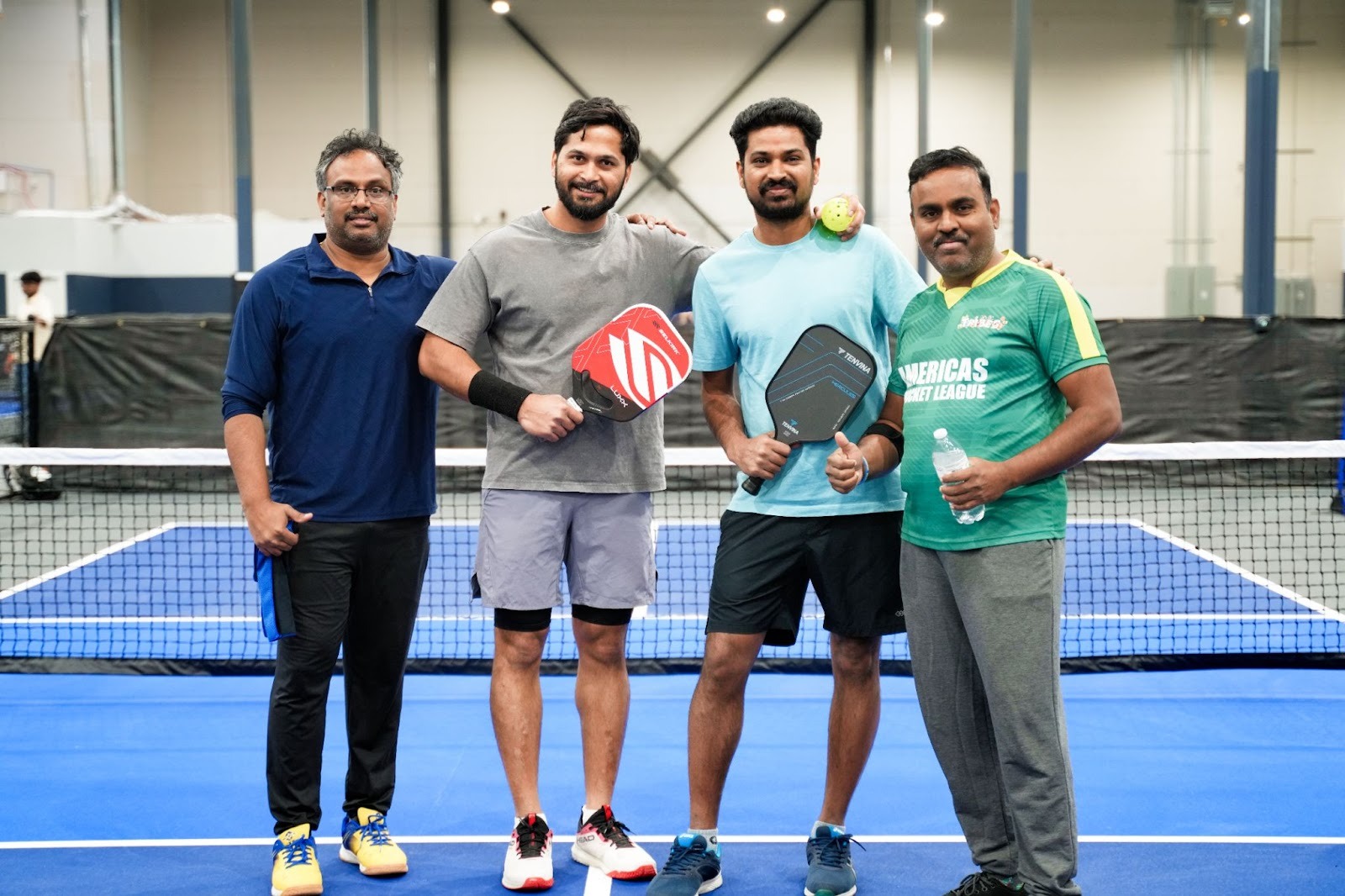
“We don’t try to force players into one category,” the team explained. “We’ve had beginners walk in for the first time, and we’ve had players with DUPR ratings of 4.5 and above playing here too.”
New players can take advantage of free beginner lessons, while recreational and advanced players enjoy the same high-quality courts and open layout.
“Our goal is simple,” they added. “Let people play how they want to play.”
More Than Just Courts
Pad & Paddle was designed as a social space, not just a place to hit balls.
The facility holds a liquor license, offers drinks and snacks, and has plans to expand with a lounge area and food trucks outside. Birthday parties, group events, and casual hangouts are all part of the long-term vision.
“You can come here to train seriously,” they said, “or you can come here to play, relax, and enjoy time with friends. We wanted both.”
Why Becoming a DUPR Verified Club Mattered
For Pad & Paddle, integrating DUPR early wasn’t an afterthought.
“We’re surrounded by strong pickleball communities,” they explained. “There are advanced players everywhere, and many clubs nearby are already full.”
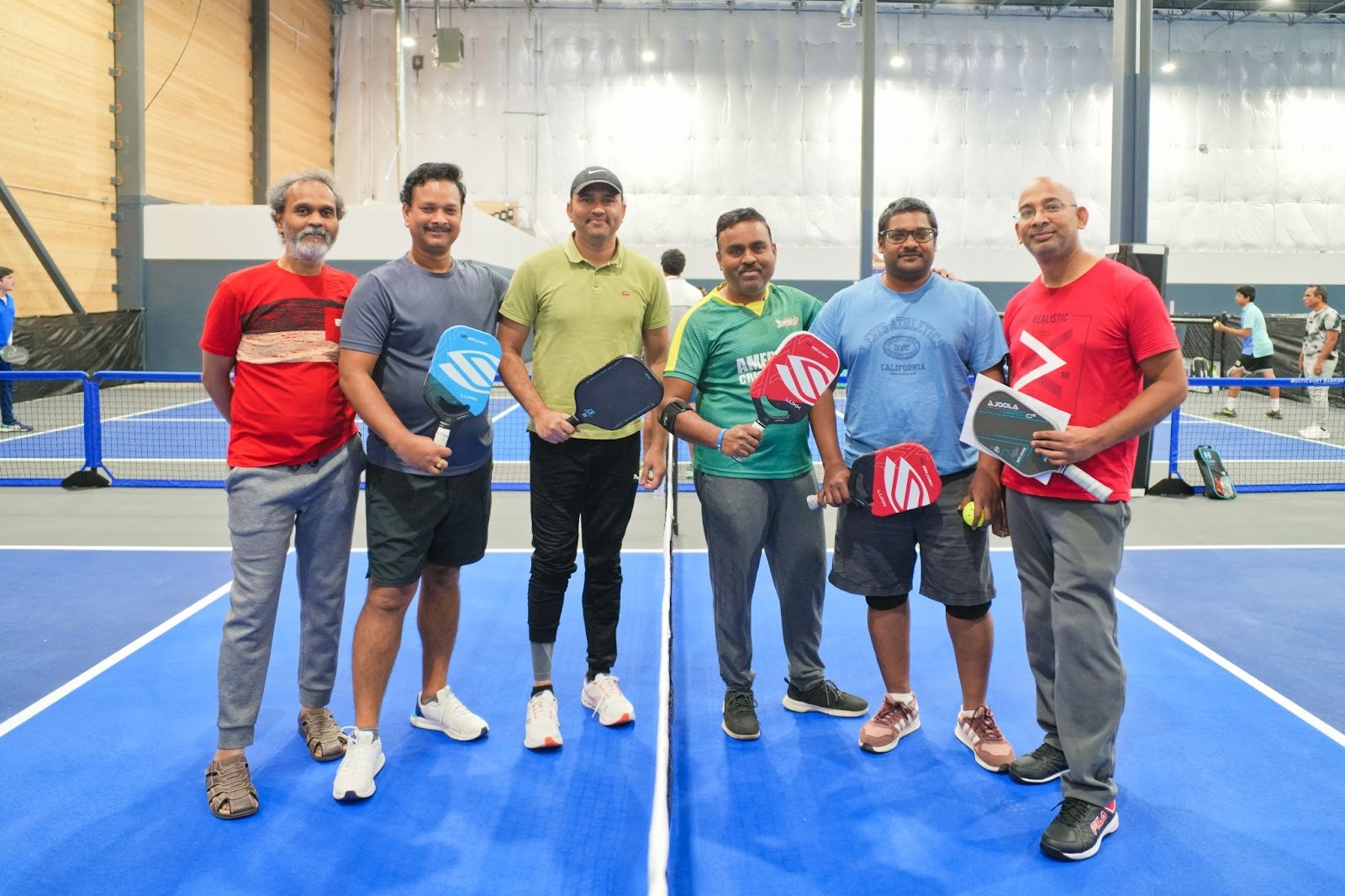
By becoming a DUPR Verified Club, Pad & Paddle made sure competitive players could step in immediately and find meaningful matchups.
“If players care about their DUPR rating, they want fair games and real competition,” they said. “We wanted to offer that from day one.”
The result is better match quality, clearer skill separation, and an environment where competitive players feel confident bringing their game.
Memberships Designed Around How You Play
Pad & Paddle took a different approach to memberships.
Instead of a single flat option, memberships are built around time of day and frequency of play, keeping costs as accessible as possible.
“The idea is simple,” the team said. “The more you play, the less you pay.”
Options include:
- Time-based memberships
- Founder memberships with added value
- Family plans
- Senior and veteran discounts
- Promotional offers around the grand opening
Top-tier memberships will also include DUPR+ at no additional cost, supporting players who want deeper insights into their game and rating progression.
Looking Ahead to 2026
Now that Pad & Paddle is officially a DUPR Verified Club, the focus shifts to what’s next.
“Our vision for 2026 is to go all in on competition,” they shared. “DUPR nights, competitive events, and tournaments are all part of the plan.”
With ambassadors already involved and strong ties to the local pickleball community, the facility aims to become a hub for both competitive and recreational play.
A Place Built to Grow With the Sport
Pad & Paddle isn’t trying to reinvent pickleball. It’s trying to give it room to breathe. From full-size courts and high ceilings to flexible memberships and verified competition, everything about the facility was designed with the player experience in mind.
As a DUPR Verified Club, Pad & Paddle is now positioned to offer something that matters just as much as great courts: games that count, progress you can track, and a community built to grow together.
Interested in becoming a DUPR Verified Club? Apply here.
Clubs
Community
January 8, 2026
Kitchen Blockers Named Official Lensless Eyewear Partner of DUPR
KING CITY, Ontario – Kitchen Blockers, the first-in-its-category lensless protective eyewear designed specifically for pickleball, is proud to announce its partnership with DUPR (Dynamic Universal Pickleball Rating), becoming the official lensless eyewear partner of the world’s premier pickleball rating system. This collaboration between two profoundly impactful pickleball organizations highlights a shared commitment to elevating player experience, safety, and performance in the fastest-growing sport in America and beyond.
DUPR is the trusted global standard for pickleball ratings, used by thousands of leagues, tours, federations, and clubs worldwide. Its dynamic rating system unifies the sport across age, gender, and geography, ensuring fairness and consistency for players everywhere. With recent landmark agreements, including becoming the exclusive rating system for USA Pickleball-owned events, DUPR continues to strengthen competitive integrity and create a clearer, more connected pathway for athletes.
Kitchen Blockers joins this mission by addressing one of the sport’s most pressing needs: eye safety. Known for its innovative lensless design, Kitchen Blockers delivers maximum protection using military grade materials, without compromising visibility or comfort. Together, DUPR and Kitchen Blockers aim to ‘Change the Face of Pickleball’ by promoting smart, preventative measures that protect players at every level, from recreational enthusiasts to elite competitors.
"Every match matters in pickleball, and every player’s safety matters just as much," said Tito Machado, CEO of DUPR. "Partnering with Kitchen Blockers allows us to reinforce that commitment. As we unify the sport under one trusted rating system, we’re also helping ensure players can compete confidently and safely."
"We created Kitchen Blockers to make safety stylish and accessible for all pickleballers," said Brad Robins, founder of Kitchen Blockers. "Now, teaming up with DUPR, we’re thrilled to take awareness and protection to the next level with an organization whose mission aligns with our own."
As part of the partnership, Kitchen Blockers will activate at DUPR-affiliated events and tournaments, offering players education on eye safety and exclusive access to its signature lensless eyewear. This collaboration represents a pivotal step in unifying the sport’s competitive framework while prioritizing player well-being.
About Kitchen Blockers
Kitchen Blockers is redefining pickleball safety with its innovative lensless eyewear, designed for ultimate protection and playability. With a mission to ‘Play Safe. Stay Safe.’, Kitchen Blockers empowers players to protect their vision without sacrificing style or performance.
About DUPR
DUPR (Dynamic Universal Pickleball Rating) is the premier global pickleball rating system and technology platform, trusted by the world's leading clubs, tournaments, leagues, and players. DUPR's dynamic rating system unifies pickleball across age, gender, and location by analyzing match results to accurately evaluate all players across a 2.000 - 8.000 scale. DUPR is the official pickleball rating of leagues, tournaments and clubs around the world, including United Pickleball Association (UPA), Professional Pickleball Association (PPA), Major League Pickleball (MLP), Pickleball.com, Life Time, The Picklr, National Team Pickleball League, National Pickleball League. It also owns and operates Minor League Pickleball and Collegiate Pickleball, two of the biggest amateur leagues in the sport. Players and operators can visit www.dupr.com to sign up and learn more.
Partners
January 7, 2026
Where to Aim Your Putaway Shots in Pickleball
If you’ve been playing pickleball for a while, you’ve probably had this happen: you get the perfect high ball, swing hard… and somehow the point keeps going.
That’s because putaway shots aren’t about power. They’re about placement.
Knowing where to aim your putaways is one of the fastest ways to win more points, especially against better players who can block and reset surprisingly well.
Let’s break it down.
First Rule of Putaways: Don’t Aim at the Paddle
This sounds obvious, but it’s the most common mistake.
When players see a high ball, they panic and hit it straight at the opponent, usually chest-high. At slower levels, that might work. Against decent players, it almost never does.
Pickleball balls don’t travel that fast, and paddles are big. If you hit it right at someone, you’re basically helping them.
Instead, every putaway should answer one simple question:
Where can they NOT get their paddle?
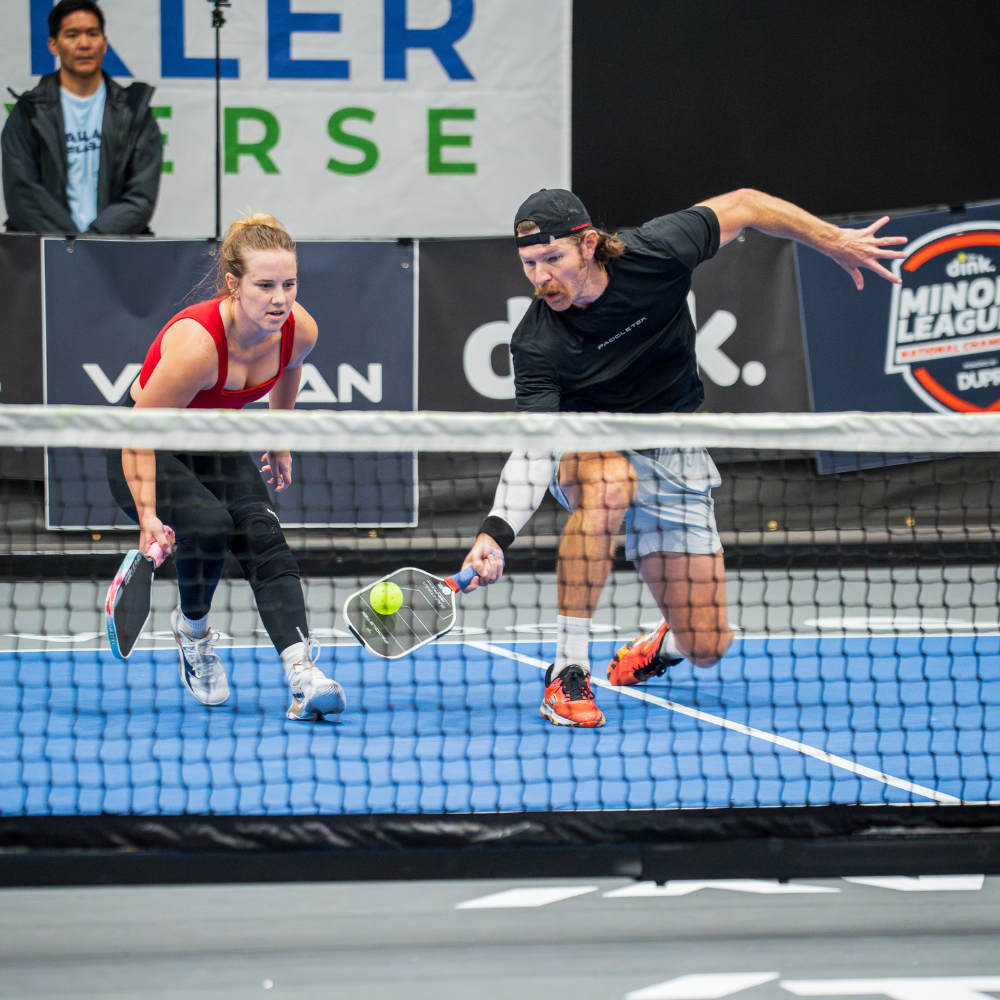
The Best Target: The Feet
If you remember one thing from this blog, remember this:
Feet are your safest, highest-percentage target.
A ball aimed at the feet:
- Forces an awkward half-volley
- Makes it hard to reset cleanly
- Often results in a pop-up or outright miss
This works whether your opponent is:
- At the kitchen
- Transitioning forward
- Slightly off-balance
You don’t need to hit it hard. A controlled shot dipping down at the feet is far more effective than a flat blast.
Pro tip: Think “down,” not “through.”
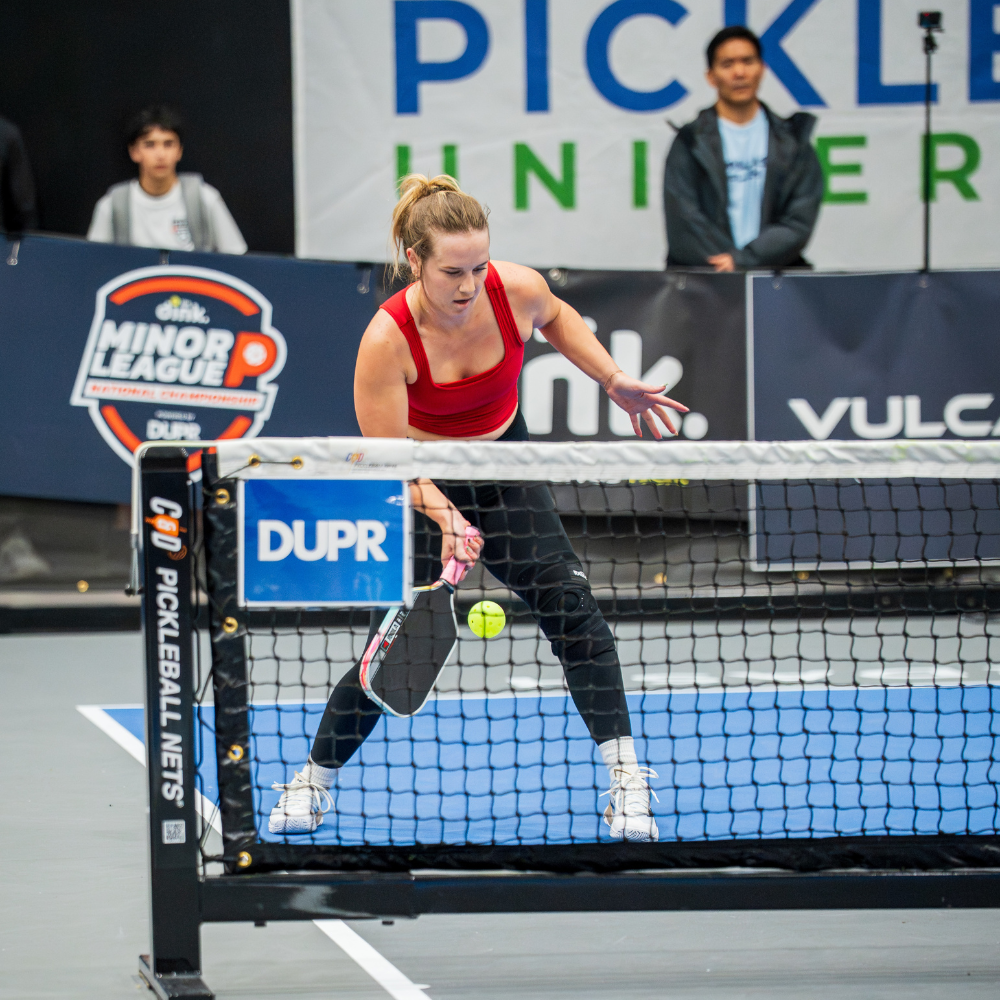
Second Best Target: The Open Court
Once you’re comfortable aiming low, start lifting your eyes.
If one opponent:
- Is leaning toward the middle
- Is shading crosscourt
- Just moved to cover their partner
That’s your cue.
Aim for the open space, not the person.
This is especially effective when:
- Both opponents are stacked
- One player is clearly late recovering
- You’ve pulled someone wide with a dink or speed-up
If the court is open, take it, but commit to the shot. Hesitation leads to balls drifting back toward defenders.
When to Go Middle (And When Not To)
The middle can be a great target, but only in the right situation.
Go middle when:
- Both players are moving in opposite directions
- There’s clear confusion about who should take the ball
- One player is backing up while the other is stepping in
Avoid the middle when:
- Both players are set and balanced
- Both paddles are up and ready
A hard ball down the middle to two prepared players usually comes back faster than it went in.
Adjust Your Target Based on Where They Are
This is where smarter players separate themselves.
If your opponent is at the kitchen:
- Aim low at the feet
- Avoid shoulder-height shots
If your opponent is back:
- Hit away from them, not at them
- Use angles
- Don’t rush; take the extra half-second to place the ball
If one player is up and one is back:
- Attack the player at the kitchen
- Their partner can’t help much from behind
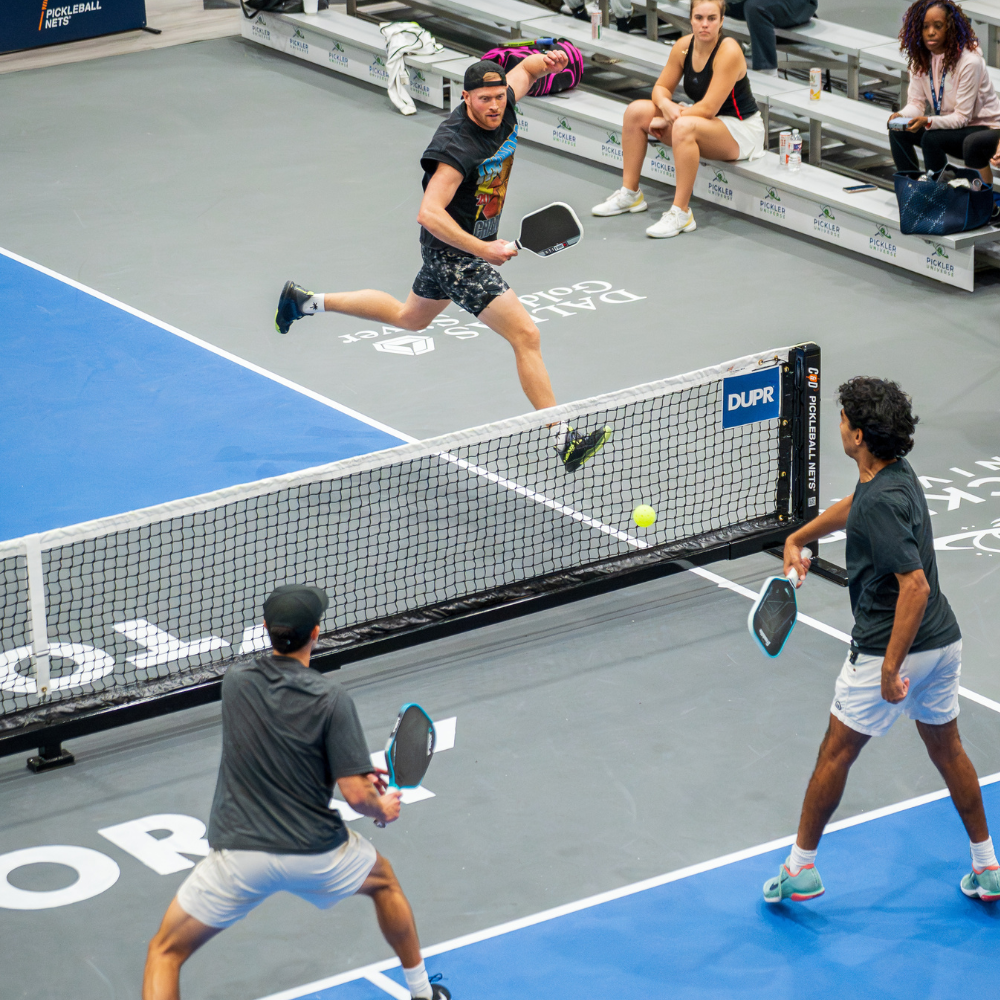
Power Is Optional. Placement Is Not.
One of the biggest myths in pickleball is that you need to swing harder to finish points.
You don’t.
A 70% swing with the right target beats a 100% swing to the wrong place every time.
If you’re missing putaways, don’t tell yourself to “hit it harder.”
Ask yourself: Did I pick the right spot?
The Simple Checklist Before Every Putaway
Next time you get a high ball, pause for half a second and run through this:
- Where are my opponents standing?
- Whose feet are most exposed?
- Is there open court I can safely hit into?
Then swing with control and conviction.
Great pickleball players don’t win points because they hit the ball harder. They win because they know where to aim.
Stop thinking that you need to hit a winner and start thinking of putaways as shots you place, not shots you smash, and you’ll be surprised how quickly your finishing improves.
Looking to keep improving? Head to the Pickleball Tips section of our blog for more advice to level up your game and DUPR rating.
Pickleball Tips