No matching results.
Search results
January 28, 2026
DUPR and Ultimate Pickleball League Announce Partnership Bringing DUPR to UPL as Official Player Rating System
GILBERT, AZ — January, Wednesday 28, 2026 — Dynamic Universal Pickleball Rating (DUPR) and the Ultimate Pickleball League (UPL) announced a new partnership that makes DUPR the official rating system used across UPL competition and related league programming.
Starting with the upcoming UPL season and league events, DUPR will serve as the primary rating and verification standard for UPL player placement, eligibility, and competitive balance, helping ensure matches are fair, transparent, and consistent from region to region.
“UPL was built to be bigger than a weekend tournament. It’s city-based ownership, real rivalries, and a season people can follow,” said Charless Farr, CEO at UPL. “To do that the right way, we need a rating system that’s widely recognized, actively updated, and trusted by players. That’s why we’re aligning with DUPR.”
“DUPR’s mission has always been to bring clarity and credibility to pickleball ratings,” said Tito Machado, CEO at DUPR. “UPL is building a structured, competitive league model, and DUPR helps create a consistent standard across teams, regions, and events.”
What this means for players and teams
- Player verification and eligibility for league participation and roster requirements
- Competitive alignment to reduce mismatches and protect the integrity of results
- Consistent standards across regions as UPL expands domestically and internationally
- Clearer pathways for athletes entering UPL programming through events, combines, and related development opportunities
Additional details on how DUPR will be applied inside specific UPL formats (including event registration processes, verification steps, and timing for implementation) will be shared in upcoming league communications.
About DUPR
DUPR (Dynamic Universal Pickleball Rating) is the premier global pickleball rating system and technology platform, trusted by the world's leading clubs, tournaments, leagues, and players. DUPR's dynamic rating system unifies pickleball across age, gender, and location by analyzing match results to accurately evaluate all players across a 2.000 - 8.000 scale. DUPR is the official pickleball rating of leagues, tournaments and clubs around the world, including USA Pickleball (USAP), United Pickleball Association (UPA), Professional Pickleball Association (PPA), Major League Pickleball (MLP), Pickleball.com, Life Time, The Picklr, National Team Pickleball League, National Pickleball League. It also owns and operates Minor League Pickleball and Collegiate Pickleball, two of the biggest amateur leagues in the sport. Players and operators can visit www.dupr.com to sign up and learn more.
About Ultimate Pickleball League (UPL)
The Ultimate Pickleball League (UPL) is a city-based pickleball league built around team ownership, local rivalries, and a structured season model. UPL connects community competition to a higher stage, creating opportunities for athletes, team owners, partners, and fans across the U.S. and beyond.
Partners
January 27, 2026
Top 10 Gift Ideas for the 'Obsessed' Pickleball Player
When a player reaches a certain level of commitment to the sport, their needs shift from basic equipment to tools that support high-frequency play. These gift ideas focus on the physical demands of the game and the technical requirements of competitive play. By choosing items that address specific on-court challenges, you help dedicated players stay healthy and improve their skills.
Essential Gear & Customization
1. Performance-Focused Paddles
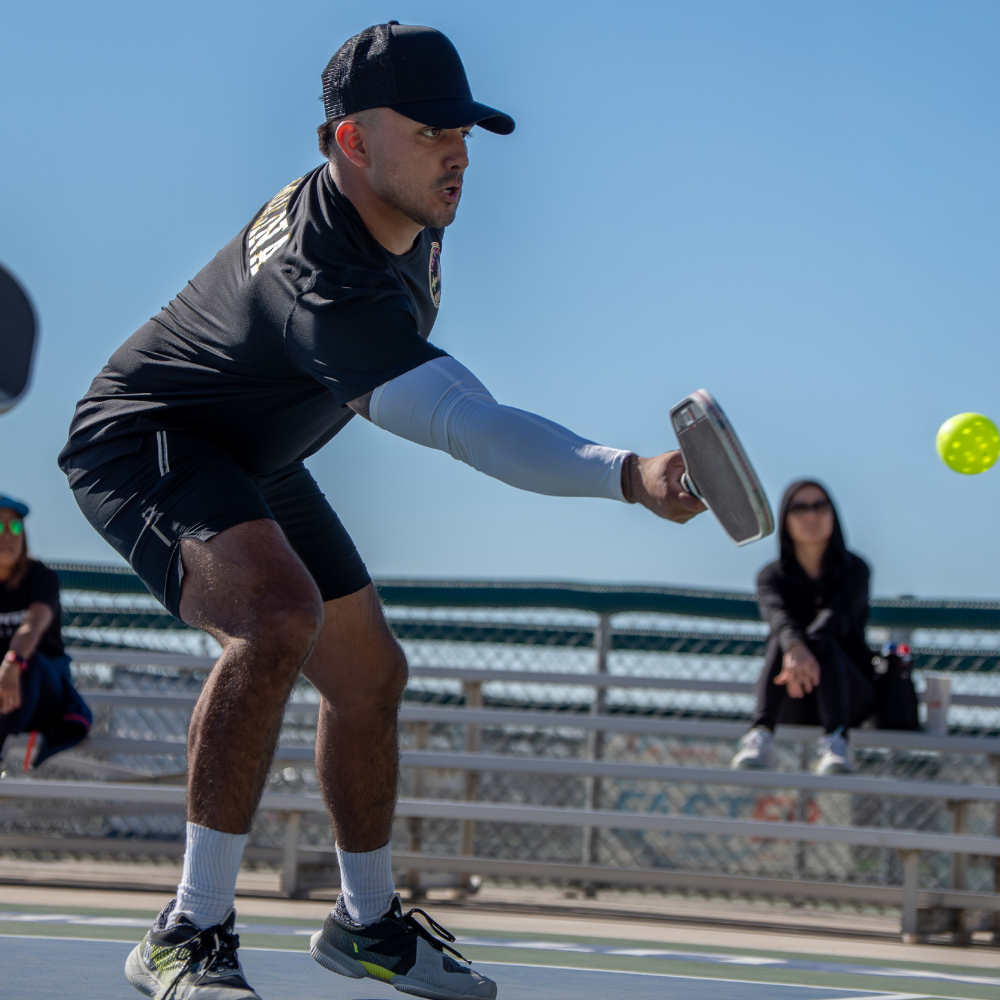
For the dedicated player, a paddle is an investment in consistency and feel. Look for paddles with a raw carbon fiber surface, which provides a predictable response and long-lasting friction for creating spin. Most elite paddles use a polypropylene honeycomb core (usually 14mm to 16mm thick) to absorb impact. This thickness helps dampen the vibration that travels up the arm, significantly reducing the risk of joint fatigue during marathon sessions or multi-day tournaments.
If you’re curious about the differences between paddles, this blog breaks it down nicely. You can also browse the DUPR Shop if you want to compare options and pricing.
2. Court-Specific Footwear
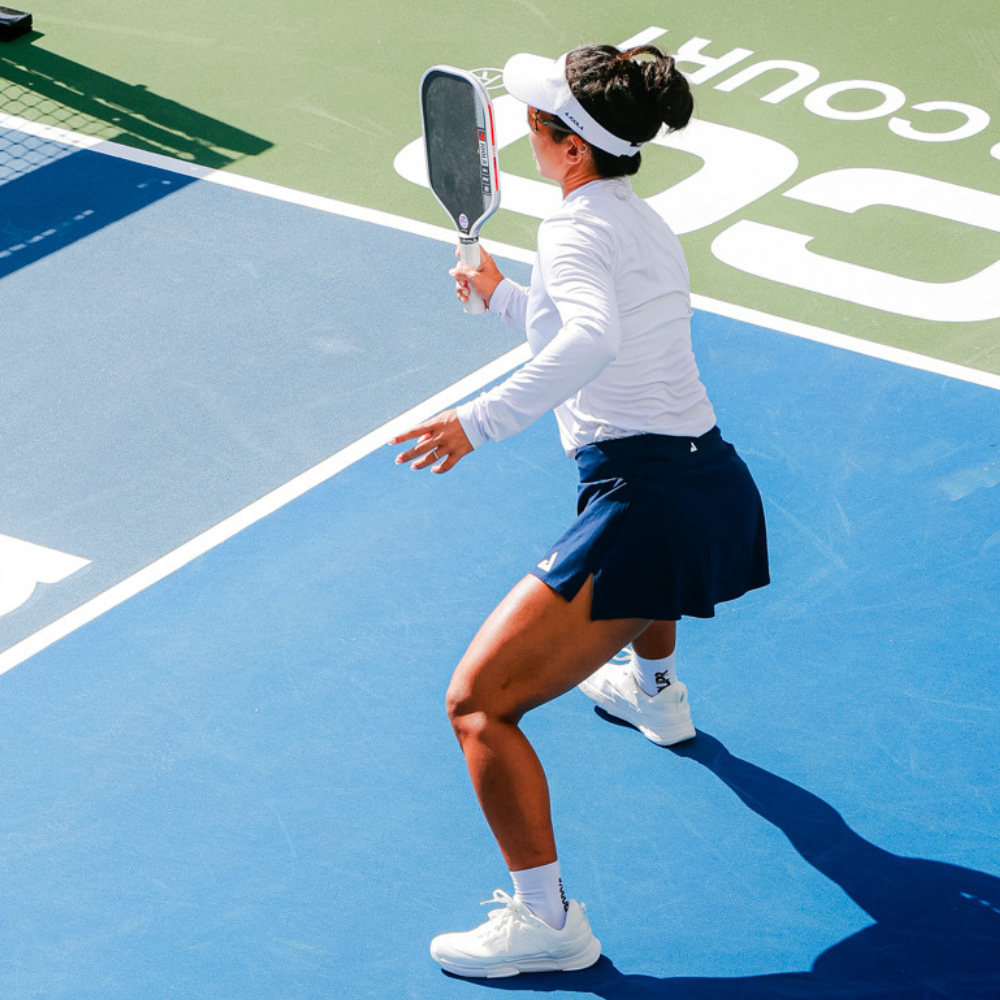
Running shoes or general sneakers lack the structural integrity required for the constant, aggressive lateral movements found in pickleball. High-quality court shoes feature reinforced outsoles made of high-density rubber for better grip on hard courts. They also include lateral outriggers, extra material on the outside of the sole, to prevent the foot from rolling during a quick "split-step" or a sudden sprint to the kitchen line.
3. Customization Kits
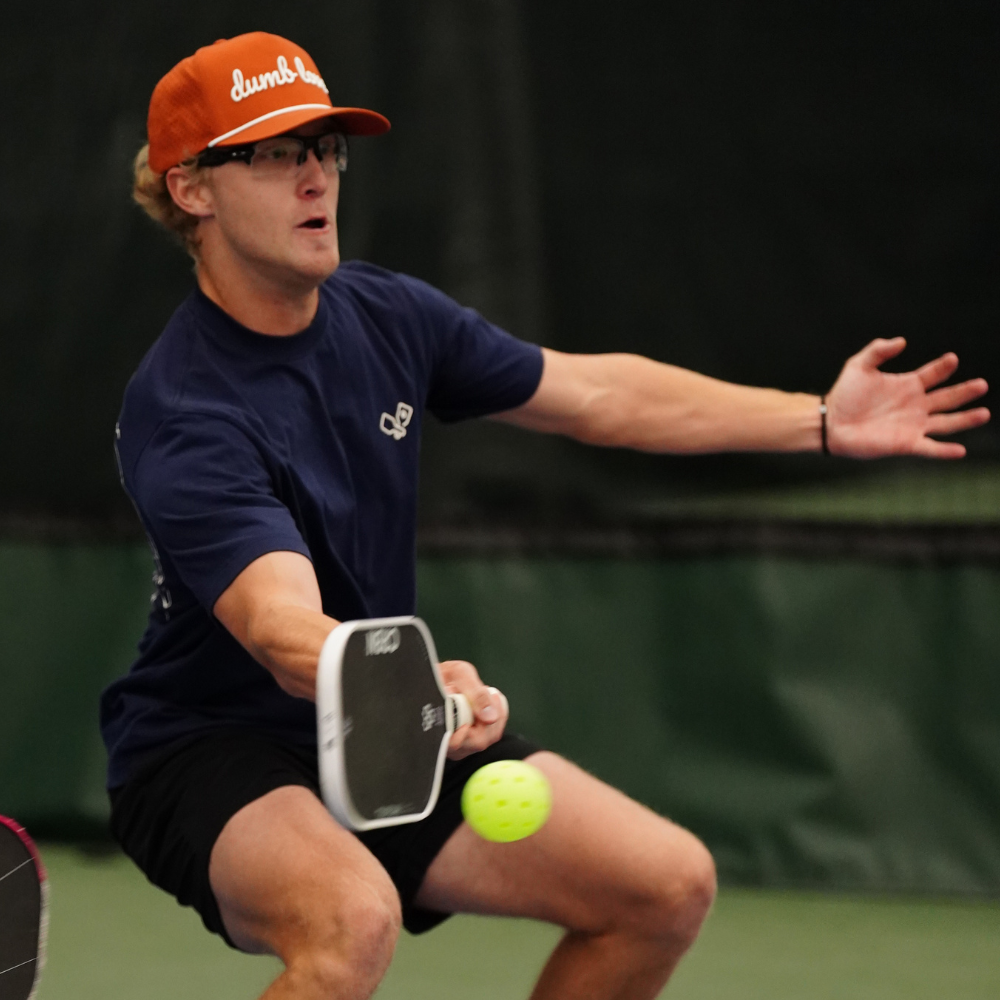
Advanced players often want to change how their paddle feels through "weighting." A kit containing weighted tape (lead or tungsten) allows them to add mass to the paddle’s perimeter, increasing the "sweet spot" and stability on off-center hits. Pairing this with premium overgrips ensures the handle remains tacky and comfortable, even in humid conditions. This allows a player to customize their gear to match their specific swing speed and power needs.
Training & Skill Development
4. Portable Ball Machines
Mastering the "soft game" requires thousands of repetitions that aren't always possible in a standard match. A ball machine serves as a tireless partner, allowing players to drill specific shots like the third-shot drop or high-velocity volleys. Look for units that offer adjustable oscillation (moving the ball side-to-side) and elevation control (varying the height). These features help a player build the muscle memory needed to handle unpredictable match scenarios.
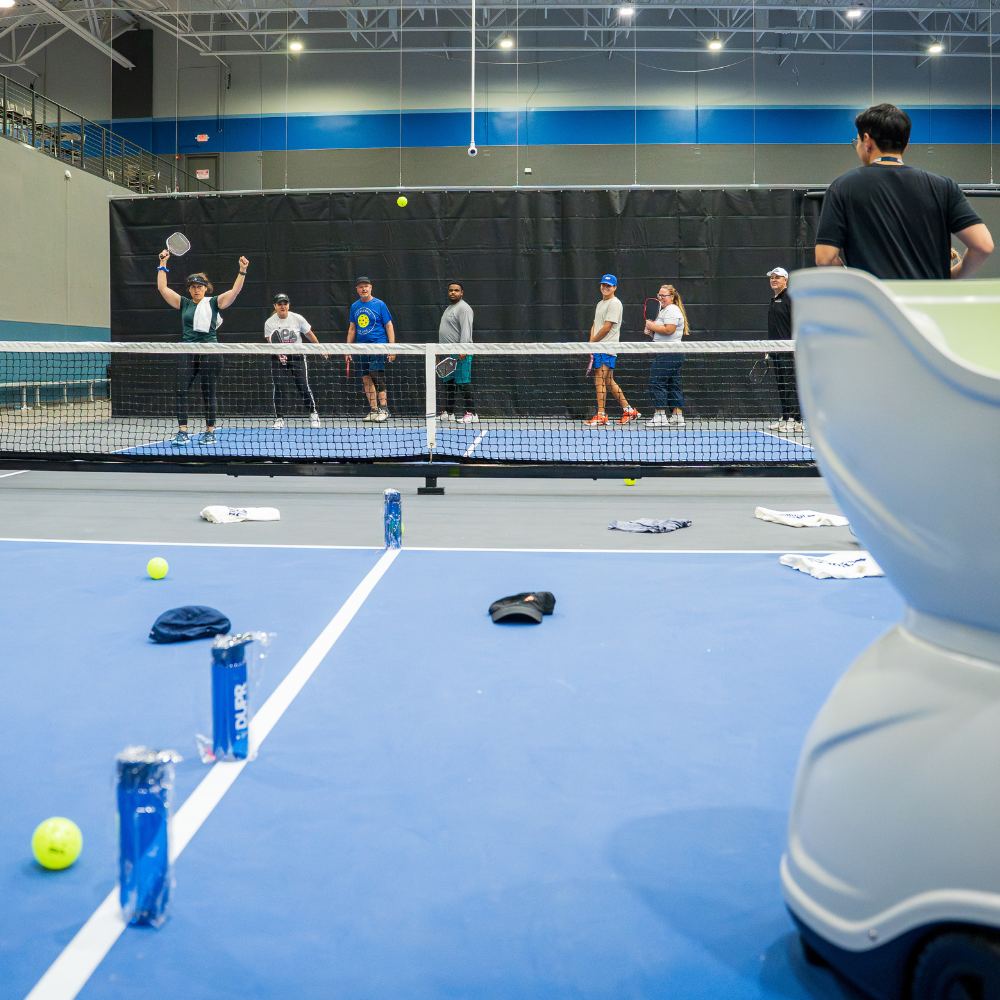
Through DUPR’s social media, we love spotlighting the community with fun challenges and giveaways. In one past challenge, a player won an Erne Ball Machine for pulling off the coolest trick shot.
Check it out and keep an eye on our page. You never know… you might win a challenge and gift an Erne Ball Machine to that friend who’s obsessed with pickleball. Or who knows… maybe you’ll be the one getting obsessed next
5. Practice Rebounders
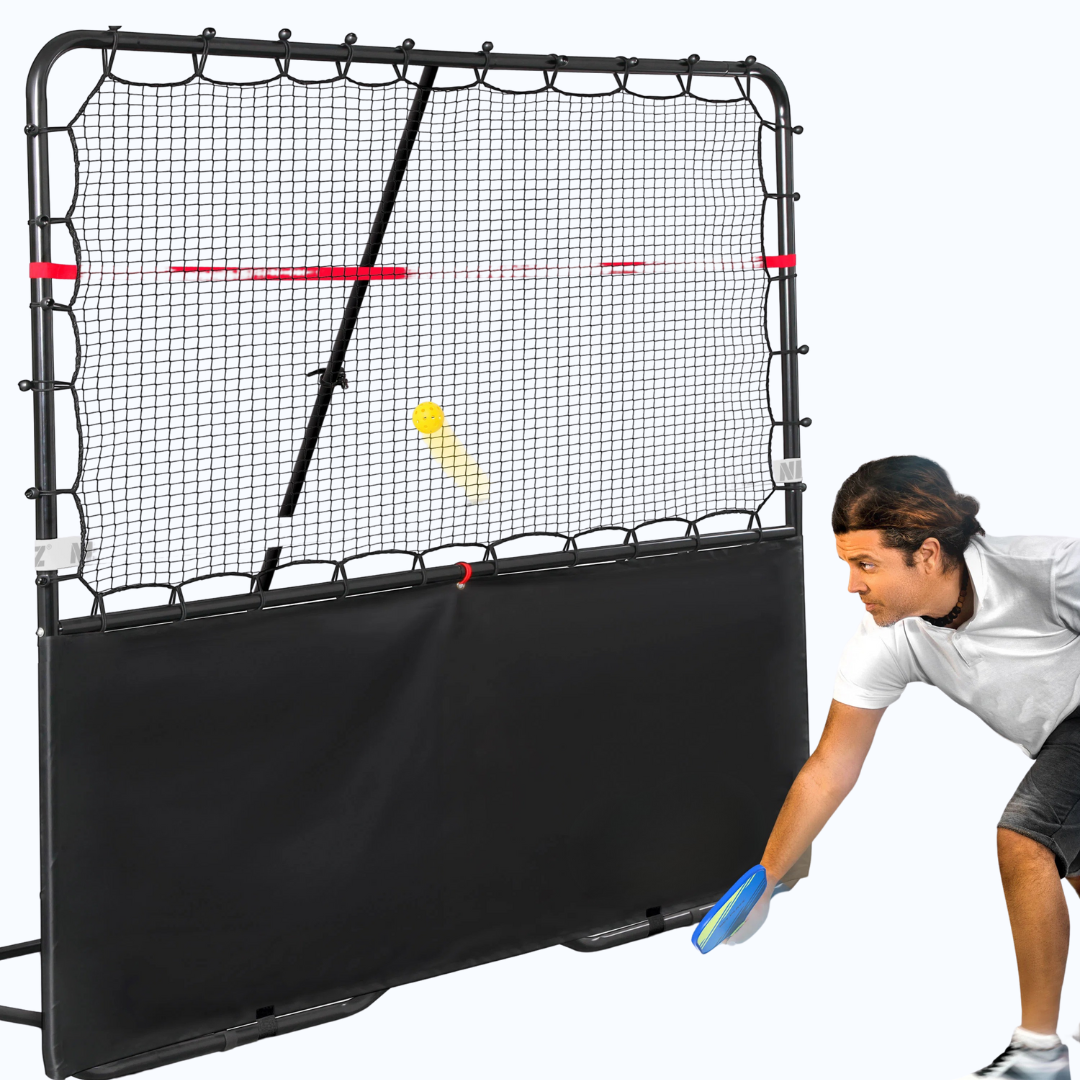
A rebounder is a highly effective tool for improving hand speed and reaction time at home. These tensioned nets return the ball with a realistic bounce, allowing players to practice "volley-to-volley" exchanges against a wall. Because the ball comes back faster than in a normal dink rally, it sharpens the fast-twitch muscles required for winning net "firefights" and defending against aggressive speed-ups.
6. Technical Training Aids
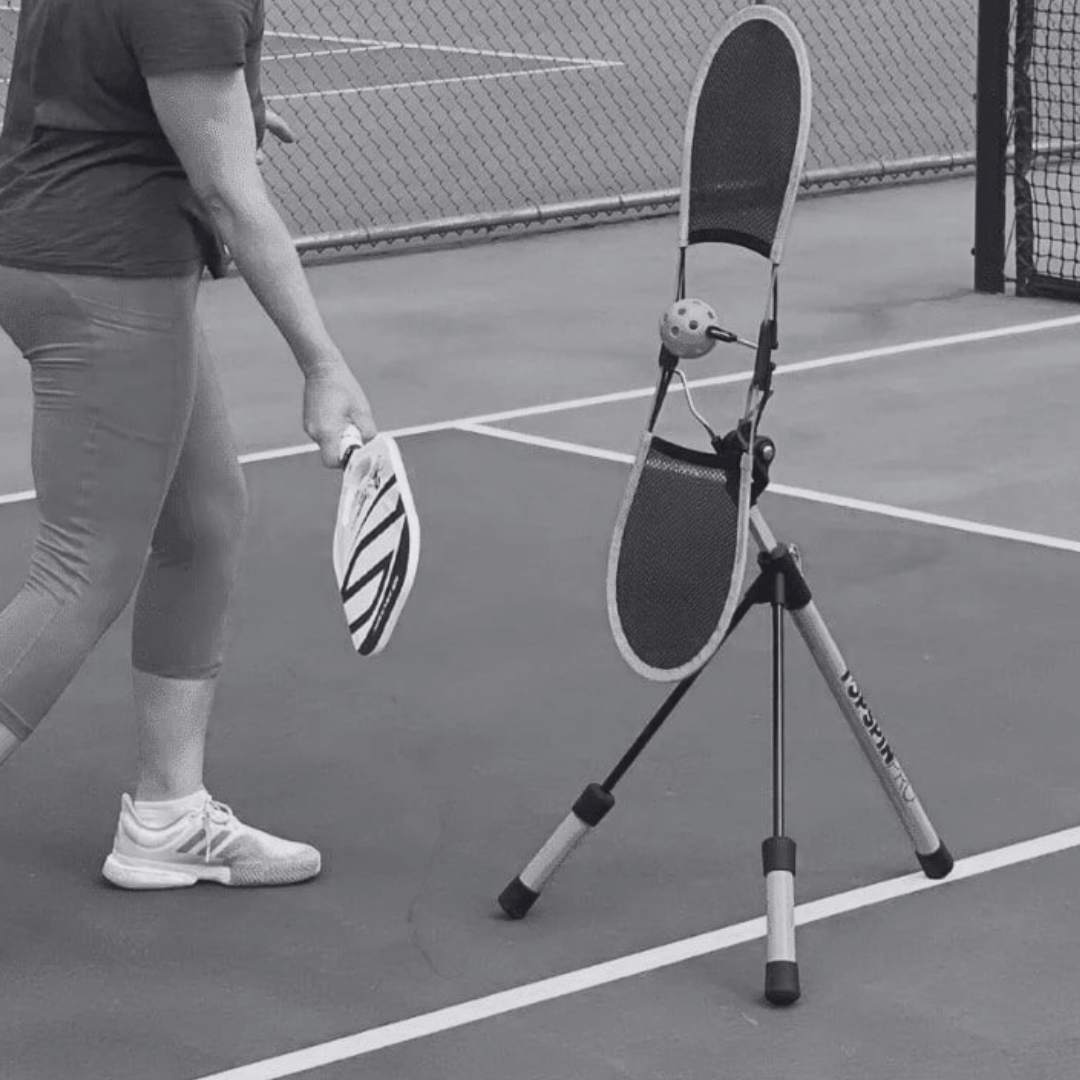
Technical aids bridge the gap between knowing the right form and actually executing it. For example, a topspin trainer (a ball on a spindle) provides immediate visual feedback on whether a player is using a "low-to-high" swing path. Other aids include sweet-spot trainers, which use a smaller paddle head to force better hand-eye coordination. These tools are essential for players who want to ensure their drives stay within the baseline by using reliable topspin.
Recovery & Support
7. Percussive Recovery Tools
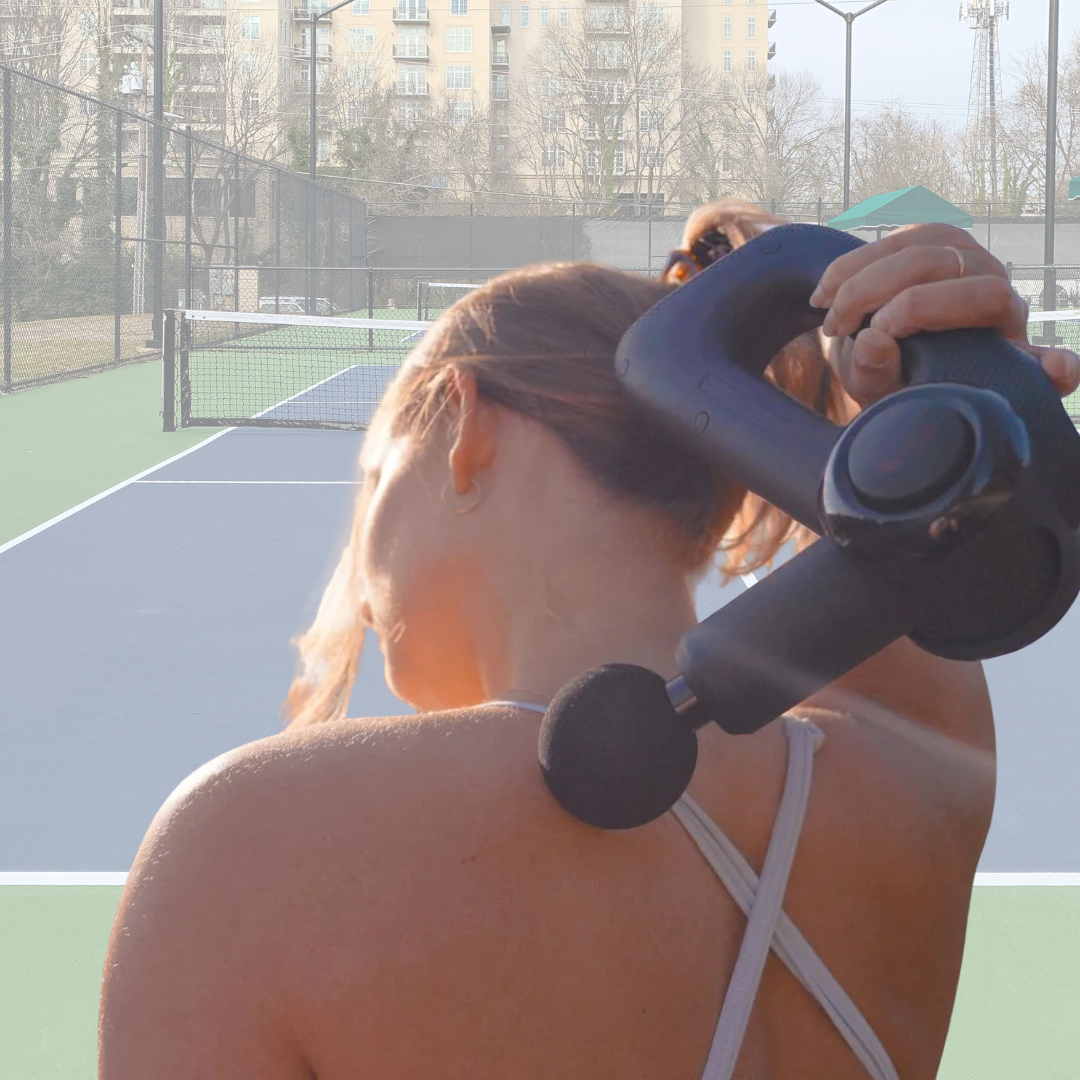
The repetitive nature of pickleball can lead to tightness in the forearms, calves, and lower back. A massage gun is a practical recovery tool that uses rapid pulses to stimulate blood flow and release muscle knots. For the dedicated player, using percussive therapy for just ten minutes after a match can reduce next-day stiffness and help them stay mobile for their next session.
8. Protective Eyewear
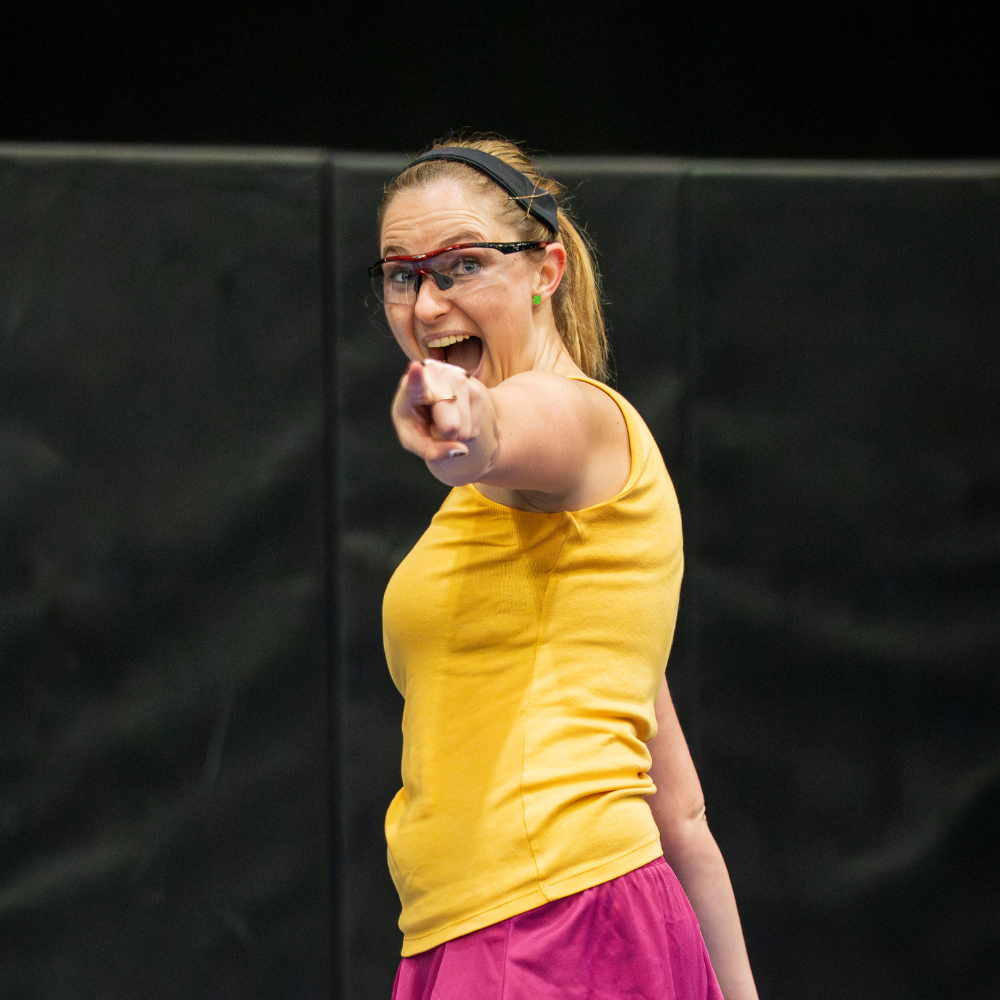
As players improve, ball speeds increase, making eye protection a safety priority rather than an option. Look for shatterproof polycarbonate lenses that meet high-velocity impact standards. Many performance glasses feature anti-fog coatings to prevent blurring during intense rallies and high-contrast tints (like amber or rose) that make the ball stand out more clearly against blue or green court surfaces.
9. Organized Court Bags
A dedicated pickleball bag is designed to protect a player’s most valuable gear. Look for bags with thermal-lined paddle compartments to prevent the paddle's core from expanding or contracting in extreme weather. Separate, ventilated shoe garages keep court shoes from smelling and prevent dirt from the soles from rubbing off on clean overgrips or spare clothing.
10. Post-Play Care Kits
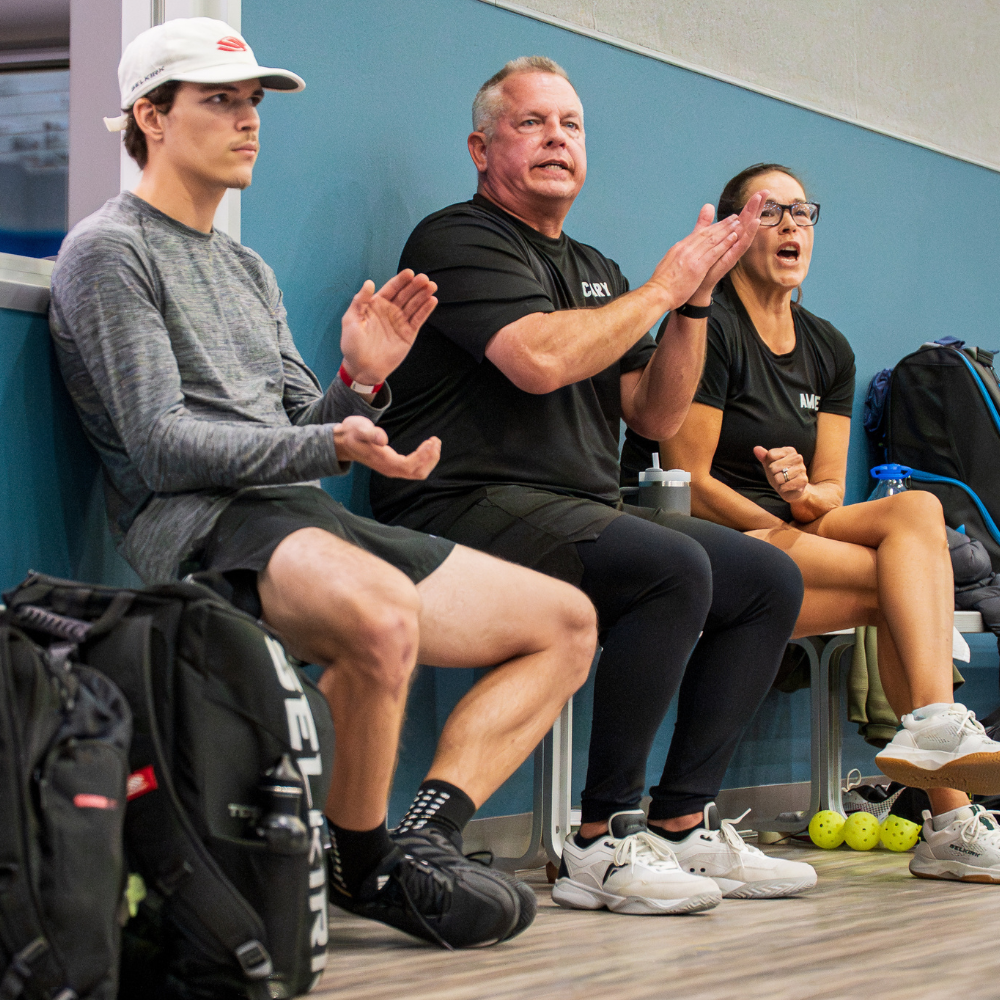
Long-term health in the sport depends on proper recovery habits. A thoughtful post-play kit should focus on rehydration and inflammation management. This might include electrolyte supplements to replace lost minerals, a high-capacity insulated bottle to keep water cold for hours, and reusable cold-compression wraps designed specifically for the elbow or knee to soothe joints after a long day on the court.
For players who are truly invested in their pickleball journey, the right tools make a measurable difference. From dialing in technique and training with intention to recovering properly and staying match-ready, these pickleball gift ideas support the habits that lead to long-term improvement.
At DUPR, we believe progress comes from consistent play, smart preparation, and being part of a community that pushes you to get better. Whether you’re gifting something that helps a player train more effectively, stay healthy, or simply enjoy the game more, you’re supporting what matters most: showing up, competing, and continuing to level up on and off the court.
For more ideas on pickleball gifts, check out the DUPR shop.
Pickleball Tips
Community
January 23, 2026
Another World Record Broken: How Many Volleys Can You Hit in 1 Minute?
A pickleball world record was broken on the very first attempt and it happened almost casually, in between coaching drills at a clinic. The mark, now pending official Guinness World Records adjudication, continues a familiar pattern of first-try success.
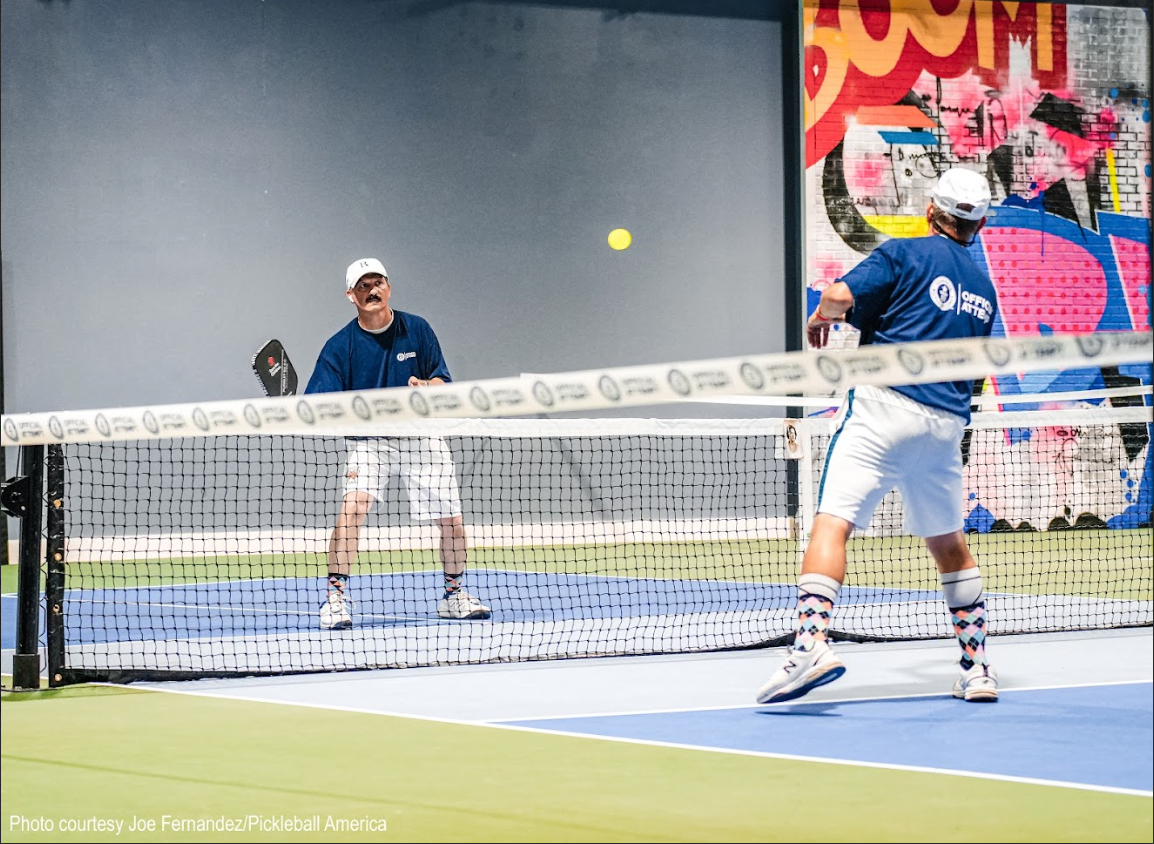
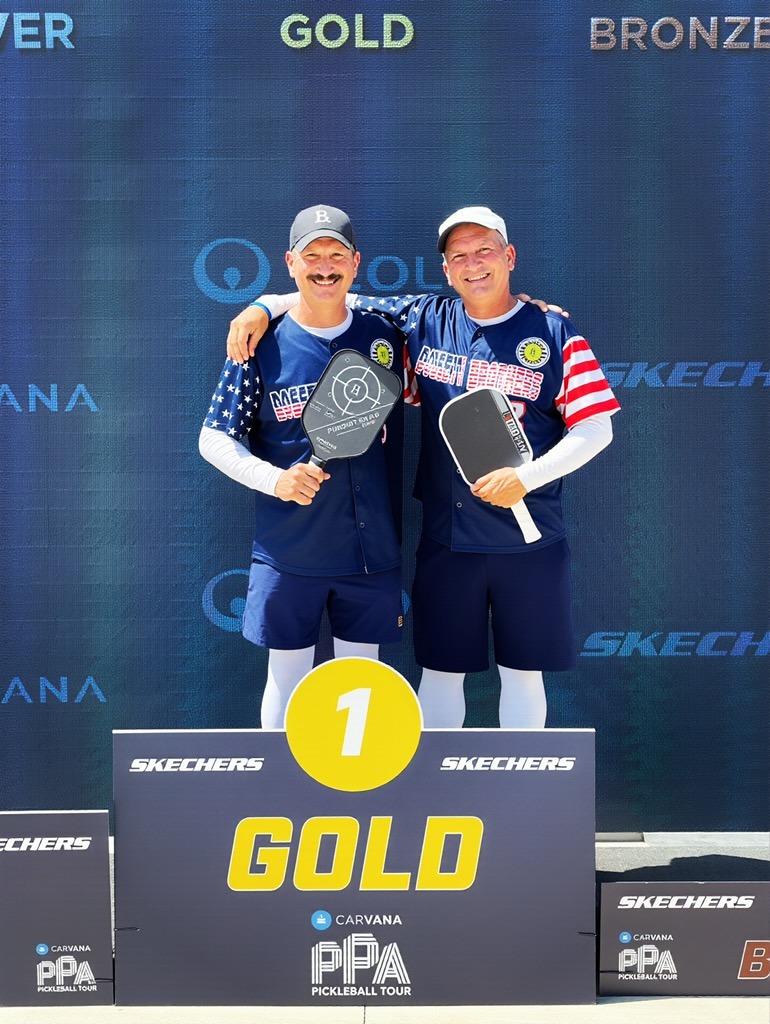
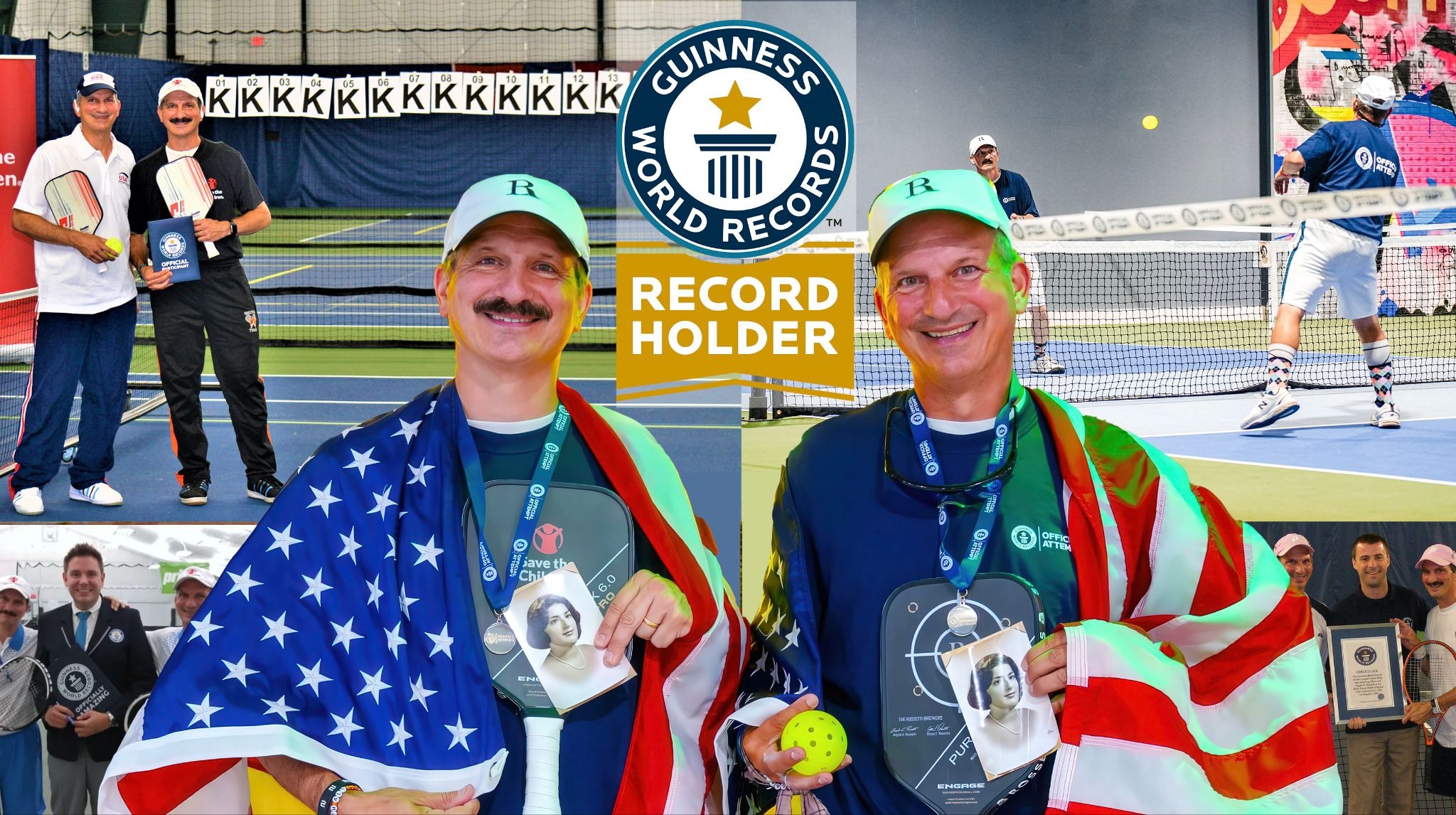
Behind it are Angelo and Ettorre Rossetti, identical twins, coaches, and seasoned world-record setters who seem to make history look routine. This kind of “warm up, then break a record” moment isn’t new for the Rossetti Brothers, who have previously pulled off first-attempt Guinness World Records in both tennis and pickleball.
Their newest mark is now pending official Guinness World Records adjudication.
From a Basement Ping-Pong Table to a World-Record Mindset
From a basement ping-pong table to a world-record mindset, the Rossetti Brothers’ journey began in the most old-school way possible. Their sports path started in their grandfather’s basement, where he had built a ping-pong table and they would play hundreds of games every Sunday. Before they could even properly reach the table, they were already problem-solving and competing, standing on milk crates just to be able to play. That early obsession with racket sports eventually evolved into tennis, tournaments, coaching, and, over time, a deeper sense of purpose that now shapes everything they do.
Why Pickleball Became the Turning Point
Angelo described the “light bulb” moment that made pickleball feel different from tennis, not just in fun, but in accessibility. He explained why pickleball creates more “playable” competition across skill levels, and it even helps those tennis players at the early stages.
“People of different ages and levels can play against each other and have more competitive matches.”
It also changed what was physically possible for him as a coach and player:
“In pickleball, the court is smaller. I could play pickleball all day… and it didn’t bother me.”
The “Twin Disguise” Tournament That Fooled Everyone
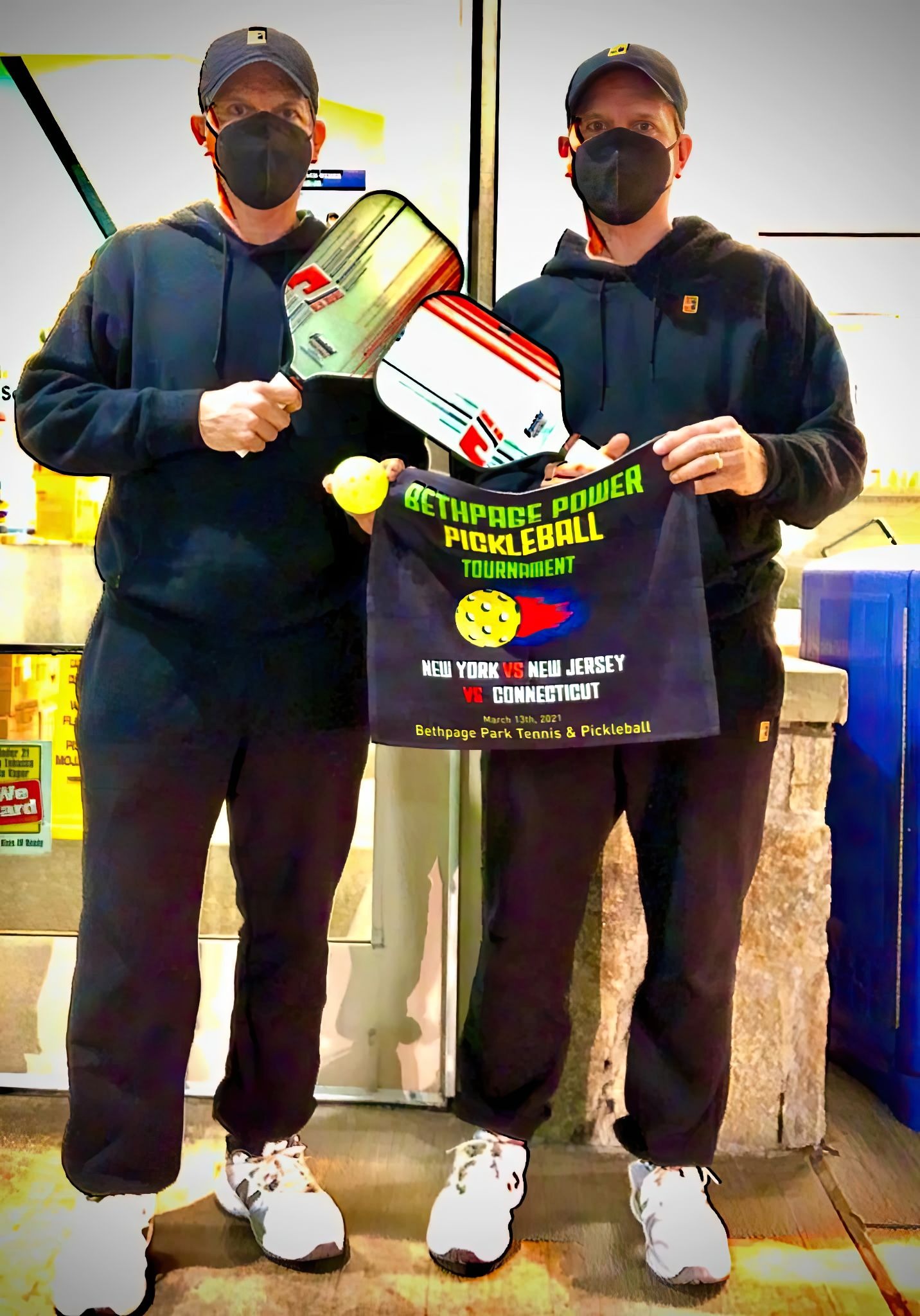
At Ettore Rossetti’s very first pickleball tournament, the brothers decided to lean fully into the fact that they’re identical twins and turn it into a strategic (and hilarious) advantage. Rather than trying to blend in, Angelo and Ettore showed up with a plan designed to create confusion from the first point.
Both arrived wearing matching black outfits and identical masks, carefully chosen to hide Ettore’s mustache, the one feature that usually gives them away. With the disguises on, opponents had no idea who they were facing, who had more experience, or which twin carried the higher DUPR rating. The uncertainty wasn’t just visual; it affected how players approached every rally.
As Ettore explained, “I got matching black masks… because without it, you can tell us apart because of my mustache.”
The plan worked even better than expected. The confusion played out in real time, during points and changeovers, as opponents tried to make sense of who they were playing against. At one point, Angelo overheard someone say, “One of them is really good and I don’t know which one it is,” capturing exactly how effective the disguise had been.
The Why Behind the Records: Purpose First
The Rossetti Brothers’ world-record journey didn’t begin as a publicity stunt. It began as a tribute.
Their tennis mentor, Scott Wilson, passed away from ALS at just 42 years old, and he was someone who believed in them early on and helped shape their path as players and coaches. The loss left a mark, and the brothers knew they wanted to honor him in a way that matched the impact he had on their lives.
“We came up with the idea to set a world record in his honor,” Angelo shared.
That idea turned into something few people would even attempt: a marathon tennis rally that pushed them far beyond normal limits.
“That’s what kept us going for 14 hours and 31 minutes.”
In 2008, Ettore and Angelo officially set a Guinness World Records title for the longest tennis rally, lasting 14 hours and 31 minutes and totaling 25,944 consecutive strokes, raising money for charities including Save the Children. The record took place over August 9–10, 2008, and marked the beginning of a much larger mission.
They didn’t stop there.
In 2015, the Rossetti Brothers set another Guinness World Records title, this time for the longest tennis volley rally, hitting 30,576 consecutive volleys in 5 hours and 28 minutes, once again raising funds for Save the Children.
For the Rossettis, the formula has never changed: Purpose comes first. The records follow.
Their Pickleball Records Carry a Deeper Story
They have since set multiple pickleball world records, including one achieved on World Mental Health Day, when they completed the longest pickleball rally in history with 16,046 consecutive shots. At the time, the moment carried a weight they didn’t fully understand.
That record later took on deeper meaning when they realized it was the first world record their mother had not been present for. Soon after, they learned the reason: she had been living with stage four pancreatic cancer. Her passing became the motivation behind another record, completed in her honor, and marked a shift in how purpose began to drive everything they pursued.
Breaking News: A New Record Set Live at a Pickleball Clinic
In an exclusive first, a new pickleball world record was set during a live clinic event. The Rossetti brothers attempted and surpassed the one-minute volley record in front of their students, pushing the benchmark beyond the existing standard.
The challenge was straightforward but demanding: the most consecutive volleys without a bounce by two players in one minute. The previous record stood at 100. With no practice and no warm-up, the brothers stepped onto the court and delivered 111 consecutive volleys in their first attempt.
After the initial run, the crowd asked for another attempt. The brothers reset and raised the mark again, reaching 113 consecutive volleys without a miss. The record remains unofficial pending verification and adjudication by Guinness World Records.
They also noted that in practice they have reached even higher numbers, with their top recorded run reaching 124 volleys at full pace, suggesting the newly set benchmark may not be the ceiling.
How They Trained: The Metronome Method
To sustain that level of speed while maintaining consistency, the brothers relied on a highly structured training approach. In preparation for the record attempt, they trained using a metronome at their home club, Pickleville in New Haven, to standardize pace and timing.
At higher settings around 120 beats per minute, the demands increase significantly, equating to roughly two volleys per second. The method required more than fast hands; it demanded precise control, timing, and the ability to execute under sustained pressure.
The Rossetti Philosophy: Purpose, Joy, and the Infinite Game
“Find your purpose first. Winning comes second.”
The Rossetti Brothers emphasized the idea of playing the “infinite game” where the sport doesn’t end with one outcome, and growth continues regardless of results.
And one line hit especially hard for competitive athletes:
“Joy is a state of being… Happiness is usually tied to an outcome you don’t have control over. Focus on the things you can control.”
Pickleball is growing because it’s more than competition. It’s community, meaning, and momentum.
The Rossetti Brothers represent a version of the sport that’s about:
- pushing what’s possible,
- giving back through the sport,
- and bringing people into pickleball through inspiration (not intimidation).
And now, with their 113-volley one-minute record attempt pending approval, the Rossetti Brothers partnered with DUPR to create the most shareable skill challenge pickleball has seen in a long time.
Follow @duprpb and @rossettibrotherspickleball and stay tuned for what’s coming up.
Community
January 22, 2026
High School Pickleball Spring 2026 Schedule
A New Era Begins with the First-Ever High School National Championship
Spring 2026 marks a huge milestone for youth pickleball. For the first time ever, high school pickleball will follow an official spring tour schedule and it will culminate in a High School National Championship.
Even bigger news?
The high school schedule aligns directly with the Collegiate Pickleball Tour, sharing the same Super Regional dates. This creates a clear competitive pathway from high school to college and gives student-athletes a structured, national stage to compete on.
Below is the full High School Pickleball Spring 2026 Schedule, mirroring the collegiate tour.
🗓️ Spring 2026 High School Pickleball Tour Schedule
February 7 — Virginia High School Super Regional
📍 Performance Pickleball RVA
Virginia kicks off the spring season and sets the tone for high school competition nationwide. This event is expected to feature a mix of established high school programs and emerging teams looking to make their mark early.
February 21 — Indiana Super Regional
📍 The Picklr Noblesville
The Indiana Super Regional serves as a key qualifier for Midwest teams. With limited spots and high stakes, this weekend is often one of the most competitive stops on the spring calendar.
March 7 — California Super Regional
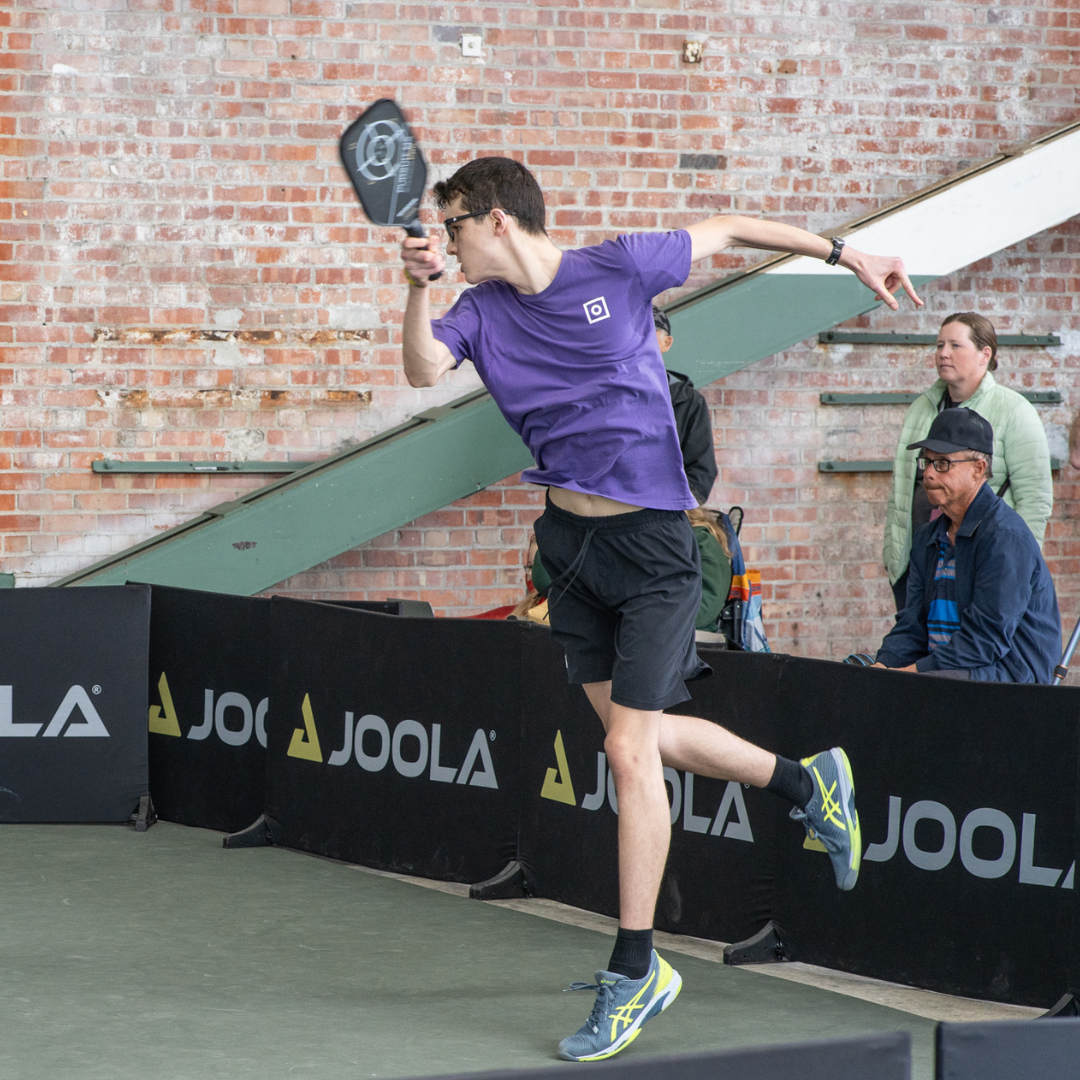
📍 The Hub Silicon Valley
The West Coast takes center stage in early March. California traditionally delivers deep brackets and fast-paced play, making this Super Regional a must-watch for high-level high school competition.
March 28 — Georgia Super Regional
📍 Atlanta National Pickleball Club
The final Super Regional of the spring—and the last opportunity for teams to qualify before Nationals. Expect intensity, pressure matches, and season-defining moments as teams fight for their spot on the biggest stage.
April 11, 2026 — High School National Championship
📍 Details to be announced
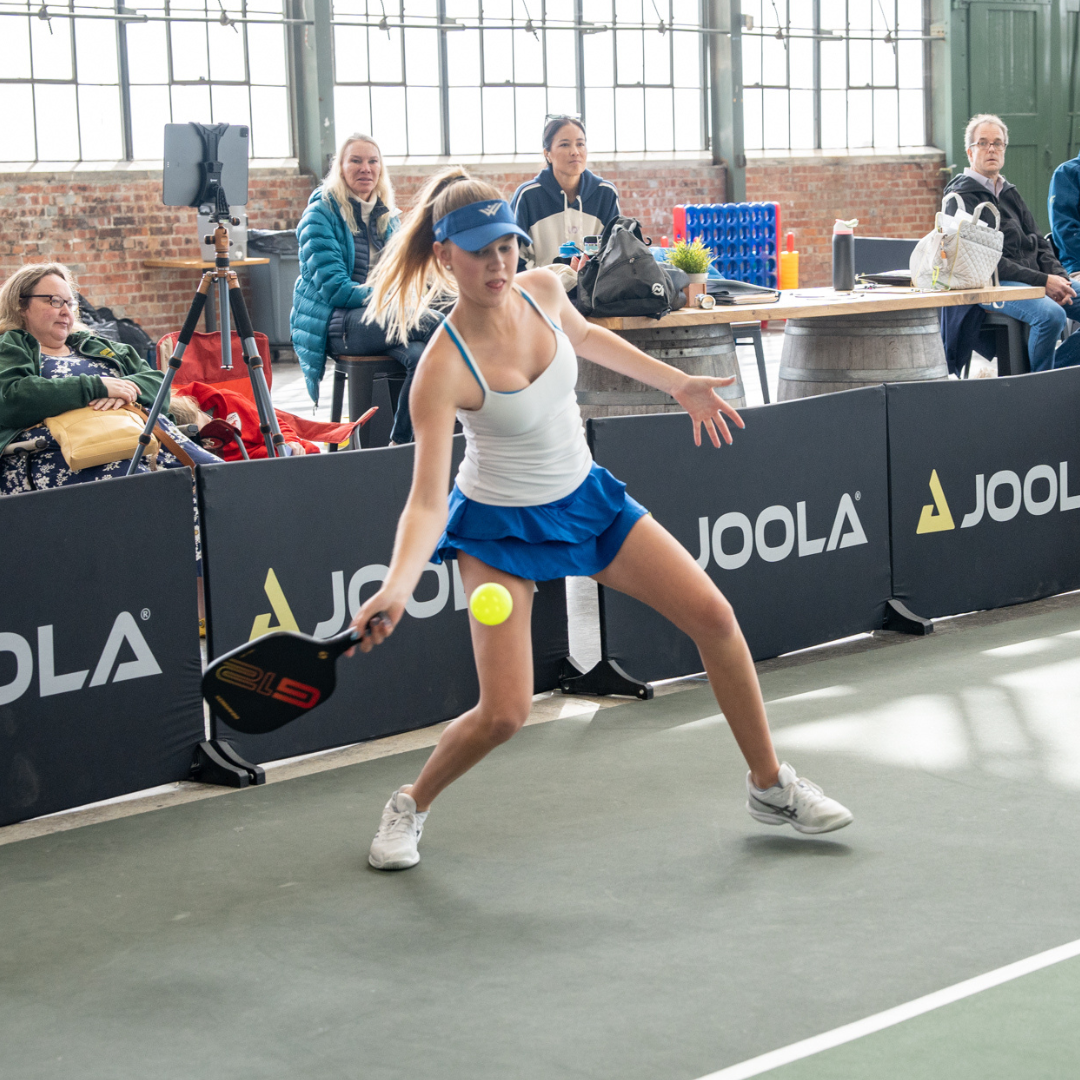
For the first time in pickleball history, high school teams will compete for a National Championship title.
This inaugural High School National Championship represents a major leap forward for youth pickleball:
- A true national title for high school athletes
- A structured postseason aligned with collegiate competition
- A clear development pathway from high school to college pickleball
Why This Matters for High School Pickleball
The Spring 2026 season isn’t just another tour; it’s a turning point.
By aligning high school and collegiate schedules, pickleball is creating:
- Consistency in competition structure
- Visibility for student-athletes
- Opportunities for growth, recruitment, and long-term development
High school teams planning to compete this spring should review the schedule early, coordinate travel, and prepare for a season that will help shape the future of the sport.
Follow @highschoolpickleball on Instagram for pictures, news and updates.
High School
Pickleball Tournaments
Community
January 22, 2026
Top 10 Pickleball Strategies to Improve Your Game
In the world of competitive pickleball, the difference between an intermediate and an advanced player often comes down to decision-making rather than just physical skill. As the game continues to evolve, players are finding that success is found in the "soft game" and how well they navigate the transition zone. Whether you are new to the sport or looking to refine your competitive edge, implementing these 10 pickleball strategies can help improve your play.
1. The Aggressive Topspin Drop
A common approach for a "third shot drop" (the soft shot intended to land in the opponent's kitchen) has historically been a slow, slicing motion. However, modern strategy favors the topspin drop. By brushing upward on the ball, you create a forward rotation that causes the ball to dip sharply after it clears the net. This forces your opponent to hit the ball from a low position, making it difficult for them to hit a powerful shot back and allowing you to move forward to the net safely.
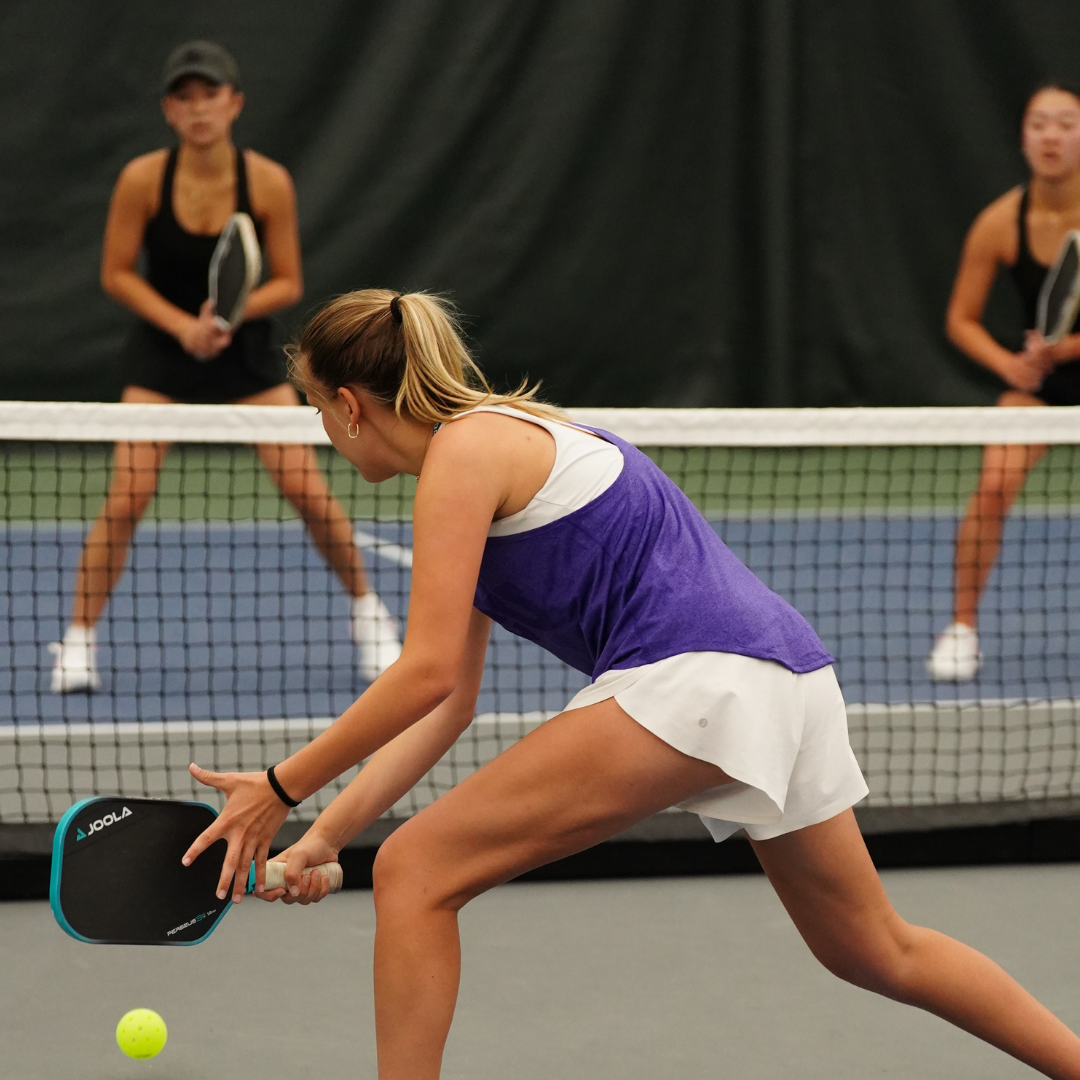
2. Mastering "The Freeze" in Transition
Many players make the mistake of sprinting blindly toward the net after hitting a drop shot. High-level players instead use a technique called the "split-step." If your shot isn't perfect, it is safer to stop moving and get into a balanced stance before your opponent hits the ball. Being stationary in the transition zone allows you to react to and "reset" a hard volley, whereas running while the ball is hit often leaves you vulnerable in "no-man's land."
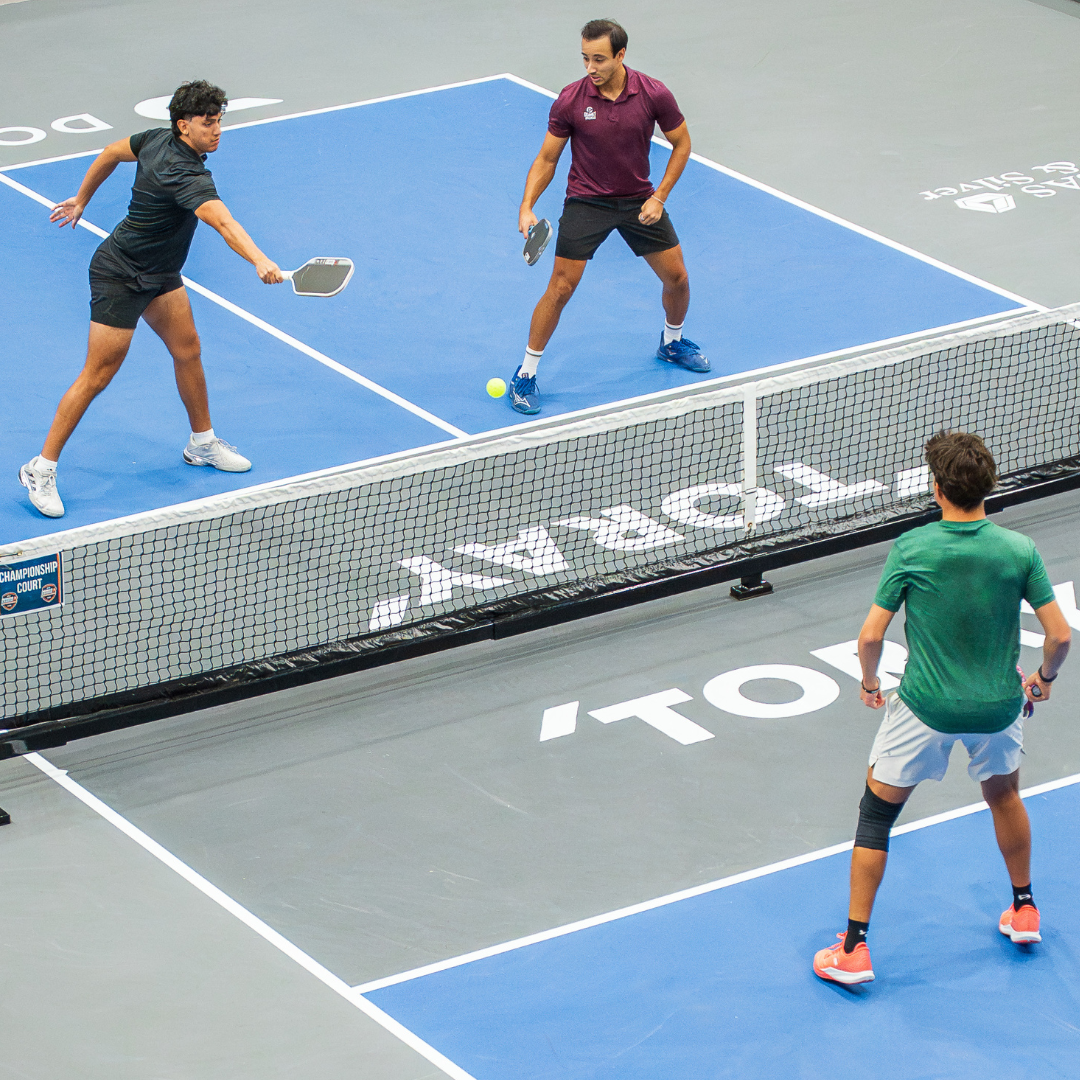
3. Targeting the "Hip-Pocket"
When choosing where to aim an aggressive shot, the open court isn't always the best target. Instead, aiming for your opponent’s dominant hip, the side they hold their paddle on, is often more effective. This area is difficult to defend because the player must awkwardly "cramp" their arm to reach the ball, often resulting in a weak pop-up or a missed shot. This tactic is known as "jamming" the opponent and is a reliable way to catch your opponent off guard.
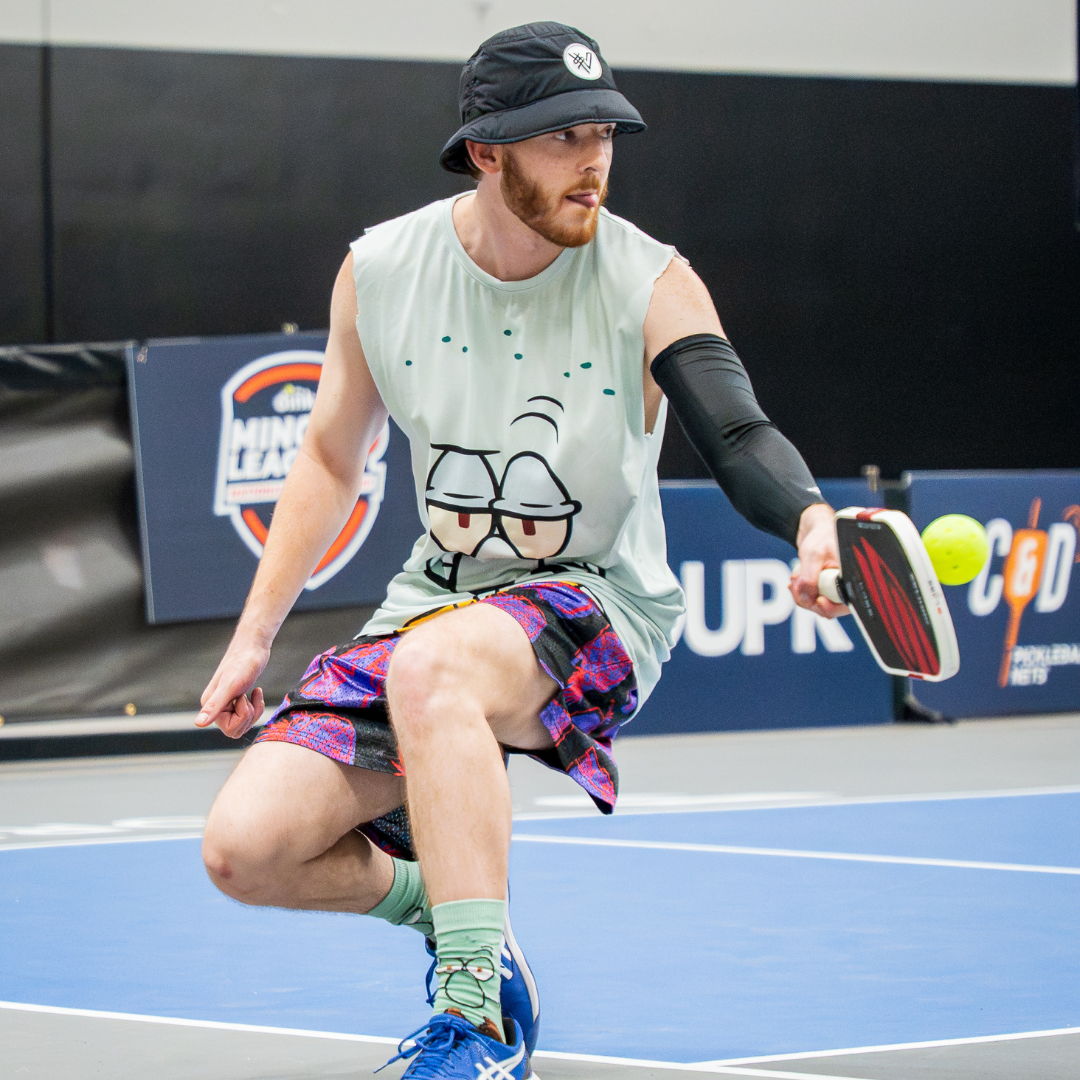
4. The 70% Power Rule
In pickleball, hitting the ball with 100% power often leads to mistakes or the ball flying out of bounds. A more effective strategy is the 70% drive. By hitting the ball with moderate pace, you maintain enough control to ensure the ball dips before the baseline while still making it difficult for your opponent to return. This balance of speed and accuracy is a hallmark of consistent, high-rated players.
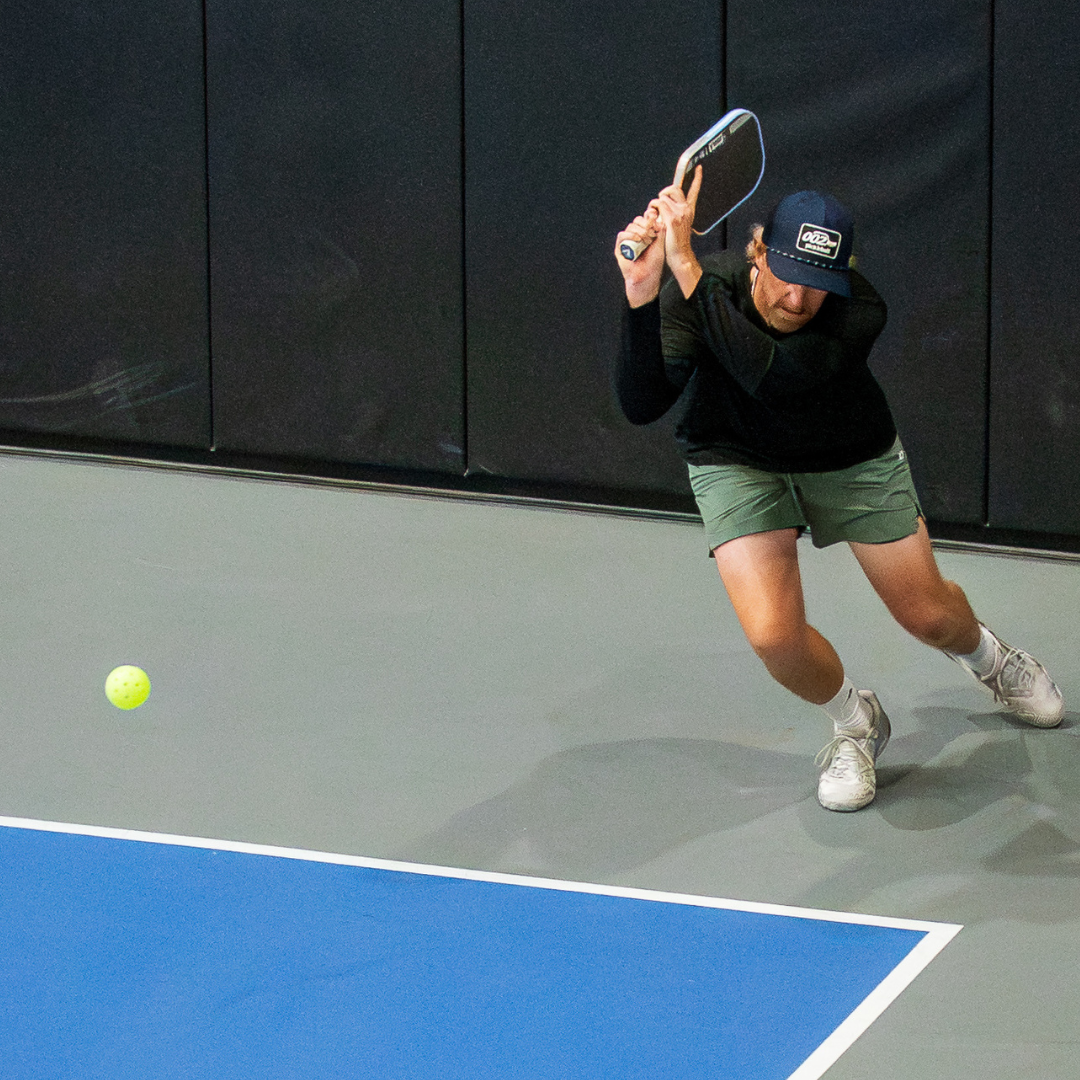
5. Defensive "L-Pattern" Movement
Doubles pickleball is a game of positioning. When your partner is pulled wide to the sideline to chase a ball, you should not stay in your original spot. Instead, move toward the center in an "L-shape" to cover the gap. Leaving the "middle hole" open is one of the most common ways teams lose points. By shifting over to support your partner, you force the opponents to try a much harder shot down the sideline to win the point.
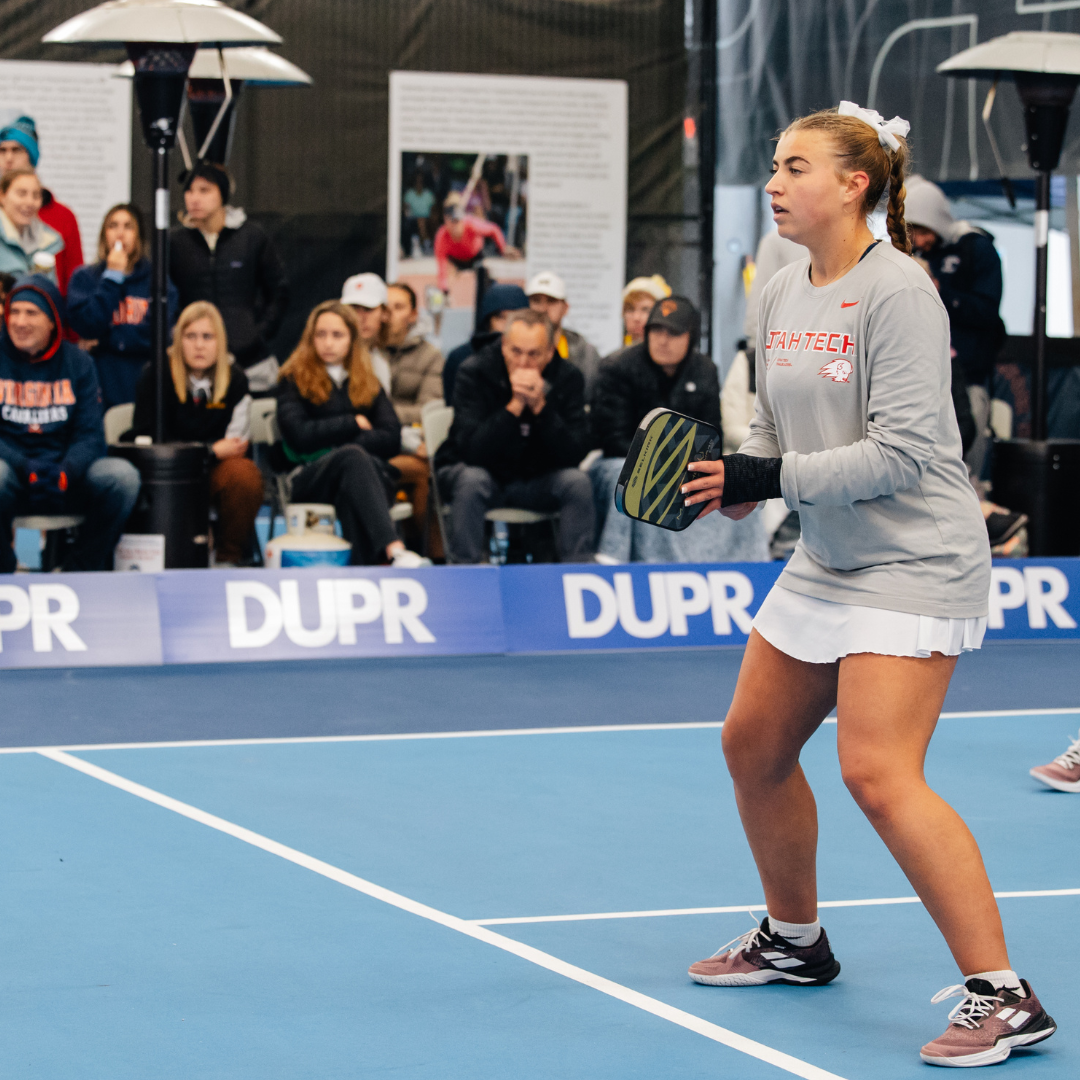
6. The "Backhand Ready" Neutral
During fast exchanges at the net, your backhand is your best tool for defense. Most players find they can cover more of their body area with a backhand than a forehand. By keeping your paddle slightly biased toward the backhand side while waiting for a shot, you are pre-positioned to block fast attacks. This neutral stance keeps you ready for the most likely path of an incoming ball.
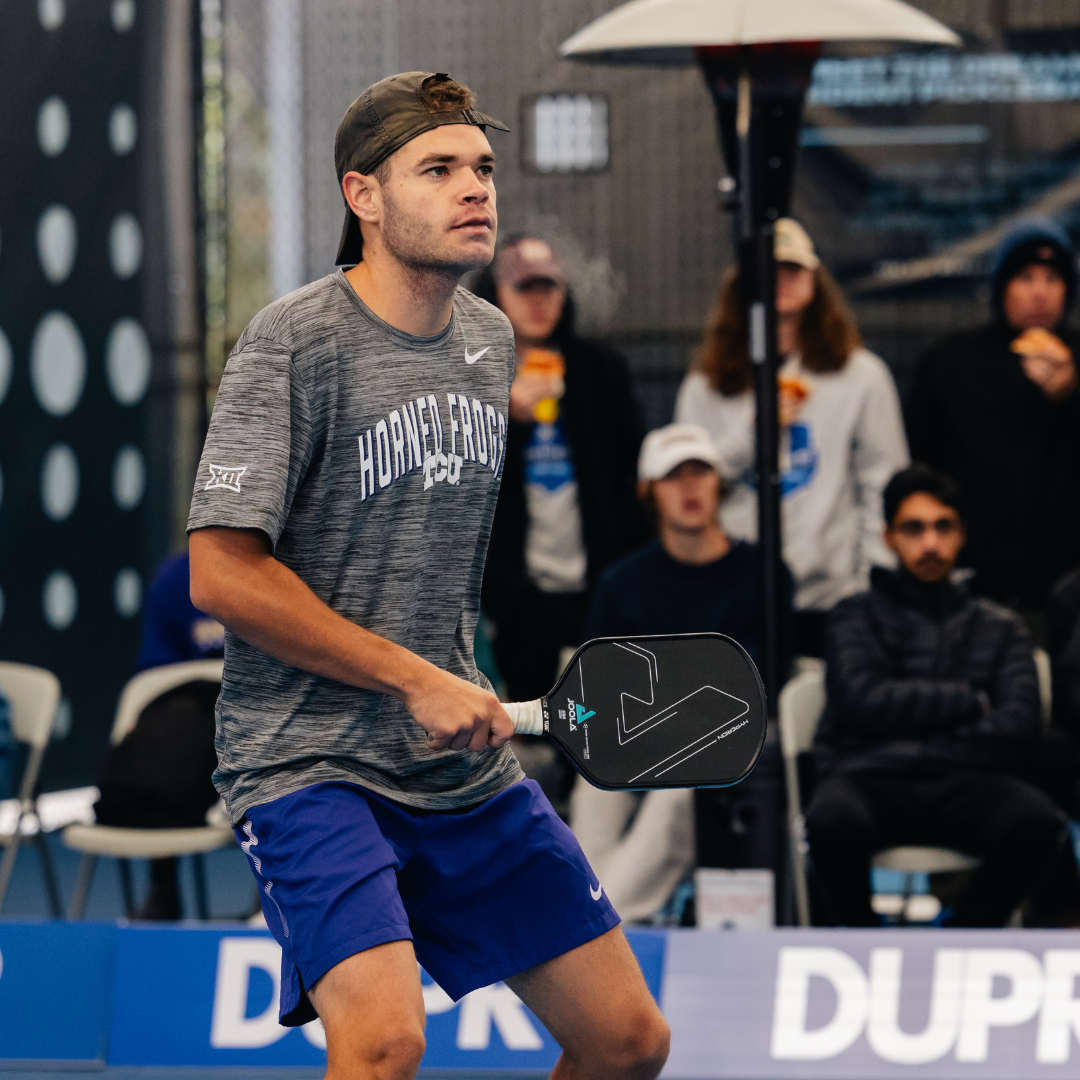
7. Strategic Stacking for Forehand Dominance
Stacking is a positioning tactic where partners stay on a specific side of the court regardless of who is serving. This is often used to keep a player’s strongest shot, usually their forehand, in the middle of the court. By having the "weapon" forehand in the center, you effectively shrink the court for your opponents and allow the stronger player to dictate the pace of the point.
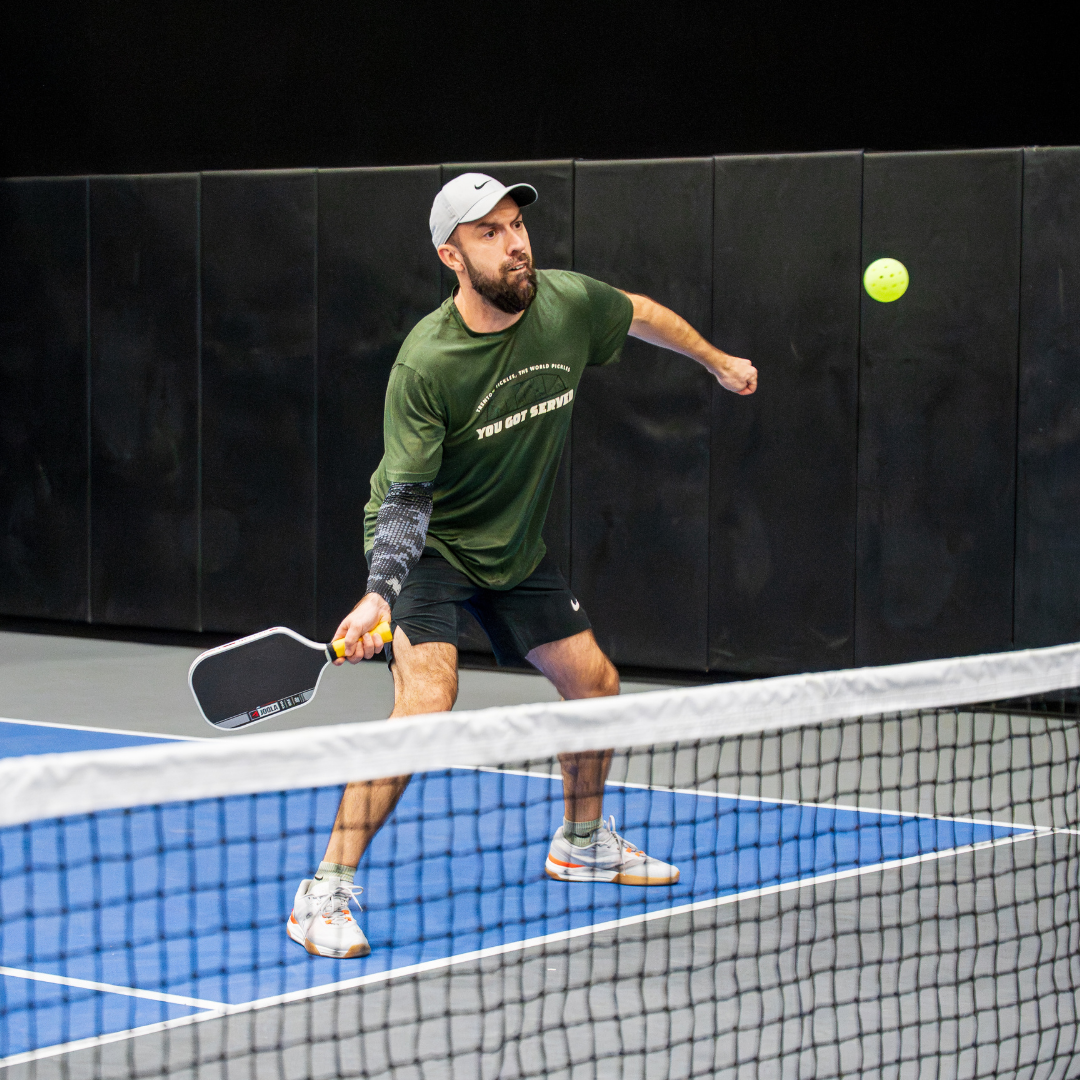
8. Erne Awareness (The Mental Game)
An "Erne" is a shot where a player hits the ball while standing outside the sideline, next to the kitchen. Even if you don't actually perform this jump, simply standing near the sideline can change the game. This "threat" creates psychological pressure, forcing the opponent to hit their shots toward the middle of the court to stay away from you, which often puts the ball right into your partner’s reach.
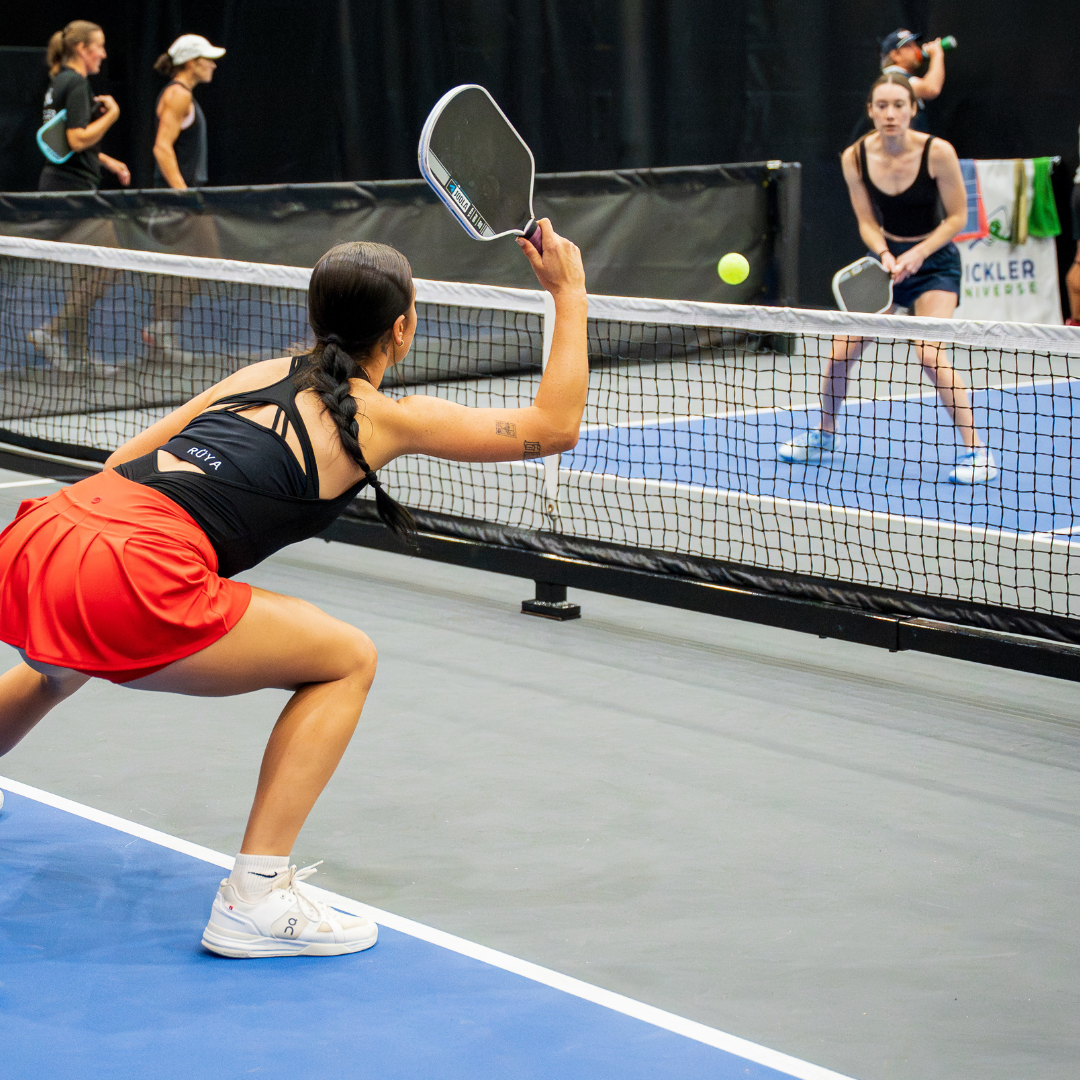
9. The "Shovel" Reset
If you are caught in the middle of the court and a ball is hit hard at your feet, don't try to hit a winning shot. Instead, use a "shovel drop,” a short, lifting motion that gently guides the ball back into the opponent's kitchen. This defensive move neutralizes the opponent's advantage and gives you the chance to get back into a better position for the next hit.
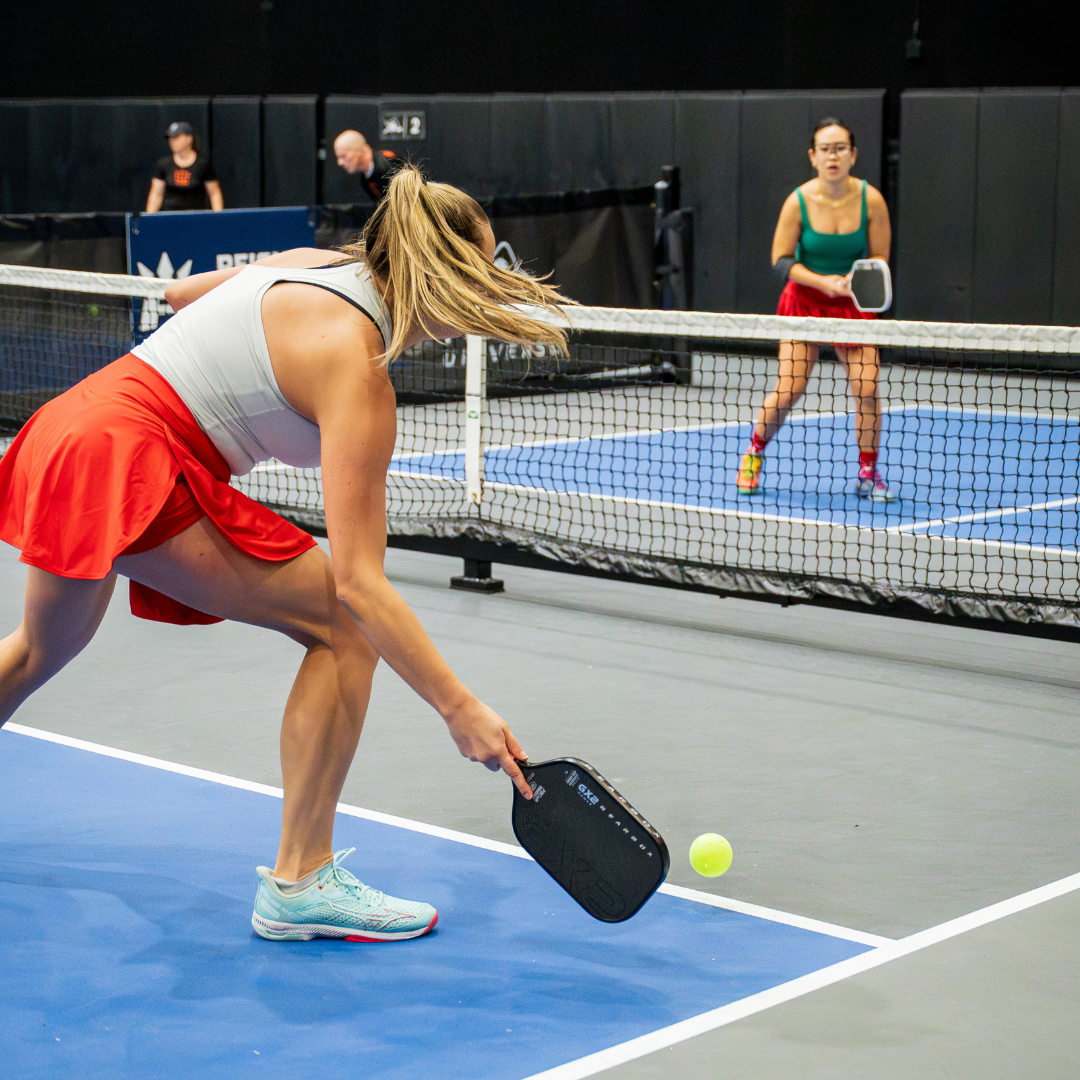
10. Play for the "Fourth Shot" Error
Patience is perhaps the most underrated skill in the game. While many players try to win the point immediately on their third shot, successful players focus on the "fourth shot." By hitting a deep, difficult return and focusing on making your next shot unattackable, you force your opponents to be the ones who have to take risks. Often, the player who is willing to wait for the right opening will win more points than the one who tries to end the point too early.
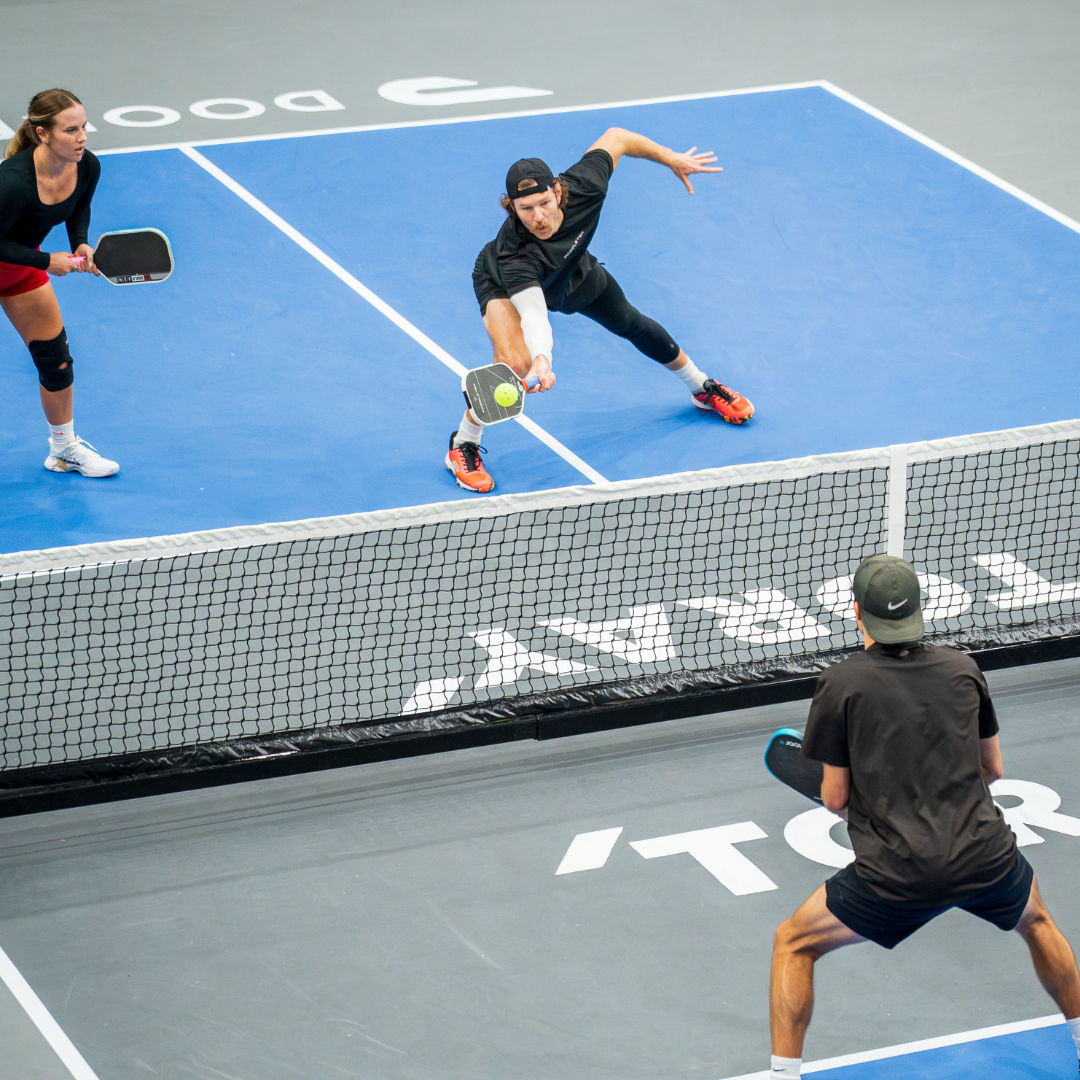
Ready to see where you stand? Log your latest scores on the DUPR app and track your progress as you master these game-changing strategies.
For more pickleball tips, visit our blogs page and follow @duprpb on Instagram
Pickleball Tips
January 19, 2026
When To Poach in Pickleball?
If you’ve ever felt like you’re playing solid pickleball but still losing points you “shouldn’t,” the issue often isn’t your strokes. It’s decision-making and anticipation, and poaching sits right at the intersection of both.
Let’s break down when to poach in pickleball, why it works, and how to use it without hurting your partner or your rating.
What Is Poaching in Pickleball?
Poaching is when you cross into your partner’s side of the court to intercept a ball, usually at the kitchen line, before it reaches them.
It’s not about being aggressive for the sake of it.
It’s about reading patterns, understanding positioning, and acting at the right moment.
Done correctly, poaching:
- Shortens points
- Forces errors
- Rewards anticipation over raw power
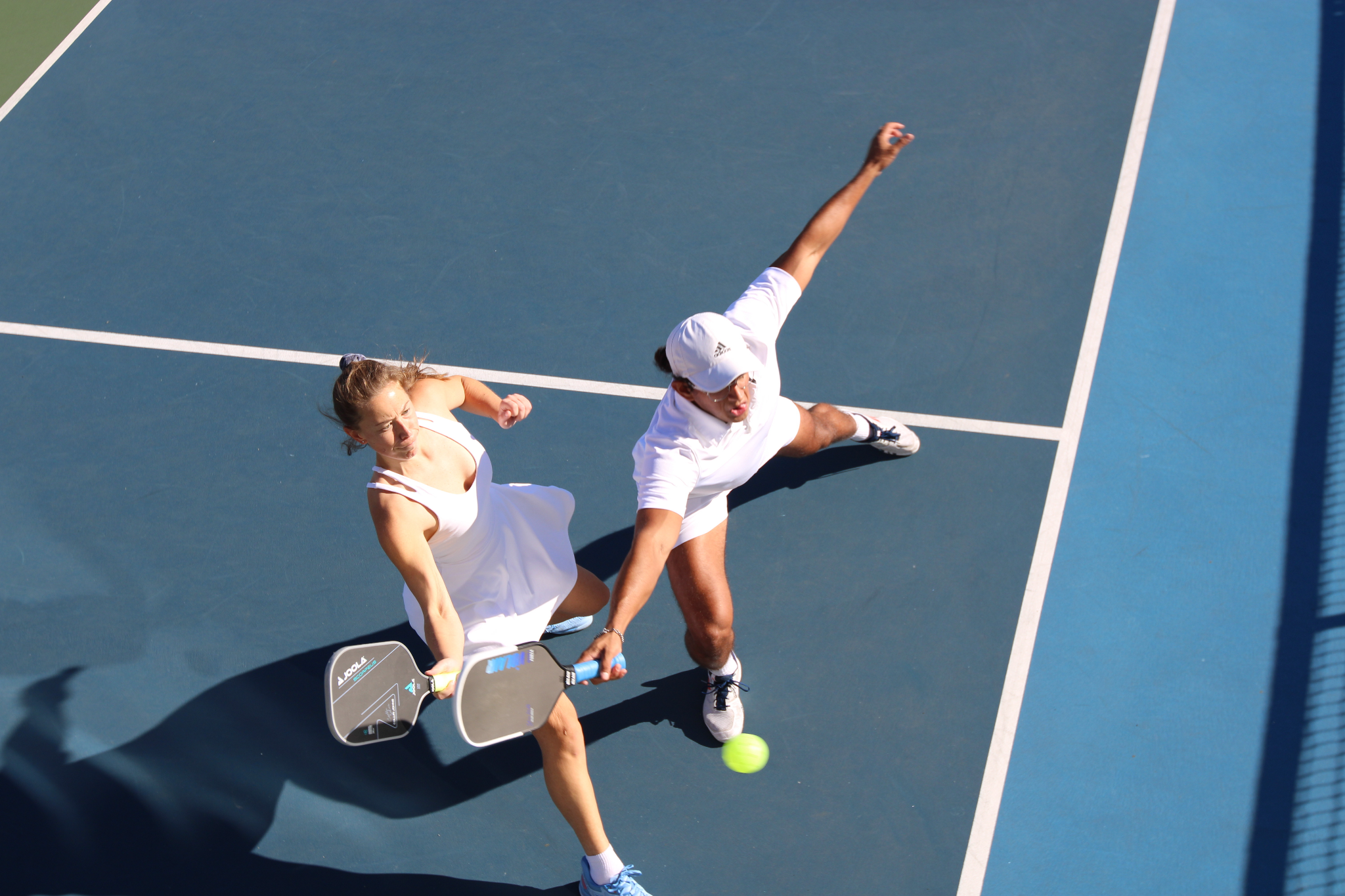
The Highest-Percentage Time to Poach: Partner Back, You Up
This is the most reliable poaching opportunity in doubles pickleball, especially at the 3.0–4.0 level.
Why it works
When one player is back and the other is at the kitchen:
- Opponents naturally hit toward the player who’s deeper
- Drops to the kitchen are harder
- Balls come slower and higher
From a data and pattern standpoint, this is one of the most predictable situations in pickleball.
What to do
If you’re at the kitchen and your partner is still moving up:
- Expect the ball to go crosscourt to your partner
- Shift early
- Cross over and intercept
At many levels, this single play can swing entire games.
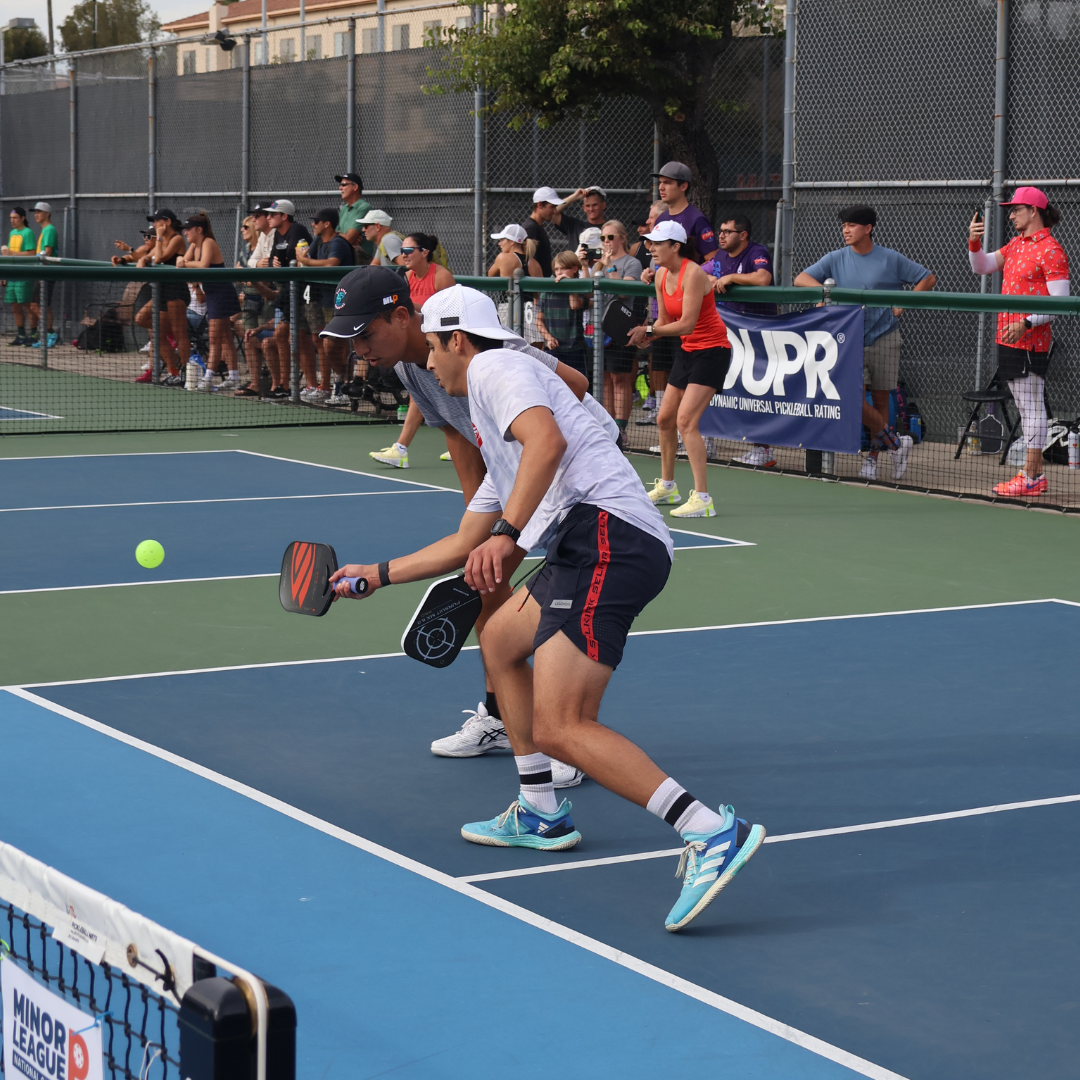
Poaching Out of Crosscourt Dink Patterns
Crosscourt dink rallies are common because they offer more margin over the net. But they also create rhythm, and rhythm can be exploited.
The opportunity
- You’re locked into a crosscourt dink exchange
- One opponent is involved, the other is passive
- A dink floats slightly higher or slower
That’s when poaching becomes effective.
Why it works
- The non-dinking player is disengaged
- Reaction time is reduced
- Direction changes (crosscourt → down the line) are hard to defend
This is why many higher-level players intentionally dink crosscourt looking for a poach opportunity.
Poaching Starts Before the Ball Is Hit
One of the biggest mindset shifts we see in improving players is this:
At the kitchen, you should expect a speed-up on every shot.
From a readiness standpoint:
- A dink gives you time
- A speed-up does not
What to watch for
- Larger backswing
- Paddle dropping lower
- Weight shifting forward
Players who poach effectively aren’t faster; they’re earlier.
Poaching Off Pop-Ups (With Intent)
Not every poach needs to be a full-speed winner.
When you intercept a higher ball:
- Aim at the feet
- Or attack open court
Hitting hard directly at an opponent often resets the rally. Smart poaching is about placement, not power.
When Not to Poach
Poaching is a tool, not a default.
Avoid poaching when:
- Both partners are already established at the kitchen
- The ball is dipping below net height
- You’re guessing instead of reading
At DUPR, we consistently see that patience combined with selective aggression leads to better outcomes and more consistent ratings over time.
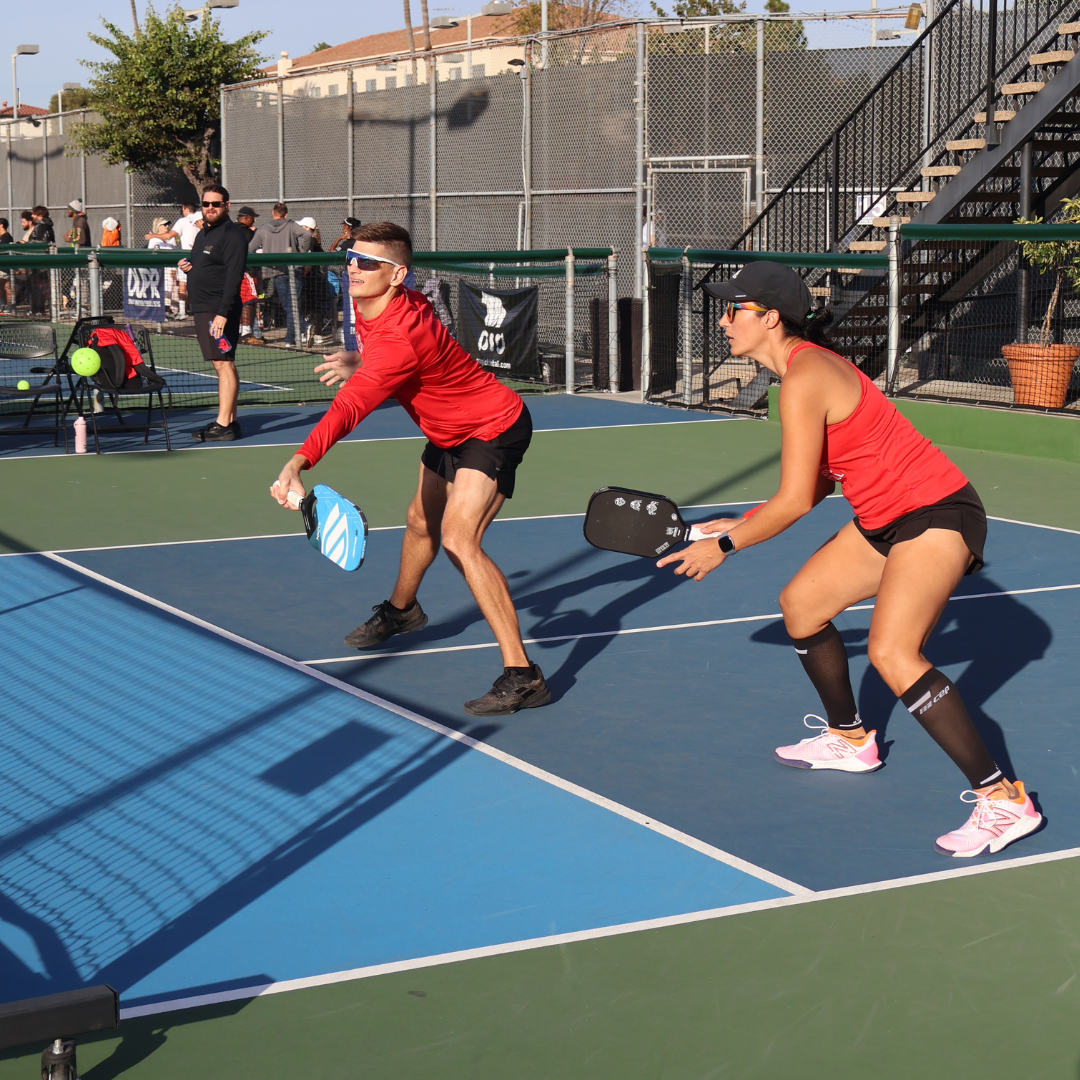
Communication and Trust Matter
The most effective doubles teams:
- Signal early
- Shade toward the middle to bait shots
- Trust their partner to cover behind them
Sometimes the threat of a poach is enough to force errors.
Poaching is about understanding patterns, court positioning, and timing.
If you remember one thing:
When you’re at the kitchen and your partner is back, anticipate the ball and be ready to move.
That decision alone can raise the quality and consistency of your doubles play.
At DUPR, we believe smarter pickleball leads to better competition, fairer outcomes, and more accurate ratings. Poaching, when used correctly, is a perfect example of skill over speed.
For more pickleball tips, check out our blogs page here.
Pickleball Tips
January 16, 2026
What Happens If There’s a Foot Fault in Pickleball?
By DUPR Referee Tom Whitson
Foot faults are one of the most common (and confusing) pickleball rules, especially during non-officiated matches, where there’s no referee on court.
DUPR Referee Tom Whitson breaks down exactly what happens when a foot fault is called, and more importantly, how players should handle it fairly and by the rules.
First: What Is a Foot Fault?
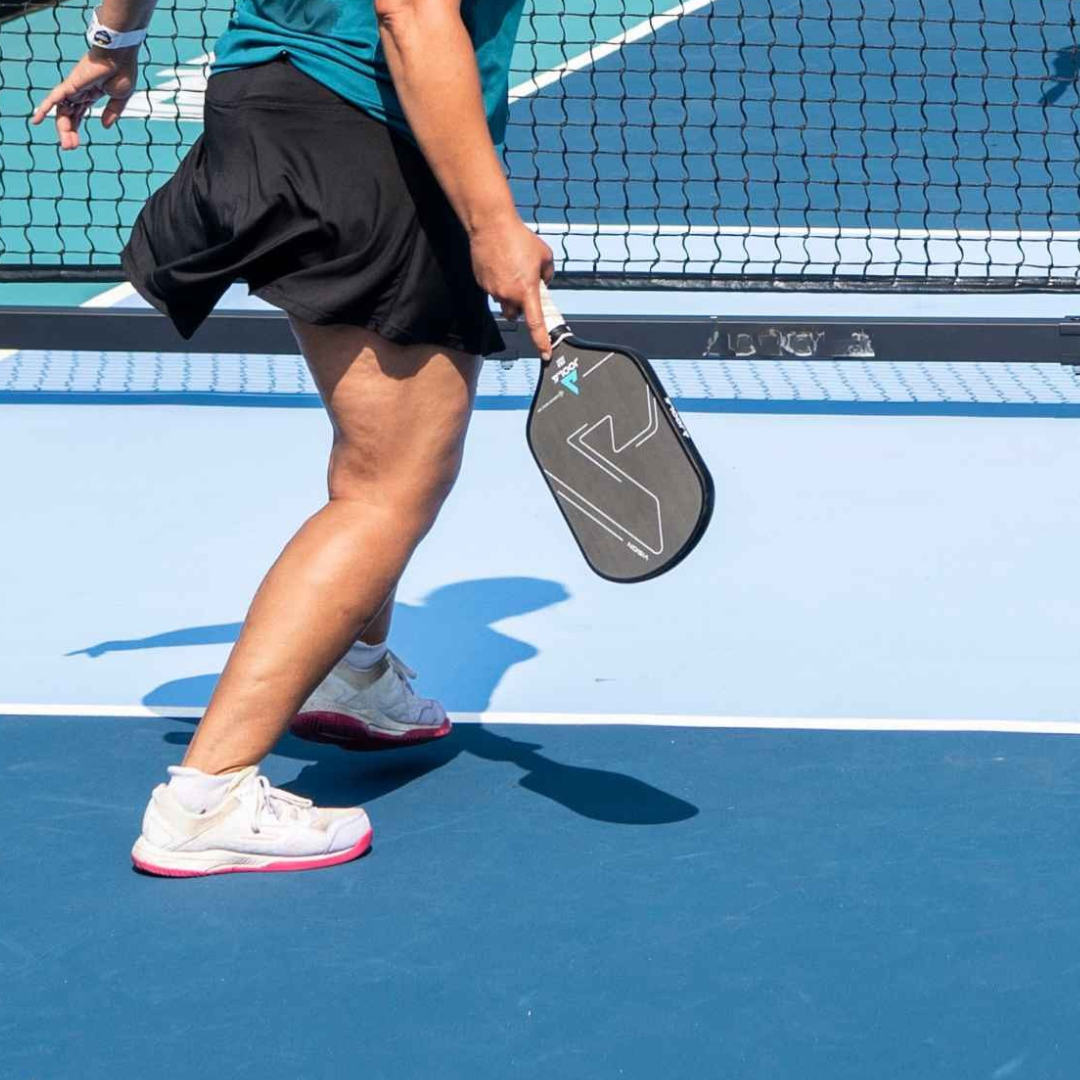
A foot fault can occur in two main situations:
- During the serve:
Stepping on or over the baseline (serving line) before making contact with the ball. - During a volley:
Stepping on or into the non-volley zone (kitchen) while hitting the ball out of the air.
In officiated matches, a referee makes the call. But most recreational play, leagues, and open plays are non-officiated, which means players must resolve the call themselves.
What Happens When a Foot Fault Is Called?
According to Tom Whitson, there are only two possible outcomes when your opponent calls a foot fault on you in a non-officiated match:
Scenario 1: You Agree With the Call
If you agree that you committed the foot fault:
“If you agree with your opponent’s call, then you lose the point.”
Simple and clean. Agreement means the fault stands, and the point goes to your opponent.
Scenario 2: You Disagree With the Call
If you do not agree that a foot fault occurred:
“If you disagree with your opponent’s call, then it’s a replay.”
No point is awarded to either side. The rally is replayed.
One Important Detail Most Players Miss
Here’s a key clarification from Tom Whitson that many players don’t realize:
“Only one player needs to agree that there was a foot fault for either of these scenarios to happen.”
That means:
- If you agree → you lose the point
- If you don’t agree → automatic replay
There’s no debating, no majority vote, and no arguing over angles or visibility.
Why This Pickleball Rule Matters
This rule exists to:
- Prevent arguments on court
- Keep play moving
- Encourage honesty and sportsmanship
In non-officiated pickleball, fair play depends on mutual respect. Pickleball rules are designed to protect both players when there’s uncertainty.
Understanding rules like this not only avoids conflict, but it helps everyone enjoy the game more.
To learn all the pickleball rules in seconds, click here.
Pickleball Rules
January 16, 2026
History Made: The First-Ever DUPR Verified Event Happened at Nationals
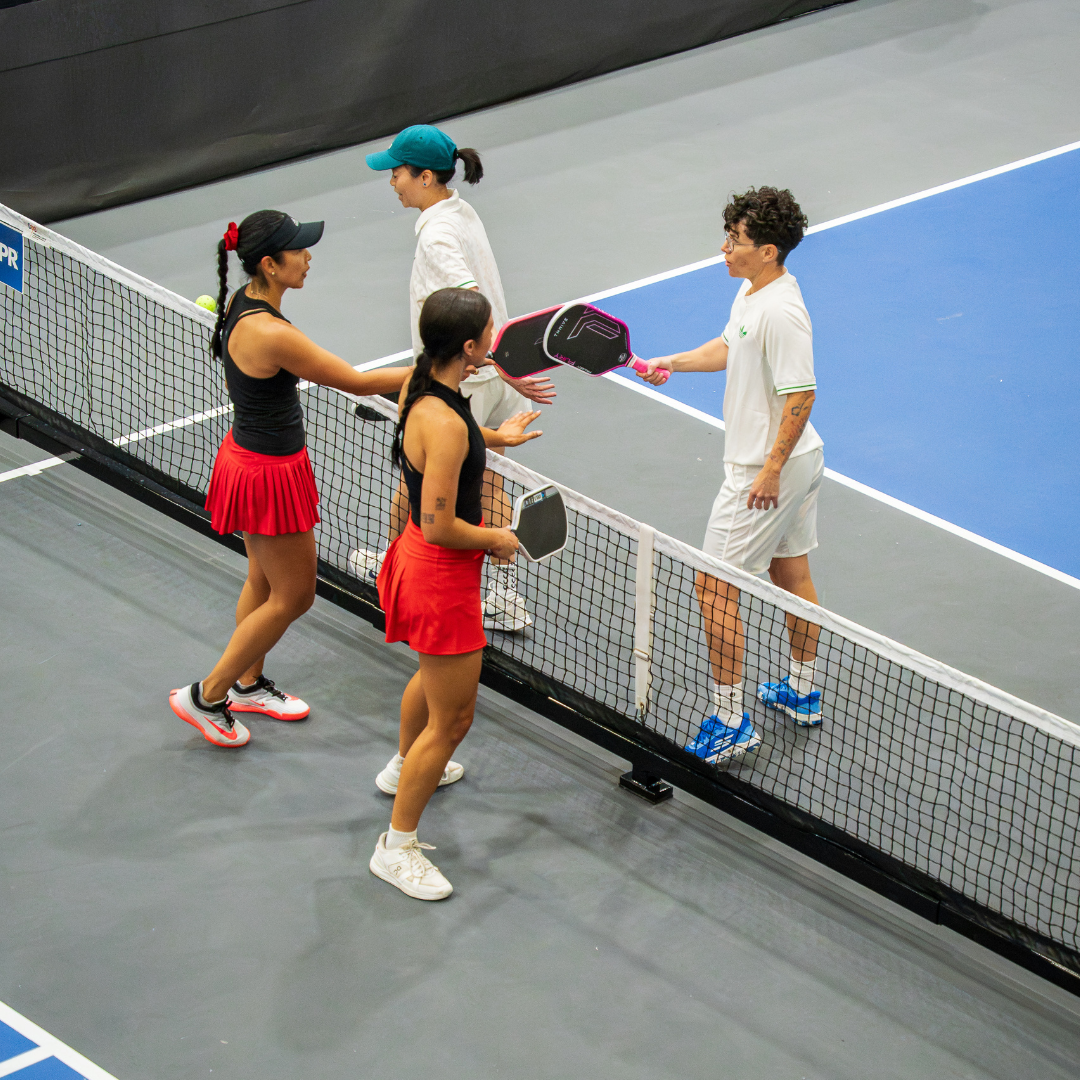
At the 2025 The Dink Minor League Pickleball National Championship, history was made when MiLP Nationals became the first-ever DUPR Verified Event, setting a new standard for competitive amateur pickleball and how ratings, fairness, and credibility show up on the national stage.
What Does “DUPR Verified” Actually Mean?
A DUPR Verified Event represents the highest standard of competitive pickleball.
These events are designed for players and organizers who want fair matchups, trusted results, and real competitive credibility. Clubs and tours that run DUPR Verified events meet elevated quality standards and go through an approval process to ensure match integrity at every level.
To compete in a Verified Event, all players must complete a validation process, including:
- An active DUPR+ subscription
- An authenticated phone number
This added layer of verification helps protect the integrity of ratings and ensures that every match played is legitimate, accountable, and meaningful.
Because Verified Events are held to higher standards, they are reviewed and approved by the DUPR Fairplay Committee. Organizers who fail to uphold these standards are removed from the program, reinforcing trust for players who rely on their DUPR to reflect their true level.
At a Verified Event:
- Matches are run using official DUPR standards
- Player ratings are trusted and actively protected
- Results carry 50% more weight toward a player’s DUPR
- Competitive integrity, transparency, and fairness are prioritized
MiLP Nationals becoming the first event to earn this designation signaled something important: amateur pickleball is evolving, and accuracy now matters as much as atmosphere.
Why MiLP Nationals Was the Perfect First
If any event was going to set the bar, it was MiLP Nationals.
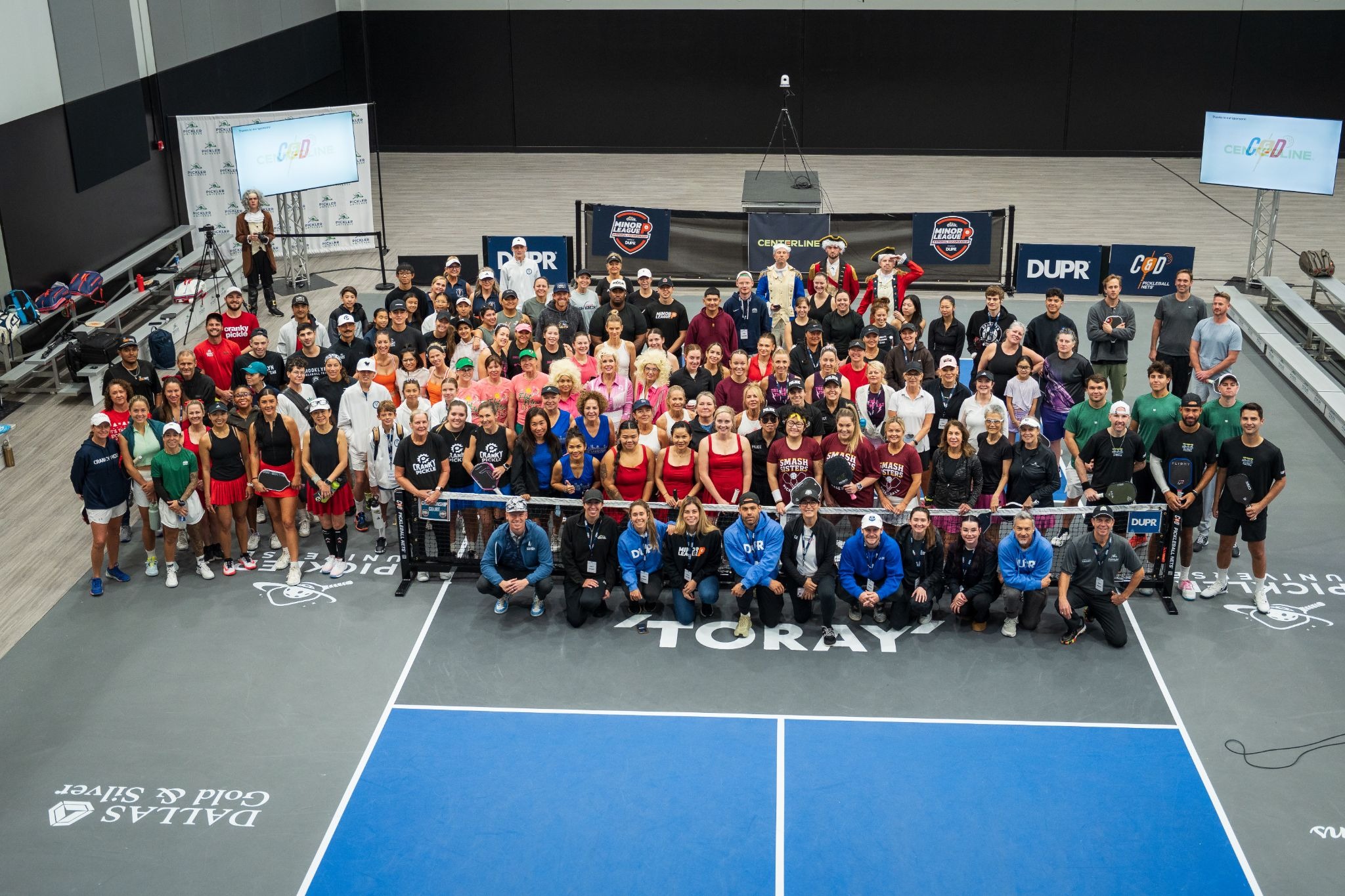
The 2025 championship brought together:
- 1,000 players
- 318 teams
- 35 U.S. states
- 23 countries
- $100,000 prize purse
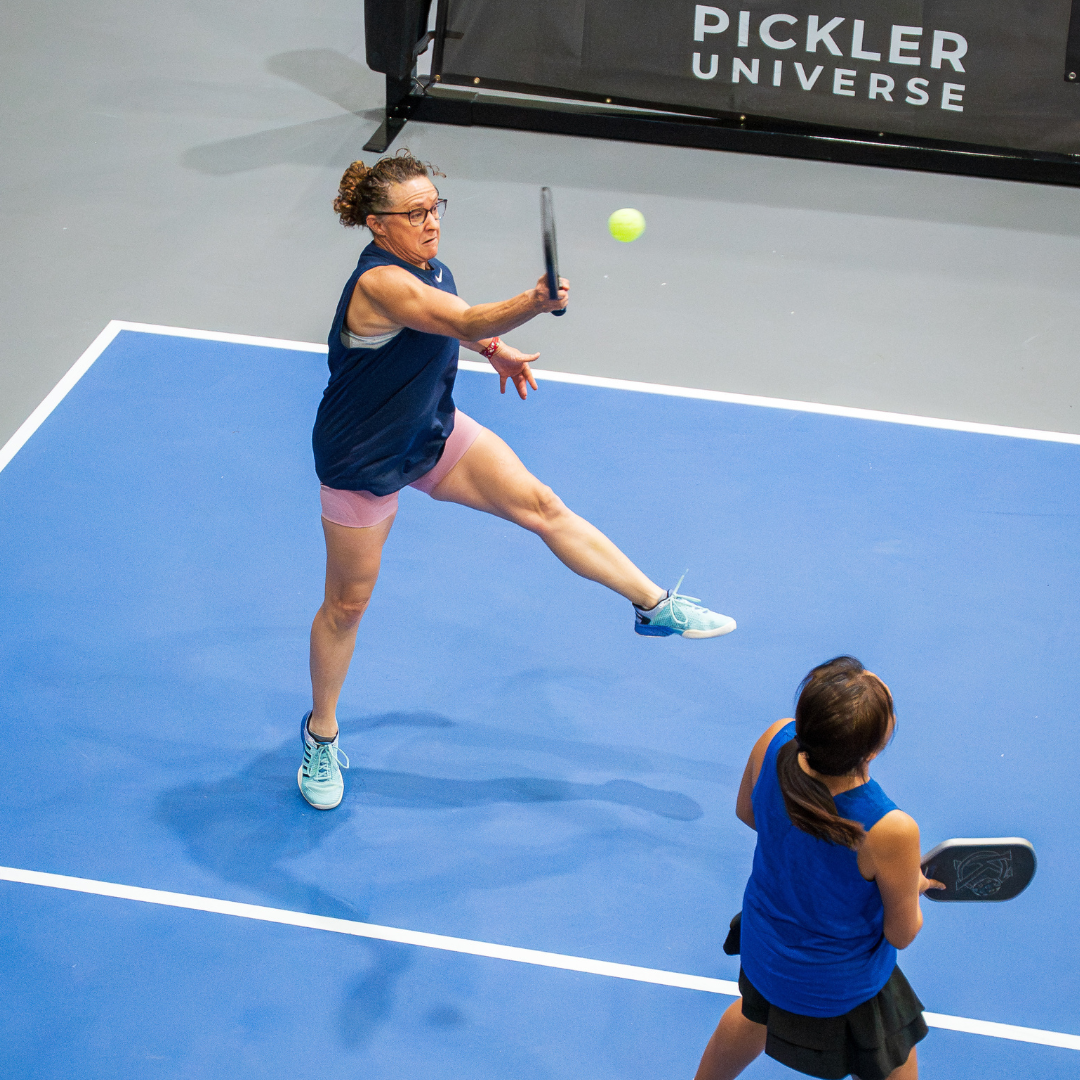
Players ranged from 10 to 76 years old, across dozens of DUPR-based divisions, all competing under one unified rating system.
From juniors winning open-age divisions to 50+ brackets delivering some of the most competitive matches of the week, MiLP Nationals showed what happens when ratings are applied correctly and consistently.
DreamBreakers Everywhere And That’s the Point
One of the biggest indicators that the DUPR system was doing its job?
DreamBreakers. Lots of them.
This year’s Nationals set a record for the most DreamBreakers ever played at a MiLP event. That doesn’t happen when teams are mismatched or where there is too much sandbagging. It happens when ratings are tight, divisions are accurate, and every lineup belongs on the same court.
One unforgettable moment came in the DUPR 14 division, when the Cranky Pickle Opossums erased a 12–20 DreamBreaker deficit to win 23–21, a comeback that had the entire venue buzzing. Watch it here.
That kind of drama doesn’t exist without balance.
Global, Inclusive, Competitive: All at Once
MiLP Nationals 2025 wasn’t just verified. It was global.
Players traveled from Romania, Israel, Japan, Puerto Rico, Argentina, India, Australia, Italy, the Philippines, and beyond turning Dallas into a true international championship.
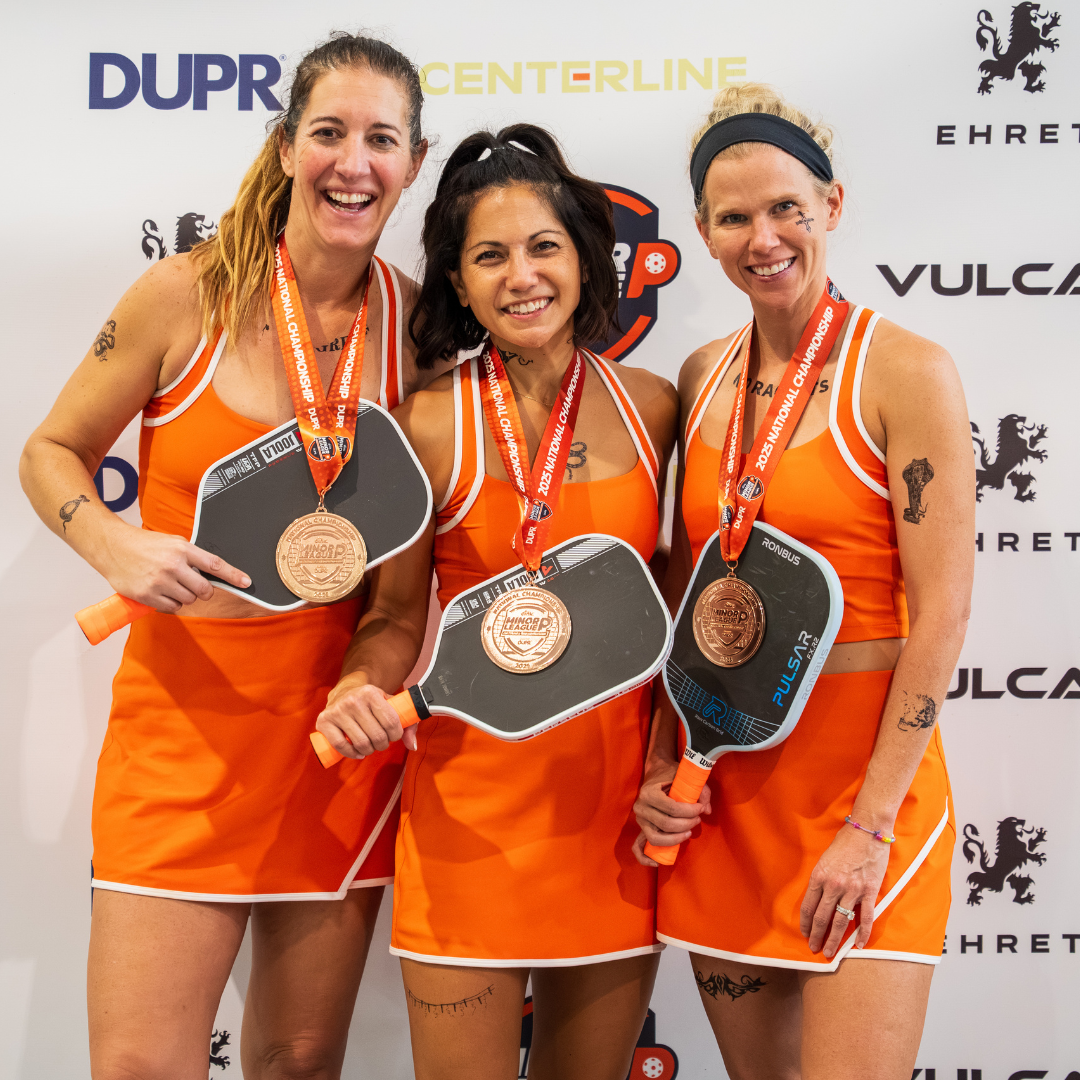
At 76 years old, Rochelle Martinez earned a bronze medal in the Women’s DUPR 9 V3 division. At 11, Carsen Ngo captured gold in both Men’s DUPR 11 V3 and DUPR 14 Open Age.
That’s what a verified system allows: everyone competing where they belong, regardless of age or background.
A New Standard for Amateur Pickleball
This first-ever DUPR Verified Event wasn’t just about one tournament. Leading pickleball tours, leagues, and clubs including National Pickleball, World of Pickleball, The Dink Minor League Pickleball, Triple Team Pickleball League, Pickleball Is Great, The Picklr, Performance Pickleball, and The Flying Pickle have confirmed to host DUPR Verified Events in 2026, so check out their schedule or find them in the DUPR app.
📸 Want to relive the moments? Check out the full photo gallery and highlight clips from MiLP Nationals 2025 here.
The Dink MiLP
Community