No matching results.
Search results
August 7, 2026
PickleQ Streamlines Open Play and DUPR Match Reporting
PickleQ is a browser-based platform designed to help pickleball clubs, recreation centers, and community organizers manage open-play sessions from check-in through final results.
The platform was created after its founders experienced a common challenge in open play: traditional paddle-stack systems often produced uneven matchups, unclear rotations, and unnecessary delays.
As newer players, the founders regularly participated in games with significant skill gaps. As they improved, they encountered the same issue from the opposite perspective. These experiences reinforced a simple idea: strong open-play sessions require more than selecting the next four players in line. Organizers must also consider skill balance, waiting time, partner variety, and fairness.
Making Open Play Easier to Manage
The challenge is especially visible in the Philippines, where pickleball participation has grown faster than the available court supply. During a busy open-play session in Metro Manila, ten or twelve players may be waiting to use a single court, sometimes for thirty or forty minutes.
Many communities still rely on paddle stacks to manage rotations. Although this system can work, it depends heavily on the person running the session. Players may be skipped accidentally, the same groups may repeatedly play together, and courts may remain unused while organizers determine who should play next.
PickleQ brings the full session into one platform. Organizers can create a session, add players and available courts, form matches, record scores, and manage rotations without using a separate spreadsheet.
Players can check in through a reusable QR code or shared kiosk. From their phones, they can follow the queue, view upcoming matches and court assignments, and track standings and results.
Many of these capabilities came directly from organizers running real open plays. Locked partners, dedicated skill courts, and safeguards against drawing the same opponent repeatedly were all added in response to their feedback.
Since PickleQ began in January 2026, more than 16,000 clubs have been created. Organizers have completed over 107,000 sessions, representing more than 1.5 million player appearances and nearly two million games.
Although PickleQ cannot create additional courts, it can help organizers use existing courts more efficiently by improving transparency, reducing delays, and keeping rotations moving.
Organizers can learn more about setting up and managing sessions through the PickleQ user guide.
Connecting Open Play With DUPR
As PickleQ’s founders became more involved in competitive pickleball, they also identified challenges in the process of reporting match results to DUPR.
At rated sessions, players often wrote their DUPR IDs on paper, while staff manually entered scores after the event. Results could take several days to appear, and manual entry created opportunities for incorrect scores, reversed winners, or matches being assigned to the wrong players.
These issues were not caused by the DUPR rating system. Instead, they came from the manual workflow between activity on the court and the submission of results.
To simplify this process, PickleQ introduced DUPR Mode through its paid Venue Pro toolkit.
PickleQ's DUPR reporting tools allow organizers to collect player DUPR IDs with the session roster, record winners and scores immediately after each match, keep results connected to the correct session, and generate a DUPR-ready bulk export using the current 27-column format.
Organizers have already recorded more than 23,000 games through DUPR Mode. PickleQ has also generated over 550 DUPR-ready exports covering more than 22,000 matches.
By reducing manual entry, PickleQ helps organizers submit more accurate results while spending less time on post-session administration.
More Than a Digital Paddle Stack
PickleQ is designed to manage the entire open-play experience rather than simply digitizing a traditional rotation system.
The platform considers factors such as skill balance, waiting time, partner and opponent variety, locked partnerships, court availability, and fairness to players near the front of the queue. Forming a balanced four-player match sometimes means looking past the next person in line, so PickleQ caps it: no player waits through more than two rotations before being moved to the front.
Potential matchmaking changes are tested across simulated games using the same logic as the live platform. If an update creates more balanced matches but also leads to longer waits or unequal participation, it is not implemented. In repeated runs of a busy five-court scenario, courts stayed in play about 95% of the time and every player got at least three games.
This reflects how the team approaches the problem: open-play rotation is treated as an optimization problem rather than a scheduling convenience.
The result is better match quality without giving up the fairness and flexibility that make open play appealing.
Supporting Better Open Play
PickleQ helps organizers manage queues, courts, matchups, and results in one place. For players, it creates more consistent opportunities to compete in appropriately matched games and build a reliable DUPR record.
Whether a club is running a casual open-play session or a competitive DUPR-rated event, PickleQ provides the tools to keep courts active, improve match quality, and simplify result reporting.
Create a free club and start managing an open-play session with PickleQ.
Partners
August 7, 2026
How your DUPR rating is calculated
You check your DUPR after a tournament and your rating goes down. You won two matches. What happened?
This is one of the most common questions in pickleball right now, and the answer gets to the heart of what makes DUPR the world’s premier rating system.
DUPR measures performance, not just results
Every match has an expected score based on the ratings of the players involved. Your rating moves based on how you perform compared to that expectation, not simply whether you walked away with the win.
Score more points than expected? Your rating goes up, even if you lost. Score fewer than expected? It goes down, even if you won.
That might feel counterintuitive at first. But think about it this way: if you're rated 4.5 and you narrowly beat a 3.0, you underperformed. A win is a win on the bracket sheet, but the score told a different story. DUPR reads that story.
This is why DUPR is the rating system used by clubs, tournaments, and leagues around the world. It reflects skill more accurately than a simple win-loss record
The four factors that shape your rating
Your DUPR isn't calculated from one match. It's built from your full body of results, weighted by four key factors.
1. Performance vs. expectation
This is the biggest one. Before each match, DUPR calculates the expected score based on both players' or teams' current ratings. The gap between that expected score and the actual score is what drives your rating up or down.
A 3.5 losing 9–11 to a 4.0 overperformed. DUPR sees that and moves that 3.5 player's rating up. The 4.0 who was expected to win by more will likely see a small drop.
2. Type of match
Not all matches carry equal weight. A club or tournament result influences your rating more than a self-posted recreational game. This is by design. Verified, organized play provides more reliable data about where a player actually stands.
Self-posted games still count, but their impact on your rating is smaller.
3. Match recency
Your most recent matches matter more than older ones. If you've been putting in work and your game has genuinely improved, that improvement shows up in your rating faster because recent results carry more weight in the calculation.
On the flip side, a bad stretch from six months ago has less pull on your current rating than it did right after it happened.
4. Match volume
The more matches you have on record, the more stable and accurate your rating becomes. Early on, when your history is thin, a single result can shift your rating noticeably. As you log more matches, each individual result has a smaller relative impact and your rating settles into a more precise reflection of your level.
This is one of the best reasons to play in rated events regularly. More data means a more accurate rating.
Why a win can still drop your rating
This is the part that trips people up, and it's worth addressing directly.
DUPR is not a reward system. It doesn't hand out points for winning the way a tournament bracket does. It measures how your performance compared to what was expected based on the ratings involved.
If you win 11–8 in a match where you were expected to win 11–3, you won on the scoreboard but underperformed the expectation. Your rating will dip.
Some players ask: why does the winning team go down at all? The reason is that the rating system has to stay balanced. If every winning team always went up and every losing team always went down regardless of performance, the overall distribution would drift upward over time and ratings would lose their meaning. One team goes up, one goes down, based on performance relative to expectation.
A single result won't define your rating, especially once you have a well-established match history. Having one unlucky afternoon, a few net cords, an off day? Your rating absorbs all of that across hundreds of data points reflecting your true level.
How to move your rating in the right direction
Understanding the system is the first step. Here's what actually moves the needle:
- Play in club and tournament events: These carry more weight than self-posted rec games and give you a clearer picture of your rating trajectory.
- Focus on scoring, not just winning: Every point matters now. Even in a match you're going to lose, competing hard and keeping the score close can move your rating up.
- Play consistently: A higher match volume gives you a more accurate and stable rating. It also means any single result has less of an outsized effect.
- Play up when you can: Overperforming against higher-rated players is one of the fastest ways to move your rating. You don't have to win. You just have to compete above expectations.
Your DUPR reflects where you are right now. The more you play, the more precisely it reflects your actual skill level.
Open your DUPR profile, check your match history, and see how your recent results have shaped your rating. If you're not on DUPR yet, create your free account and start building your rating today.
DUPR Ratings
Data
August 3, 2026
DUPR and PIQLZ Partner to Standardize Off-Court Skill Assessment Through Interactive Wall Technology
DELRAY BEACH, FL – August 1 — DUPR, the world’s leading pickleball rating system, today announced a strategic partnership with PIQLZ, an interactive wall platform for structured off-court skill assessment and development, owned and operated by RAQTS.
Through this collaboration, PIQLZ introduces a standardized, computer-automated assessment environment inside clubs and facilities—designed to support player onboarding, skill development, and competition while DUPR remains the official and authoritative rating system based on competitive match play.
PIQLZ was built to create interactive, consistent, and repeatable off-court environments that bring clarity and support to player development with enjoyment. Each installation follows a unified physical and digital framework, allowing players to assess skills, train with intent, and track measurable progress over time. By introducing structure beyond isolated match results, PIQLZ helps facilities integrate development into the broader player journey.
For players new to DUPR, PIQLZ provides a fast and accessible entry point into the rating ecosystem. Brand-new players can complete a structured wall assessment and receive a provisional DUPR rating in approximately five minutes, enabling them to confidently enter organized play with greater context around their current level.
“Maintaining a fair and accurate rating system is our top priority,” said Tito Machado, CEO of DUPR. “Partnering with PIQLZ allows us to explore how standardized off-court assessment environments can support player onboarding and development while upholding a unified rating framework for the sport.”
“PIQLZ was designed to bring structure and reliability to off-court experiences inside clubs,” said founder and CEO Alex Johansson at RAQTS. “By aligning with DUPR, we’re building physical infrastructure that complements competition and supports long-term player engagement across facilities.”
PIQLZ interactive walls are live across the country, including at major club networks with additional locations scheduled to launch in the coming months.
Players receive their official ratings through DUPR, while PIQLZ provides a complementary assessment and training environment that supports skill understanding, measurable progression, and sustained engagement at every level of the sport.
About DUPR
DUPR (Dynamic Universal Pickleball Rating) is the premier global pickleball rating system and technology platform, trusted by the world's leading clubs, tournaments, leagues, and players. DUPR's dynamic rating system unifies pickleball across age, gender, and location by analyzing match results to accurately evaluate all players across a 2.000 - 8.000 scale. DUPR is the official pickleball rating of leagues, tournaments and clubs around the world, including United Pickleball Association (UPA), USA Pickleball (USAP), Professional Pickleball Association (PPA), Major League Pickleball (MLP), Pickleball.com, Life Time, The Picklr, National Team Pickleball League, National Pickleball League. It also owns and operates Minor League Pickleball and Collegiate Pickleball, two of the biggest amateur leagues in the sport. Players and operators can visit www.dupr.com to sign up and learn more.
About PIQLZ
PIQLZ is an interactive wall platform for structured off-court pickleball assessment, training, and engagement. Deployed inside clubs and facilities, PIQLZ creates standardized physical environments designed to support player development and complement live match play. A proven tool to foster skills in racquet and paddle sports. PIQLZ is owned and operated by RAQTS. www.piqlz.com
About RAQTS
RAQTS is a sports-technology company building interactive wall infrastructure for structured skill assessment, training, competition, and engagement across paddle and racquet sports.
Partners
July 29, 2026
YMCA National Pickleball Tournament Continues to Use DUPR for 2026 National Championships
DALLAS, TX — The YMCA National Pickleball Tournament will once again use DUPR (Dynamic Universal Pickleball Rating) as its official rating system for the 2026 National Championships, continuing the successful implementation from last year's event.
By using DUPR, the tournament provides players with a trusted, globally recognized rating that helps create more balanced competition while ensuring match results contribute to each player's overall DUPR profile.
"The YMCA has played an incredible role in introducing people of all ages to pickleball and building strong local communities around the sport," said Tito Machado, CEO of DUPR. "We're excited to see the YMCA National Pickleball Tournament is continuing to use DUPR this year, giving participants a trusted, portable rating they can use not only at Nationals, but at clubs, leagues and tournaments across the country. Our mission is to create a common language for pickleball, making it easier for players to find competitive matches and measure their progress wherever they play."
DUPR continues to power competitive and recreational pickleball around the world, helping organizations create fairer competition while connecting players through one universal rating.
About the YMCA National Pickleball Tournament
The YMCA National Pickleball Tournament brings together YMCA participants from across the United States to celebrate competition, sportsmanship, and community. As part of the YMCA's commitment to healthy living and lifelong recreation, the tournament provides players of all skill levels the opportunity to compete in a welcoming national championship environment while strengthening connections through the fastest-growing sport in America.
About DUPR
DUPR (Dynamic Universal Pickleball Rating) is the premier global pickleball rating system and technology platform, trusted by the world's leading clubs, tournaments, leagues, and players. DUPR's dynamic rating system unifies pickleball across age, gender, and location by analyzing match results to accurately evaluate all players across a 2.000 - 8.000 scale. DUPR is the official pickleball rating of leagues, tournaments and clubs around the world, including USA Pickleball (USAP), Global Pickleball Federation (GPF), United Pickleball Association (UPA), Professional Pickleball Association (PPA), Major League Pickleball (MLP), Pickleball.com, Life Time, The Picklr, National Team Pickleball League, National Pickleball League. It also owns and operates Minor League Pickleball and Collegiate Pickleball, two of the biggest amateur leagues in the sport. Players and operators can visit www.dupr.com to sign up and learn more.
No items found.
July 28, 2026
The Human Side of Pickleball: This Is What Happens When You Put Players First
When market reports started showing how fast pickleball was growing across the United States, investors rushed to open clubs. Some had never even played pickleball before; they just saw an opportunity and took it.
But as many soon learned, opening a pickleball club isn’t as simple as unlocking the doors and waiting for players to show up. Behind every successful facility is strategy, community building, and a lot of heart.
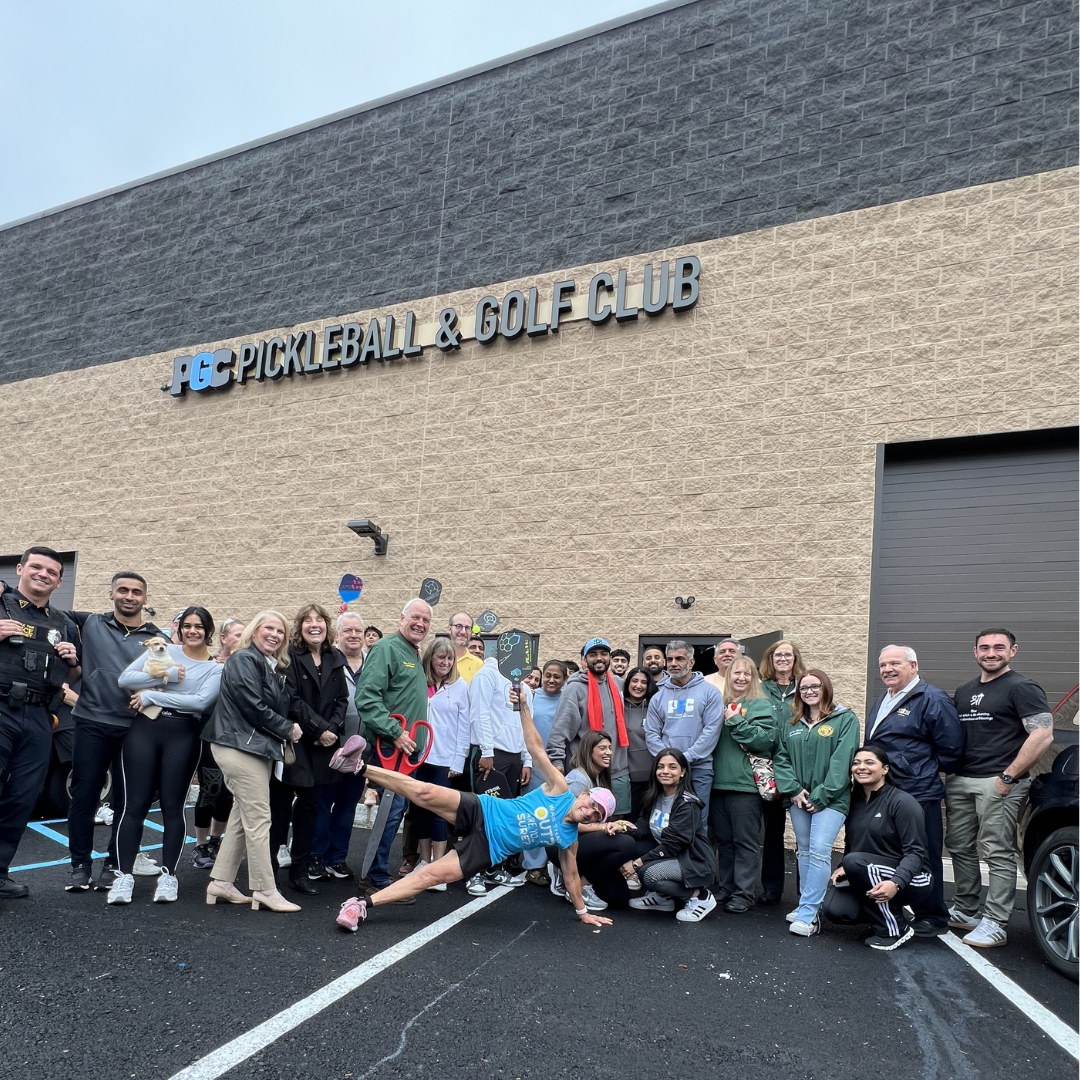
Basit Memon, founder of Montville Pickleball & Golf Club in New Jersey, embodies that story.
Building Something Bigger Than Courts
Coming from a customer service and retail background, Basit didn’t have a roadmap when he opened Montville Pickleball & Golf Club just five months ago. It was simply a passion for people and an eye for opportunity.
What started as a leap of faith has quickly grown into one of the most welcoming and fast-growing pickleball communities in his region. The club has already registered nearly 2,000 players, launched DUPR events, and added unlimited memberships that continue to grow every week.
“I thought it would be easy,” Basit said, laughing. “I told my dad I’d have my feet up on the desk. Now he calls me and says, ‘Are your feet up yet?’ And I tell him, ‘No, I’m running!’”
He might be running... but it’s working.
Finding Support Before Launching His Pickleball Club
Before Montville even opened its doors, Basit reached out to DUPR for guidance. That’s how he met Mehdi, his DUPR Account Manager, who helped him every step of the way.
“In the beginning, I was asking the dumbest questions,” Basit said. “But Mehdi was always patient, always answered, and even came to my club to play with my members. He helped me build my first high-level group. I’m really lucky to have met him.”
That partnership gave Basit a foundation of trust, structure, and confidence before his first customer even walked through the door.
A Club Built on Connection
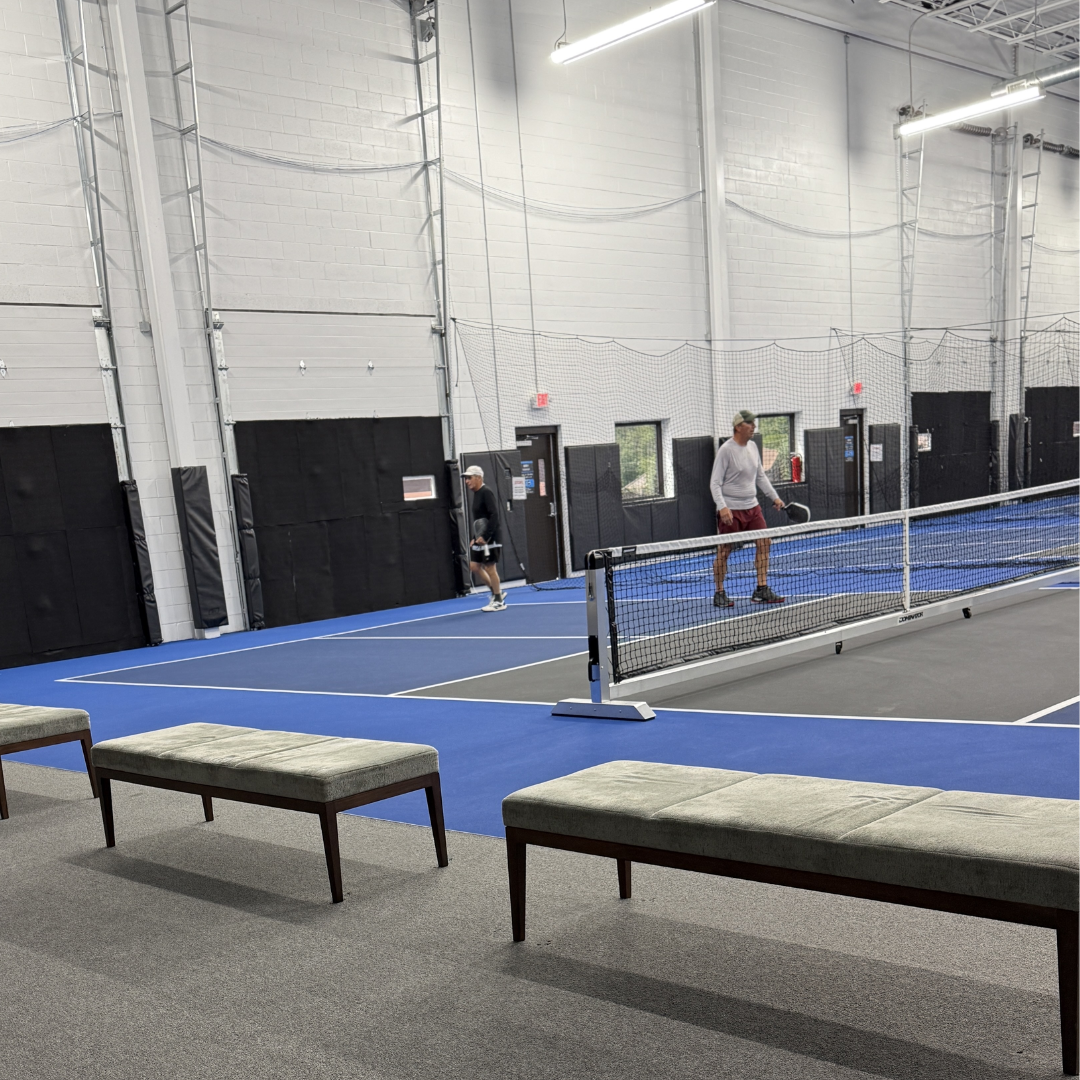
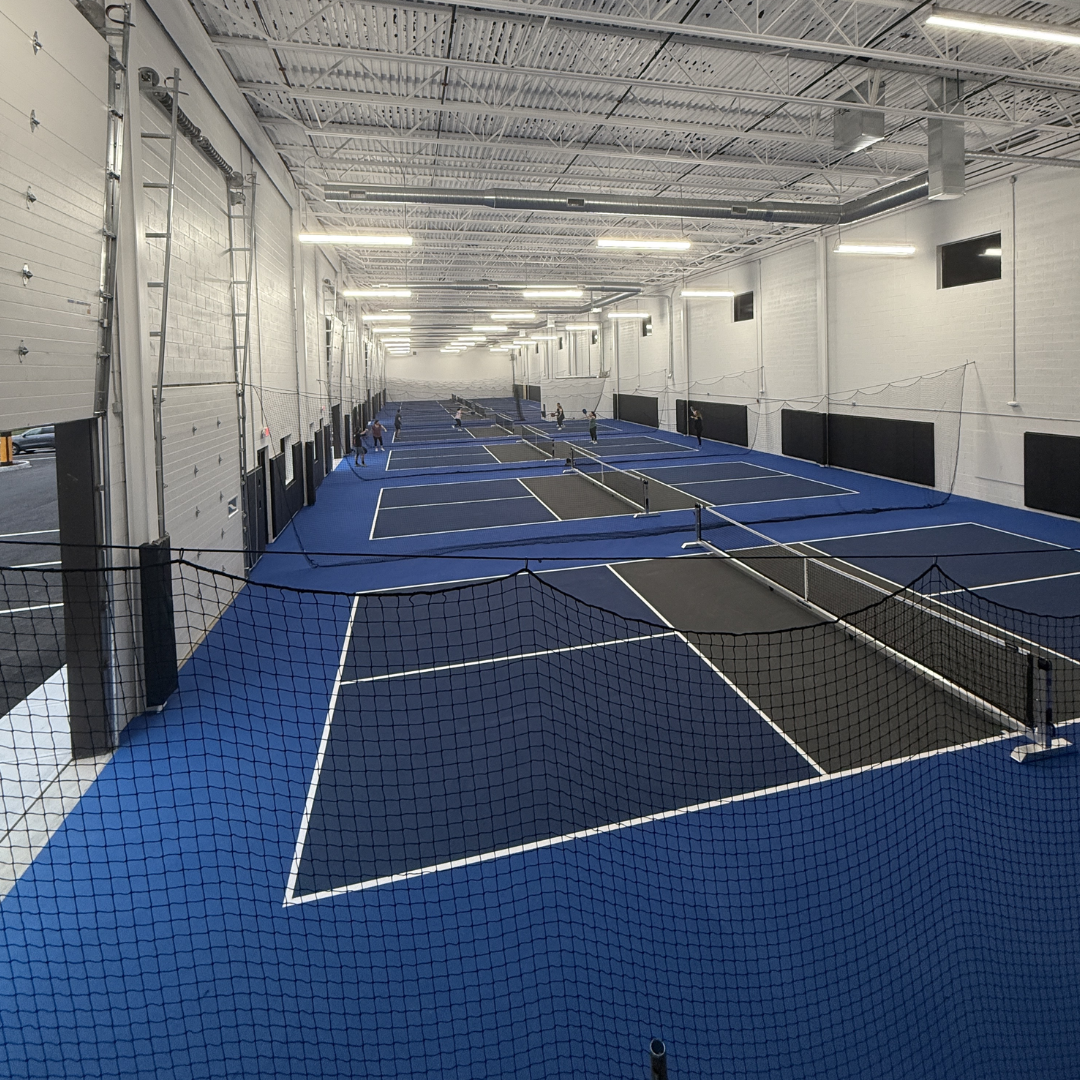
Montville Pickleball & Golf Club isn’t flashy. There are no neon signs or lounge spaces. Instead, every inch of the facility was designed with players in mind, from high-quality floors and lighting to the welcoming atmosphere that keeps people coming back.
And the most noticeable difference? Basit himself.
He’s not just the owner; he’s the greeter, the scheduler, and the heartbeat of the place.
“I don’t use the automatic check-in feature,” he said. “I want to greet every player. I want to know your first name, how you play, and what makes you come back.”
In the first five months, Basit logged more than 3,200 hours at his club. His members often describe the environment as welcoming, energetic, and personal.
“My space doesn’t have the bells and whistles,” he said. “But it has great floors, great lights, and great people. That’s what matters.”
How DUPR Powers His Club’s Growth
Basit uses DUPR to run club events, log matches, and now, as he completes his DUPR Coach Certification, he’s helping new players get rated to track their progress.
“Players ask about DUPR all the time,” he said. “Now I can guide them, help them get rated, and make sure their matches are balanced and fun. It’s a great way to connect players at all levels.”
Through DUPR, Montville Pickleball & Golf Club has built a reputation for fairness, structure, and inclusivity, where players feel their improvement is measurable and meaningful.
Advice for New Club Owners
When asked what he’d tell others opening a pickleball club, Basit’s advice was simple:
“Listen to your players. What works in one place might not work in another. Be open, adapt, and never stop learning.”
He also stressed the importance of personal connection:
“The person at the front desk sets the tone. That first hello can make or break a player’s experience.”
A Model for the Future of Pickleball Clubs
In just a few months, Basit has turned Montville Pickleball & Golf Club into a thriving home for players of all levels, a place that captures what pickleball is truly about: community, connection, and growth.
His story shows that you don’t need a background in sports management to succeed. You just need the right mindset, the right support, and the right system, and for Basit, that system was DUPR.
“I didn’t come from pickleball,” he said. “But DUPR helped me understand the sport, build my programs, and connect players. It’s made my club better, and it’s made me a better leader.”
The Takeaway
Montville Pickleball & Golf Club stands as a reminder that the future of pickleball belongs to those who care not just about games, but about people.
With DUPR, Basit is not only helping players track their progress, but he is also helping them feel part of something bigger.
Because when every match counts, every connection does too.
If you are interested in opening a pickleball club, fill out this form and get help before you launch!
Clubs
Community
July 21, 2026
DUPR and Baseline: One Rating for Asia's Growing Pickleball Ecosystem
Asia's pickleball community has been one of the fastest-growing anywhere in the world, and that growth deserves a rating system that keeps pace with it.
We're excited to share that Baseline is transitioning to DUPR as its exclusive rating system across its tournament and event platform. Going forward, matches played through Baseline will feed directly into a single, unified DUPR rating, giving players and tournament organizers one consistent standard to build around.
This move is about clarity. As more players enter the sport and more tournaments get organized, a single rating system means fairer seeding, more accurate skill tracking, and less confusion for players moving between clubs, leagues, and events.
“Multiple rating systems cause division and confusion for players and tournament organisers. We are delighted to be on the same page as Baseline to move things forward together on a unified front to exclusively use the DUPR rating system.” - Tito Machado, CEO
To support the transition, DUPR is rolling out new tools for Baseline's tournament directors, including streamlined match submission, coach certification pathways to help rate new players quickly, and ongoing technical support around the realities of the Asian pickleball market.
This is the first step in a broader push across Asia, where DUPR is working closely with local platforms to bring players and organizers a single trusted rating, backed by the tools and support to help the sport grow.
We're grateful to the Baseline team for their partnership and look forward to building the future of pickleball together.
Partners
July 20, 2026
OASiS Pickleball Club: 42 Courts and a Growing Community

Located in Rockwall, Texas, Oasis Pickleball Club is the largest pickleball facility in the state. It features 42 dedicated courts, including eight enclosed courts and two championship courts.
Oasis hosts more than 200 events each year, ranging from weekly social gatherings to multi-day tournaments. Amenities include covered courts, a large pavilion, an on-site bar, a pro shop, and a new pizza oven.
From temporary lines to 42 courts

OASiS Beach & Tennis Club opened in 2011 as a destination for beach volleyball and tennis.
Around 2017, a small group of players began adding temporary pickleball lines to a few courts. Those makeshift courts soon became eight permanent courts, then 16, and eventually the 42 dedicated courts at OASiS today.
Director of Pickleball Gene Click now oversees leagues, tournaments, lessons, clinics, open play, social events, and corporate outings. The club offers programming for players of all ages and skill levels.
How OASiS uses DUPR
More than 700 players are registered in the OASiS SWISH community, and most have connected their DUPR profiles.
This integration simplifies registration, player matching, score reporting, and event management for both players and organizers.
OASiS currently hosts three round robins each week and is launching a monthly DUPR-only event for players seeking verified, rating-based competition.

A place to play, compete, and connect
OASiS offers programming for beginners, experienced players, businesses, and large groups.
“More than just a facility, OASiS has become a thriving community where friendships are formed, competition flourishes, and a shared love of pickleball brings people together every day.” — OASiS Pickleball Club
Weekly events such as Thursday Night Pickleball & Pizza give players an opportunity to compete, meet new partners, and build lasting friendships. The club also hosts private parties, corporate outings, charity tournaments, and regional competitions.
What began with temporary court lines has grown into a pickleball destination for players from across the Dallas-Fort Worth area and beyond.
Interested in starting your own DUPR Club? Click here.
Want to see OASiS Pickleball Club in action? Visit OASiS Pickleball Club.
For more club spotlights and pickleball news, visit the DUPR blog.
Community
July 20, 2026
Why Pickleball Clubs Are Betting on Padel
Why Now?
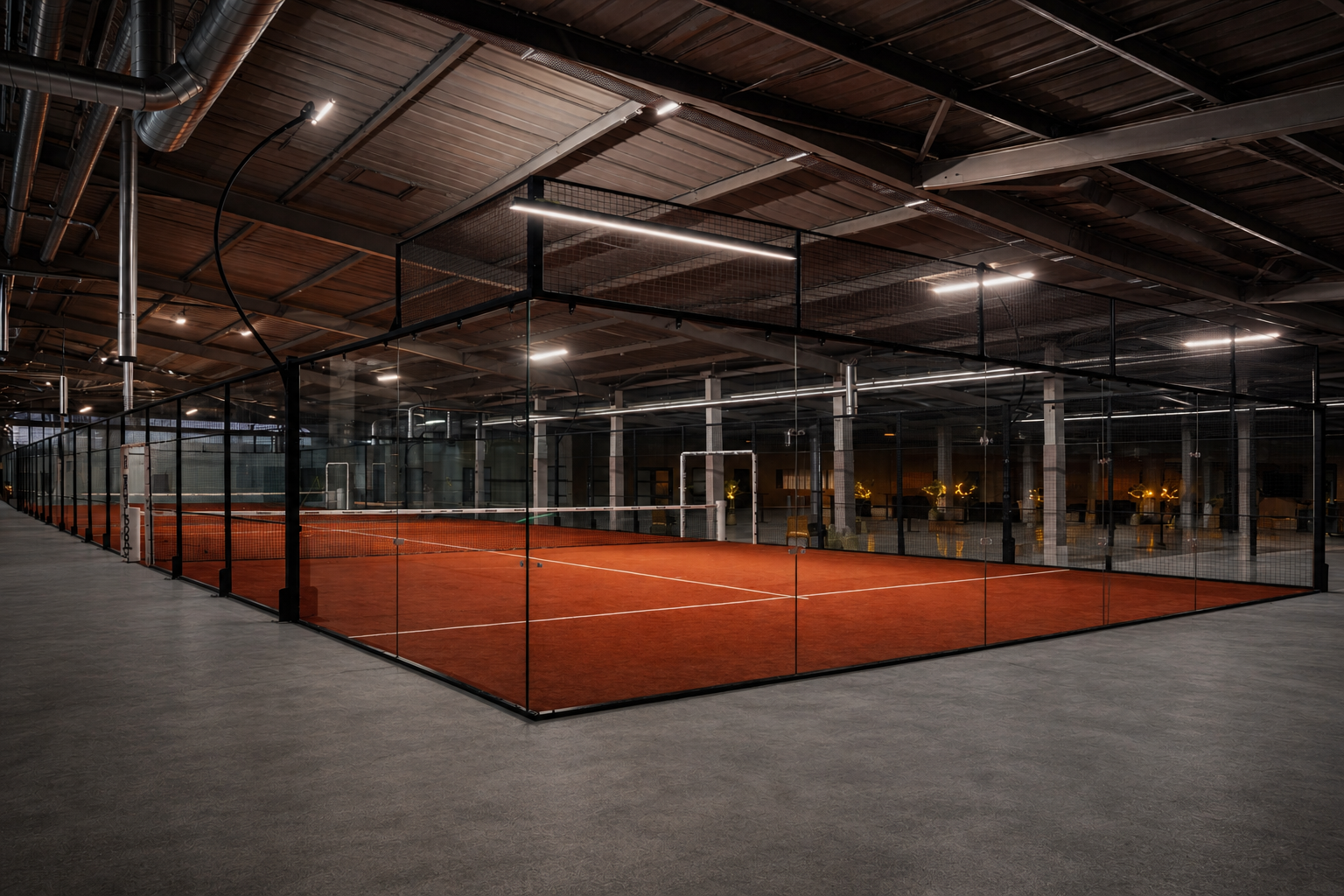
Padel is no longer an emerging sport; it is becoming one of the fastest-growing opportunities in the racquet industry.
- Padel already has more than 35 million players worldwide.
- U.S. participation continues to accelerate, with new clubs opening across the country.
- More private clubs are expanding into multi-racquet facilities that combine pickleball and padel.
Why Clubs Are Expanding Into Padel
For many clubs, adding padel isn’t about replacing pickleball, it’s about expanding the business.
- Reach a new audience while complementing existing pickleball members.
- Increase court utilization throughout the day.
- Create new memberships, coaching programs, and academies.
- Organize leagues, tournaments, and corporate events.
- Build a stronger social community around the club thanks to padel’s doubles format and highly engaging playing experience.
Thinking about adding padel to your facility? The experts at The Padel Lab help clubs evaluate demand, plan new courts, and launch successful padel programs. Explore their club resources and case studies here.
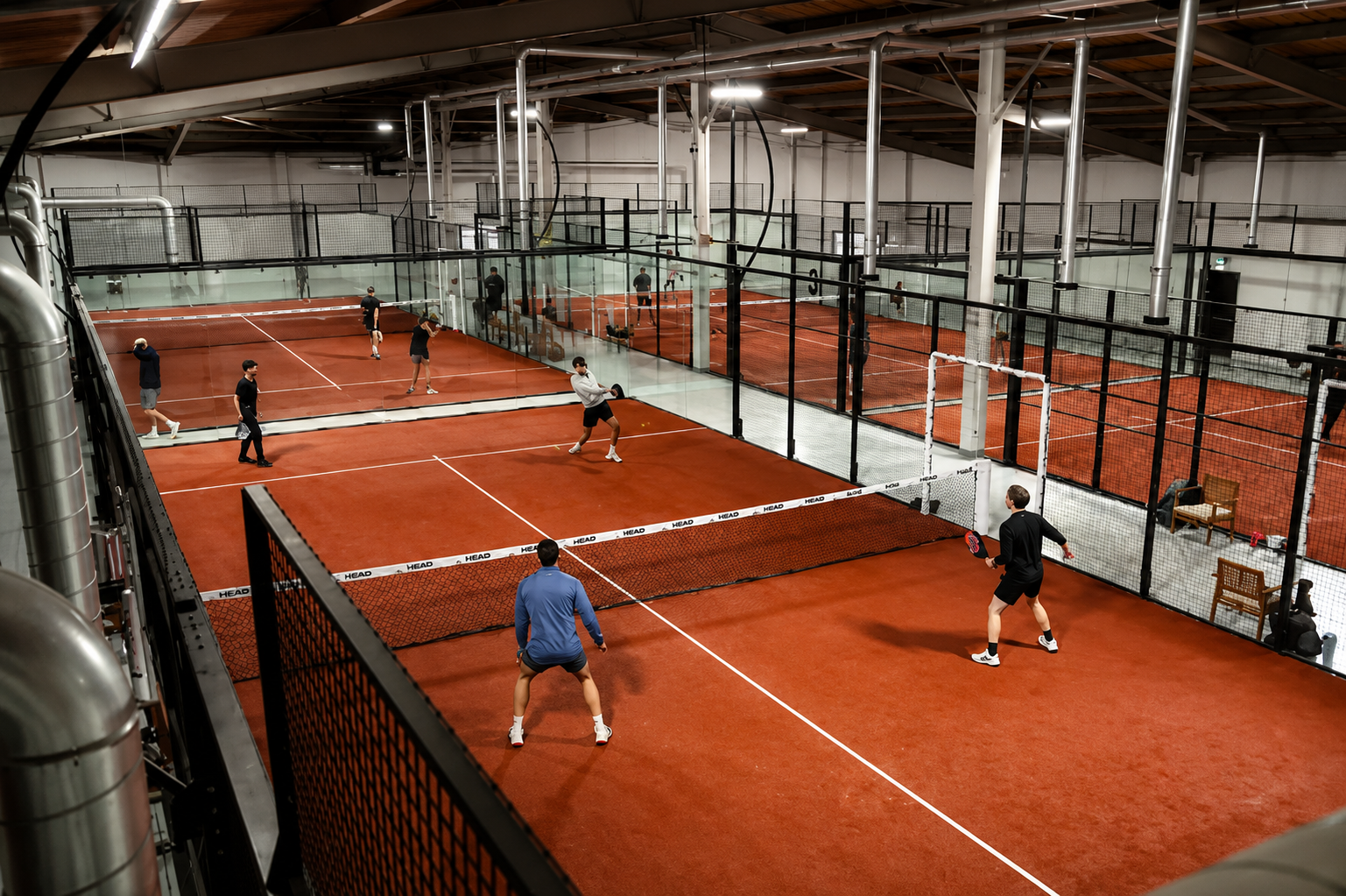
Case Study: The Court in Glasgow, Scotland
;For pickleball clubs looking to grow their offering, padel can be a natural next step. The Court in Glasgow is a strong example: as the city’s first indoor padel club, it was conceived as a multi-racquet destination, with four padel courts alongside two pickleball courts.
Known for its active community and events programme, The Court shows how combining both sports can create more reasons for players to visit, compete and connect; while giving clubs a broader, more flexible proposition for new and existing members.
What Makes a Good Padel Project?
The most successful padel projects usually have a few things in common:
- Evaluate the available space and future expansion possibilities.
- Understand local demand before making the investment.
- Design the right court layout for both playability and operations.
- Choose high-quality infrastructure built for long-term performance.
- Plan leagues, coaching programs and events from day one to maximise court usage.
Whether you're exploring your first court or planning a larger multi-racquet facility, The Padel Lab offers practical guidance, planning expertise, and turnkey solutions to help clubs make informed investment decisions.
No items found.