No matching results.
Search results
February 5, 2026
College Pickleball Super Regional Heads to Virginia
Schedule, What to Expect, and Players to Watch
The College Pickleball Tour rolls into Virginia this February with a Super Regional that will have major implications for the road to Nationals. With bids on the line, top programs from across the region will converge for a packed weekend of team play, challenger brackets, and high-level individual matchups.
Here’s everything you need to know heading into the event.
Event Location & Facility
The Super Regional will be hosted at Performance Pickleball RVA, one of the premier pickleball facilities in the Mid-Atlantic. Known for its competitive environment, adaptive pickleball programs and strong coaching presence, Performance Pickleball RVA has become a hub for elite-level play, and it’s a fitting stage for a college pickleball tournament of this magnitude.
Tournament Schedule Overview
Saturday – February 7
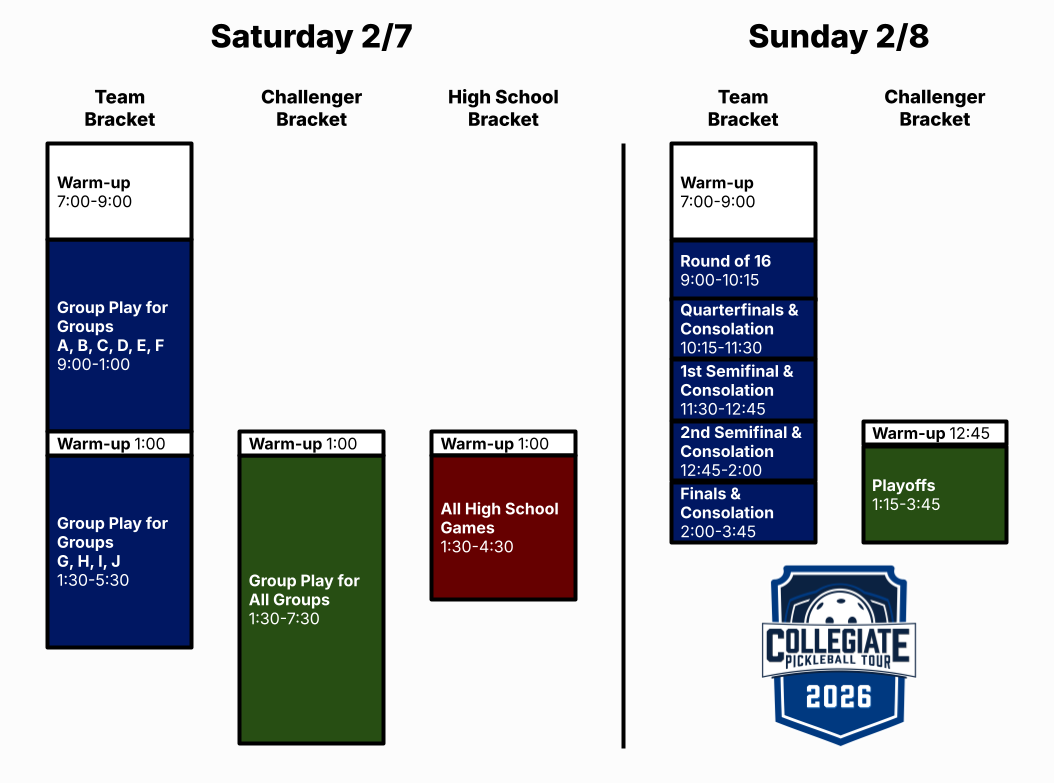
What’s at Stake: College National Championship Qualification
This Super Regional will award 3 bids to College Nationals to the highest-performing teams that do not already have a bid.
Teams Competing at The First Spring Super Regional:
- Carnegie Mellon
- Coastal Carolina
- Davidson
- Delaware
- Duke
- ECU
- George Washington
- James Madison (JMU)
- Liberty
- George Mason
- NC State
- Randolph Macon
- Stanford
- Towson
- UNC Charlotte
- Maryland
- UVA
- Villanova
- Virginia Tech
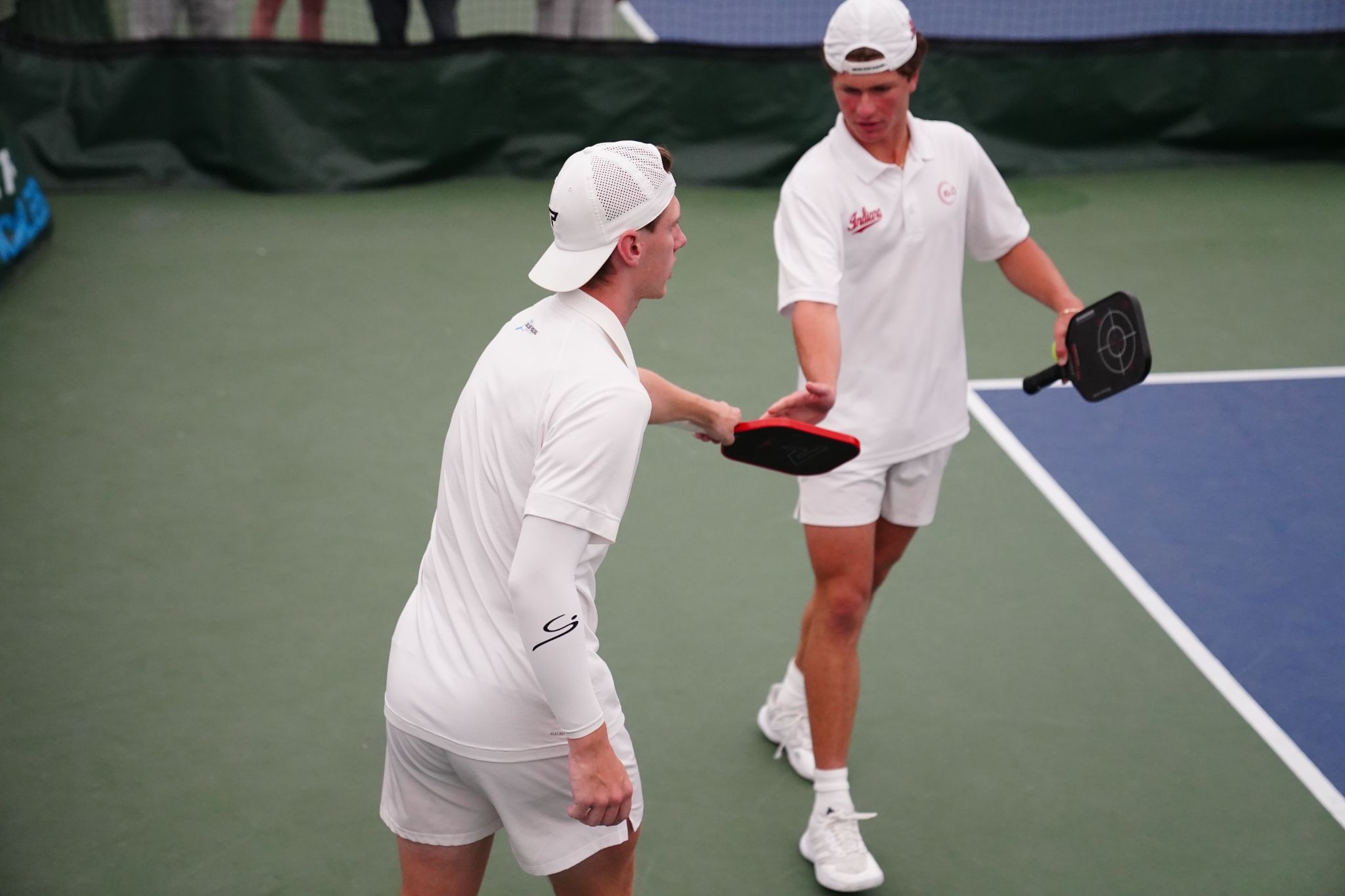
Teams Still Chasing a Nationals Bid
- Carnegie Mellon
- Coastal Carolina
- Davidson
- Duke
- ECU
- George Washington
- George Mason
- Randolph Macon
- Stanford
- Towson
- Maryland
- Villanova
With only three bids available, expect aggressive lineups, strategic pairings, and very little margin for error.
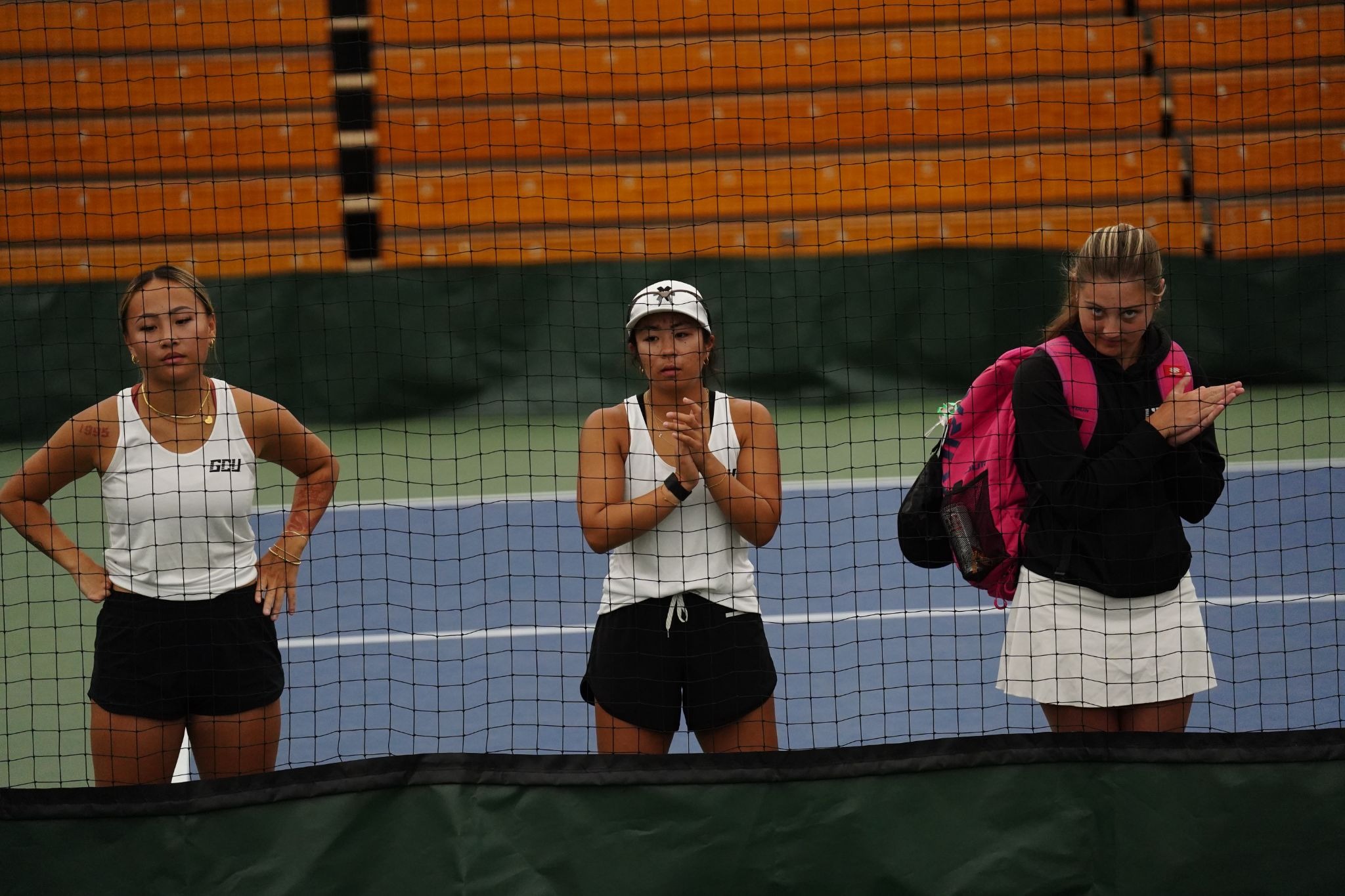
Players to Watch
Men
- Ryan Morneau (JMU) – 5.773
- Alex Guy (UNC Charlotte) – 5.674
- Kristian McGill (Coastal Carolina) – 5.405
- Chase Brautman (NC State) – 5.312
Women
- Isabella Hoang (Stanford) – 5.221
- Alexandra McDonald (UVA) – 5.05
- Vivianne Pham-Ngo (UVA) – 4.773
- Alexandra Daley (UVA) – 4.701
These players are expected to be central to their teams’ success, especially in tight group play and elimination rounds where depth and consistency matter.
Event Partners & Sponsors
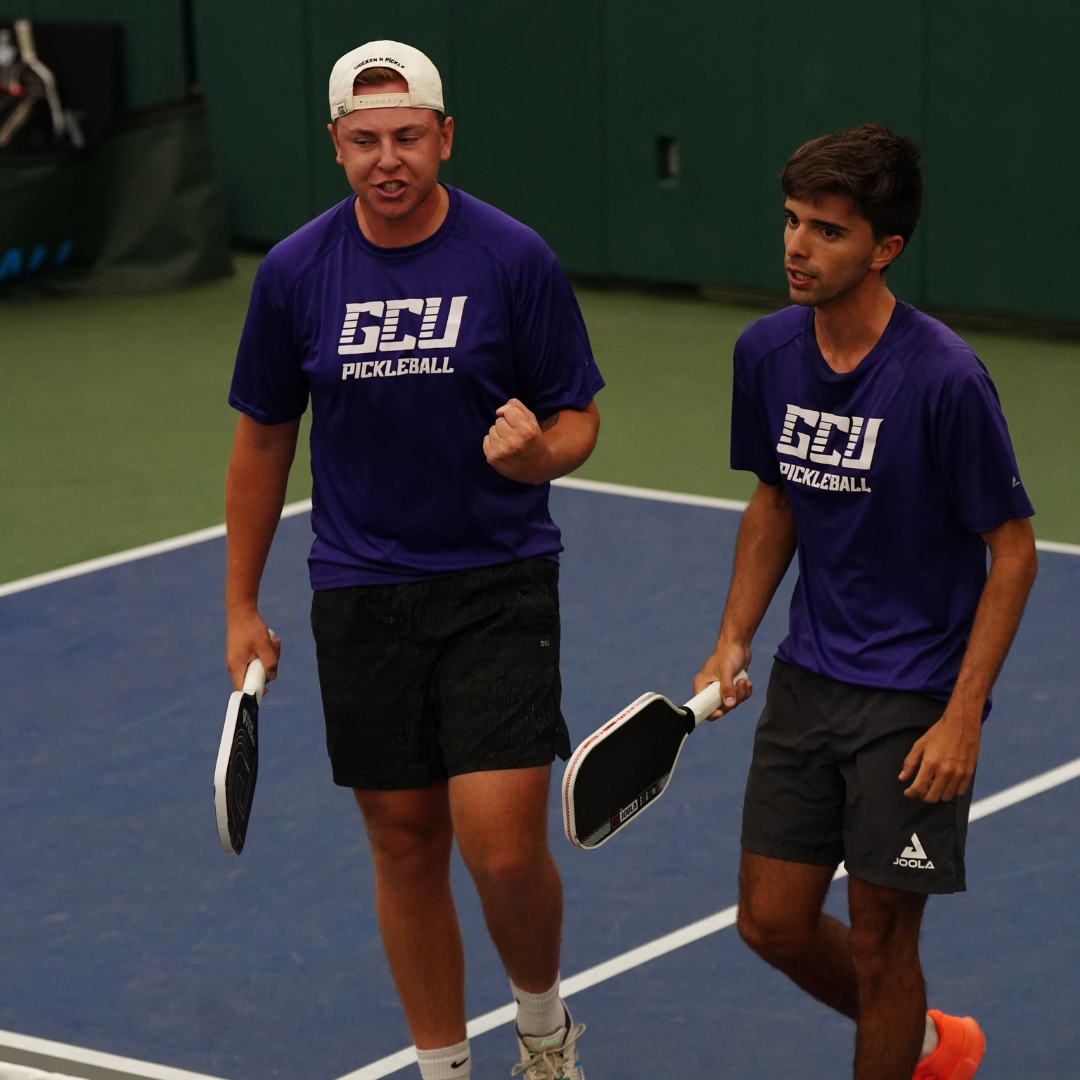
This Super Regional is supported by a strong lineup of partners helping elevate collegiate pickleball:
- JOOLA
- Centerline
- Sqairz
- C&D Nets
- No Apologies
With the season ramping up and Nationals on the horizon, the Virginia Super Regional is shaping up to be one of the most consequential stops on the College Pickleball Tour.
To stay up to date, make sure to follow @duprpb and @collegiatepickleball
College
Community
Pickleball Tournaments
February 4, 2026
DUPR and the Rossetti Brothers Launch Pickleball Volley Challenge to Support Cancer Survivors
February 4, 2026, World Cancer Day
On World Cancer Day, DUPR (Dynamic Universal Pickleball Rating) announced a partnership with world-record holders and DUPR Coaches Angelo A. Rossetti and Ettore Rossetti to launch a new community-driven initiative supporting cancer survivors through the sport of pickleball. Aligned with the 2025–2027 World Cancer Day theme, “United by Unique,” the initiative reflects a shared commitment to finding new ways to create impact together.
The Pickleball Volley Challenge invites participants from across the pickleball community to challenge the 113-volley, one-minute record set by the Rossetti Brothers. Launching on February 16, the initiative is designed to unite the sport through friendly competition while driving meaningful charitable impact, culminating on World Pickleball Day, October 10, 2026.
Participants are encouraged to:
- Record their first attempt at breaking the 113-volley record with a partner
- Donate to a cancer survivor cause through DUPR’s website
- Nominate three people each to continue the challenge and spread awareness
The challenge is intentionally simple, fun, and inclusive, making it easy for players of all levels to participate while supporting those who have fought, and are still fighting, cancer.
For the Rossetti Brothers, this cause is deeply personal. After setting the Guinness World Records™ title for the longest pickleball rally in history—16,046 shots in 6 hours and 11 minutes—their mother passed away from pancreatic cancer. Since then, Angelo and Ettore have continued to use record-breaking challenges as a platform to raise awareness and give back to cancer-related causes.
“Purpose has always come before records for us,” Angelo A. Rossetti shared. “This challenge is about honoring our mom and helping others through the power of sport and community.”
Participants are asked to use the following hashtags when sharing their videos:
#DUPRForCharity #RallyForCharity #PBVolleyChallenge
“Pickleball has an incredible ability to bring people together, and at DUPR we believe it should also be a force for good. Partnering with the Rossetti Brothers on this challenge allows our community to rally around a meaningful cause while honoring the resilience of cancer survivors.” said Tito Machado, DUPR’s CEO.
By uniting pickleball players around a shared goal, DUPR and the Rossetti Brothers hope to spark a global movement, one volley at a time, showing how sport can be a force for good.
About DUPR
DUPR (Dynamic Universal Pickleball Rating) is the premier global pickleball rating system and technology platform, trusted by the world's leading clubs, tournaments, leagues, and players. DUPR's dynamic rating system unifies pickleball across age, gender, and location by analyzing match results to accurately evaluate all players across a 2.000 - 8.000 scale. DUPR is the official pickleball rating of leagues, tournaments and clubs around the world, including United Pickleball Association (UPA), Professional Pickleball Association (PPA), Major League Pickleball (MLP), Pickleball.com, Life Time, The Picklr, National Team Pickleball League, National Pickleball League. It also owns and operates Minor League Pickleball and Collegiate Pickleball, two of the biggest amateur leagues in the sport. Players and operators can visit www.dupr.com to sign up and learn more.
About The Rossetti Brothers
Identical twins, Angelo & Ettore, collectively known as The Rossetti Brothers — are certified coaches and professional players. They have set four Guinness World Record® titles, including the Longest pickleball rally (16,046) and volley (10,532). They’ve been featured in the printed Guinness World Records book 4 times, the most recent in the 2026 edition.The Rossetti Brothers teach and coach pickleball in Connecticut and across New England, including Pickleville in New Haven, CT, their home club. The brothers are certified RSPA (Racquet Sports Professionals Association) and DUPR (Dynamic Universal Pickleball Rating) coaches, with Angelo being a master professional. They provide professional instruction for players of all ages and levels including aspiring touring pros. The brothers received Save the Children’s Stream Team Humanitarian award in 2020 for raising funds for the organization through their Rally for Charity events. Follow the Rossetti Brothers on the Web: http://www.RossettiBrothers.com, http://www.tennacity.org and on social media@rossettibrotherspickleball or @rallyforcharity, #rallyforcharity or #twinpossible.
Media Contacts:
For DUPR:
Jimena Garbino, Digital Marketing & Public Relations Specialist
jimena@mydupr.com
For The Rossetti Brothers:
Angelo A. Rossetti media@rossettibrothers.com
Community
Partners
February 3, 2026
Ranking the Top College Pickleball Clubs Across the U.S.
Across the U.S., student-run pickleball clubs are building real communities, logging thousands of matches, and setting a new standard for competitive college play. Using data from DUPR, we took a deep dive into the numbers to see which programs are leading the way.
Below, we break down the Top 10 College Pickleball Clubs across four key categories:
- Total members
- Matches played
- Reliable players
- States producing the most college clubs
Top 10 College Pickleball Clubs by Total Members
Membership size matters: it reflects recruitment, visibility on campus, and consistent engagement.
Leaders in Membership
- University of Virginia: 505 members
- University of Florida: 490 members
- Virginia Tech: 347 members
- Purdue University: 334 members
- University of Wisconsin–Whitewater: 299 members
- Indiana University: 254 members
- Case Western Reserve University: 191 members
- Embry-Riddle Aeronautical University:181 members
- Duke University: 180 members
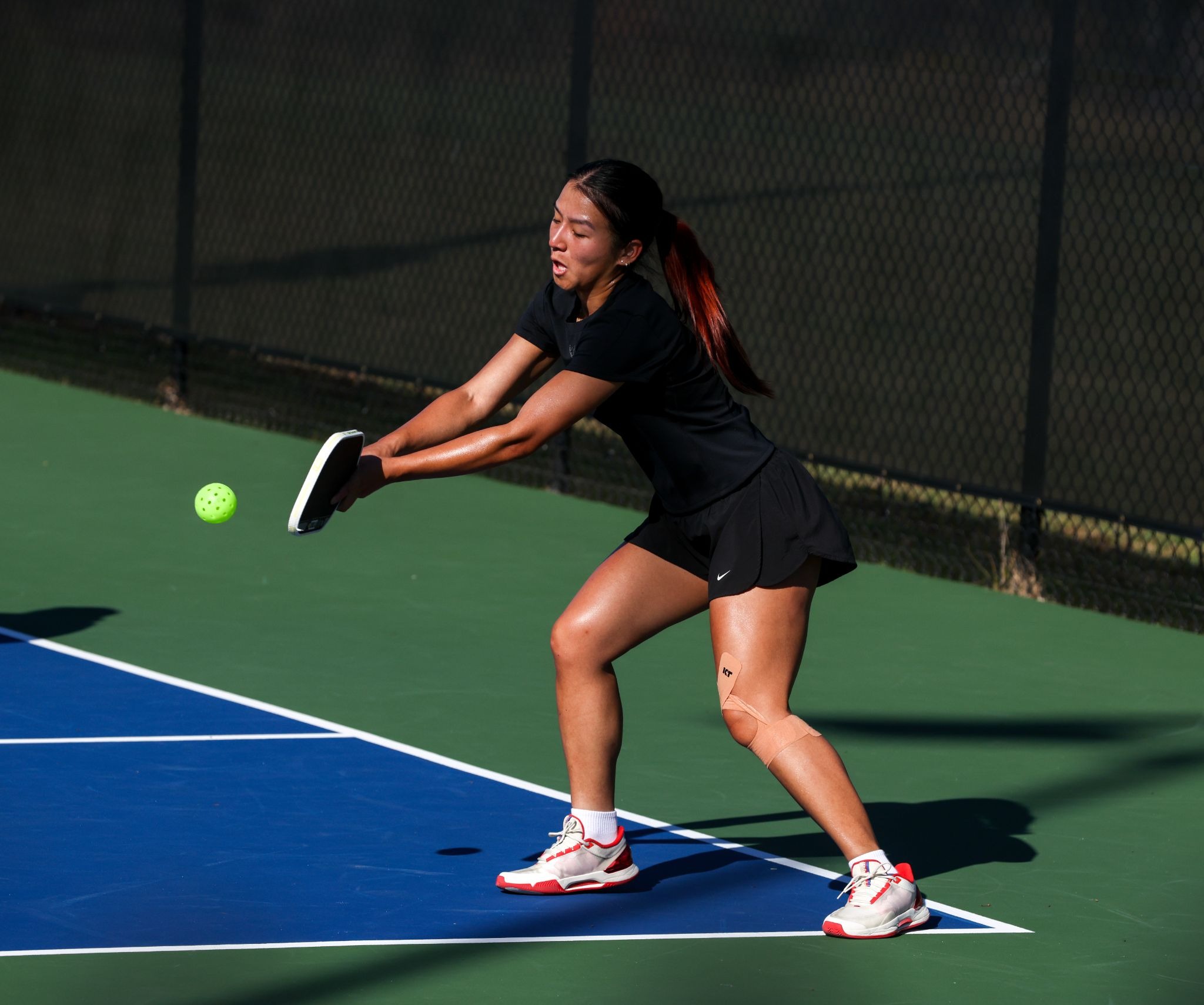
These programs operate as structured student organizations, not just teams. UVA and Florida lead the way, each nearing or exceeding 500 members, reflecting pickleball’s growing presence on campus.
Top 10 College Clubs by Matches Played
Membership is one thing but matches played show commitment.
Top Clubs by Match Volume
- Virginia Tech: 600 matches logged
- University of Iowa: 392 matches logged
- Purdue University: 379 matches logged
- University of North Alabama: 249 matches logged
- North Carolina State University: 239 matches logged
- University of Florida: 235 matches logged
- Embry-Riddle Aeronautical University: 216 matches logged
- Florida State University: 194 matches logged
- University of Tennessee–Chattanooga: 190 matches logged
- University of Alabama: 183 matches logged
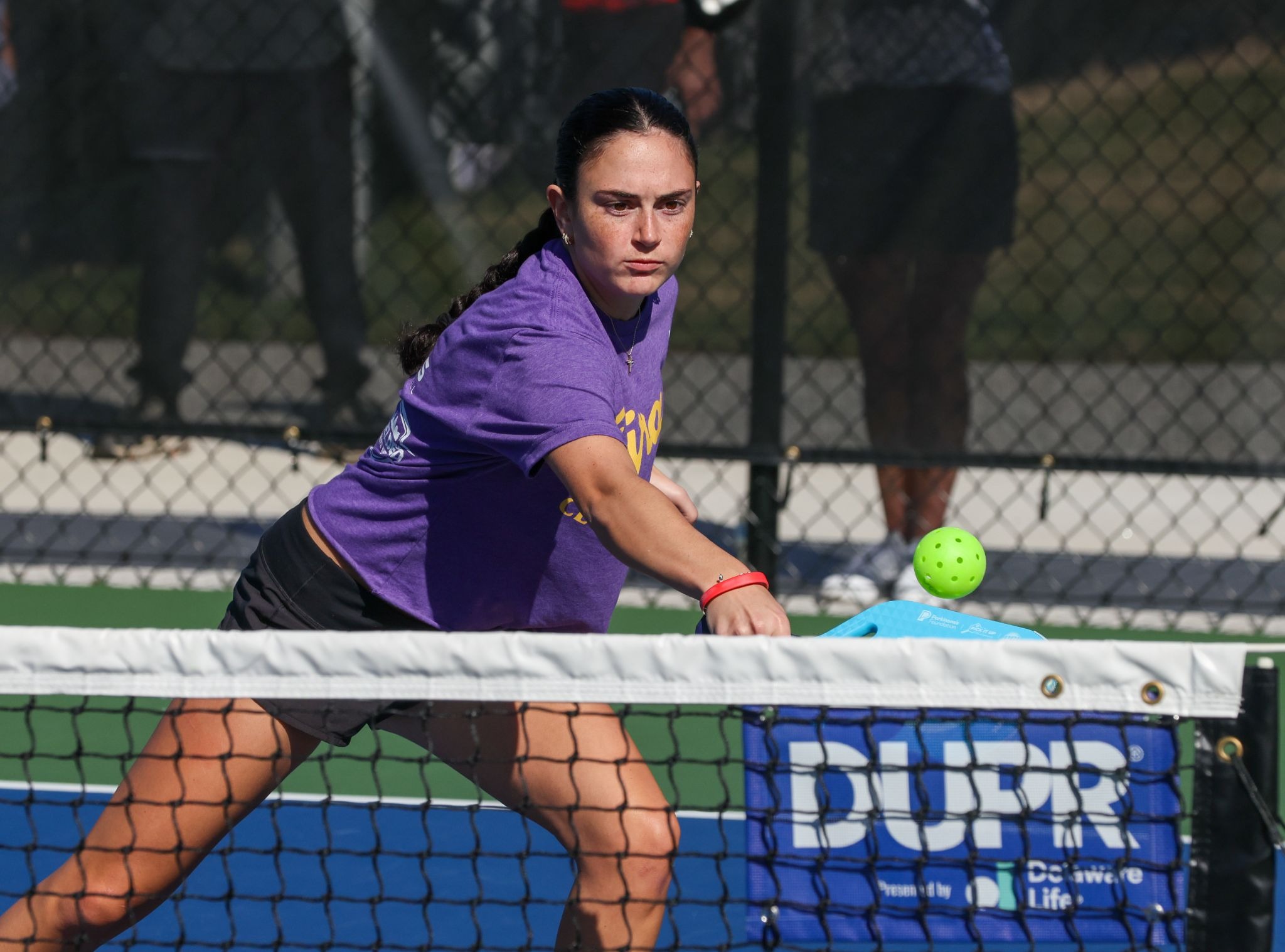
Virginia Tech clearly leads the charge here, logging 600 recorded matches, an incredible sign of weekly play, structured events, and competitive depth.
Top 10 College Clubs by Reliable Members
Reliability scores are a big deal in pickleball. They indicate how much you can trust a player’s rating, and a reliability score above 60 is generally considered strong. The clubs highlighted here stand out because their players consistently record results, forming the backbone of fair, accurate competition.
Most Reliable College Programs
- University of Wisconsin–Whitewater: 111 players
- University of Florida: 92 players
- University of Virginia: 88 players
- University of Alabama: 82 players
- Kennesaw State University: 67 players
- Virginia Tech: 66 players
- George Mason University: 52 players(T7)
- University of North Alabama: 52 players (T7)
- University of Tennessee–Chattanooga: 51players
- Penn State University: 48 players
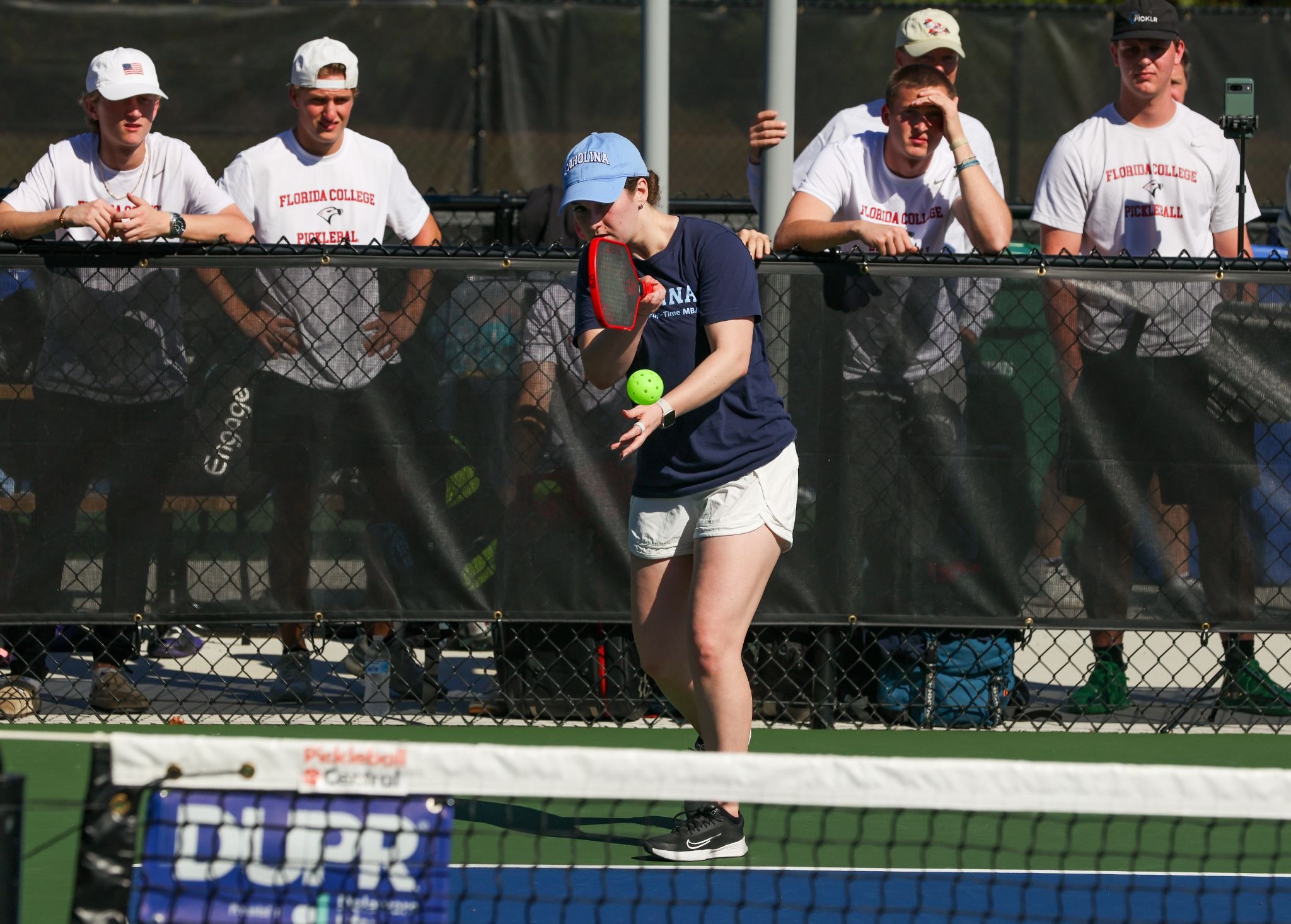
Wisconsin–Whitewater takes the top spot here, proving that quality participation can matter just as much as size.
Top States by Number of College Pickleball Clubs
Some states are emerging as leaders in collegiate pickleball.
College Pickleball Power States
- Florida: 16 college pickleball clubs (T1
- Texas: 16 college pickleball clubs (T1)
- California: 16 college pickleball clubs (T1)
- Virginia: 13 college pickleball clubs
- North Carolina: 12 college pickleball clubs
- Georgia: 10 college pickleball clubs
- Michigan: 9 college pickleball clubs
- Illinois: 8 college pickleball clubs (T8)
- Indiana: 8 college pickleball clubs (T8)
- Pennsylvania: 8 college pickleball clubs (T8)
- South Carolina: 8 college pickleball clubs (T8)
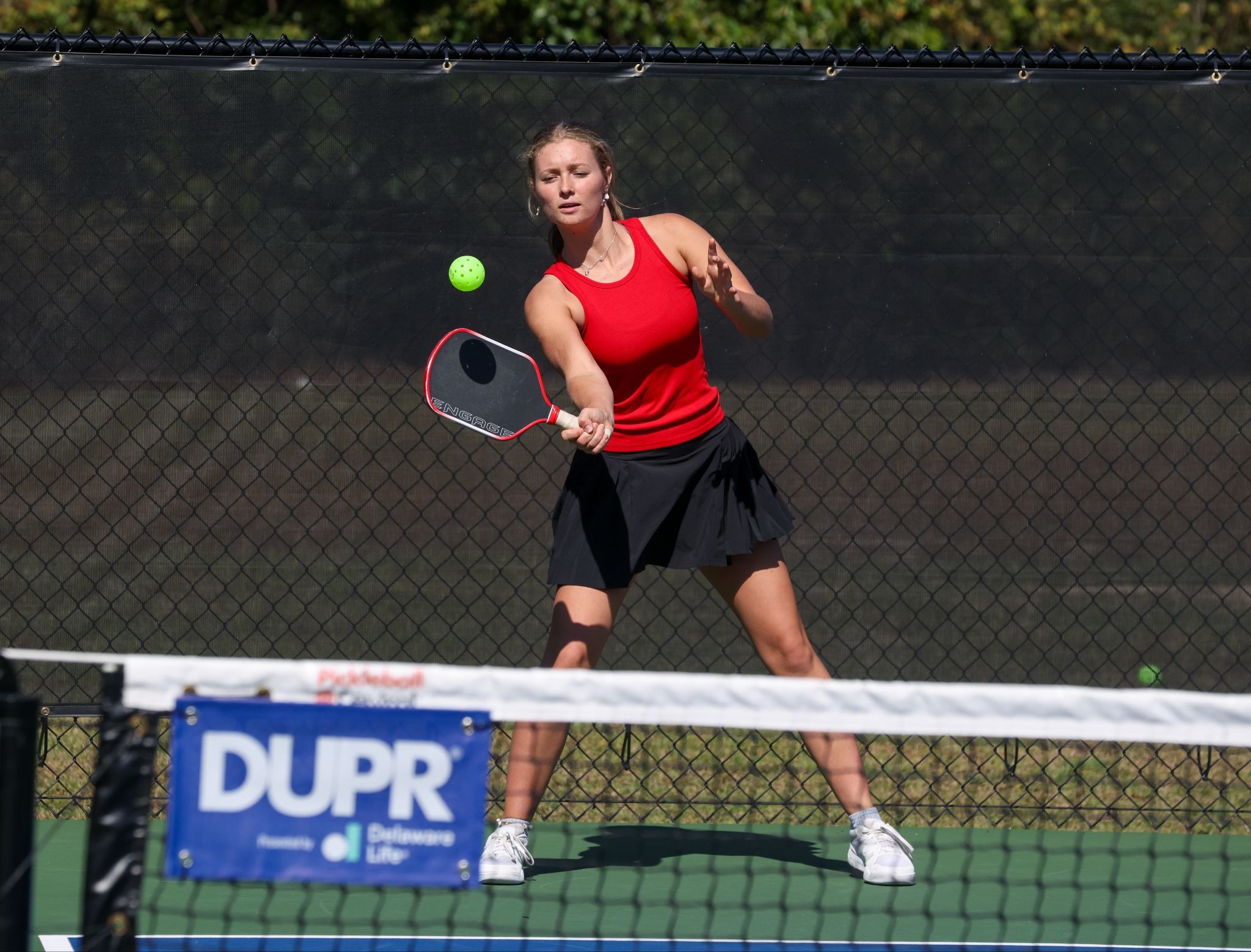
Florida, Texas, and California are tied at the top; no surprise given year-round play, strong rec sports culture, and access to facilities.
What This Means for the Future of College Pickleball
These DUPR rankings tell a bigger story:
- College pickleball is no longer casual-only; it’s organized, competitive, and data-driven
- The strongest programs balance size, activity, and reliability
- Schools investing in structure (leagues, ladders, tournaments) are pulling ahead fast
As the College Pickleball Tour continues to grow, expect these programs to set the standard, and new schools to rise quickly by following their blueprint.
Interested in starting a college pickleball club at your school? Here’s how to get started
Clubs
College
Community
DUPR Ratings
February 3, 2026
Centerline Athletics Named Official and Exclusive Apparel Partner of DUPR
Centerline Athletics, the performance pickleball apparel brand designed by players for players, today announced the continuation of its partnership with DUPR (Dynamic Universal Pickleball Rating) through a new agreement for the 2026 season. Building on a successful collaboration in 2025, the renewed partnership reflects a shared focus on supporting the rapidly expanding Collegiate Pickleball tour and Minor League Pickleball as critical competitive pathways for developing athletes.
As part of the partnership, Centerline Athletics has been named the Official and Exclusive Apparel Partner of DUPR, aligning two organizations that share a commitment to performance, innovation, and the continued growth of pickleball at every level of play.
Through this collaboration, Centerline Athletics will have a strong presence across key DUPR-owned and operated competitive platforms, including collegiate, high school, and developmental league events. The partnership creates meaningful opportunities to connect directly with emerging athletes and competitive communities while supporting DUPR’s mission to unify and elevate the sport through accurate, accessible player ratings.
“DUPR has become the gold standard for measuring performance in pickleball,” says Scott Brown, Managing Director for Centerline Athletics. “This partnership allows us to engage with players where competition and development intersect, while reinforcing our focus on apparel that performs at the highest level of the game.”
DUPR’s data-driven rating system provides players with a universal, objective measurement of skill based on real match play, helping athletes track improvement, find competitive balance, and engage more deeply with the sport. By partnering with Centerline Athletics, DUPR expands its ecosystem to include premium performance apparel designed specifically for the demands of pickleball competition.
“Centerline Athletics understands pickleball athletes and the evolution of the sport,” said Ben Van Hout, Head of Sponsorship and Partnership at DUPR. “Their performance-focused approach and dedication to the community make them an ideal partner as we continue to grow collegiate, youth, and developmental competitive pathways.”
Partners
February 2, 2026
Top DUPR Risers of January
A look at the players who made the biggest moves in the DUPR rankings
The end of the year and start of a new season is often when breakout performances happen and December and January were no exception. From teenagers cracking the Top 50 to established pros making major jumps in new disciplines, these players didn’t just improve their game, they moved the needle in the DUPR pickleball rankings.
Here are the top DUPR risers to watch:
Singles Top Risers
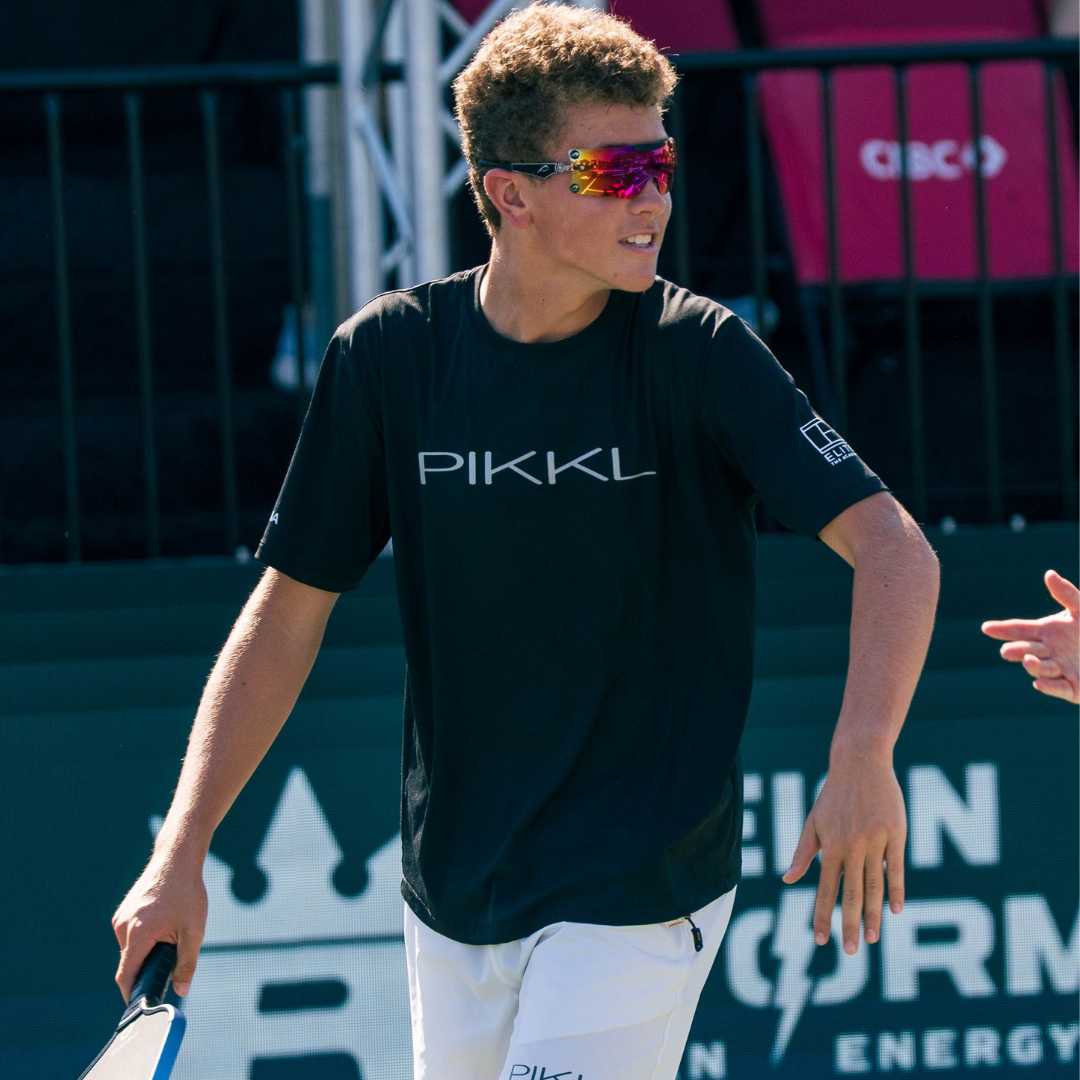
Camden Chaffin
At just 14 years old, Camden Chaffin is already making waves on the pro stage. At the PPA Indoor National Championships in January, he notched impressive wins over top players Donald Young and Federico Staksrud before falling to Chris Haworth in a tight three-game quarterfinal match.
The run marked a major breakthrough for the young standout, as he cracked the Top 50 in the DUPR Men’s Singles Rankings, currently sitting at No. 34 with a 6.273 rating. Camden represents the next generation of elite pickleball talent on the rise.
Kiora Kunimoto
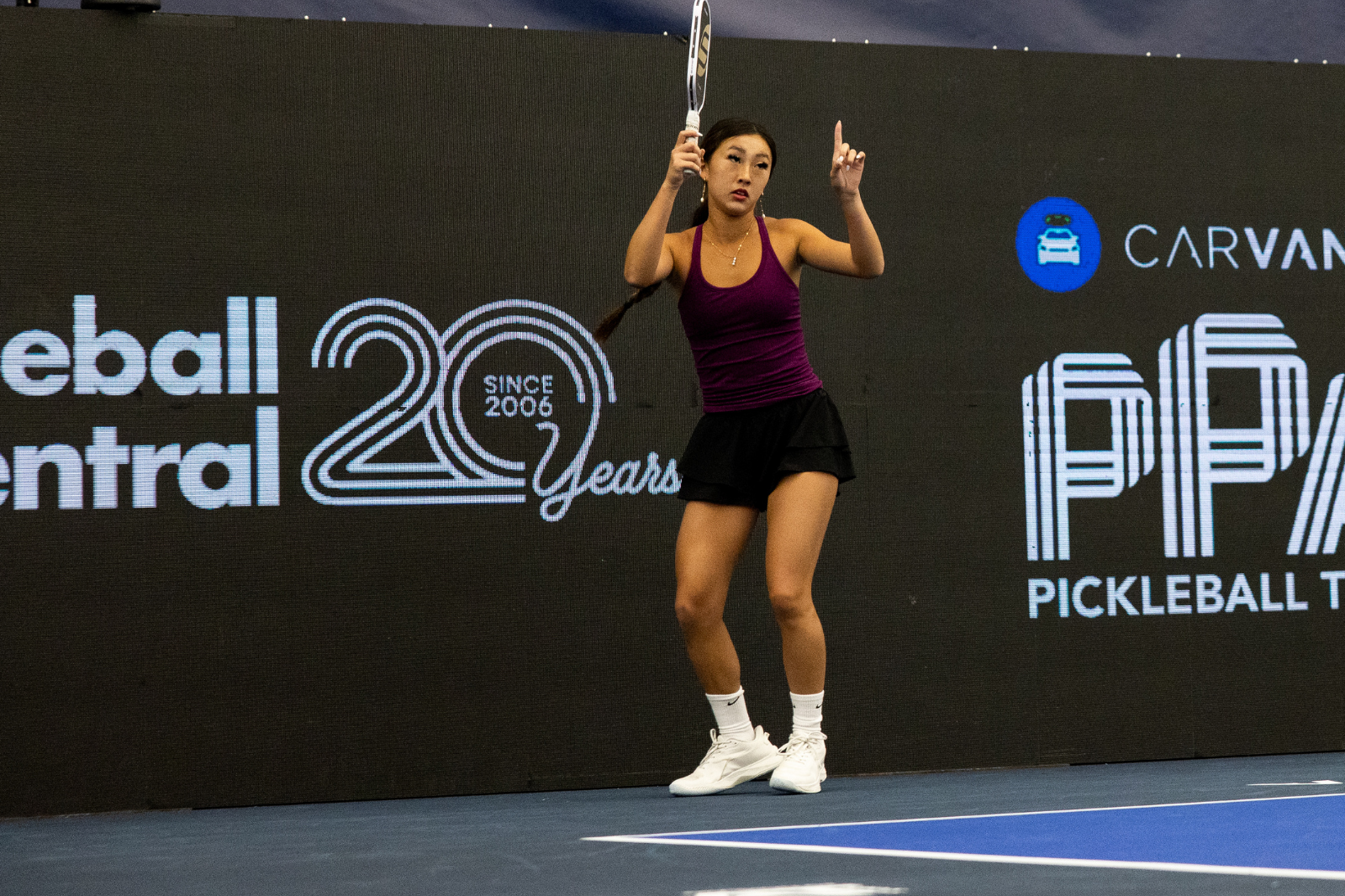
Speaking of next-generation talent making waves, Kiora Kunimoto is doing just that at only 17 years old. The teenager has broken into the Top 25 of the DUPR Women’s Singles Rankings, making a massive jump from a 5.469 to a 5.720 rating, good for No. 13 overall. Not bad for a teen!
Kiora continued her strong run with a 4th-place finish in singles at the PPA National Indoor Championships in January, earning impressive wins over Hannah Blatt, Chao Yi Wang, and Brooke Buckner. Another clear sign that the future of pickleball is already here.
Keilly Ulery
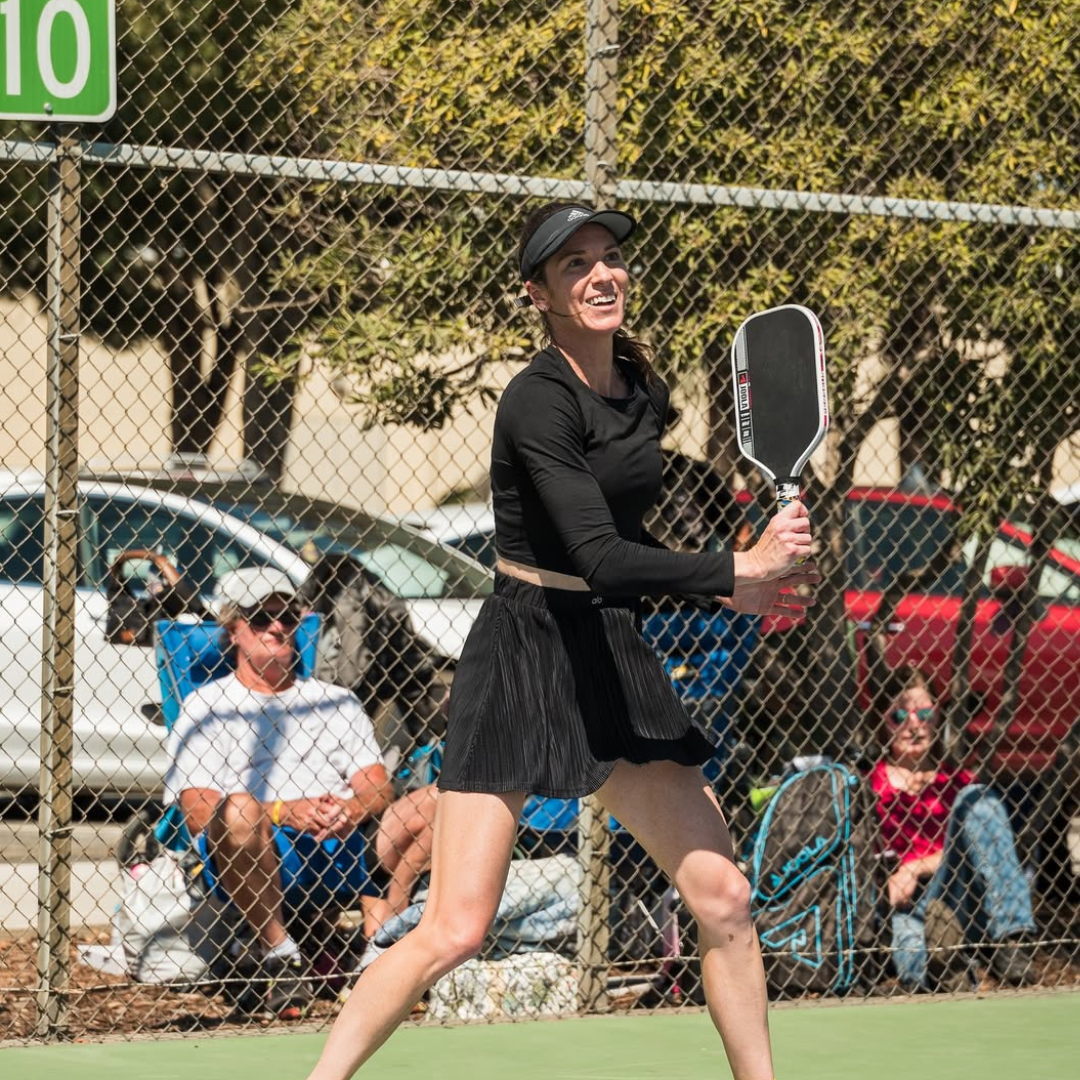
Keilly Ulery has officially broken into the Top 50 of the DUPR Women’s Singles Rankings, jumping an impressive 29 spots to No. 42. Her rise has been well earned. Competing primarily on the PPA Challenger circuit, Ulery has been a consistent presence on the podium and recently captured her first singles gold medal at the PPA Tucson Challenger in January. With that breakthrough win, she’s clearly ready for the next step, and we’re excited to see more of her on the PPA Tour.
Doubles Top Risers
Christopher Haworth
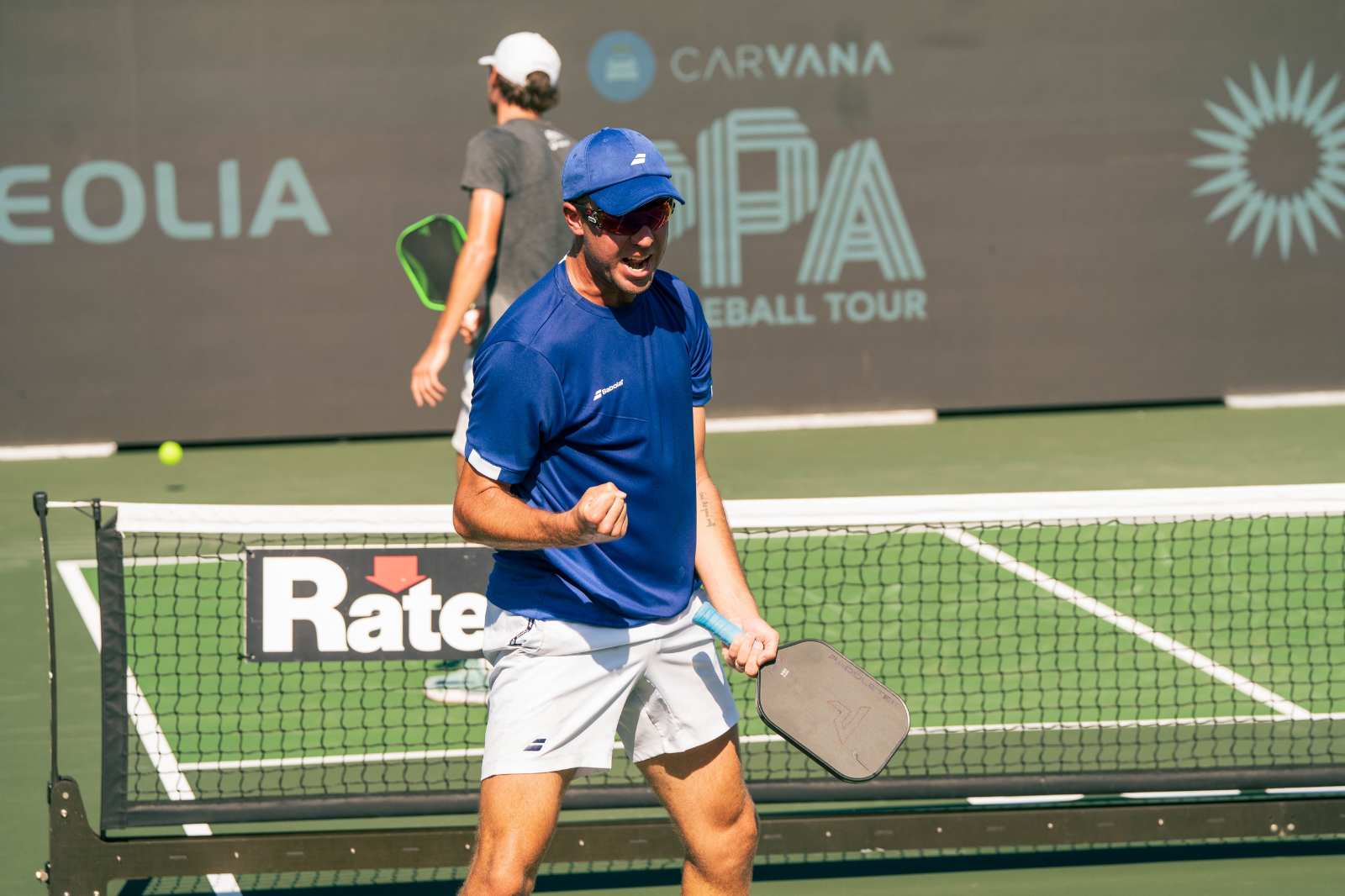
In pickleball, singles and doubles are two very different games. Christopher Haworth is arguably the top men’s singles player on tour right now, and it’s been exciting to watch his rapid improvement on the doubles side as well. Haworth jumped an impressive 31 spots to No. 52 in the DUPR Men’s Doubles Rankings. sitting just outside the Top 50. His doubles game has come a long way, and a breakthrough into the Top 50 feels imminent in the next couple of months.
Riley Bohnert
Riley Bohnert has been a regular competitor on the APP Tour and has now broken into the Top 50 of the DUPR Women’s Doubles Rankings, jumping 23 spots to No. 44. Training out of South Florida, which is home to many of the sport’s elite, it’s no surprise to see a noticeable rise in her game. At just 21 years old, Bohnert still has plenty of runway ahead, and you can expect to see much more from her as she continues to develop and compete at a high level.
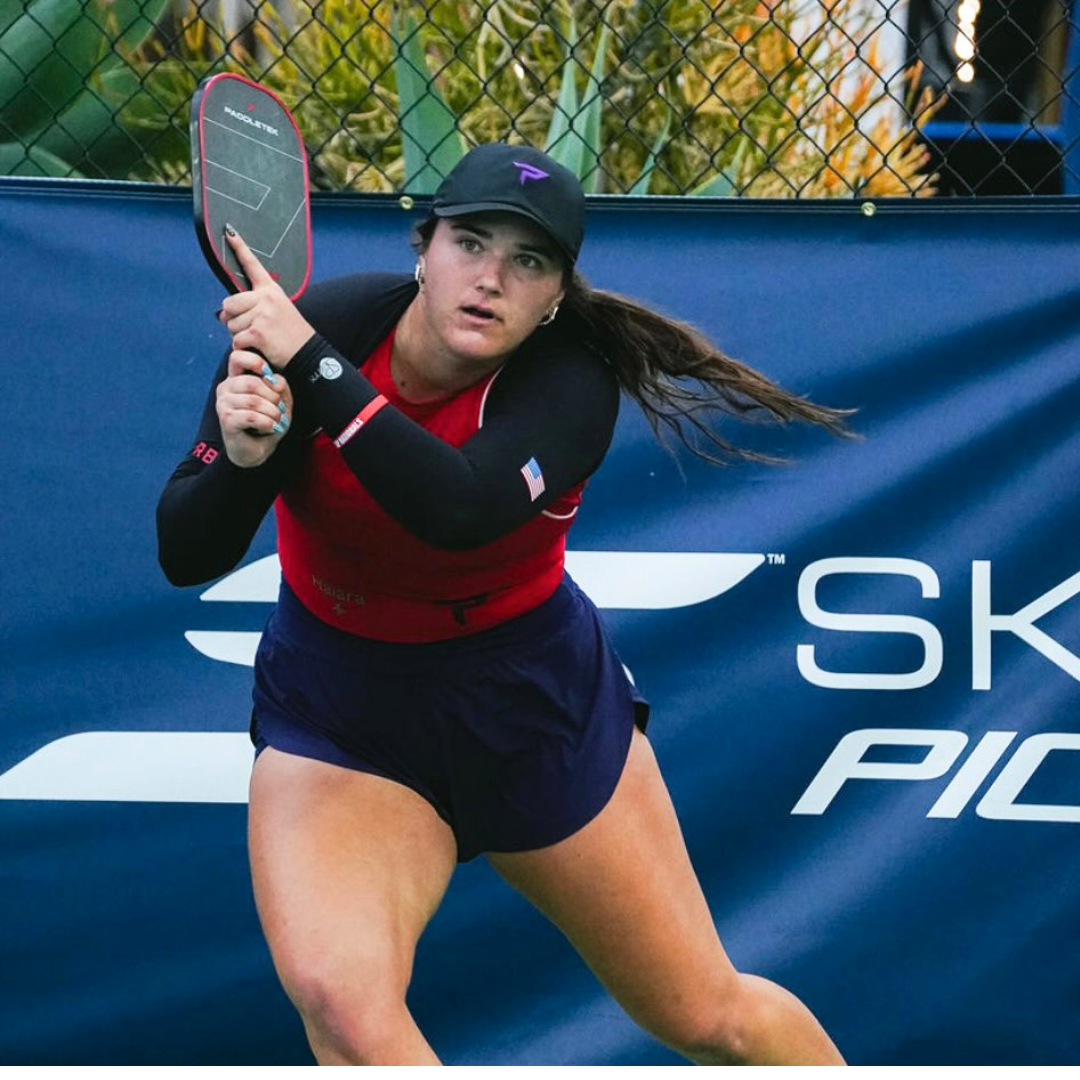
Nicola Schoeman
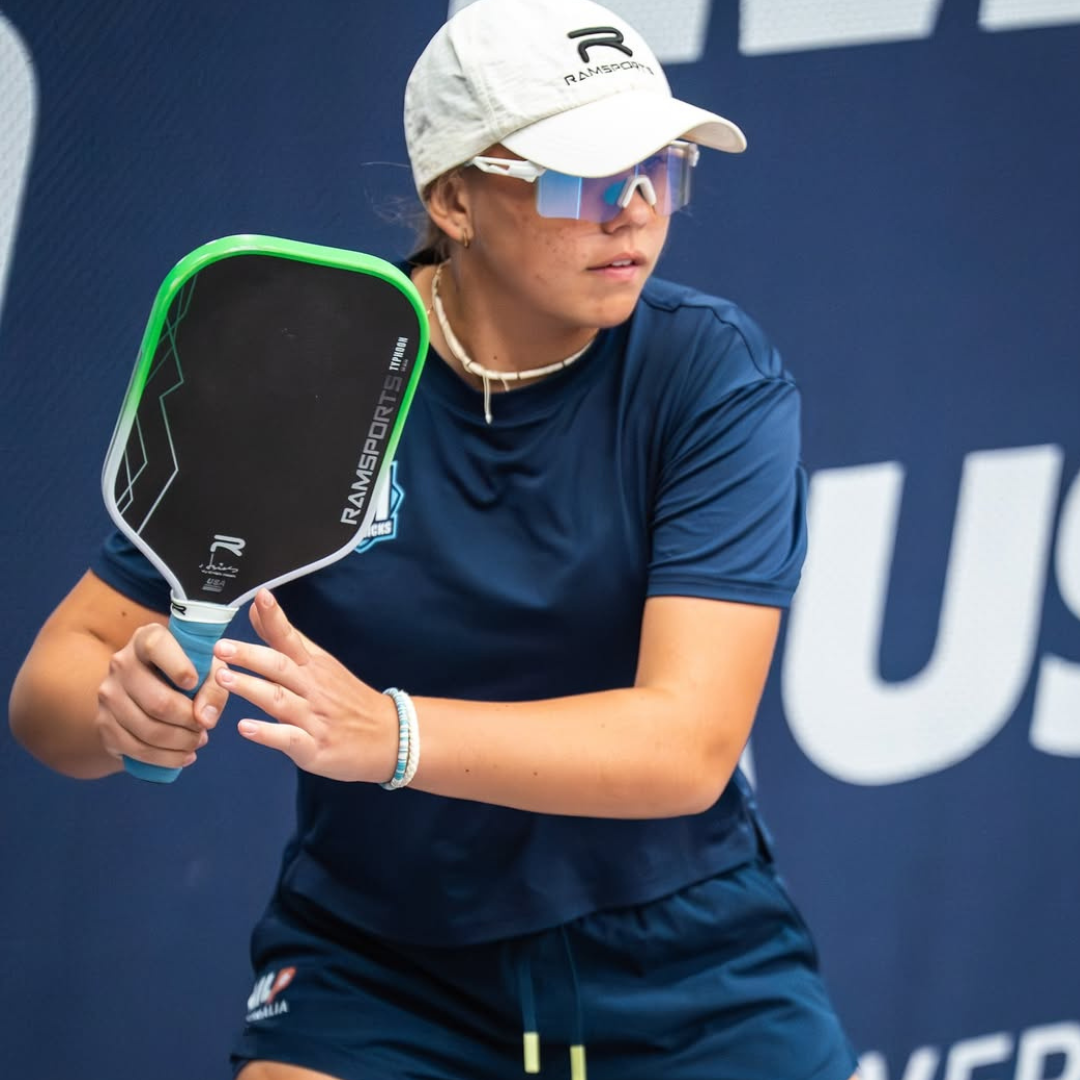
At just 18 years old, Nicola Schoeman has taken over the No. 1 spot in the DUPR Junior Girls’ Doubles Rankings. Based in Australia, she competes frequently across her home country and throughout Asia.
Nicola has been a standout on the PPA Asia Tour, highlighted by a huge women’s doubles victory over Anna Bright and Roos van Reek at the PPA Malaysia tournament. An outstanding athlete and an even better person off the court, we hope to see more of Schoeman and ideally see her competing in America someday soon.
December and January showed us exactly why DUPR is such a powerful lens into player progression. Whether it’s teens breaking through on the pro stage or established players expanding their games into new disciplines, these risers are shaping what the next season of pickleball will look like.
Keep an eye on these names; you’ll be seeing a lot more of them in the months ahead.
Pickleball Tournaments
DUPR Ratings
Community
February 2, 2026
JOOLA Named Presenting Partner as College Pickleball Enters Its Next Phase of Growth
Reinforcing a long-term vision to grow pickleball on college campuses and beyond.
Delray Beach, 2 Feb. 2026 - JOOLA and DUPR today announced an expanded partnership by naming JOOLA as the Title Sponsor of The College Pickleball Tour, reinforcing a shared commitment to building a clear and sustainable pathway for college pickleball athletes.
As part of the agreement, The College Pickleball Tour will be powered by JOOLA, with JOOLA supporting events nationwide and continuing to invest in the development of competitive opportunities for student-athletes, including the tour’s flagship event, The Nationals. DUPR will remain the official rating and data platform for college play, providing athletes with a consistent way to track progress and compete within the broader pickleball ecosystem.
“College pickleball is one of the fastest-growing segments of the sport, and it plays a critical role in shaping the next generation of competitive players,” said Timber Tucker, College Relationship Manager at JOOLA Pickleball. “By expanding our partnership with DUPR and serving as title sponsor of The College Pickleball Tour, we’re doubling down on our commitment to building a strong college pathway.”
Since the earliest days of organized competitive pickleball, JOOLA and DUPR have worked closely to support players, clubs, leagues, and emerging pathways across the sport. This next phase of the partnership reflects a long-standing, strategic relationship built on shared values around growth, access, and competitive integrity.
“JOOLA has been a partner to DUPR since day one, and they’ve consistently invested in the long-term growth of pickleball,” said Tito Machado, CEO of DUPR. “Together, we’re focused on giving college athletes meaningful competition, clear progression through ratings, and a pathway that connects college play to the broader competitive landscape.”
Through this partnership, JOOLA will continue to play a central role in developing the college pathway, supporting student-athletes, teams, and events while helping bridge the gap between college pickleball and higher levels of competition.
More information about the DUPR College Pickleball Tour and upcoming events will be announced in the coming weeks.
About DUPR
DUPR (Dynamic Universal Pickleball Rating) is the premier global pickleball rating system and technology platform, trusted by the world's leading clubs, tournaments, leagues, and players. DUPR's dynamic rating system unifies pickleball across age, gender, and location by analyzing match results to accurately evaluate all players across a 2.000 - 8.000 scale. DUPR is the official pickleball rating of leagues, tournaments and clubs around the world, including United Pickleball Association (UPA), Professional Pickleball Association (PPA), Major League Pickleball (MLP), Pickleball.com, Life Time, The Picklr, National Team Pickleball League, National Pickleball League. It also owns and operates Minor League Pickleball and Collegiate Pickleball, two of the biggest amateur leagues in the sport. Players and operators can visit www.dupr.com to sign up and learn more.
About JOOLA
Founded in 1952, JOOLA is a globally recognized brand specializing in table tennis and pickleball equipment. With a commitment to innovation and quality, JOOLA continues to lead the way in racket sports, providing athletes and enthusiasts with the tools they need to excel at every level.
College
Partners
January 29, 2026
10 Rules You Should Follow When Running DUPR Tournaments
Running a successful DUPR tournament isn’t just about filling brackets; it’s about clear communication, fair competition, and a smooth on-court experience. When tournaments are set up correctly, players trust the results, ratings stay accurate, and clubs see stronger participation over time.
Here are 10 essential rules every club should follow when running DUPR tournaments.
Rule #1: Clearly Mention DUPR Everywhere
Always mention DUPR on your flyer, registration page, and event description.
Players need to know before they sign up that:
- Matches will be recorded
- Results will impact their DUPR rating
This simple step prevents confusion and complaints after the event. Transparency upfront builds trust and avoids uncomfortable conversations later.
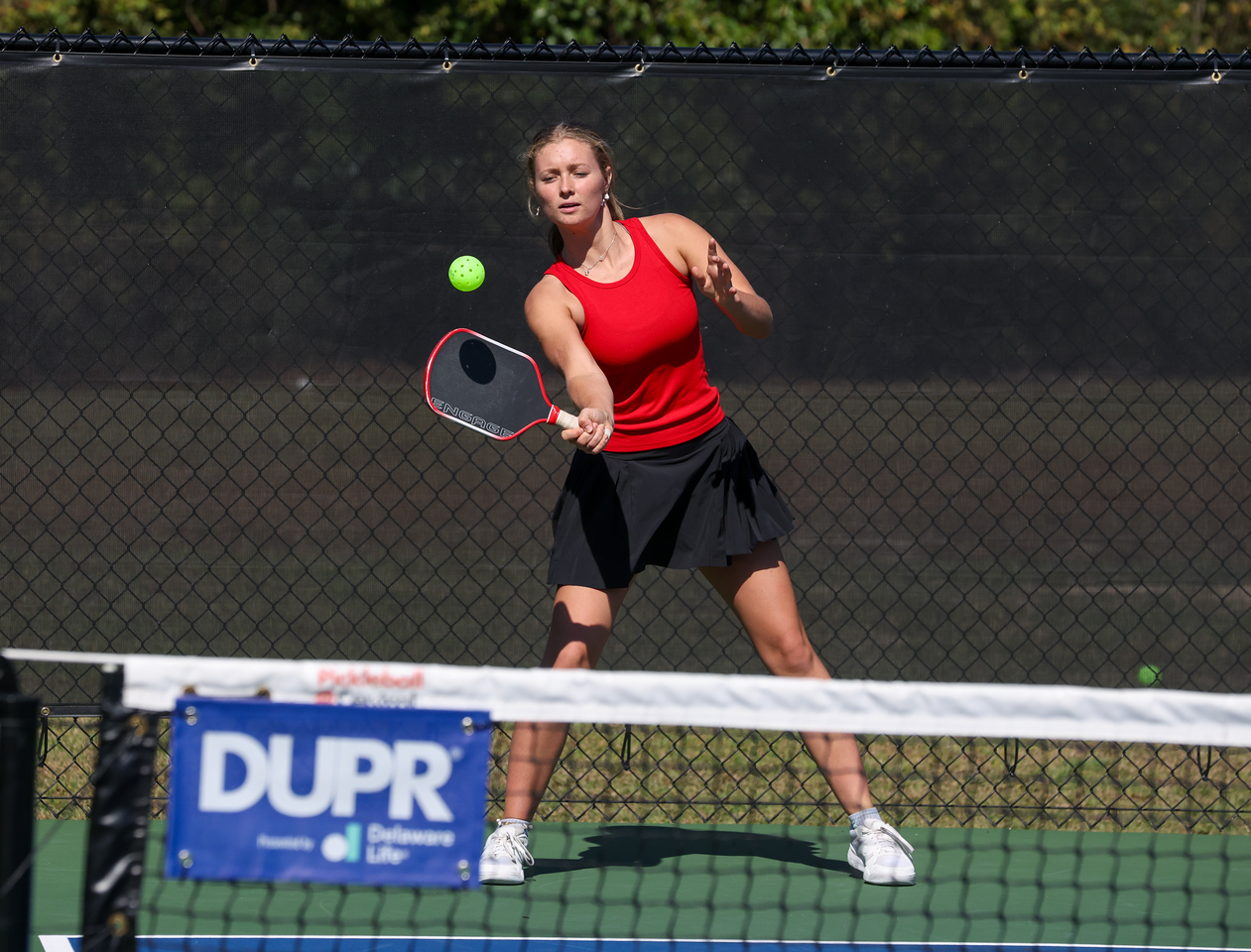
Rule #2: Keep Divisions Within a 0.5 Range
Avoid creating divisions that are too wide.
✅ Good: 3.5–4.0
❌ Not recommended: 3.5–4.5
Wider divisions lead to mismatches, frustration, and less meaningful results. Keeping divisions tight improves competitive balance and rating accuracy.
Rule #3: Be Intentional with Non-Rated (NR) Players
NR players can participate, but only if you know where they belong.
Best practices:
- Place NR players only if staff or coaches are familiar with their level
- If unsure, encourage them to:
- Play matches in a DUPR Session or open play first, or
- Get evaluated by a DUPR Coach
Guessing levels leads to sandbagging concerns and inaccurate results.
Rule #4: Choose the Right Elimination Format
Your format should match your court availability and time constraints.
- Single elimination: Best if courts or time are limited
- Double elimination: Ideal if you have enough courts and a full day
Trying to force a complex format without resources often causes delays and player frustration.
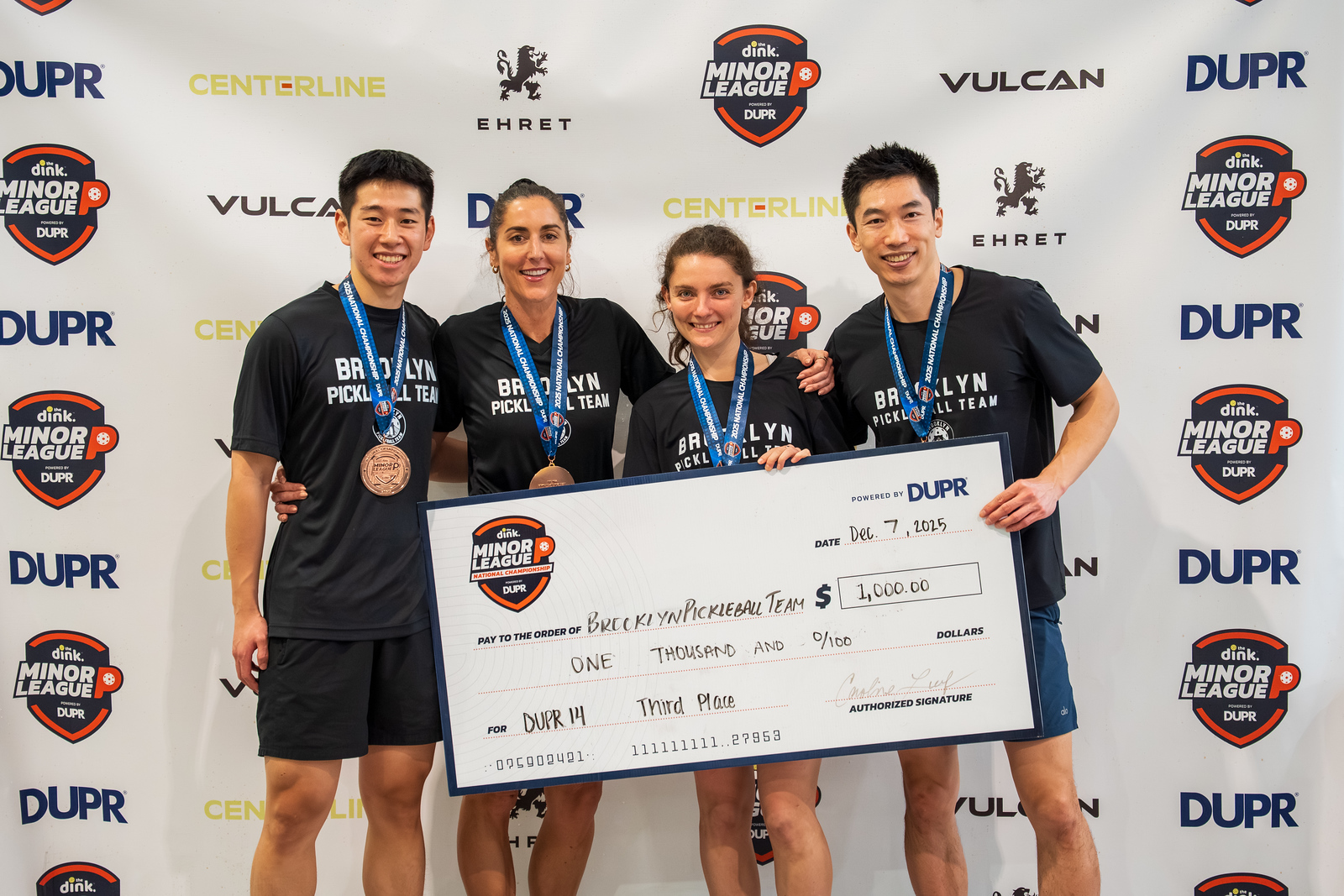
Rule #5: Round Robin + Playoffs Is a Strong Option
A round robin followed by playoffs is one of the most effective tournament formats.
Why it works:
- Players get multiple matches
- Seeding is more accurate
- Playoffs feel earned and competitive
This format balances fairness, fun, and data quality.
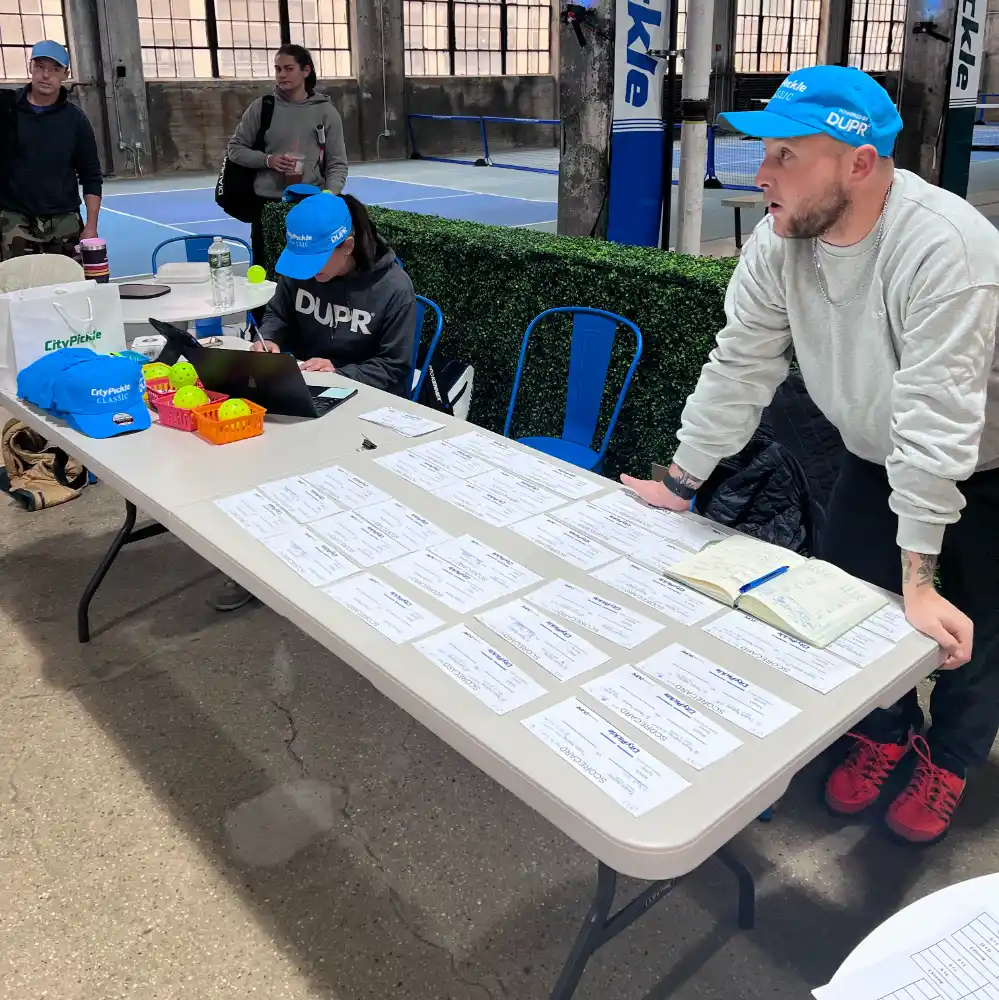
Rule #6: Guarantee at Least 3 Matches Per Team
Players expect value for their time and money.
A good rule of thumb:
Every team should play a minimum of 3 matches
Fewer matches often lead to disappointment, especially for players traveling or paying entry fees.
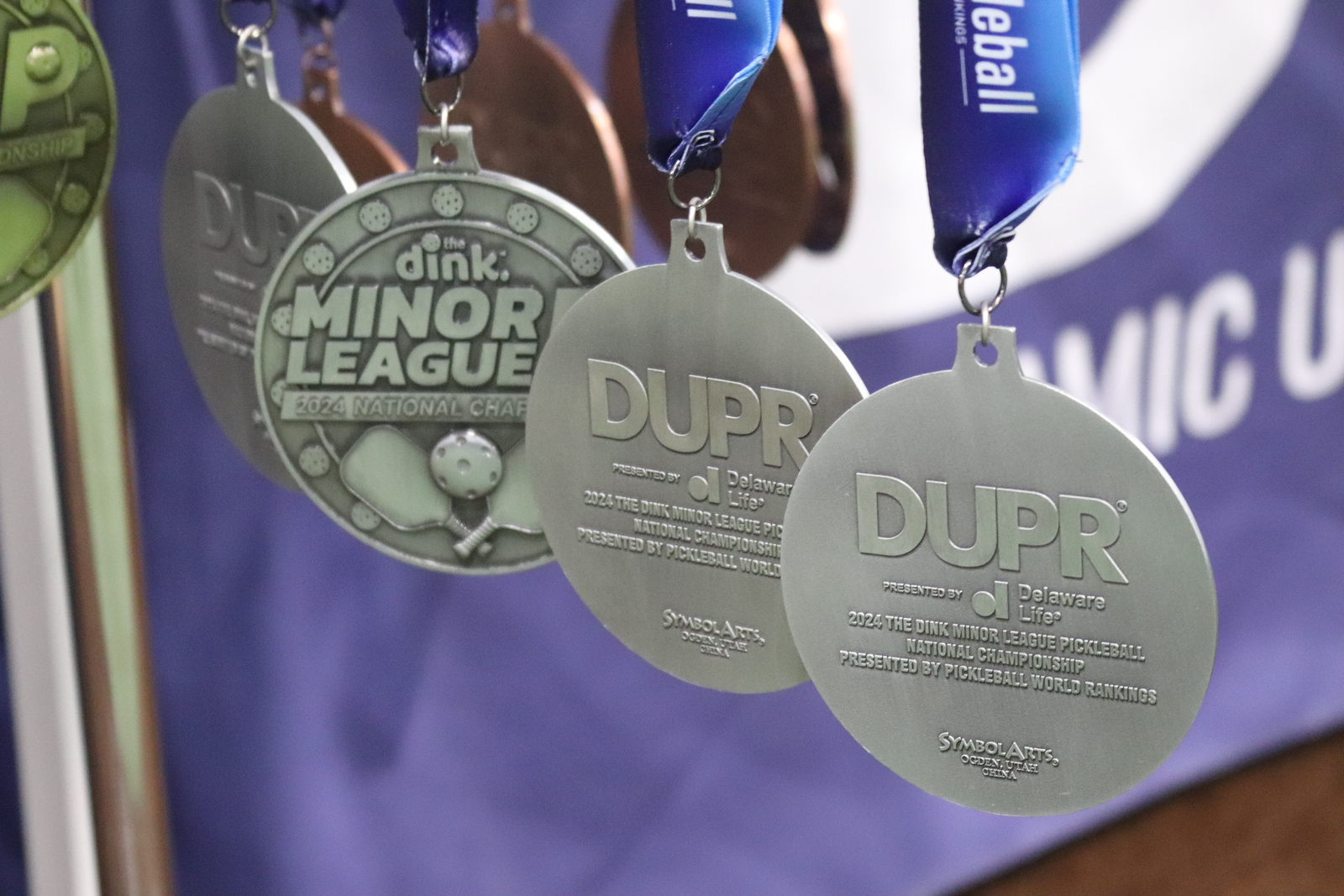
Rule #7: Offer Medals or Prizes
Recognition matters.
Medals, trophies, or small prizes:
- Increase excitement
- Encourage return participation
- Make the event feel official and rewarding
You don’t need anything extravagant, just something players can take pride in.
Rule #8: Keep Events to 1–2 Days Max
Long tournaments sound good on paper but are hard to manage in practice.
Best practice:
- 1-day tournaments for local events
- 2-day max for larger draws
Shorter events are easier on staff, courts, and players and usually run more smoothly.
Rule #9: Communicate Constantly with Players
Most tournament issues come from lack of communication.
Use:
- Pre-event emails
- WhatsApp groups
- Facebook updates
- On-site announcements
Keeping players informed about schedules, delays, and changes prevents frustration on tournament day.
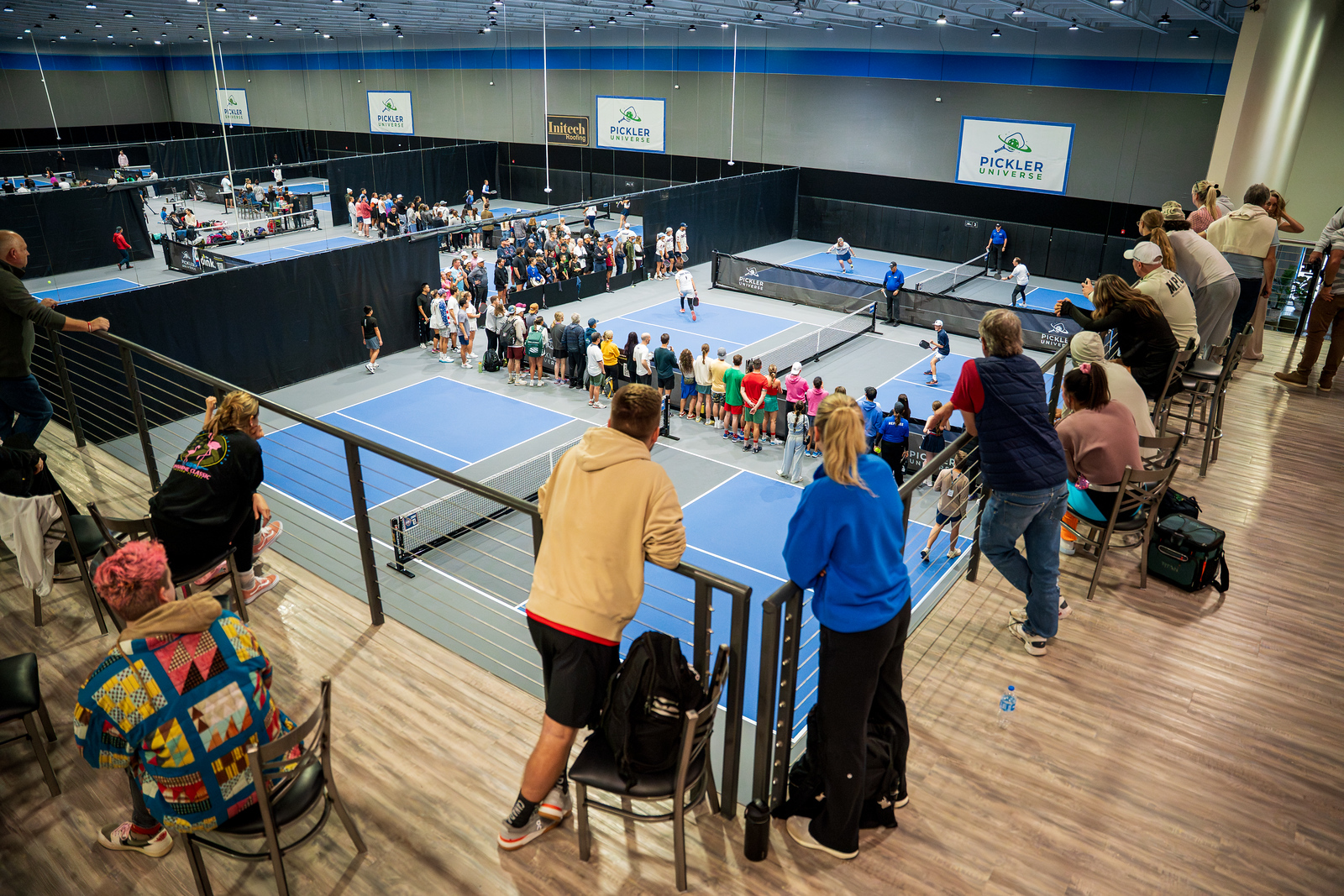
Rule #10: Have a Dedicated On-Court Point Person
Always have at least one staff member actively walking the courts.
Their role:
- Answer questions
- Handle disputes
- Help players find courts or next matches
- Keep things moving
Visible staff presence makes players feel supported and keeps the event running smoothly.
Great DUPR tournaments don’t happen by accident. They’re built on clear rules, smart formats, and proactive communication. When done right, tournaments become one of the best tools for improving ratings, increasing participation, and building trust within your club.
Follow these rules, and your DUPR tournaments will be fairer, smoother, and far more enjoyable for both players and staff.
Clubs
Community
Pickleball Tournaments
Pickleball Tips
January 28, 2026
Mastering the Kitchen: A 3-Step Drill Progression for Consistent Dinking
If you want to dictate the pace of play, force more errors, and win more battles at the kitchen line, it all starts with one fundamental skill: consistent dinking. Dinking is not just about getting the ball over the net; it is about accuracy, control, and "feel."
To help you build a rock-solid foundation, we have outlined a three-part drill progression. These exercises are simple but essential for developing the strategic fundamentals needed to raise your DUPR rating.
Drill 1: The Foot-Target Pattern (Down the Line & Crosscourt)
The first step in improving your dinking is learning to hit specific targets based on your opponent's positioning. In this drill, you and your partner start at the kitchen line directly across from one another.
Begin by hitting "inside foot to inside foot" patterns, followed by "outside foot to outside foot" patterns. Once you feel comfortable hitting these targets down the line, move to a crosscourt position and repeat the same foot-to-foot patterns.
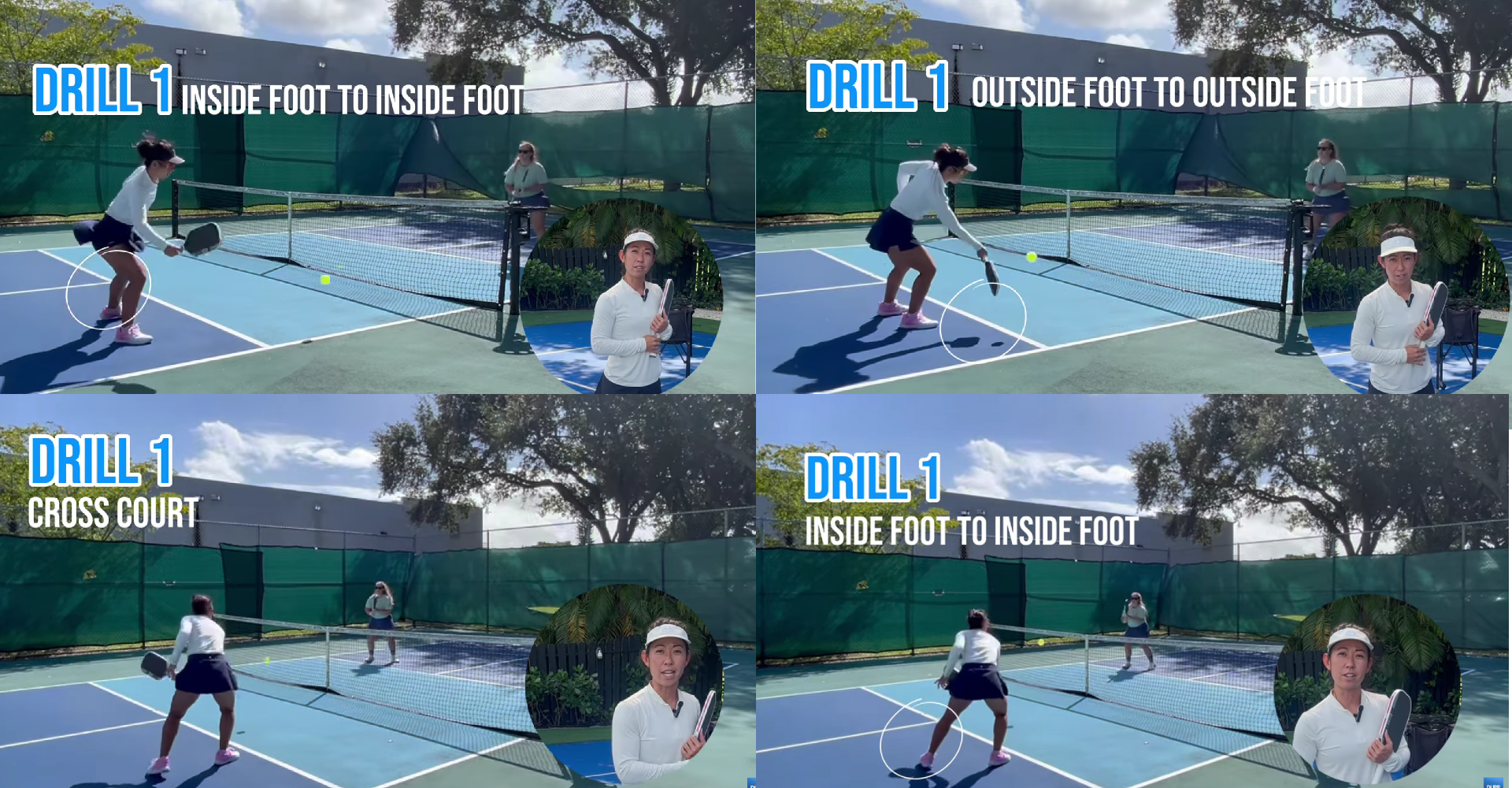
The Goal: Aim for 10 successful dinks in a row or set a timer for 20–30 seconds to see how many successful shots you can make without an error. To keep it fresh, you can alter the pattern the next day, for example, practicing "inside foot to outside foot."
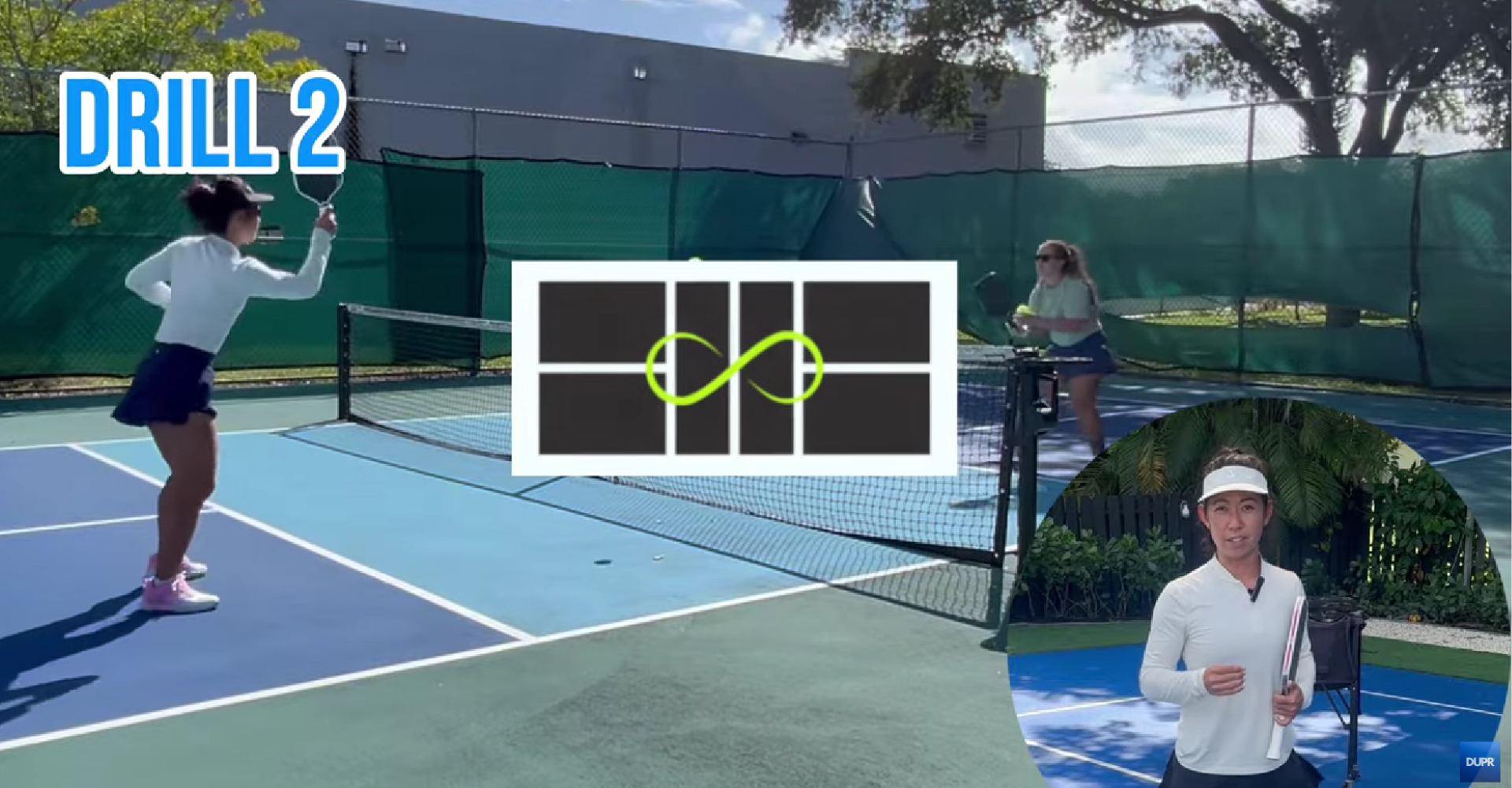
Drill 2: The Figure-Eight Drill
Once you have mastered basic linear patterns, it is time to work on alternating your targets. This drill requires coordination between both players to keep the ball in a continuous "figure eight" motion.
In this setup, your partner follows a steady pattern of hitting inside-to-inside and outside-to-outside foot targets. Your job is to alternate your shots between their inside and outside feet. Because you are constantly changing the angle of your return while your partner remains steady, the ball naturally follows a figure-eight path. This builds the "feel" necessary to move the ball around the court without losing control.
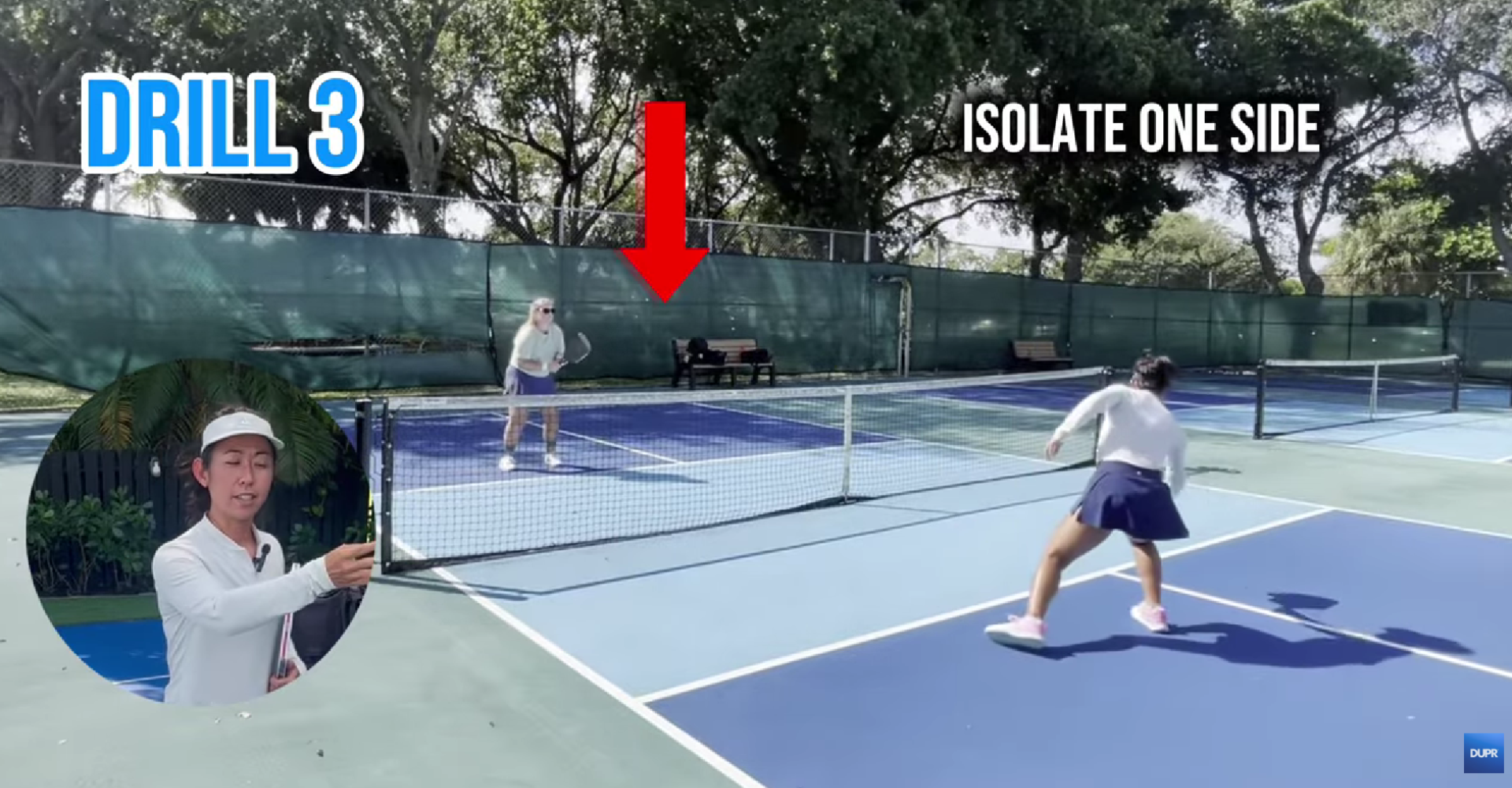
Drill 3: Target Isolation and Movement
The final phase of this progression focuses on your ability to move the ball intentionally while your opponent tries to stay consistent. This drill teaches you how to "move" your opponent to create openings.
In this exercise, one player isolates a single side (hitting only forehands or only backhands). Their job is to alternate their dinks between your forehand and backhand sides. For example, if your partner is hitting all forehand dinks, you must focus on targeting your returns back to their forehand every time, regardless of where they send the ball.
Pro Tip: Remember to switch sides! It is vital to practice this both down the line and crosscourt, ensuring you spend equal time working on your backhand targets.
Why These Drills Matter for Your Game
These drill progressions can be done in a single practice session or broken up over several days. While they may seem simple, they lay the groundwork for fundamental strategic play. By improving your ability to hit specific targets under pressure, you reduce unforced errors and become a much more formidable opponent at the net.
Consistency at the kitchen is often what separates a recreational player from a tournament-ready competitor. By mastering these patterns, you’ll not only feel more confident on the court but you'll likely see the results reflected in your DUPR rating.
Ready to put these drills into practice? Grab a partner, hit the court, and don't forget to log your match scores on the DUPR app to track your improvement!
For more pickleball tips, check out our blogs page and our Beyond The Baseline Youtube Series, where several pro players share tips and drills to improve your pickleball game.
Pickleball Tips
Community