
Mental Toughness in Pickleball: Training Your Mind Like a Pro
).png)
Mental Toughness in Pickleball: Training Your Mind Like a Pro
In pickleball, you can drill technique and strategy for hours: drops, resets, speed-ups, you name it, but the mental game is what truly separates good players from great ones.
Mental toughness is what shows up at 10–10 in the third. It’s what keeps you composed when momentum shifts, or when the mistakes pile up. It’s the ability to reset, stay present, and trust your game when the pressure hits.
So how do pro players stay mentally locked in weekend after weekend? It starts with mindset, routine, and emotional control.
Your Mental Routine Matters
Consistency builds confidence, and confidence builds resilience. That’s why a mental routine is just as important as your physical warm-up.
Before Your Match
- Shower to wake up the body and brain. Sounds small, but it switches you “on.”
- Arrive 1.5–2 hours early to warm up properly, not rush.
- Start with off-court activation: bands, dynamic warm-up, a short jog.
- Move to on-court warm-up with your partner:
- Straight-on dinks
- Cross-court dinks
- Mid-court resets
- Third-shot practice
- Transition patterns
- Finish with volleys
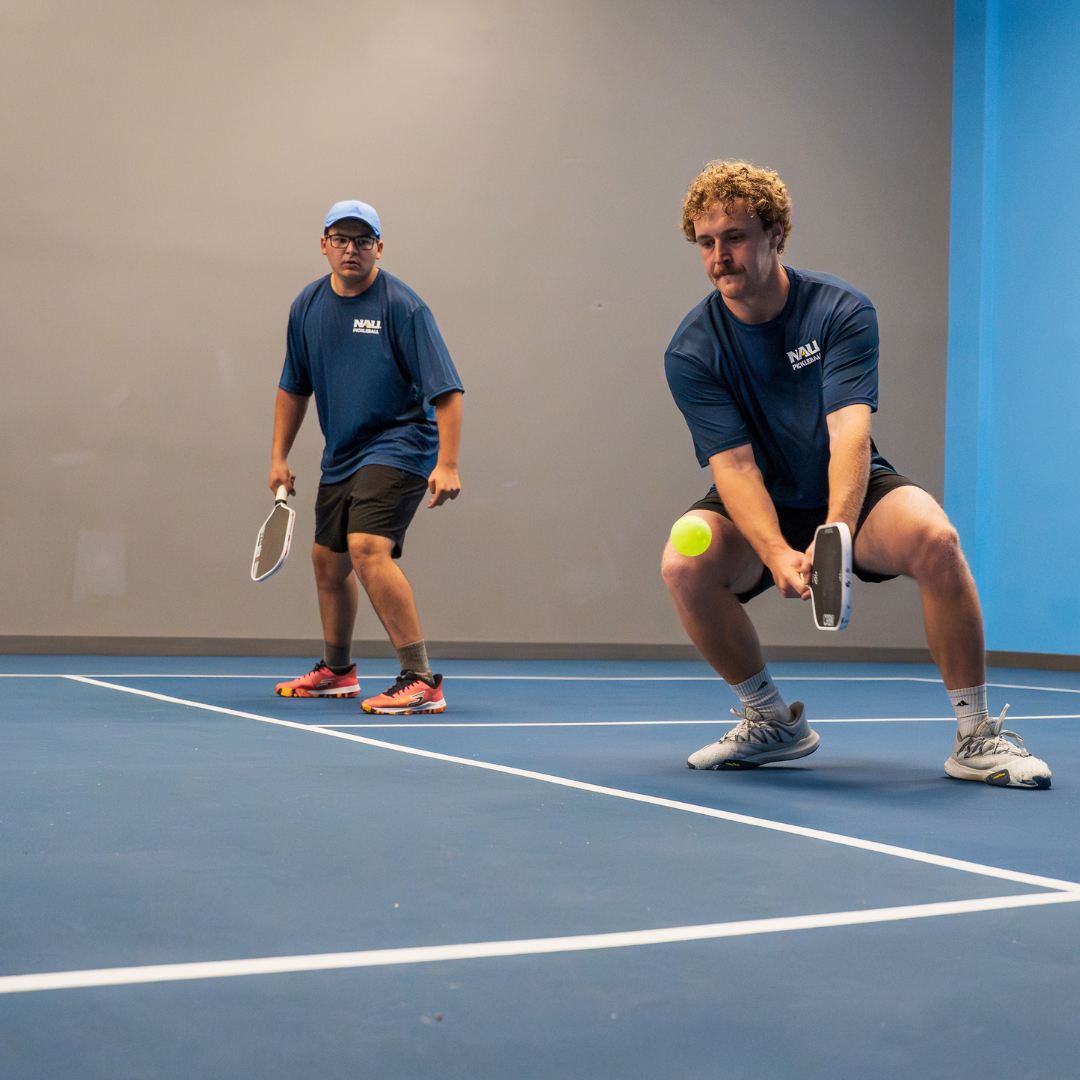
- Play a few practice points against another team, nothing gets you into “match mode” faster.
- Use breathing techniques to clear your mind and settle nerves.
Read this article and find out the best doubles drills you can do to improve your pickleball game.
During the Match
- Create a serving routine (bounce the ball, visualize your target, breathe).
- Use between-point resets: walk to your towel, touch your paddle to the wall — something consistent.
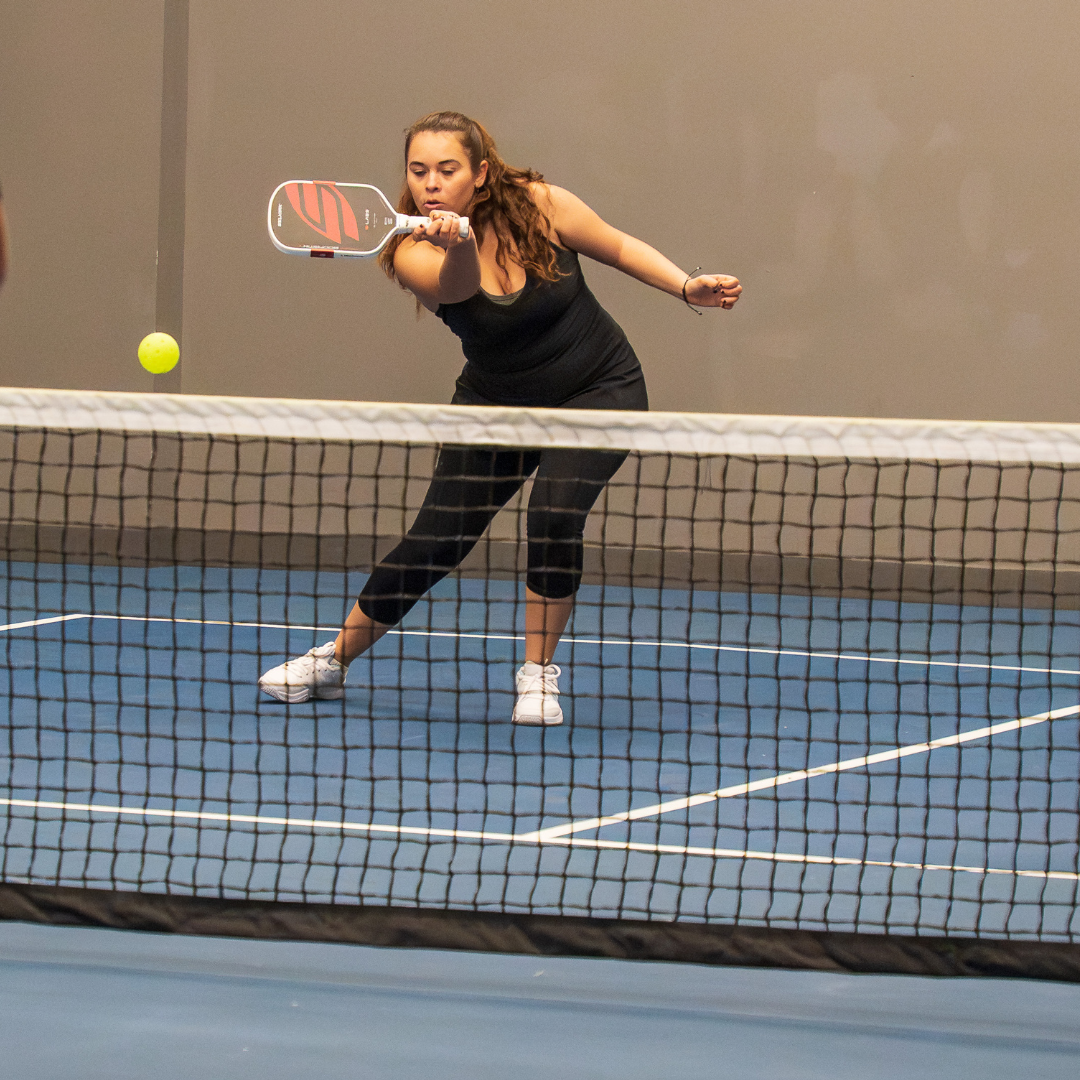
- Control your breathing. The calmer you are, the clearer your decisions.
After the Match
Win or lose, don’t immediately run off court.
Sit. Cool down. Reflect:
- What went well?
- What needs adjusting next match?
This reflection is where your mental game grows.
Mindset for Comebacks & Handling Pressure
Everyone wants to be mentally tough. But toughness under pressure isn’t magic — it’s trained.
Here’s how pros stay locked in:
1. Smile More
Seriously. Smiling or laughing releases neuropeptides that fight stress.
Win a point? Smile.
Lose a point? Smile anyway.
It resets your nervous system.

2. Simplify Your Mind
Overthinking is the enemy.
Choose 1–2 cues to anchor you each point:
- Split step
- Paddle up
- Get behind the ball
- Stay low
- Short swings
- Hold backhand / react forehand
These cues keep your brain from drifting to the score.
3. Breathe With Intention
Slow, controlled breathing = better decisions and cleaner execution.
You can’t play your best if your heart rate is out of control.
Did you know that doctors recommend pickleball for heart health? Learn why here.
Common Miscommunication Mistakes
At every level even pro players lose points that have nothing to do with skill:
- No eye contact before points
- Not discussing patterns or targets
- Confusion on the middle ball
- Not owning mistakes or moving on
- Letting frustration change your tone with your partner
Great communication = fewer free points given away.
Check out this communication guide that will help you and your partner synch better on court.
Train Your Mind Like You Train Your Game
Pressure doesn’t disappear; you just get better at handling it.
If you want to shine in the biggest moments, start adding mental work into your training:
- Play practice games with DUPR pressure (record your score like it counts).
- Add consequences, such as where the loser serves, does footwork drills, or buys smoothies.
- Put a little money or bragging rights on the line.
- Treat practice like real competition.
Pickleball is not just physical. The strongest tools you have are your mindset, your breath, your routines, and your ability to stay connected to the moment in front of you.
Train that as intentionally as your mechanics… and everything changes.

OTHER TOP STORIES
Check out our other stories that may interest you
%20(1).jpg)
-min.png)
.jpg)


