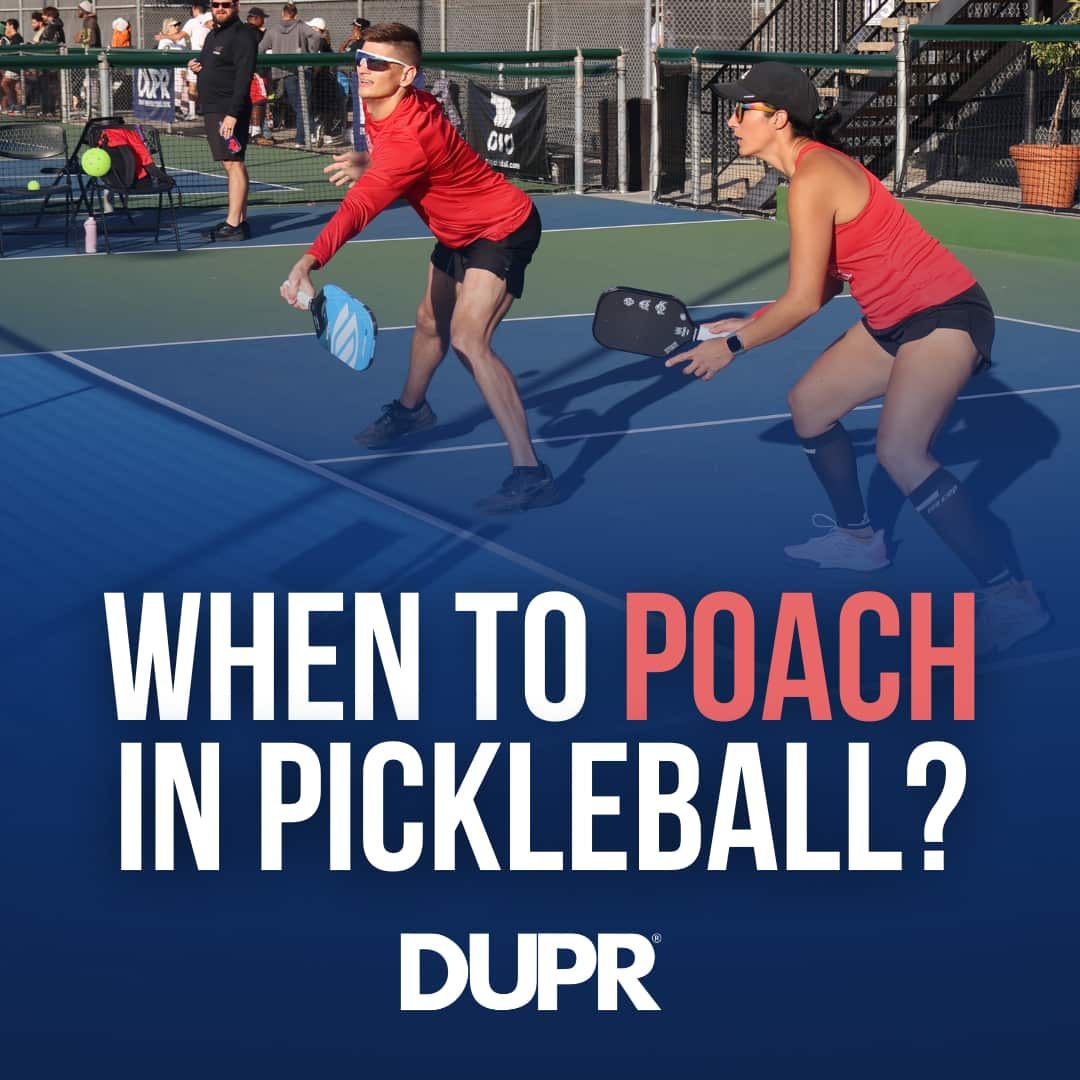
When To Poach in Pickleball?
If you’ve ever felt like you’re playing solid pickleball but still losing points you “shouldn’t,” the issue often isn’t your strokes. It’s decision-making and anticipation, and poaching sits right at the intersection of both.
Let’s break down when to poach in pickleball, why it works, and how to use it without hurting your partner or your rating.
What Is Poaching in Pickleball?
Poaching is when you cross into your partner’s side of the court to intercept a ball, usually at the kitchen line, before it reaches them.
It’s not about being aggressive for the sake of it.
It’s about reading patterns, understanding positioning, and acting at the right moment.
Done correctly, poaching:
- Shortens points
- Forces errors
- Rewards anticipation over raw power
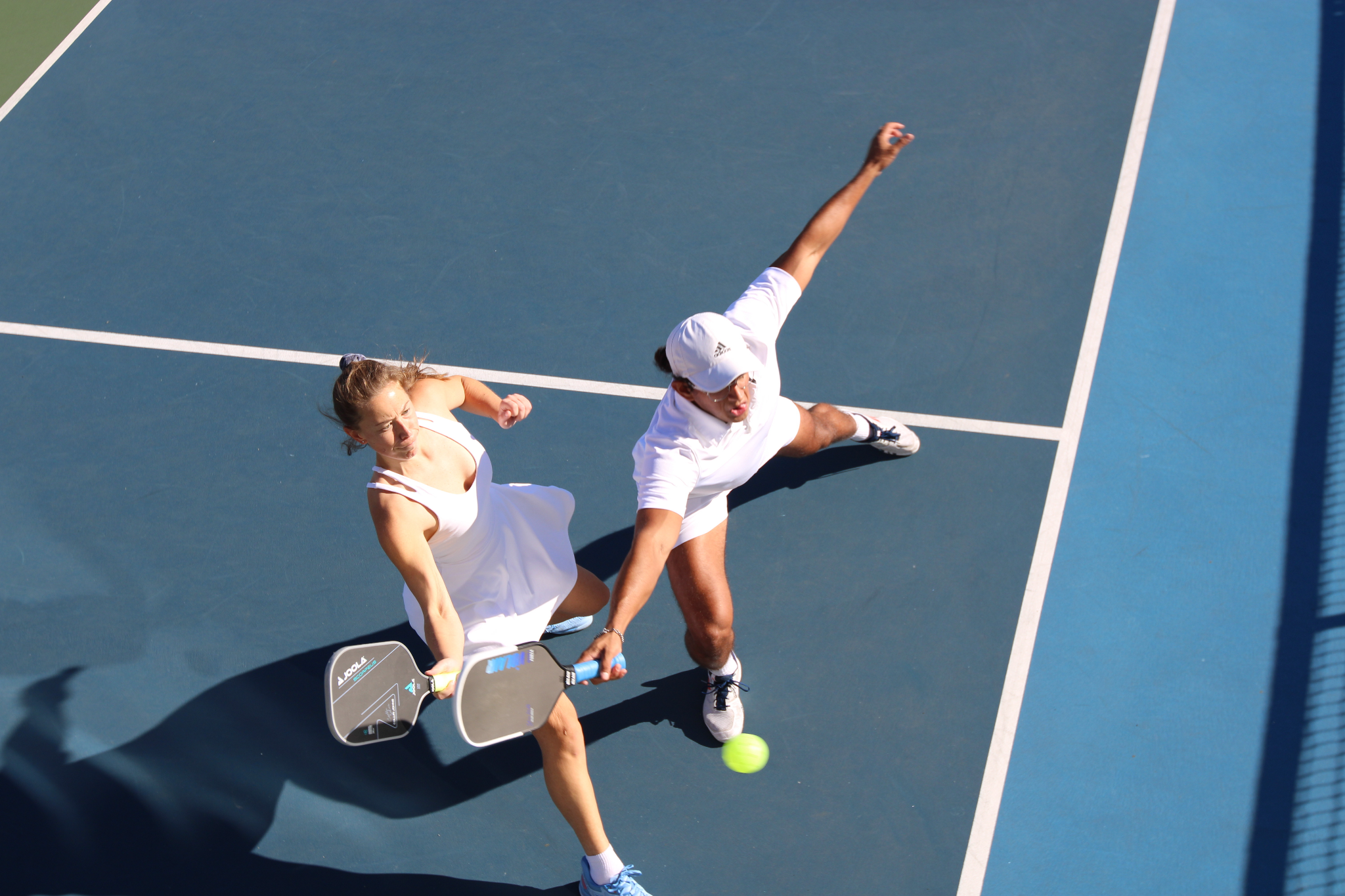
The Highest-Percentage Time to Poach: Partner Back, You Up
This is the most reliable poaching opportunity in doubles pickleball, especially at the 3.0–4.0 level.
Why it works
When one player is back and the other is at the kitchen:
- Opponents naturally hit toward the player who’s deeper
- Drops to the kitchen are harder
- Balls come slower and higher
From a data and pattern standpoint, this is one of the most predictable situations in pickleball.
What to do
If you’re at the kitchen and your partner is still moving up:
- Expect the ball to go crosscourt to your partner
- Shift early
- Cross over and intercept
At many levels, this single play can swing entire games.
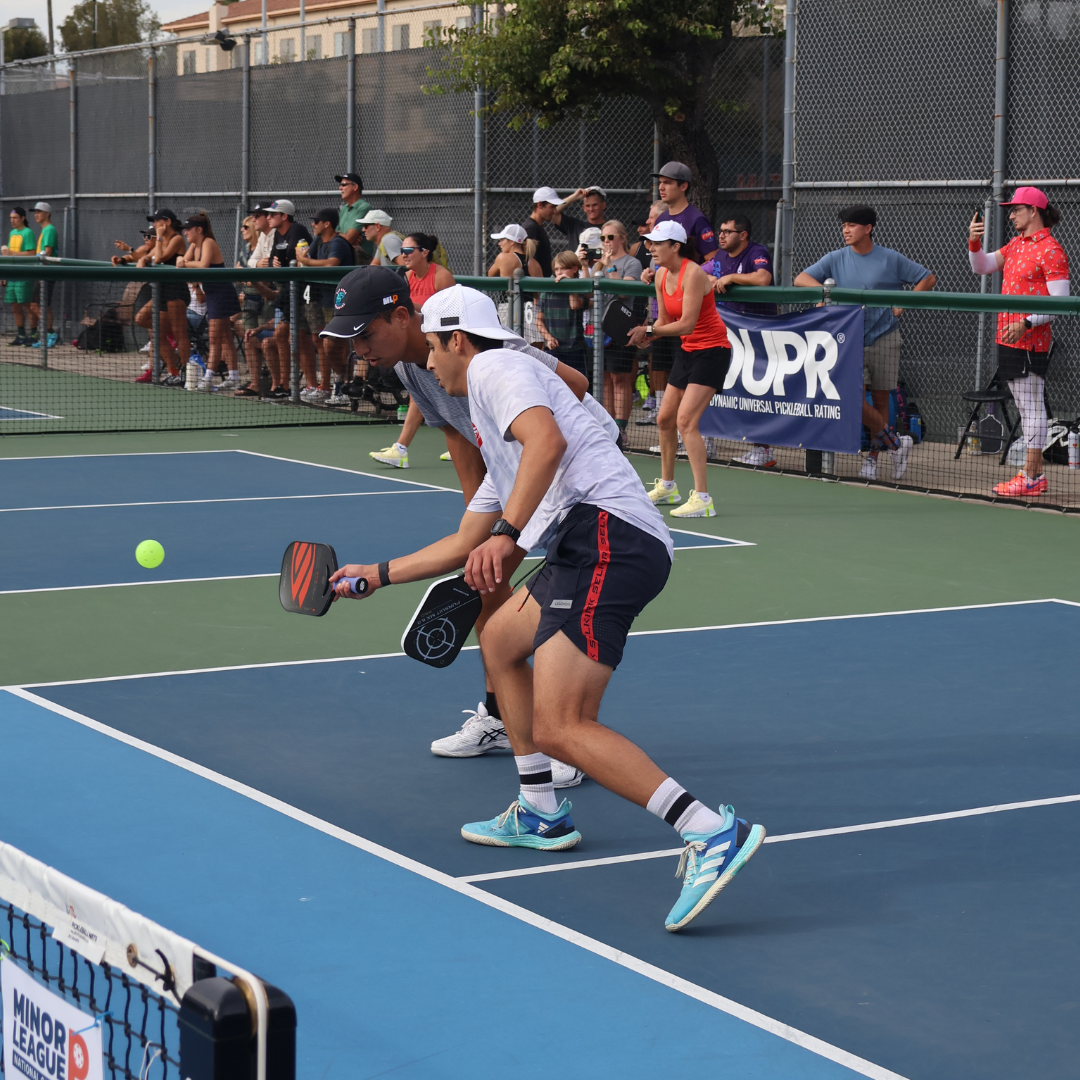
Poaching Out of Crosscourt Dink Patterns
Crosscourt dink rallies are common because they offer more margin over the net. But they also create rhythm, and rhythm can be exploited.
The opportunity
- You’re locked into a crosscourt dink exchange
- One opponent is involved, the other is passive
- A dink floats slightly higher or slower
That’s when poaching becomes effective.
Why it works
- The non-dinking player is disengaged
- Reaction time is reduced
- Direction changes (crosscourt → down the line) are hard to defend
This is why many higher-level players intentionally dink crosscourt looking for a poach opportunity.
Poaching Starts Before the Ball Is Hit
One of the biggest mindset shifts we see in improving players is this:
At the kitchen, you should expect a speed-up on every shot.
From a readiness standpoint:
- A dink gives you time
- A speed-up does not
What to watch for
- Larger backswing
- Paddle dropping lower
- Weight shifting forward
Players who poach effectively aren’t faster; they’re earlier.
Poaching Off Pop-Ups (With Intent)
Not every poach needs to be a full-speed winner.
When you intercept a higher ball:
- Aim at the feet
- Or attack open court
Hitting hard directly at an opponent often resets the rally. Smart poaching is about placement, not power.
When Not to Poach
Poaching is a tool, not a default.
Avoid poaching when:
- Both partners are already established at the kitchen
- The ball is dipping below net height
- You’re guessing instead of reading
At DUPR, we consistently see that patience combined with selective aggression leads to better outcomes and more consistent ratings over time.
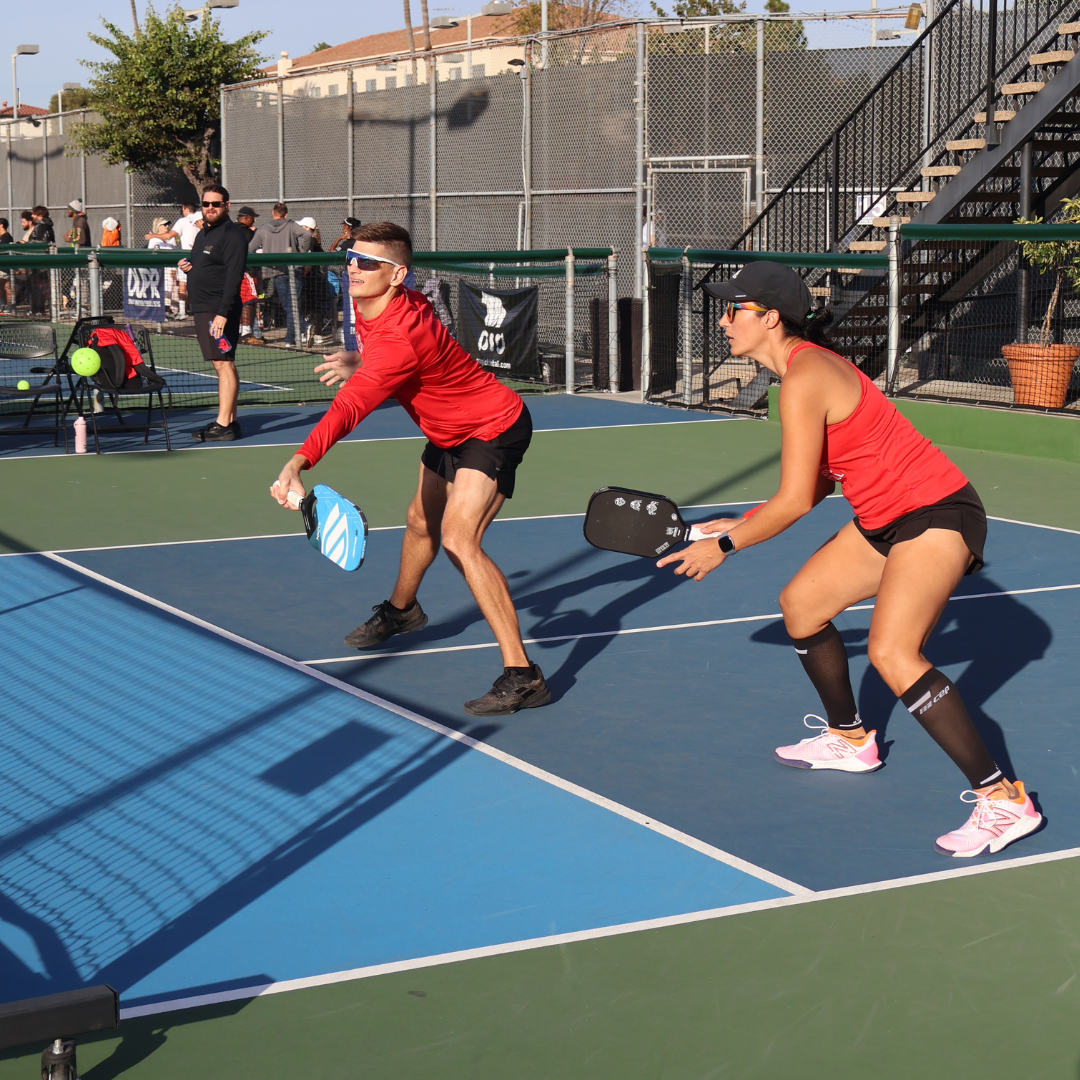
Communication and Trust Matter
The most effective doubles teams:
- Signal early
- Shade toward the middle to bait shots
- Trust their partner to cover behind them
Sometimes the threat of a poach is enough to force errors.
Poaching is about understanding patterns, court positioning, and timing.
If you remember one thing:
When you’re at the kitchen and your partner is back, anticipate the ball and be ready to move.
That decision alone can raise the quality and consistency of your doubles play.
At DUPR, we believe smarter pickleball leads to better competition, fairer outcomes, and more accurate ratings. Poaching, when used correctly, is a perfect example of skill over speed.
For more pickleball tips, check out our blogs page here.

OTHER TOP STORIES
Check out our other stories that may interest you
%20(1).jpg)
%20(1).jpg)