No matching results.
Search results
October 2, 2026
RAQT x DUPR: Celebrating three years of partnership
RAQT, a leading pickleball event platform based in Stockholm, Sweden, has utilized DUPR as its official rating system for the past three years.
How the RAQT DUPR integration works
RAQT is one of the fastest-growing players across Europe, with a seamless DUPR integration. Organizers can submit scores directly to DUPR after each round of play, so results reach players' ratings as the tournament unfolds rather than after the event wraps up. Every match played on RAQT counts, giving players an accurate, [up-to-date picture of their level](INTERNAL LINK: How your DUPR rating is calculated) throughout the event.
Powering some of Europe's biggest pickleball events
RAQT helps clubs, federations, and tournament organizers run events from start to finish, with registration, automated draws, scheduling, and live scoring all in one mobile-first platform. It powers some of the biggest events in Europe, including the Reballution Cup, the Swedish Pickleball Tour, Portugal Pickleball Tour, Nordic Pickleball League, Austrian Open, South African Nationals, and the Swedish National Championships. With multi-language support already in place, RAQT is expanding its reach to organizers and players around the world. With DUPR built in, RAQT gives players and organizers a clear way to understand skill levels and seed events fairly, whether at a local club tournament or a national championship.
[IMAGE: RAQT mobile app screen showing a live tournament bracket]
Alt text: RAQT app displaying a live pickleball tournament bracket with DUPR ratings
Connecting players beyond the tournament
Beyond tournaments, RAQT connects players with the communities, clubs, and tours around them, letting players discover events, register in a few taps, follow live brackets, and chat with other players. With DUPR integrated throughout, every result recorded on RAQT links directly to a player's rating, giving players an easy way to track their progress as they compete.
This milestone reflects DUPR's continued global growth, supporting a consistent rating experience for players of all ages and levels, wherever they play.
About RAQT
RAQT is a pickleball event and community platform based in Stockholm, Sweden. It gives clubs, federations, and organizers worldwide an all-in-one system for registration, scheduling, draws, live scoring, and promotion, while helping players discover events and connect with the pickleball community. RAQT currently supports Pickleball in over 30 Countries. Learn more at https://raqt.com.
About DUPR
DUPR (Dynamic Universal Pickleball Rating) is the premier global pickleball rating system and technology platform, trusted by the world's leading clubs, tournaments, leagues, and players. Its dynamic system evaluates players on a 2.000–8.000 scale across age, gender, and location. DUPR is the official rating system of the United Pickleball Association (UPA), PPA, Major League Pickleball (MLP), Pickleball.com, Life Time, The Picklr, National Team Pickleball League, and National Pickleball League. It also owns and operates Minor League Pickleball and Collegiate Pickleball, two of the largest amateur circuits in the sport. For more information, visit https://www.dupr.com.
Partners
October 2, 2026
How a pickleball clinic in Barcelona crossed language barriers
Matteo coached in Italian. Raquel coached in Spanish. Valerie and Victoria Simon coached in English. The players in front of them came from all over the world.
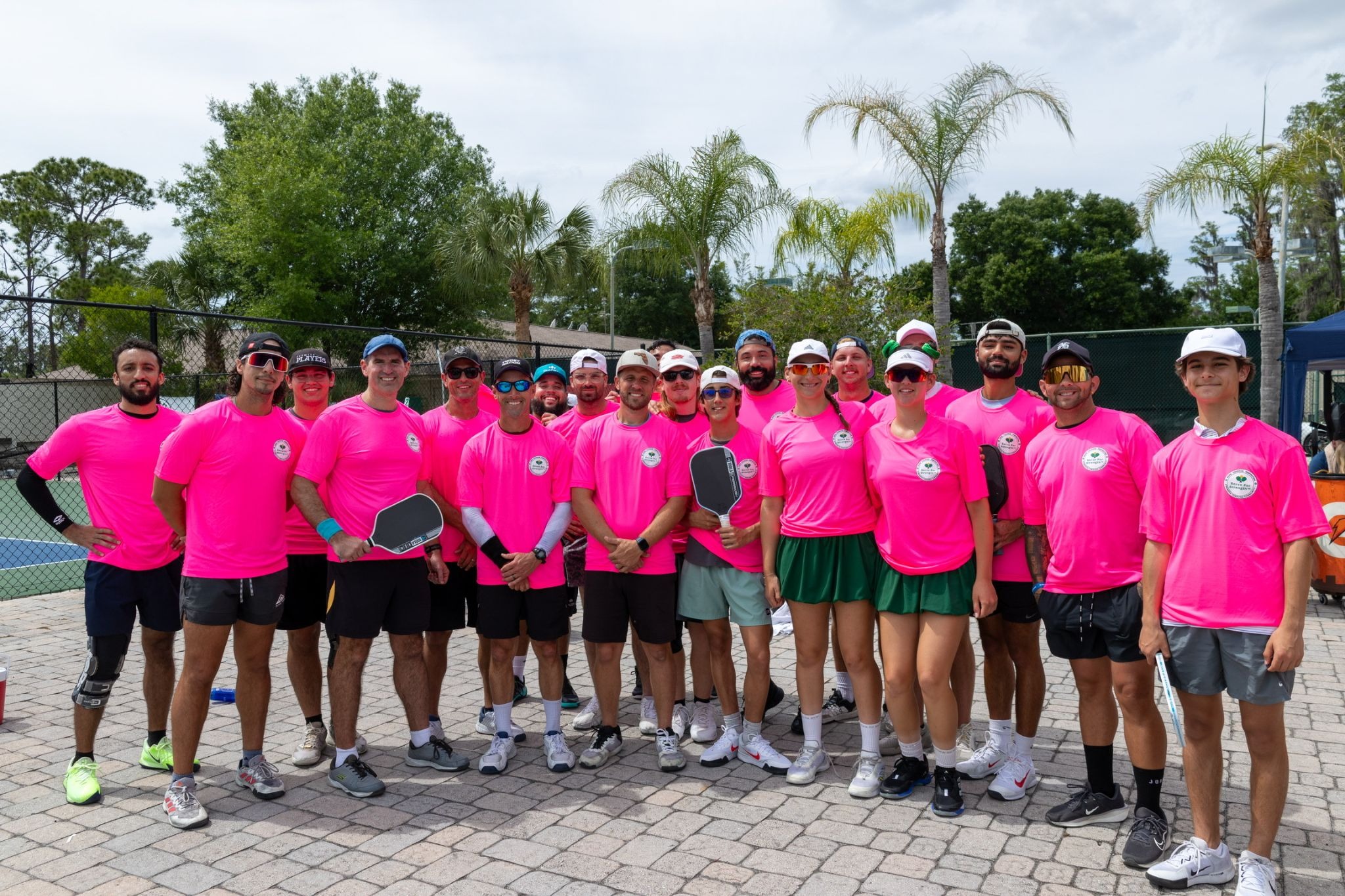
Somehow, everyone understood each other. That was the story of the Serve For Strength pickleball clinic at PPA Europe in Barcelona. Serve For Strength is a 501(c)(3) nonprofit, so all money raised during each and every event is donated to fund medical research. Truly playing for a purpose. You can support the mission at serveforstrength.org. Here's how drills, match play, and one global rating turned a group of strangers into a court full of friends.
Somehow, everyone understood each other. That was the story of the Serve For Strength pickleball clinic at PPA Europe in Barcelona. Here's how drills, match play, and one global rating turned a group of strangers into a court full of friends.
A shared number before a shared language
Before anyone stepped on court, Serve for Strength asked every participant for one thing: their DUPR Rating.
The number did work that no translator could. Coaches used it to group players by skill level, so every drill and every match stayed competitive. Nobody got run off the court, and nobody got bored.
What happened at the pickleball clinic
The clinic was during the PPA Barcelona event, and ran in two parts. First, coaches worked players through drills that targeted different parts of the game. Then everyone put those skills to the test in match play.
When words run out, pickleball has backups. A coach can demonstrate a reset instead of explaining it. A partner can point to the open gap. A paddle tap after a long rally means "nice shot" in every language.
Players asked questions, tried new shots, and competed hard. By the end, the language gaps mattered a lot less than the next point.
Meet the coaching team
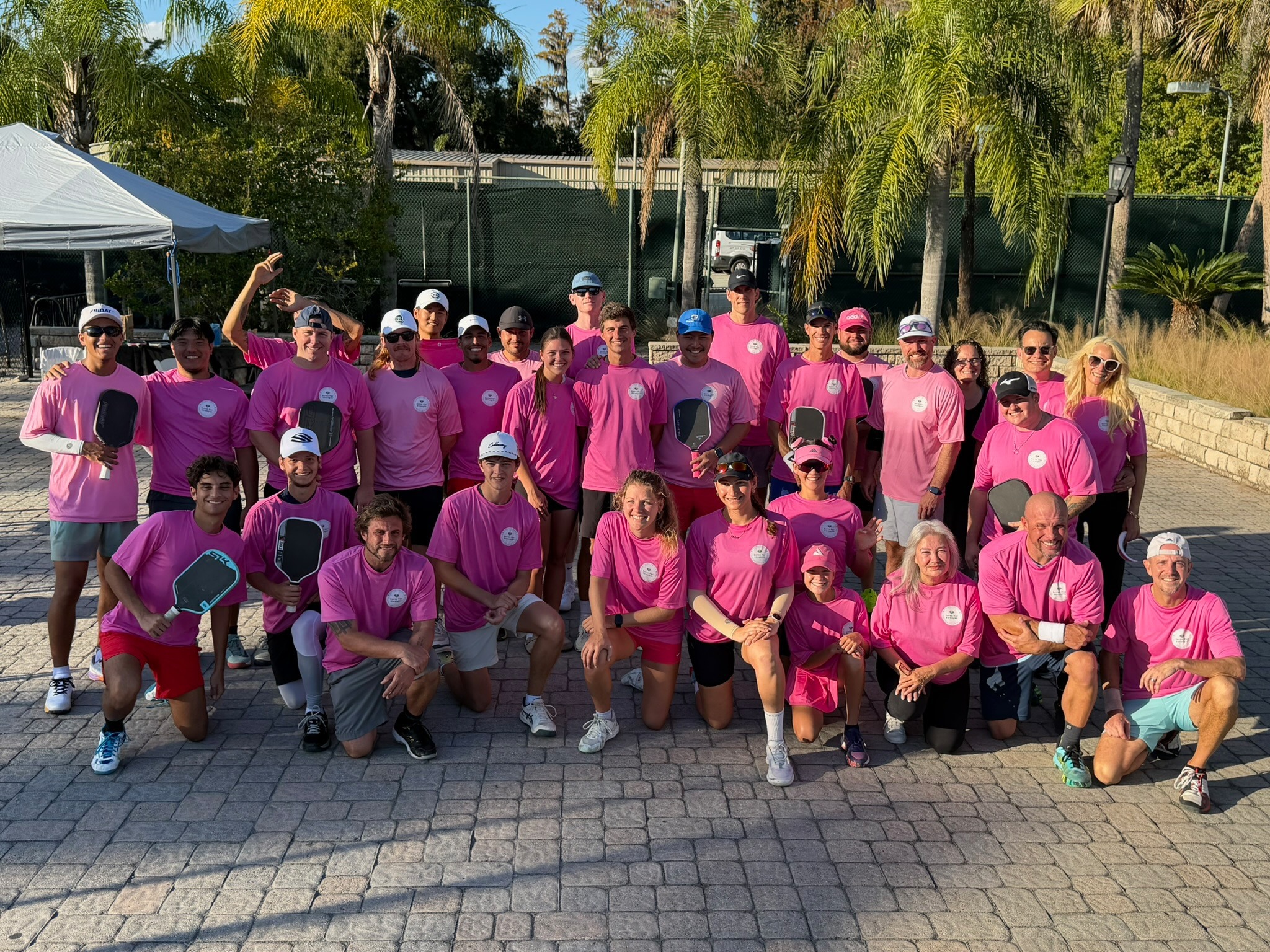
The coaching lineup looked like the clinic itself: international and mixed.
- Matteo Cugliari, Italy
- Raquel Amaro Veloso, Spain
- Valerie Simon, United States
- Victoria Simon, United States
Four coaches, three countries, one game plan.
From the clinic court to the pro court
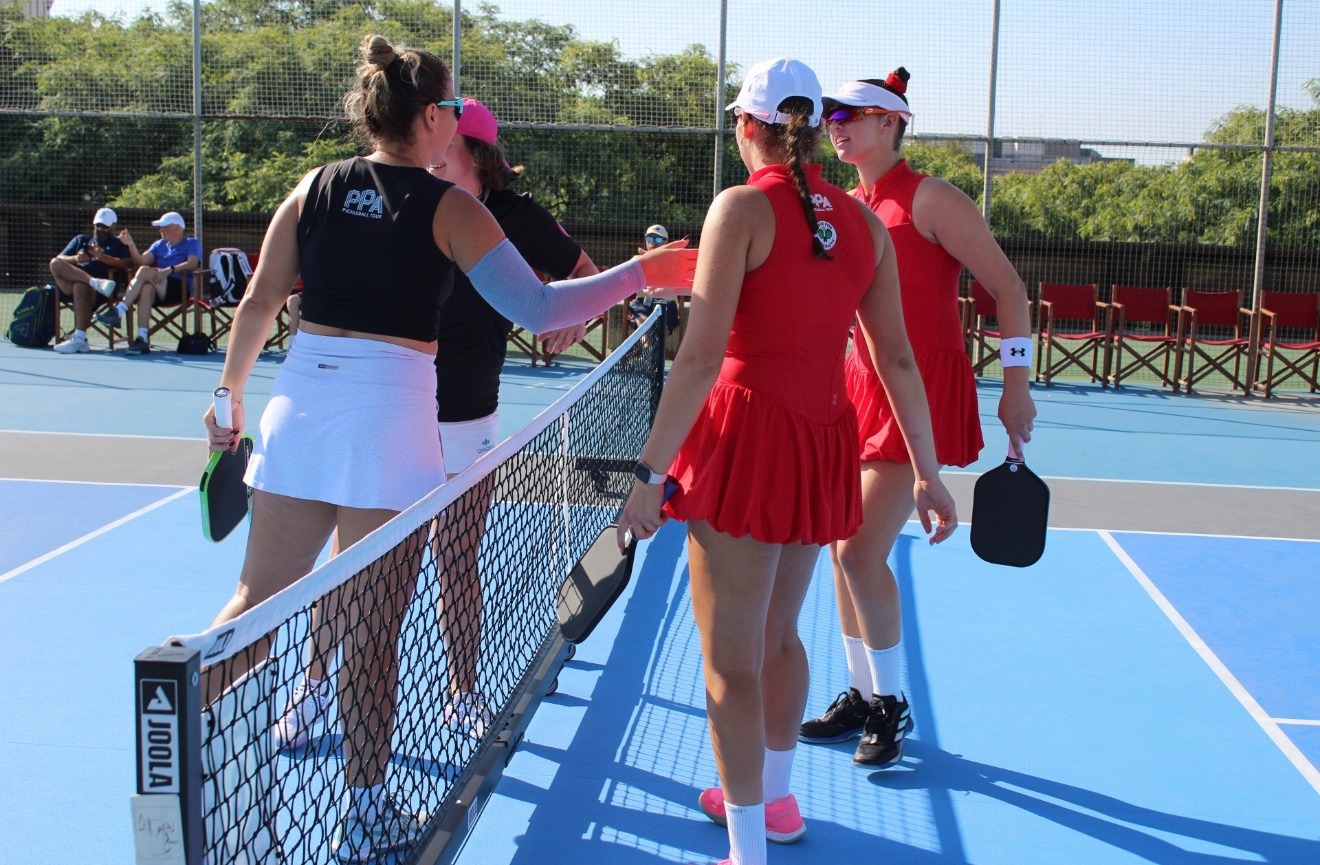
The experience didn't end when the drills did. Participants got to soak in the PPA Europe atmosphere, then watch Valerie and Victoria, the same players who had just coached them, compete in pro women's doubles and pro mixed doubles.
The Simon sisters finished fourth in women's doubles against a strong field of European teams. It's not every day you learn from a coach and then cheer for them on a pro court a few hours later.
Why this matters for pickleball in Europe
Pickleball keeps growing across Europe, and PPA Europe is one sign of that. As more players pick up paddles in new countries, they need a common way to find fair matches and the right partners. A universal rating measured by multiple factors for one common goal and to know How Your DUPR Is Calculated .
That's what DUPR gives them. Serve For Strength showed what happens next: people who had never met, and didn't share a first language, playing competitive pickleball together.
Different countries. Different languages. Different levels.
One court.
Playing for a purpose
For Serve For Strength, the clinic proved that sport reaches far beyond the scoreboard. Every player who stepped on court also helped raise funds for medical research, turning a morning of drills and match play into support for a cause that matters. Thanks to PPA Europe, Smash Pickleball Agency, the coaches, the organizers, and every player who showed up ready to learn.
Heading to a clinic or Tournaments abroad? Check your DUPR rating before you go. It's the one thing everyone on court will understand.
Pickleball Tournaments
Community
October 2, 2026
September 2026 DUPR Top Risers: The Players Making the Biggest Moves
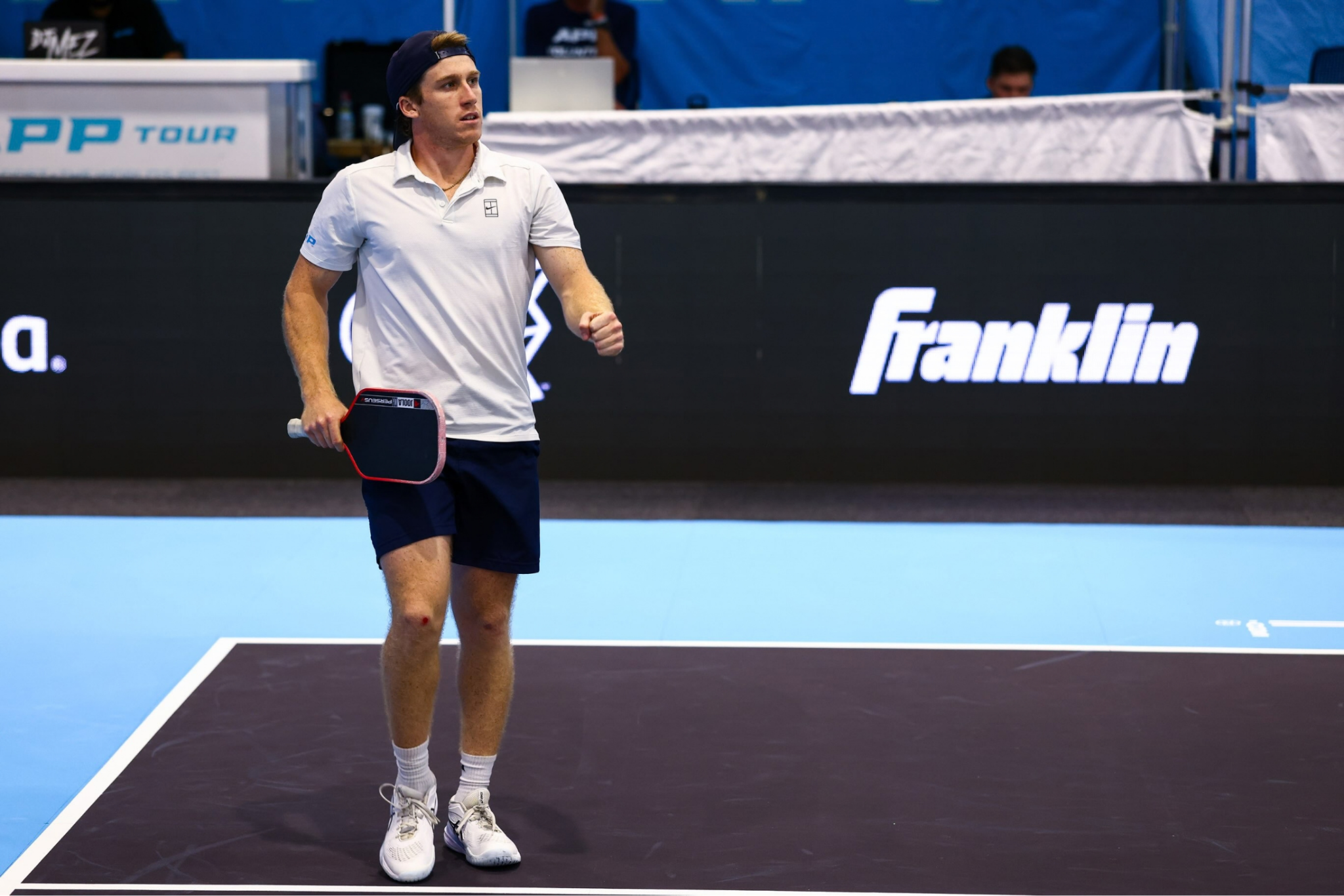
Top Singles Pro Riser: Jake Bower
Jake Bower made one of the biggest moves in singles this September, rising +0.145 to a 5.880 DUPR in singles after going an impressive 9-2 on the month.
Bower’s rise wasn’t just about wins, it came against some of the best singles players in the sport. During September, he picked up wins over Ronan Camron and Dusty Boyer, further establishing himself as a player to watch in the singles game.
While singles was the headline this month, Bower’s doubles game continues to trend upward as well. Primarily competing on the APP Tour, he continues to build his game across both disciplines and is showing that his growth isn’t limited to the singles court.
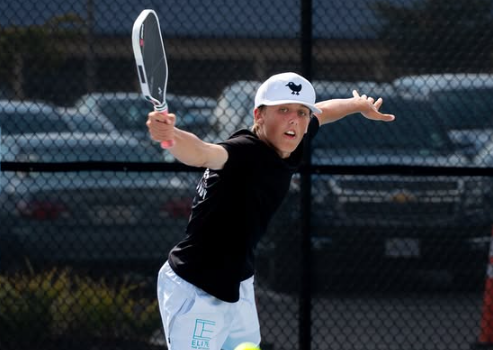
Top Singles Junior Riser: Braylon Ohrel
At just 15 years old, Braylon Ohrel is making a major move up the DUPR Rankings, earning the title of September’s Top Riser. Ohrel jumped +0.140 in singles to 5.512 and +0.139 in doubles to 5.721.
That rise has put him firmly inside the Top 15 of both the Boys Singles and Boys Doubles DUPR Junior Rankings, sitting at No. 13 in Boys Singles and No. 14 in Boys Doubles, with the Top 10 within reach.
Ohrel’s recent results back up the rise. At the latest PPA Charlotte Challenger, he captured silver in Men’s Pro Singles, competing against an experienced pro field. He also had a standout run at the PPA Veolia National Championships, taking home a triple medal: gold in Junior Boys Singles U18 and Junior Mixed Doubles U18, along with bronze in Junior Boys Doubles U18.
At 15, Ohrel is quickly establishing himself as one of the rising young players to watch according to our DUPR Rankings.
DUPR Athletes
October 2, 2026
PB5star: Building Better Pickleball Shoes, Growing a Community, Creating Connections
PB5star began with a simple realization: although pickleball was becoming increasingly popular, the footwear available to players had not fully caught up with the rapid growth of the sport.
PB5star founder Chris Gallagher had spent more than 30 years working in the footwear industry. He was also playing a lot of pickleball himself in Florida. The more he played, the more he struggled to find a court shoe comfortable enough for the amount of time he wanted to spend on the court.
With his footwear experience, Chris began looking more closely at how players move on a pickleball court and saw an opportunity to create footwear specifically for the sport, with comfort and stability at the center of the design.
That idea ultimately became PB5star.
But the story of PB5star is also a reminder of why so many people find pickleball in the first place: connection.
Chris found pickleball while living in Florida. Marisa started playing on makeshift courts in her California neighborhood. Alex discovered the sport after moving to South Florida and looking for a way to meet people.
Although they found the game in different places, the social side of pickleball became a common thread.

Finding a Sense of Community Through Pickleball
For Marisa, pickleball came into her life at a time when she especially needed community.
She had been dealing with severe chronic eczema for several years, which often affected her face. During the worst periods, she became very good at avoiding social gatherings and interactions.
Pickleball gave her a way to participate socially and physically that felt manageable.
She could wear a hat and sunglasses, pick up a paddle, and simply play.
Marisa started learning the game with a group of women near her home. At first, they were all figuring out the basics of pickleball together. Over time, that group became an important circle of female friends in her life.
“It was like all of a sudden,” she said, “I had something regularly scheduled on my calendar that included exercise, competition, laughter, and people I enjoyed spending time with.”
Pickleball gave her a regular reason to leave the house, be active, connect with others, and spend time with people she genuinely enjoyed.
“Pickleball pulled me back out into the world.”
Alex’s introduction to pickleball was completely different.
Her first experience with the sport came on a first date.
“The date did not work out,” she said, “but the pickleball did.”
When Alex moved to South Florida about three and a half years ago, she knew virtually no one. There were neighborhood courts nearby, so she began showing up and playing.
That immediately gave her a way into the local community.
Alex had also played sports in college. As she continued to improve at pickleball, her competitive side returned.
What initially started as a way to meet new people quickly became a sport she wanted to get genuinely good at and take to the next level.
Different Stories, the Same Reason
Marisa and Alex came to pickleball at different stages of their lives, but for essentially the same reason: connection.
Then the sport gave each of them something different.
For Alex, pickleball brought back the competitive athlete.
For Marisa, it created friendships that positively affected her daily life and expanded her social circle.
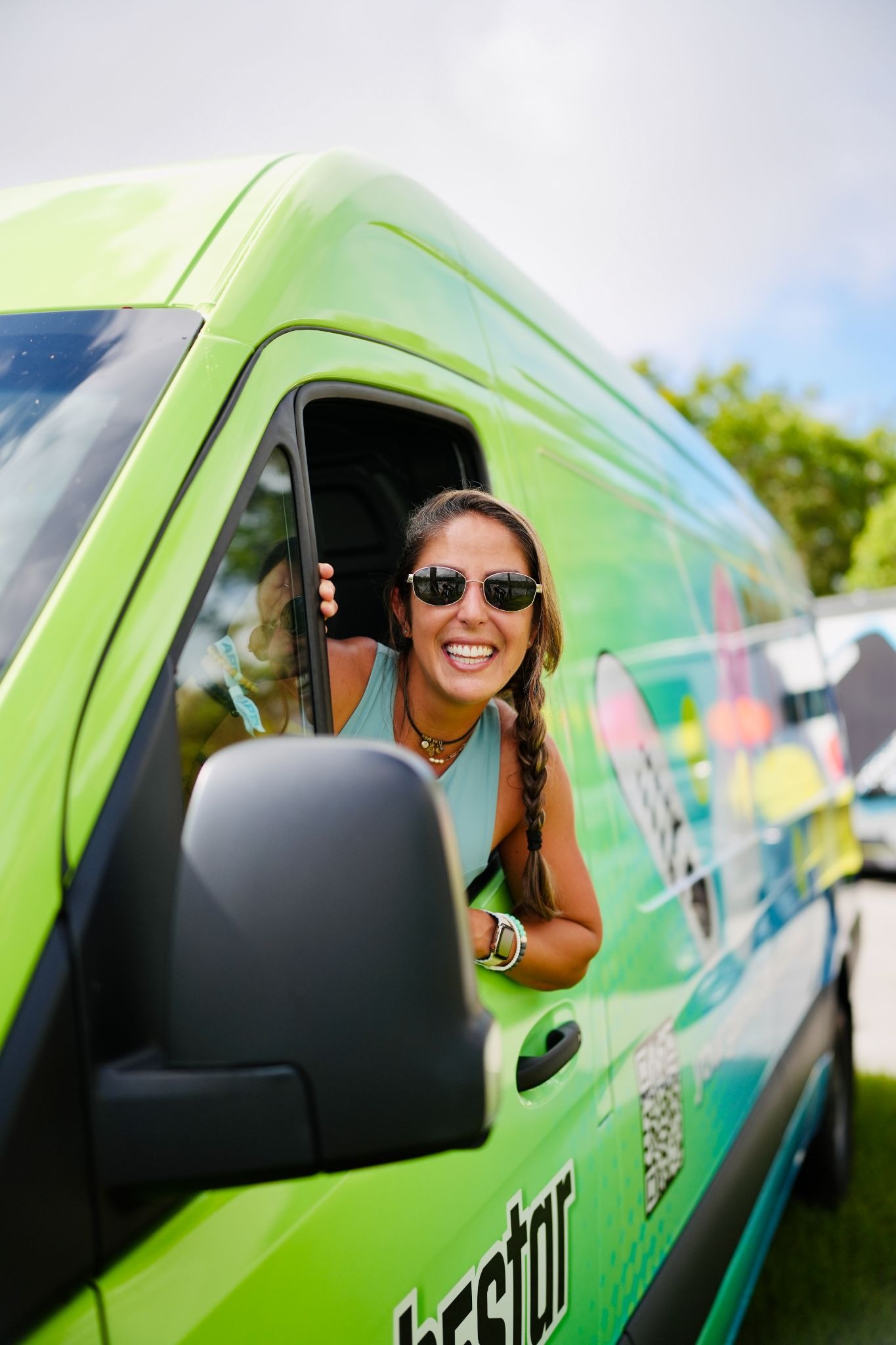
Eventually, pickleball also connected the two of them through a PB5star Sprinter van trip across the country.
Along the way, they met players who had their own versions of the same story.
Women Who Helped Shape PB5star
PB5star’s core team consists of fewer than 10 people.
Angela Caltagirone and Marisa Farnsworth were two of the five founding team members. As PB5star grew and wanted to establish more of an in-person presence at tournaments and pickleball events, Alex joined the team to help represent the brand within the community.
Because the team is small, roles are not always strictly defined.
Everyone brings different strengths, helps wherever needed, and has an opportunity to influence what the company is building.
Women have helped shape PB5star from the beginning, not only through marketing but also through product development, customer experience, and the way the brand connects with the broader pickleball community.
The road trip became one of the best examples of how Marisa and Alex’s differences strengthened their partnership.
They come from different generations and have very different personalities.
Marisa was usually the one willing to walk up to almost anyone and start a conversation. Alex, on the other hand, had a strong ability to navigate unexpected situations.
During the road trip, she managed parking-ticket situations, found ways around long waits, and helped them work through all kinds of logistical challenges while maintaining a positive attitude.
Each noticed things the other might have missed.
Throughout the trip, they became better at recognizing when to step forward and when to let the other person take the lead.
They left Florida as coworkers and arrived in California as genuine friends.
For Marisa, that became one of the most meaningful examples of women supporting women.
It does not always have to involve formal mentorship or depend on who has more experience. Sometimes it means recognizing what another woman brings to the table, making space for those strengths, and realizing that you are better together because of them.
From a Sprinter Van to a Cross-Country Pickleball Road Trip
The cross-country road trip actually began as a logistics problem.
PB5star had a branded Sprinter van sitting in hot, off-season storage in Florida, and the company needed to relocate it.
The original plan was simply to ship the van somewhere else.
Marisa suggested an alternative.
If they had to move it anyway, why not drive it back to California and turn the trip itself into an opportunity?
If they were already going to cross the country, they could visit retail partners, meet customers, play pickleball with strangers, measure players’ feet, and learn as much as possible along the way.
That ultimately became the plan.
Marisa flew to Florida, Alex picked her up in the large PB5star-wrapped Sprinter, and they started heading west.
They mapped out a basic route and a few important stops but intentionally left enough flexibility to accept invitations when people suggested interesting places to visit.
That flexibility ended up becoming one of the best parts of the trip.
One introduction often led to another.
Before long, they were playing pickleball in places and meeting people they never could have planned to encounter from behind a desk.
Measuring players’ feet also turned the trip into a valuable learning opportunity for the company.
Rather than only talking to customers, the team had the chance to watch players participate in the sport, observe how they moved on the court, and listen to what mattered most to them.
That gave PB5star additional information that could help inform future product development.
By the end of the cross-country trip, the Sprinter van had become much more than a way to get from Florida to California.
It had become an icebreaker.
People noticed it everywhere they went, asked what they were doing, and started conversations that might never have happened otherwise.
For a road trip centered around meeting players and gaining direct insight into the pickleball community, the van turned out to be the perfect vehicle.
What Makes the Pickleball Community Unique
For the PB5star team, one of the most special things about pickleball is its openness.
The sport seems to give people permission to talk to strangers.
Marisa and Alex saw this repeatedly during their road trip.
They could arrive in a city knowing almost no one, show up for open play, and before long people would be inviting them into games, recommending other courts, suggesting places to eat, telling them what they could not leave town without seeing, and introducing them to people they should meet.
One connection almost always led to another.
Pickleball also seems to find people when they are looking for community.
During the road trip, Marisa and Alex met players of completely different ages, backgrounds, and levels of play who had found some version of friendship or belonging through the sport.
Both women understood that experience personally.
“There’s something pretty special about a game where you can show up alone with a paddle almost anywhere in the country and have a reasonable expectation that someone will invite you in.”
Why a Universal Pickleball Rating System Matters
That openness is also one reason having a universal pickleball rating system can be so useful.
Pickleball is unusually social and portable. You can walk onto a court in another city, join open play, enter a tournament, or meet a completely new group of players.
Having a shared language for skill level makes those experiences easier.
For Alex, who plays more competitively, a rating gives her a way to measure progress and find the right level of competition wherever she goes.
For Marisa, who does not compete or have an official rating, the value still became clear during the road trip.
They were constantly arriving at unfamiliar courts and trying to figure out where they fit.
A universal system such as DUPR helps remove some of that guesswork by giving players a shared way to understand skill level.
Whether you are signing up for a tournament, joining open play, or traveling and looking for a game, a DUPR Rating can make it easier to find players who can provide a fun and competitive matchup.
And in a sport that brings together players across different ages, backgrounds, and locations, having one shared measure can make it easier to step onto an unfamiliar court.
You may know very little about the person standing across from you, but at least you can have a better idea of what kind of game you are about to play.
More Than Pickleball Shoes
PB5star began because Chris Gallagher saw an opportunity to create court shoes designed specifically around the movements and demands of pickleball.
But the company’s story has grown into something larger.
It has become closely connected to the same thing that drew Chris, Marisa, Alex, and so many other people to the sport in the first place: community.
From makeshift neighborhood courts in California to open play in Florida and a PB5star Sprinter crossing the country, pickleball created friendships, competition, and opportunities for people to connect.
That may be one of the most unique things about the sport.
You can show up somewhere new with a paddle, find people around your level, and leave knowing people you did not know when you arrived.
Follow PB5star on Instagram at @pb5star.official or visit PB5STAR to learn more about the brand.
To better understand your own level and track your progress, learn more about DUPR Ratings or visit DUPR.
Community
October 1, 2026
Team Pickleball Takes Over Texas: College Worlds, MiLP at MLP and the MLP Nations Cup
Texas is about to get a serious dose of team pickleball when the CPT College World Championship, MiLP at MLP, and the MLP Nations Cup all descend on Brookhaven Country Club in Farmers Branch, Texas, from Oct. 30-Nov. 1.
All three events will take place during the same weekend and at the same venue, creating a unique experience for competitors and fans alike.
DUPR players will have an unparalleled opportunity to compete, watch some of the best players in the world, and witness firsthand the growth of team pickleball.
2026 College World Championship Returns
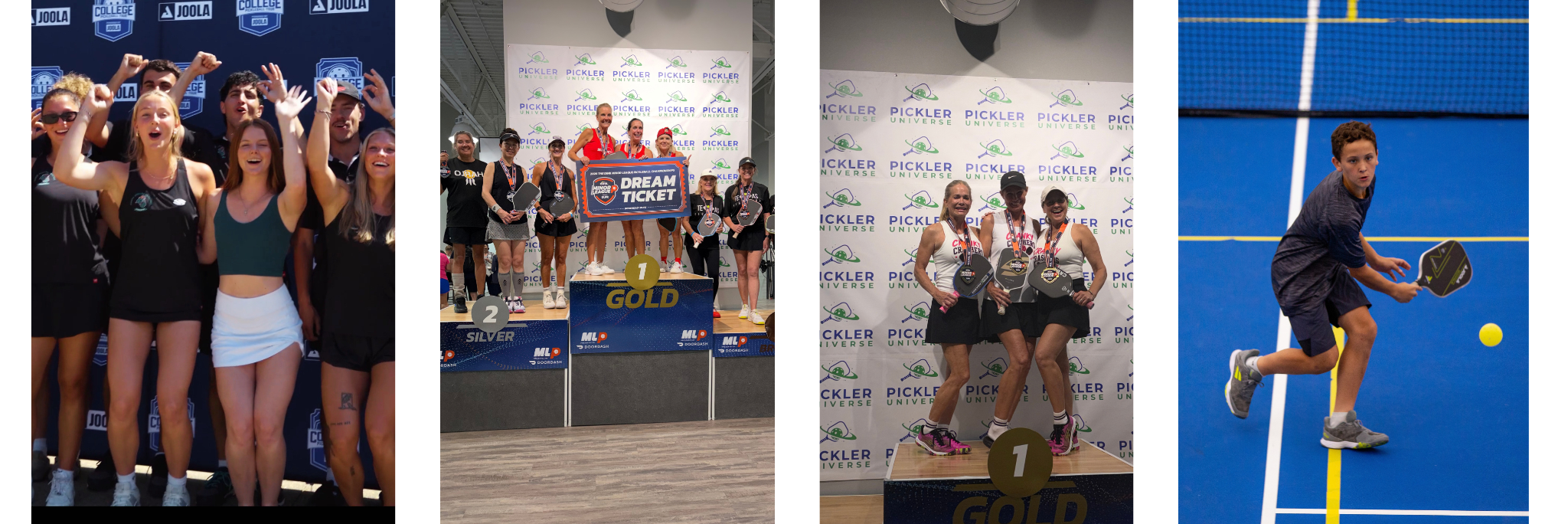
The CPT College World Championship returns Oct. 30-Nov. 1 with a larger-than-ever field of domestic and international teams.
The tournament represents the largest prize-money event of the fall collegiate season, while domestic teams will also compete for six bids to The Nationals.
Any college may enter. Teams are made up of two women and two men, all of whom must be enrolled full-time at the same university.
Competition will begin on Friday, Oct. 30, with group play before continuing into a massive playoff bracket on Saturday and Sunday.
Defending champion Utah Tech won the 2025 College World Championship with a 3-1 victory over Team India. This year, an even larger field will be looking to claim the top spot.
In addition to collegiate competition, college players will have the chance to check out the MLP Nations Cup happening simultaneously at Brookhaven Country Club, allowing them to watch the pros compete in elite-level team pickleball while participating in their own event.
And the competitive journey does not stop after the weekend. The Opendoor Pickleball World Championships will follow immediately from Nov. 2-8 at Brookhaven Country Club in Farmers Branch. As a 3,000-point PPA Major, the event gives players another opportunity to experience high-level professional pickleball.
MiLP at MLP - A Pathway for Amateur Players
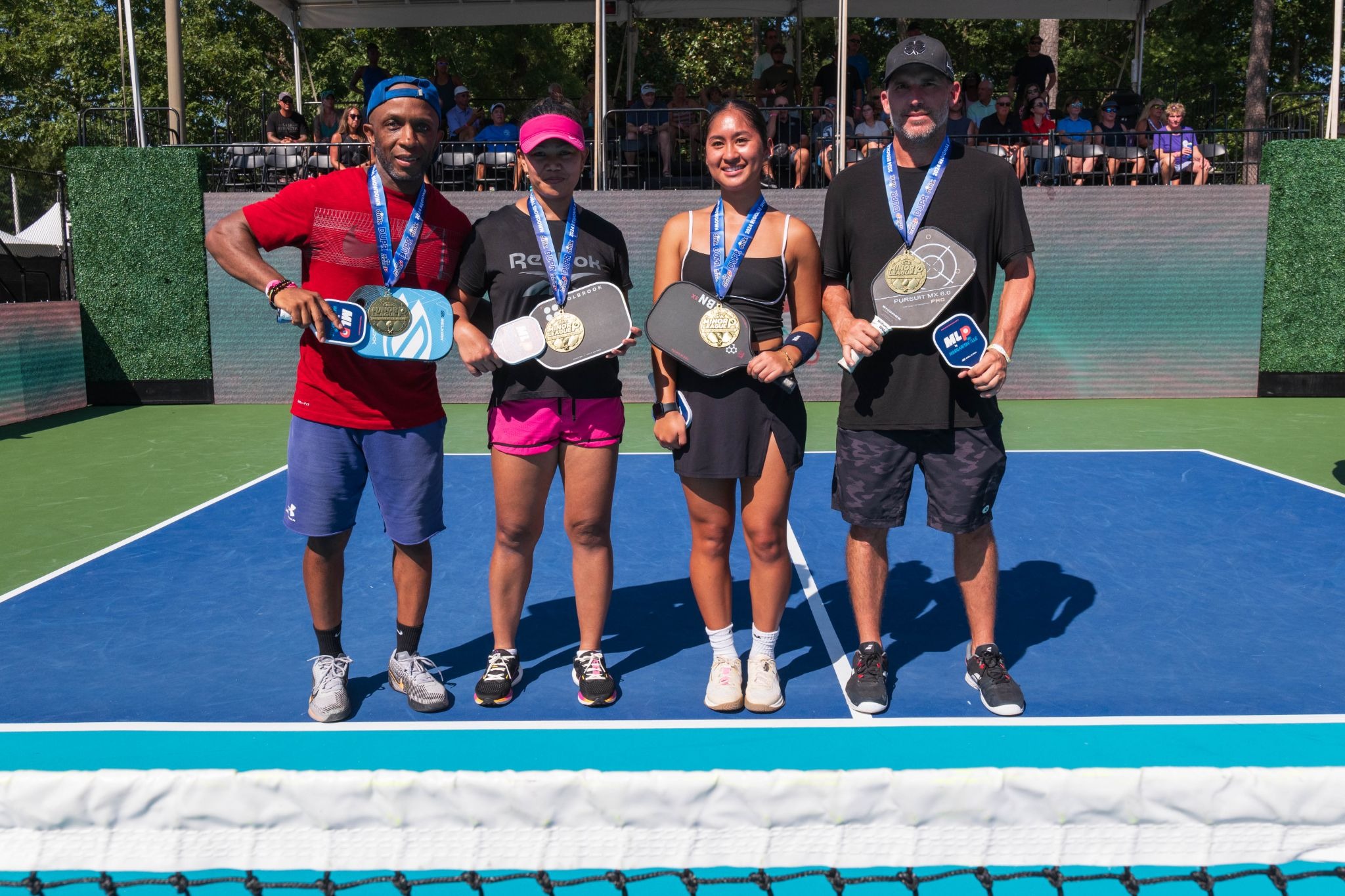
MiLP at MLP joins the action as well, bringing the Minor League Pickleball team format alongside professional MLP competition from Oct. 30-Nov. 1 at Brookhaven Country Club.
For amateur players, MiLP at MLP offers the opportunity to experience the atmosphere of a major professional event while competing with their own teams.
Competitors interested in qualifying for the MiLP Championships should note that MiLP at MLP will award a Dream Ticket, automatically qualifying recipients for the MiLP Championships taking place Feb. 24-28, 2027.
Competitors will also earn double points toward the MiLP National Leaderboard.
Additionally, MiLP at MLP competitors will receive several perks, including Championship Court passes for all three days of professional competition, streamed amateur courts, Pickleball Central discounts, and at least three guaranteed team matches before entering the playoff bracket.
Teams will use the standard Minor League Pickleball format: four 21-point games consisting of women's doubles, men's doubles, and two mixed doubles games. If teams are tied 2-2, a Dreambreaker™ determines the winner.
MiLP v3 divisions will also be offered for three-player teams.
Four-player divisions include DUPR 12, 14, 16, 18, and 20, while MiLP v3 divisions include DUPR 9, 11, 13, and 15.
Registration is currently $90 per player and increases to $100 on Oct. 17. Registration closes Oct. 26.
MiLP at MLP is a DUPR-verified event, meaning all participants must hold an active DUPR+ membership. Register for MiLP at MLP
First-Ever MLP Nations Cup Brings Pro Play to the Same Weekend
At the professional level, Major League Pickleball will host its first-ever MLP Nations Cup from Oct. 30-Nov. 1 at Brookhaven Country Club.
The event will introduce a new international competition for Major League Pickleball and add professional team pickleball to an already packed weekend featuring College Worlds and MiLP at MLP.
Major League Pickleball describes the event as part of the larger 2026 Pickleball World Championships.
For college and MiLP players, this creates a rare experience: they will be competing during the same weekend, at the same venue, and within the same broader team-pickleball environment as professional players.
One Weekend. All Levels of Team Pickleball.
College teams will compete for a world title and spots at The Nationals. MiLP teams will fight for leaderboard points, Dream Tickets, and Championship opportunities. Professional teams will represent their regions on the MLP stage.
Each level of competition carries its own stakes, but from Oct. 30-Nov. 1, they will all come together at Brookhaven Country Club to showcase the rapidly expanding pathway of team pickleball, all in Texas.
- Learn more about the College Pickleball Tour (CPT)
- Register for MiLP at MLP
- Get tickets for MLP Nations Cup
No items found.
September 30, 2026
Meet Brian Williams, the coach building Alabama pickleball
Five years ago, Brian Williams was about to spend $1,500 on golf clubs. Then he noticed two strange little courts in his Tuscaloosa neighborhood.
Today he's in his third year coaching the University of Alabama pickleball team, one of the programs to watch on the College Pickleball Tour. We talked with him about his coaching philosophy, the hardest part of the job, and why he believes Alabama pickleball is about to make some noise.
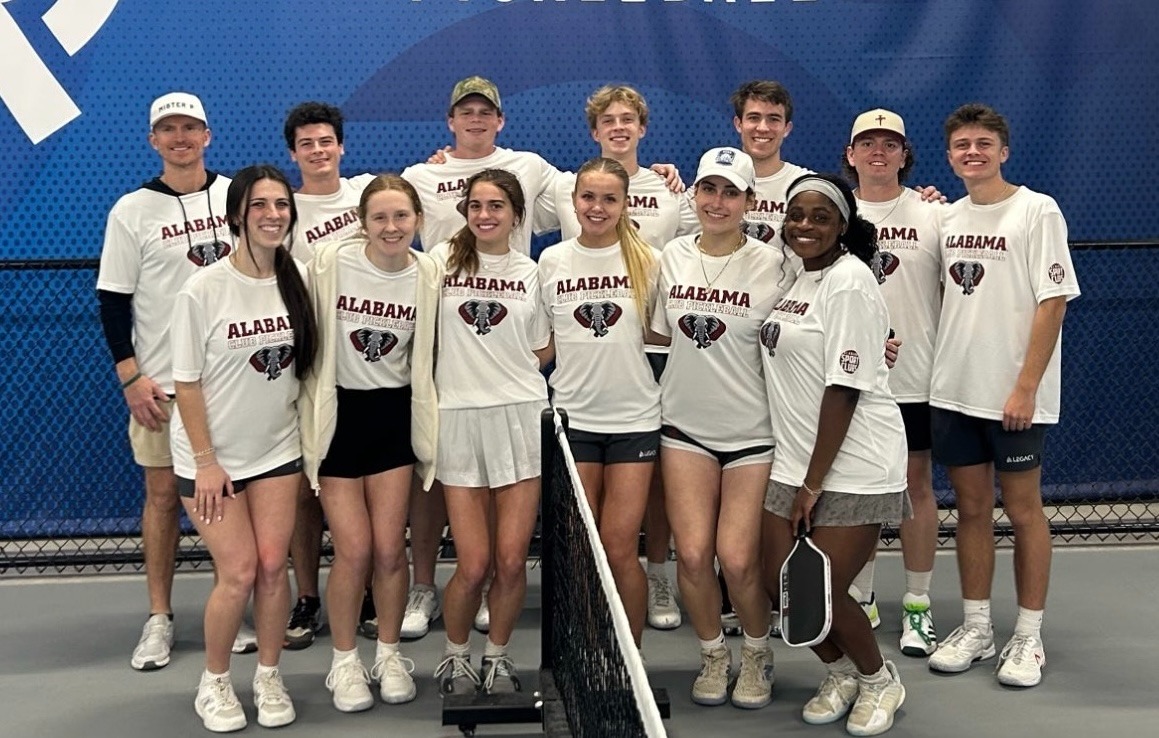
From golf clubs to the kitchen line
Williams had just moved to Tuscaloosa, settled into a new house, and started a new chapter in his career as a pharmacist. He needed a hobby. Pickleball looked like the budget option.
"I figured I'd try the cheaper hobby first," he said. "Little did I know what I'd eventually spend on paddles, shoes, and tournaments."
A few years later, he was a high-level tournament player. When the University of Alabama started its club team, student leaders tracked him down and asked him to coach. "I loved the idea of giving back and helping grow collegiate pickleball, so it was an easy yes."
"When I first started coaching, I was told the DUPR Collegiate Pickleball Tour was the premier stage for college pickleball," he said. "It has absolutely lived up to that reputation."
Competition was nothing new. In high school, Williams held football records for receiving yards and punt returns, a baseball record for stolen bases, and regularly made the all-area team in basketball. Before Alabama, his pickleball coaching came mostly through private lessons for local players who asked.
Discipline first, then attack
Ask Williams about his philosophy and the first word you'll hear is discipline.
"Make the right shot at the right time, even when emotion is telling you to go for something spectacular. Fundamentals and discipline earn you the right to be aggressive."
He wants his players to understand that "great pickleball is not about hitting the hardest shot. It is about making the right decision over and over again, then attacking when you have earned the opportunity."
That standard carries into team culture. "We want practice and competition to be fun, but never at the expense of preparation, performance, or team chemistry," he said. "Wearing Alabama carries a standard with it."
And the classroom always wins. "School always comes first," Williams said. "They are students first, and their education will always matter more than any tournament result."
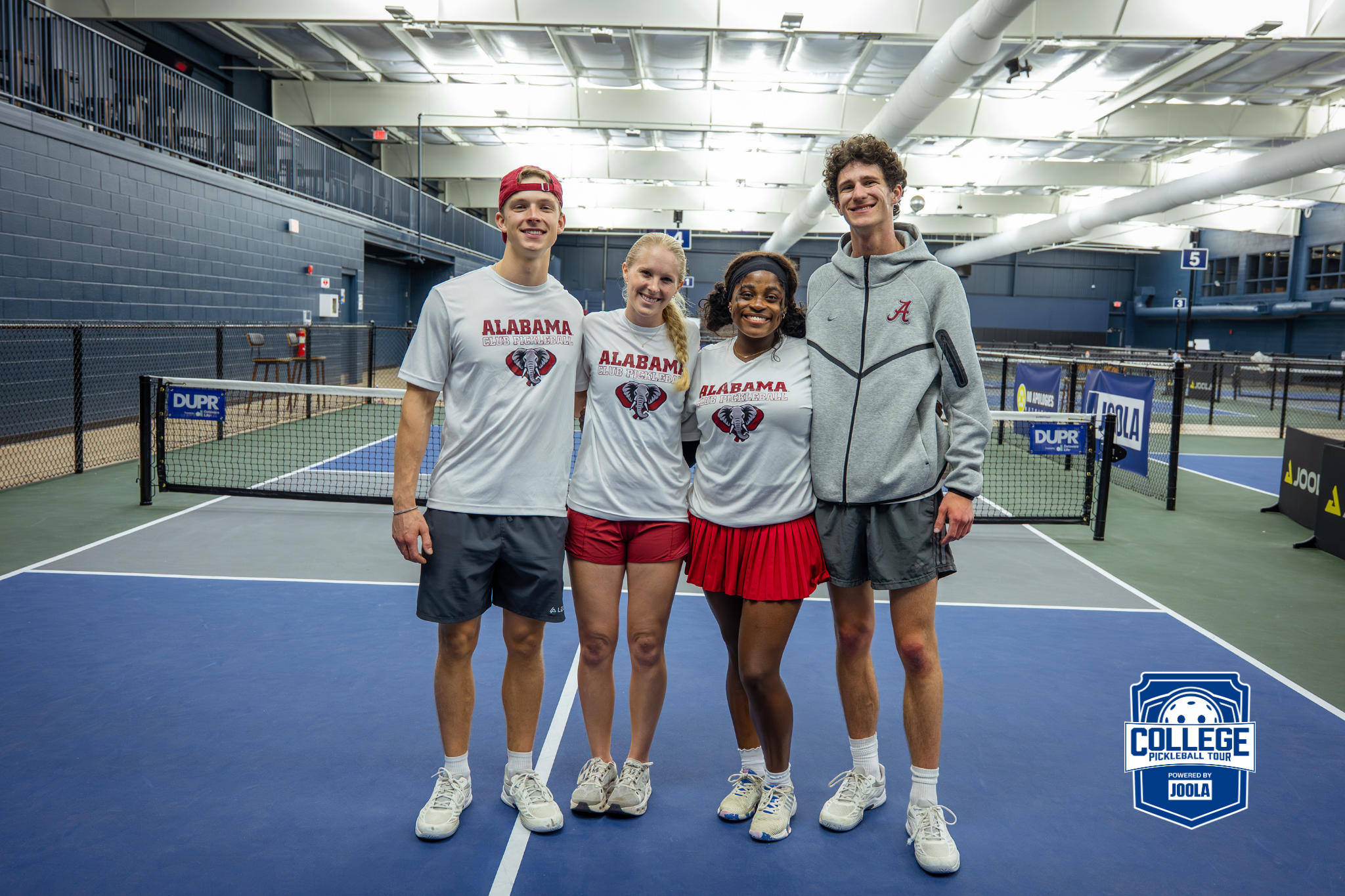
Inside an Alabama pickleball practice
"We are obsessed with the small things right now."
Every practice includes drills on fundamentals, ball control, touch, shot development, court positioning, and strategy, along with the "why" behind each decision. The team mixes in singles, DreamBreaker practice, and competitive games.
The twist: an internal ranking system where practice results count. Players compete for spots on the top team, so every session carries pressure. "The goal is to make tournament moments feel familiar because they have already experienced that pressure in the gym."
The program also has support from JOOLA. "Having JOOLA Pickleball support us has also been a tremendous blessing," Williams said. "They have been an incredible sponsor and a big part of helping us continue to build the program."
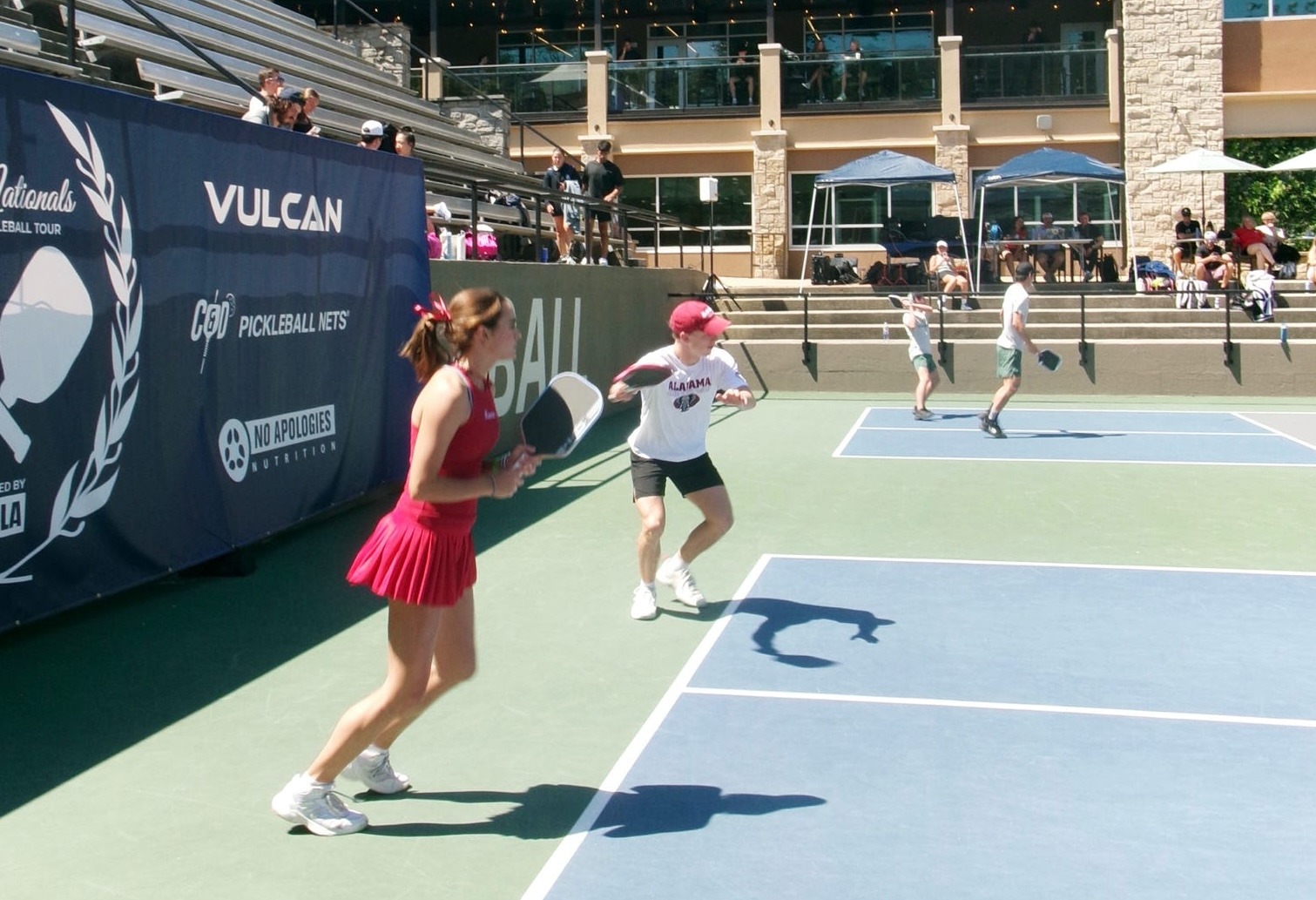
The pairing to beat
Williams didn't hesitate. "Kiki Onyeagocha and Emma Roberts are the pairing to beat."
Emma was a Collegiate All-American last year. Kiki, he says, is "playing lights out."
"I joke that most of the guys on our team are a little scared of her, but honestly, that joke is probably not too far from the truth."
Beyond the top pair, Williams sees flexibility as the team's biggest strength. "We have several combinations that can work, and I'm excited to see which ones really separate themselves as the season develops."
The hardest part of the job
Tryouts.
"Cutting players who were on the team the year before is difficult because these are kids we know and care about," Williams said. "But if the goal is to build a program capable of competing for a national championship, you sometimes have to make painful roster decisions."
There's plenty more behind the scenes: fundraising, travel, lineups, etc. "College pickleball does not yet have the scholarship infrastructure of many traditional college sports, so building support matters tremendously."
He's quick to credit the students, who run an executive committee with a president, vice president, competition director, social media, secretary, and finance roles. That structure lets Williams focus on the competitive side, including the tough calls. "They should not have to argue among themselves about lineups or who belongs where."
Aim small, miss small
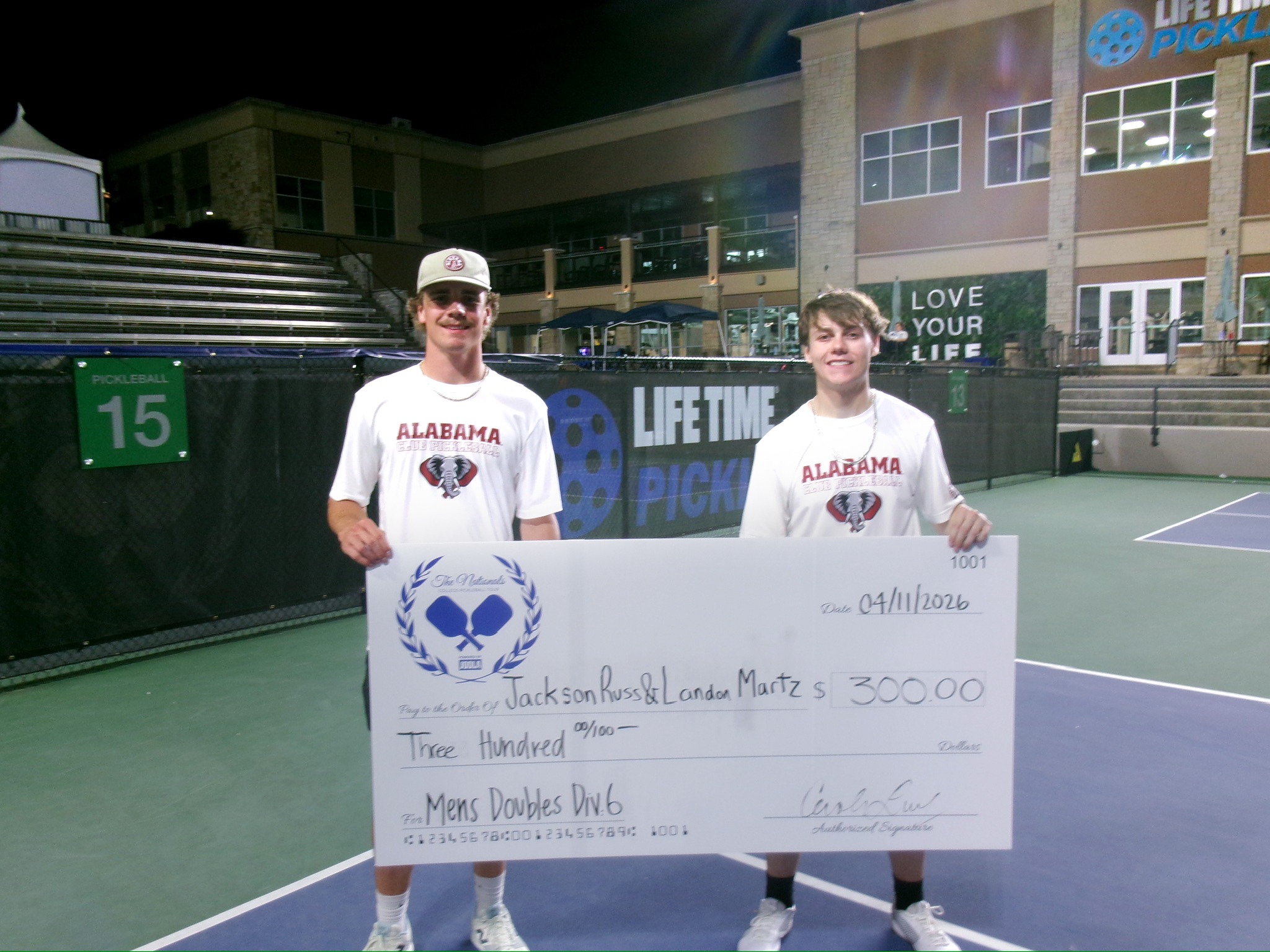
The goal this season is clear. "Simply put, earning a bid to DUPR Collegiate Nationals and winning Nationals. That is the target. The path there is built one practice at a time. "Every practice, every point, every tournament, every Regional and Super Regional should make us a fraction better than we were before."
Building a destination for Alabama pickleball
Williams wants Alabama to be "a destination for high-level collegiate pickleball," and the local infrastructure is growing with him. The University of Alabama just built eight new courts on campus, Tuscaloosa added eight at Northridge, and Bowers Park now has 19 courts, including three covered courts.
The team holds two official practices a week at Bowers and a third on campus, plus extra play the athletes organize themselves.
Williams stays in touch with high school players early, and a prospective player from Huntsville is touring campus and watching practice this week. The program is also exploring a partnership with an indoor facility that could host tournaments, training, and potentially a junior showcase, though nothing is finalized yet.
"We want to build something sustainable."
Life outside the gym
"I'd be dishonest if I said pickleball wasn't my full-time hobby," Williams said. Outside the sport, his faith and family come first. He hosts small church groups at home and in the community, and he manages a hospital outpatient pharmacy.
"Most importantly, I'm a husband and a dad. My wife and our two girls, 15 and 11, are my angels."

Roll Tide
Williams has one message for Tour fans: "Buckle up. Alabama pickleball is coming, and we plan on making some noise. Roll Tide."
Follow Alabama and the rest of the field as the season unfolds. Check the College Pickleball '26-'27 and find a College Pickleball event near you.
College
September 28, 2026
Pickleball tournament etiquette every player needs to know
Nobody remembers who hit the cleanest drop at their first tournament. They remember the player who made a bad line call on match point, or the team that showed up 20 minutes late.
Good pickleball tournament etiquette won't show up on the scoreboard, but it shapes how every match feels. Whether it's your first event or your fiftieth, here's what to know before, during, and after you play.
Why pickleball tournament etiquette matters
Tournaments run on trust. In many matches, especially early rounds, there's no referee. You and your opponents are responsible for calling lines, tracking the score, and keeping play moving.
That only works when everyone follows the same unwritten (and written) rules. Good etiquette keeps matches fair, keeps the schedule on time, and makes people want to play you again. Pickleball is a small world. Your reputation travels.
Before your first match
Enter the right bracket
Your DUPR rating is what places you in the right bracket. Enter the division that matches your level, not the one you think you can win. Playing down to collect medals is sandbagging, and players notice.
Not sure where you stand? Read what is a DUPR rating and check your current number in the app.
Check in early
Arrive with time to spare. Find the tournament desk, confirm your check-in, and learn where your court assignments will be posted. Late arrivals can mean a forfeit, and they hold up everyone else.
Keep your warmup short
Warmup time at tournaments is limited. Hit a few dinks, drives, and serves with your opponents, then get started. Save the long warmup for the practice courts.
Pickleball tournament etiquette on the court
Make fair line calls
This is the big one. You call the lines on your side of the net. If you're not sure a ball was out, it's in. Give your opponent the benefit of the doubt, every time.
Call it clearly and quickly, with your voice and a hand signal. And if your partner sees a ball differently than you, the call goes to your opponent's favor.
Call the score before every serve
The server calls the full score before serving. In doubles, that's three numbers: serving team's score, receiving team's score, and server number. Say it loud enough for everyone to hear. If there's any confusion, stop and sort it out before the rally starts.
Say "ball on court"
If a stray ball rolls onto your court during a point, call "ball on court" and stop play. The point gets replayed. When your ball rolls onto someone else's court, wait for their rally to end before you ask for it back.
Watch your walking route
Never walk behind a court while a point is in play. Wait until the rally ends, then move quickly. It's a small thing that players on those courts will appreciate.
Respect the referee
When a referee is assigned, their calls stand. You can ask a question politely, but arguing a call won't change it and won't win you any fans. Know the timeout rules for your event, and use them as intended.
After the match
Meet at the net
Win or lose, meet your opponents at the net for a paddle tap or handshake. A quick "good match" goes a long way, especially after a close one.
Report the score accurately
Tournament results are verified, so they carry more weight in DUPR ratings than self-posted rec games. That makes accurate score reporting part of good etiquette. A wrong score affects the rating of every player on the court, not just yours.
Clear the court
Grab your balls, water bottles, and towels, and step off quickly. The next match is waiting. If you have time, stick around to cheer on friends. Tournaments are better with a crowd.
Quick answers
Who makes line calls in a pickleball tournament without a referee?
Each team calls the lines on its own side of the net. When in doubt, the ball is called in.
Who calls the score in pickleball?
The server calls the score before every serve, loud enough for all players to hear.
What happens if a ball rolls onto the court mid-rally?
Any player can call "ball on court." Play stops, and the rally is replayed.
Play fair, play often
Great pickleball tournament etiquette comes down to a few habits: be on time, make honest calls, keep play moving, and treat your opponents the way you want to be treated. Do that, and you'll be the player everyone wants in their bracket.
Pickleball Tournaments
September 27, 2026
How to climb the pickleball rankings faster with DUPR
You open the rankings page, scroll past the names you know, and start hunting for your own. Maybe it's further down than you'd like. Maybe it's not there yet.
Here's the good news. Climbing the pickleball rankings isn't luck, and it isn't only about winning. It comes down to how your DUPR rating moves, and you have more control over that than you think. Below, we'll break down how rankings work and six ways to move up faster.
How pickleball rankings work on DUPR
Your spot on the DUPR rankings comes from your DUPR rating. Higher rating, higher rank. Simple as that.
Ratings run on a scale from 2.000 to 8.000, and you have two of them: one for singles and one for doubles. Rankings are split into categories like Open, Senior, and Junior, plus men's and women's doubles and singles. Your rating updates after verified matches, so your rank can shift every time you play.
So the real question is how to raise your rating. For the full breakdown, read how your DUPR rating is calculated. The short version: DUPR measures how you perform against expectation, not just whether you win.
6 ways to climb the pickleball rankings faster
1. Play in club and tournament events
Not every match counts the same. Club and tournament results carry more weight than self-posted rec games because they're verified.
2. Play up
This is one of the fastest ways to climb. When you face higher-rated opponents, the expectation is that you'll lose. Keep it close, and you beat that expectation.
You don't have to win to move up. A 3.5 who loses 9–11 to a 4.0 has overperformed, and their rating reflects it.
3. Compete for every point
Margin matters. An 11–9 loss and an 11–3 loss are two very different results in the algorithm.
That means the game isn't over when you fall behind. Every point you claw back in a tough match can protect or raise your rating. The same goes the other way: coasting through a win you were expected to dominate can cost you.
4. Check DUPR Impact before you play
Want to know what a match is worth before you step on the court? DUPR Impact, found in the Forecast tab of the DUPR app, lets you adjust scorelines and see how each outcome would move your rating.
Use it to set a real target. If you know an 11–7 win keeps you climbing but an 11–10 win doesn't, you'll play with more focus.
5. Stay active
Recent matches carry more weight than older ones. If your game has improved, regular play lets your rating catch up faster.
Volume matters too. The more matches on your record, the more accurate and stable your rating becomes. DUPR recommends logging at least 10 to 15 matches before fully trusting your number.
6. Pick your format and commit
Singles and doubles are rated separately, so they're ranked separately too. Splitting your time evenly means each rating builds more slowly.
If you're chasing a specific ranking, put most of your matches into that format. You'll build match history faster where it counts.
What slows your climb
Some habits quietly hold players back. Watch out for these:
- Narrow wins against lower-rated opponents. A win you barely pulled off can still drop your rating if you were expected to win big.
- Relying on self-posted rec games. They count, but they move your rating less than verified club and tournament play.
- Long breaks from rated play. Recent results weigh more, so time away means older matches keep shaping your number.
And remember, one rough afternoon won't sink you. Once you have an established match history, a single result is one data point among many.
Start your climb
Climbing the pickleball rankings comes down to a few habits: play verified matches, play up, fight for every point, and stay consistent. Your rating follows your performance, and your rank follows your rating. Open the DUPR app, check your Forecast before your next match, and see where you stand on the rankings today.
DUPR Ratings