
How to Hold a Proper Pickleball Grip for Better Control
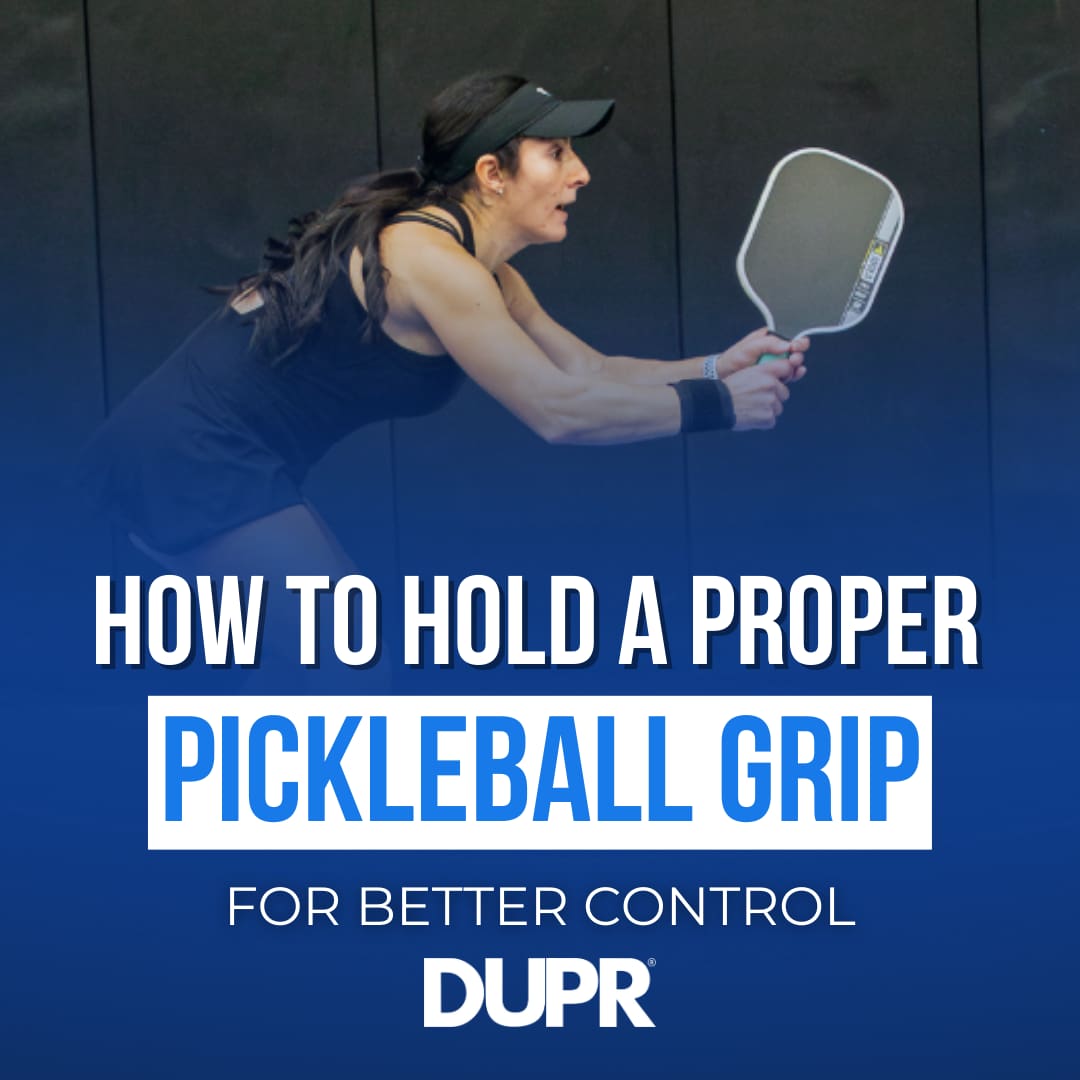
If you’re serious about improving your pickleball rating, competing in pickleball tournaments, or climbing the pickleball rankings, your grip is one of the first fundamentals you need to dial in.
A proper continental grip gives you better control, cleaner contact, and more consistency, without having to swing harder. And the best part? You don’t need fancy techniques or complicated adjustments.
Let’s break down the two easiest, most effective ways to hold your paddle the right way.
Why Your Pickleball Grip Matters
Before we get into how to grip the paddle, let’s talk about why it matters.
A correct pickleball grip helps you:
- Control the paddle face on dinks, volleys, and drives
- React faster at the kitchen line
- Reduce mishits and unforced errors
- Transition smoothly between shots without changing grips
Tip #1: The Hammer Grip
The easiest way to find a proper pickleball grip? Pretend you’re holding a hammer.
How it works:
- Pick up your paddle like you’re about to pound a nail
- Keep your grip relaxed, not tight
- Your hand should feel natural and neutral
This grip prevents you from over-rotating the paddle face and helps you stay consistent across shots.
Why it works: The hammer grip keeps your wrist mobile and your paddle square, key elements for clean contact and control.
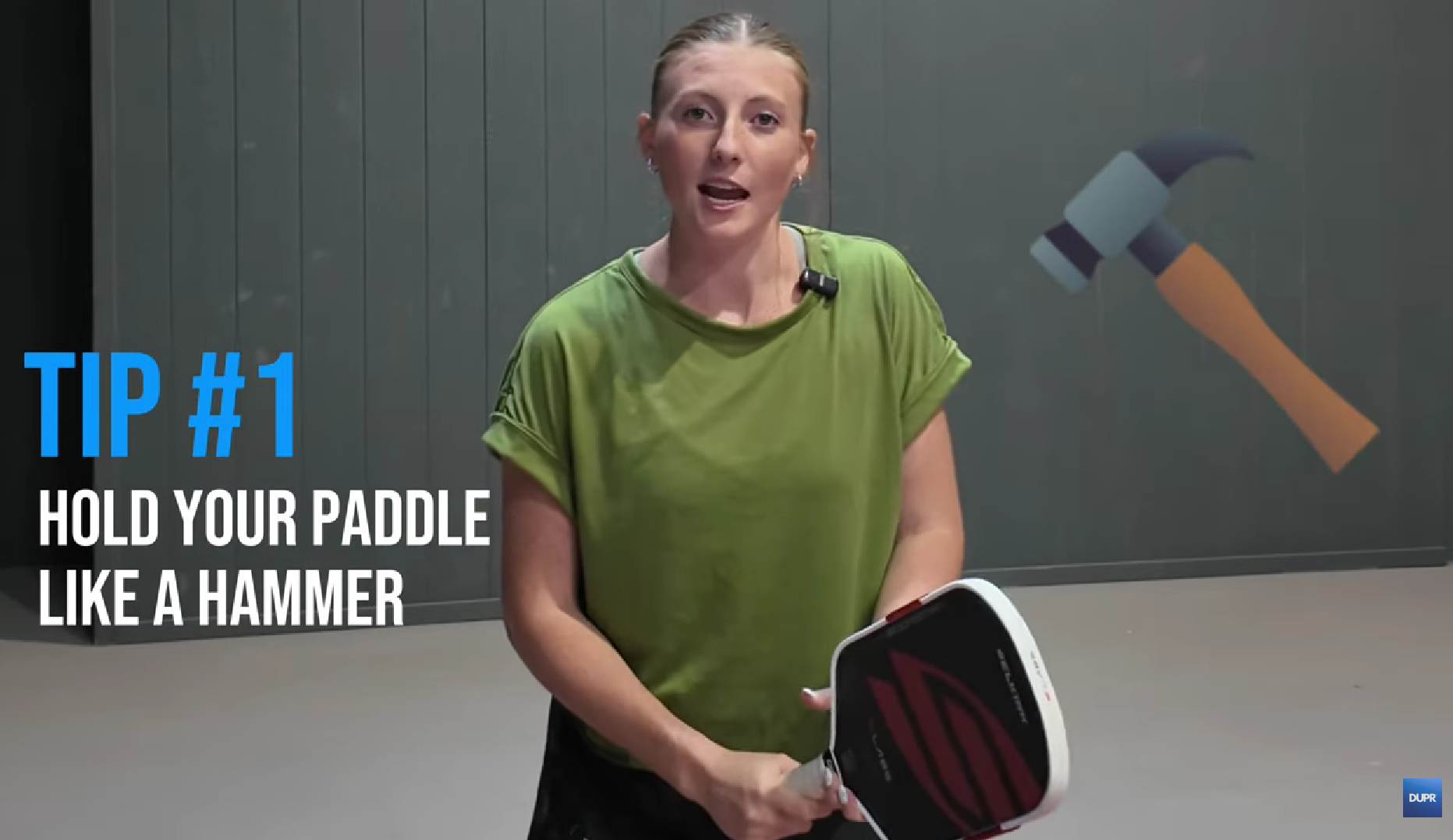
Watch How To Make A Hammer Grip here
Tip #2: The Handshake Grip
Another simple trick: give your paddle a handshake.
How it works:
- Hold your paddle like you’re shaking someone’s hand
- The paddle face should be perpendicular to the ground
- Your thumb and index finger form a relaxed “V” along the handle
If this grip feels familiar, that’s a good sign, it’s the same grip most high-level players use for serves, returns, dinks, and volleys.
Pro insight: The handshake grip and hammer grip are essentially the same thing, two different ways to find a neutral, all-purpose pickleball grip.
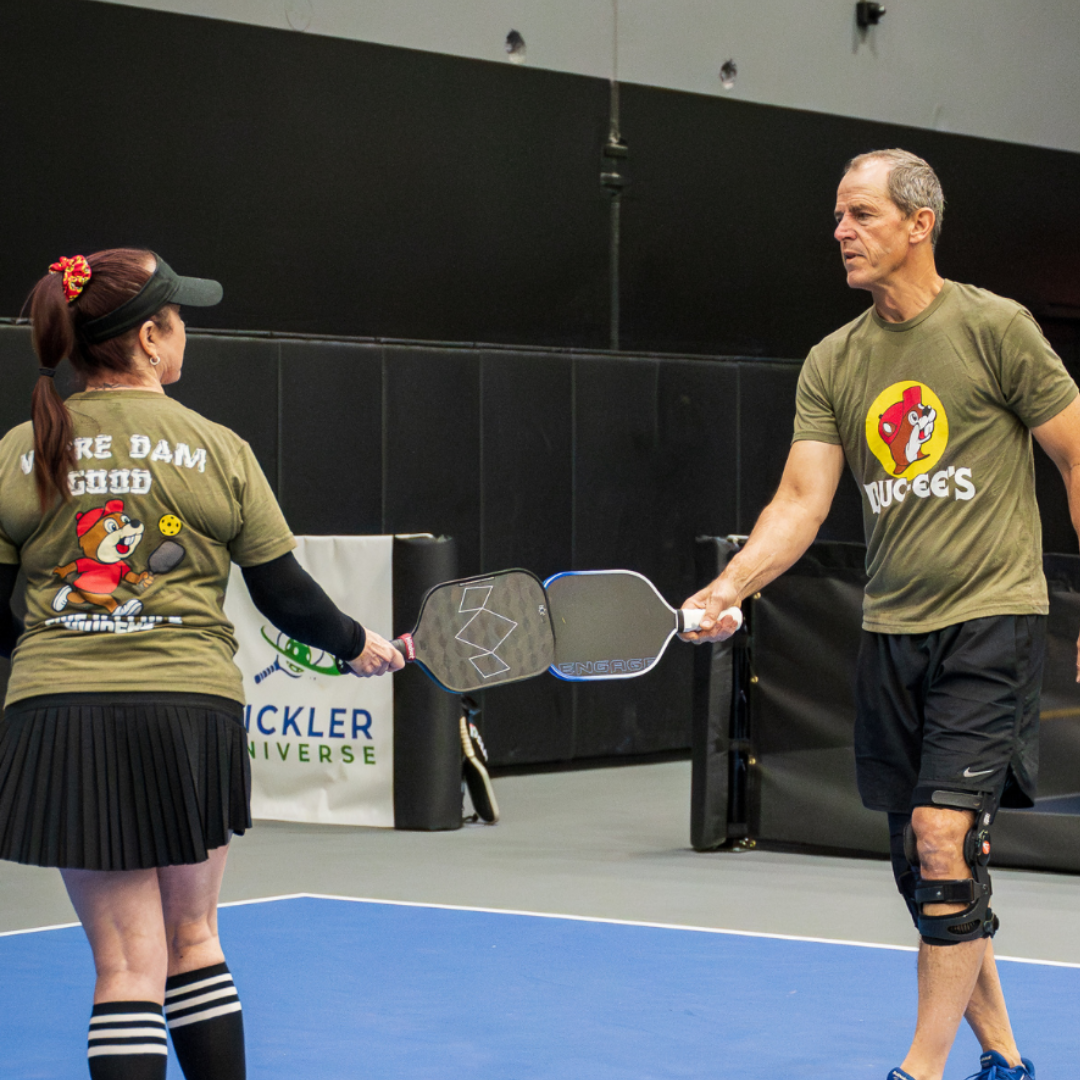
Watch How To Make The Handshake Grip here
Key Takeaway
You don’t need a different grip for every shot in pickleball.
A continental grip works across:
Constantly changing grips slows you down, and in competitive pickleball, reaction time matters
Common Grip Mistakes to Avoid
Even experienced players fall into these habits:
- Gripping too tight: leads to pop-ups and poor touch
- Pan-handle grip: limits topspin and control
- Over-adjusting mid-rally: causes late contact
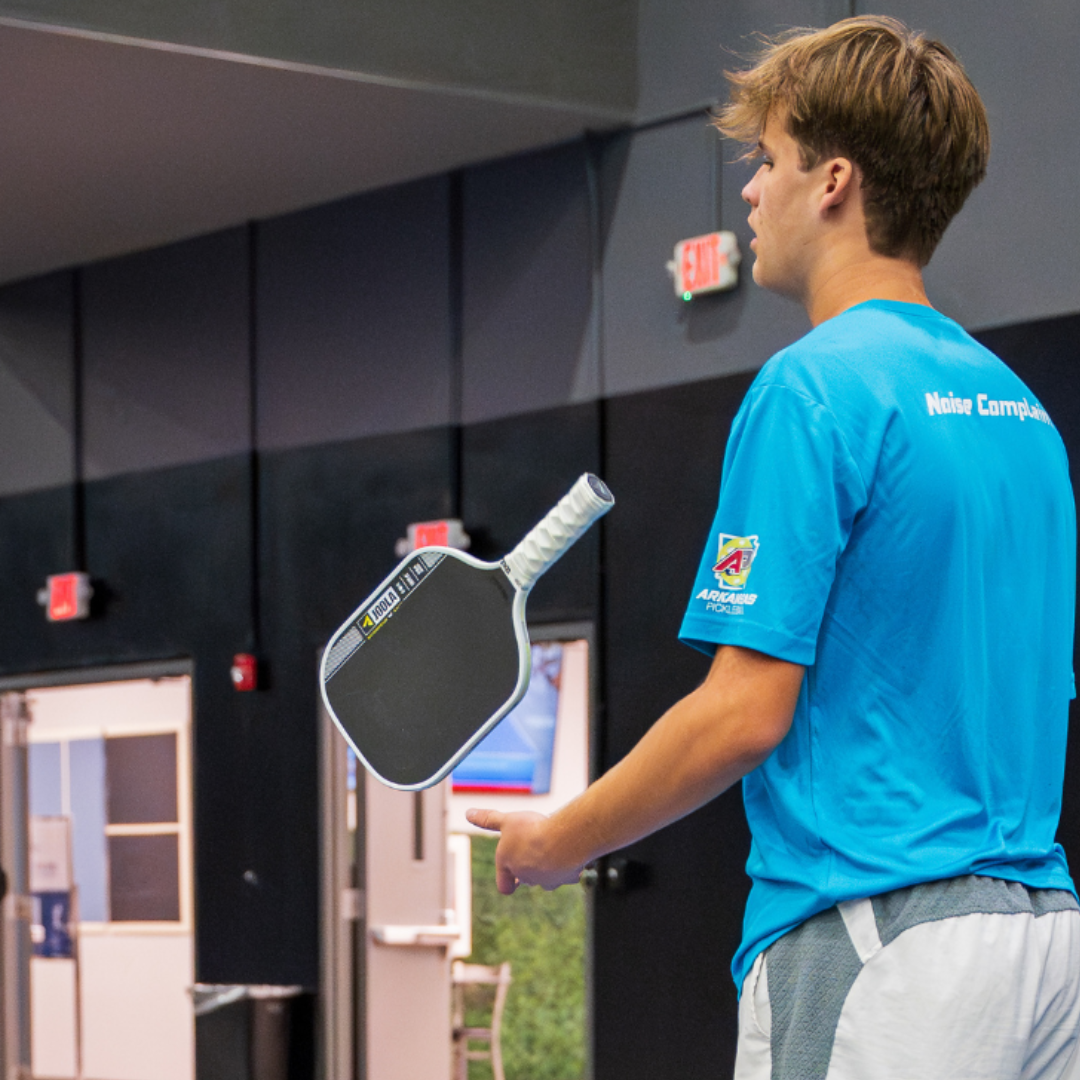
Fixing your grip is one of the fastest ways to clean up your game, without changing your swing.
Success on the court is built on control and solid fundamentals. As you refine your skills and let your game evolve, remember to track your journey and log your latest scores on the DUPR app to see where you stand.
Want more insights? Check out our blog page and follow @duprpb on Instagram.

.jpg)
%20(1).jpg)
.jpg)


