
Pro Tip Series: Master the Short Hop and Own the Kitchen
.jpg)
Not all dinks land exactly where you want them to. There are times when your opponent will hit a strong roll that has you stretching. Other times, you may anticipate a speed-up, pull back early, and then find yourself dealing with a low-bouncing ball at your feet. This is when you’ll start to see the value of the short hop.
Pro Pickleball Player Richard Livornese Jr. breaks down when to use the short hop, how to control it, and where to place the ball to keep your opponent from attacking. You can watch his full breakdown here.
The short hop is a more advanced shot; however, the concept is fairly simple. Put simply, it is a defensive option you can use when you’re late, reaching, or out of position.
Know When to Use the Short Hop
You generally don’t plan on using the short hop unless you have to. If you can comfortably reach the ball and slice, roll, or dink it, that should usually be your first choice.
You would typically use the short hop when:
- You reach for a ball but can’t safely take it out of the air.
- You get wrong-footed or anticipate a different shot coming your way.
- An opponent uses an effective roll and gets the ball down close to your feet.
Instead of giving your opponent an easy attack by letting the ball sit up in front of you, the objective is to keep the ball low, short, and difficult to reach.
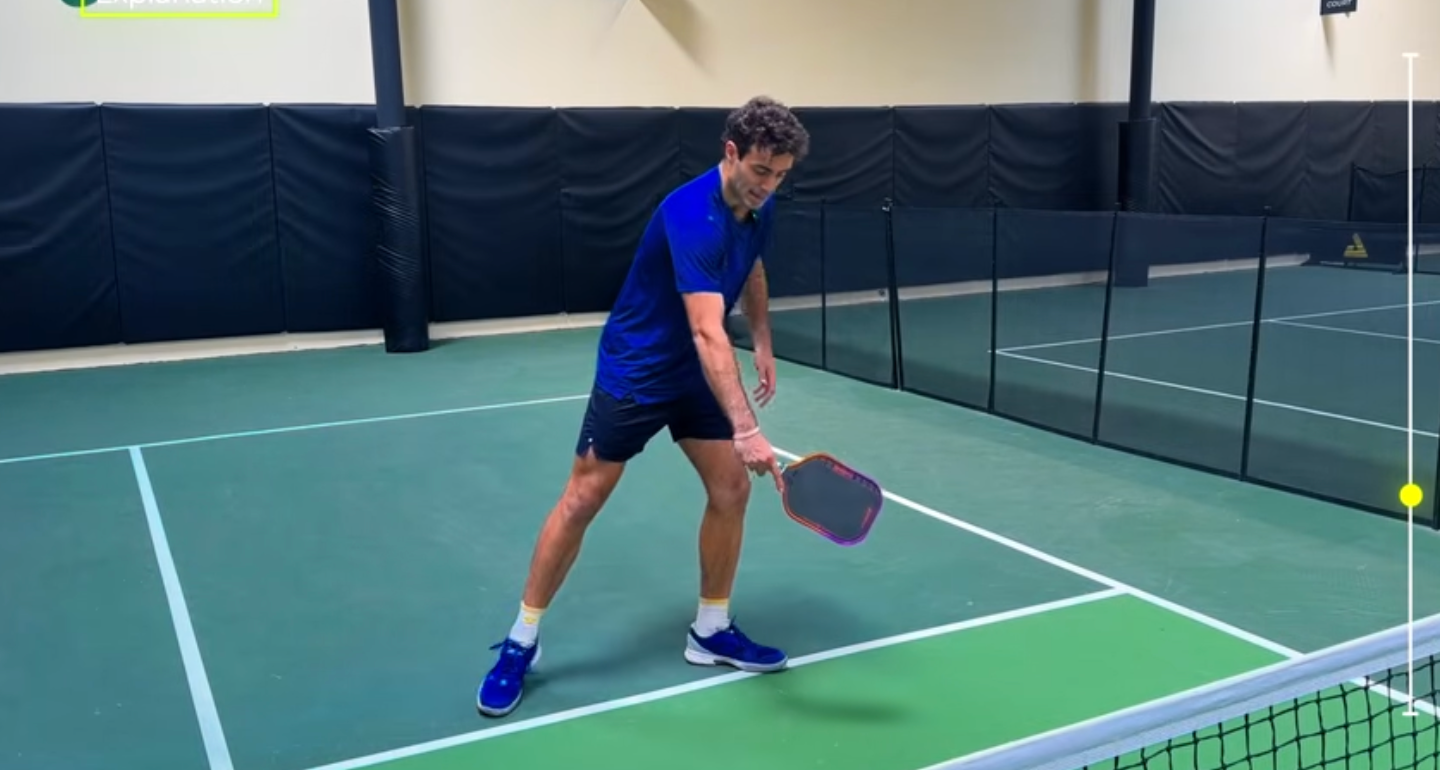
Set the Wrist Before You Swing
One of the most important things to remember with the short hop is to preset your wrist as you prepare for the ball.
Whether you’re hitting a forehand or backhand, avoid changing the angle of your wrist as you make contact. Instead, set your wrist position before the swing. Once your wrist is positioned correctly, use your arm and shoulder to drive through the ball.
Think of it this way: set the wrist angle first, then use your arm.
Trying to adjust both at the same time makes the shot much harder to control and can lead to additional errors.
Get Around the Ball to Keep It Unattackable
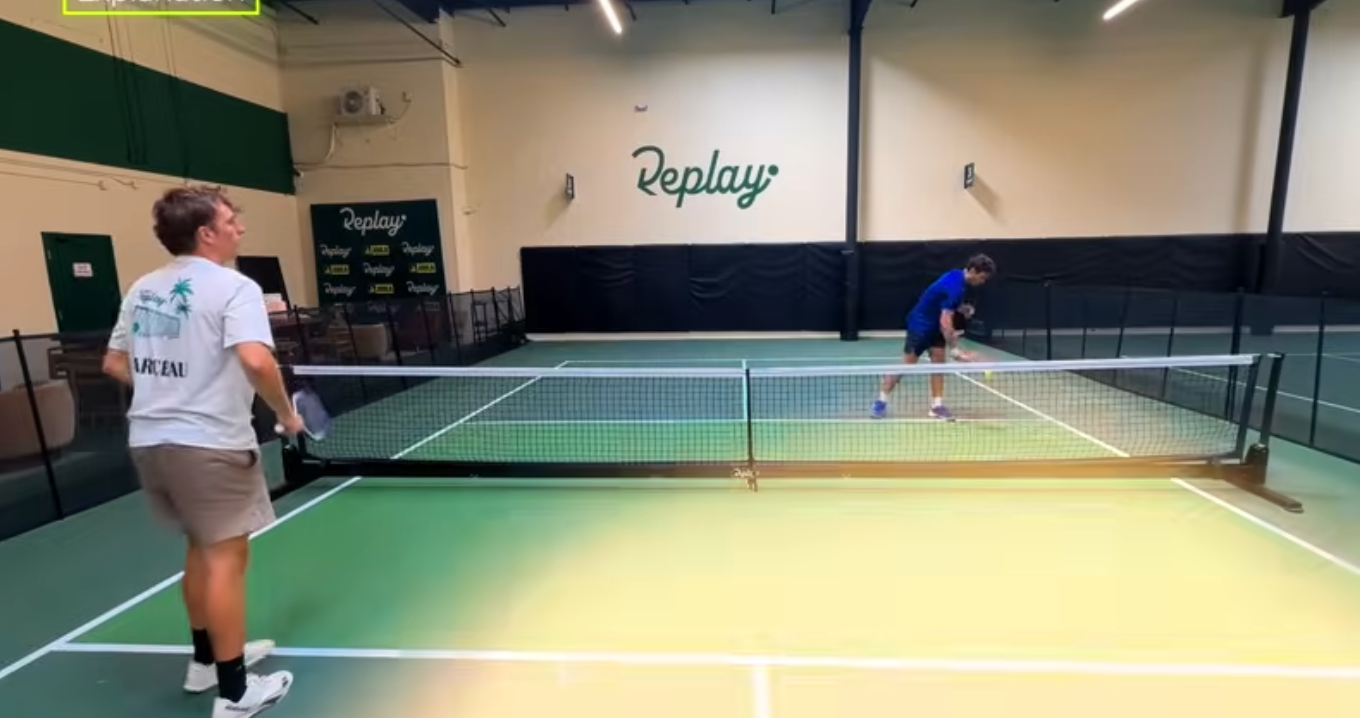
Simply leaving the paddle face open and pushing the ball straight forward can create problems. An overly open paddle face can cause the ball to pop up and give your opponent an opportunity to attack.
Instead, work around the outside of the ball. This will help keep your short hop:
- Low over the net.
- Short inside the kitchen.
- Wide toward the sideline.
- More difficult for your opponent to attack.
By working around the ball, a small directional error is more likely to send the ball wider toward the sideline rather than deeper into the court, where it could sit up and become attackable.
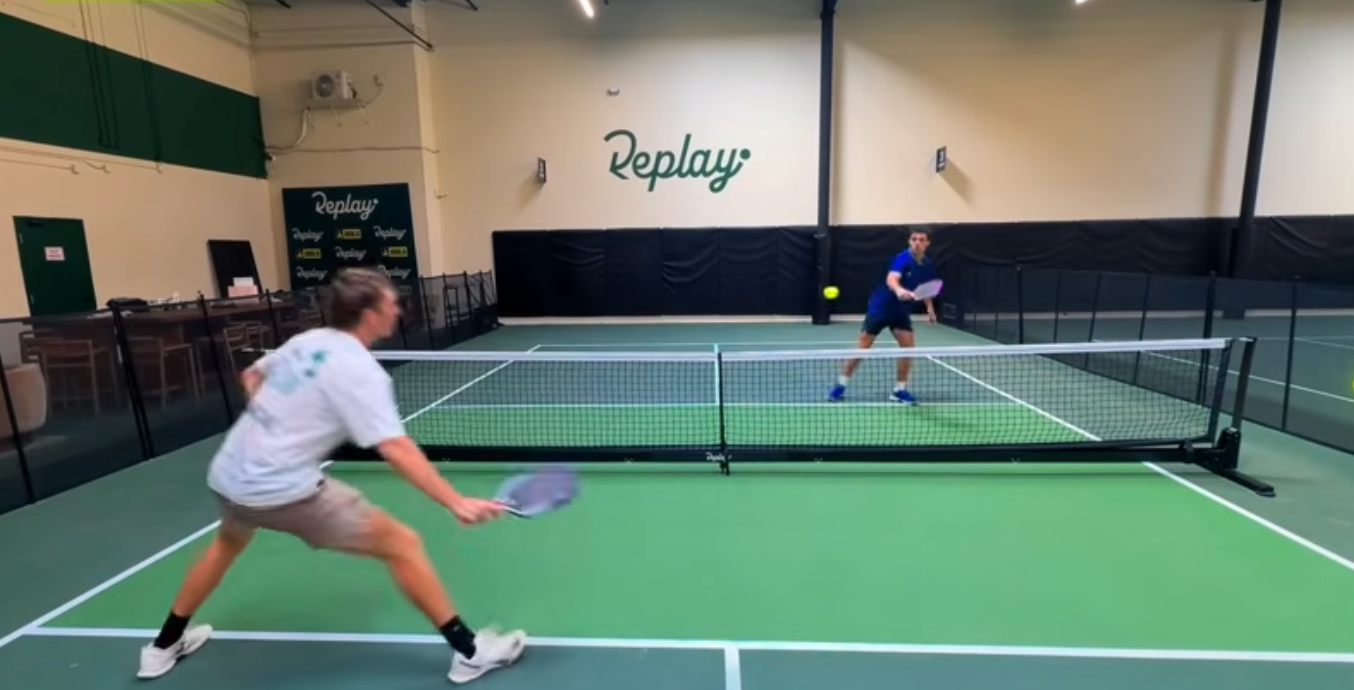
Aim Wide and Short
Generally speaking, wide and short is the safest target.
From the left side, directing the ball wide can prevent an opponent in the middle from reaching in and attacking.
From the right side, you have a little more flexibility. In addition to sending the ball wide, you can occasionally play a softer ball through the middle.
The main thing to avoid is sending the short hop too deep. A deep short hop can quickly turn into an attackable ball for your opponent.
If you’re working on controlling points around the kitchen line, check out DUPR’s guide on how 3.5 players can own the pickleball kitchen line.
Turn Defense Into Pressure
The short hop is not only a survival shot when you’re dealing with a difficult ball. Used properly, it can also help you maintain pressure at the kitchen.
By taking balls out of the air when possible and using the short hop when needed, you can continue taking time away from your opponent while forcing them to deal with lower, less attackable shots.
This can be particularly effective against opponents who rely heavily on rolls. If you can consistently keep those rolls short and unattackable, you may force your opponent to lob or attack off the bounce instead of creating offensive opportunities out of the air.
For more ways to improve your decision-making and control during rallies, explore DUPR’s top pickleball strategies to improve your game.
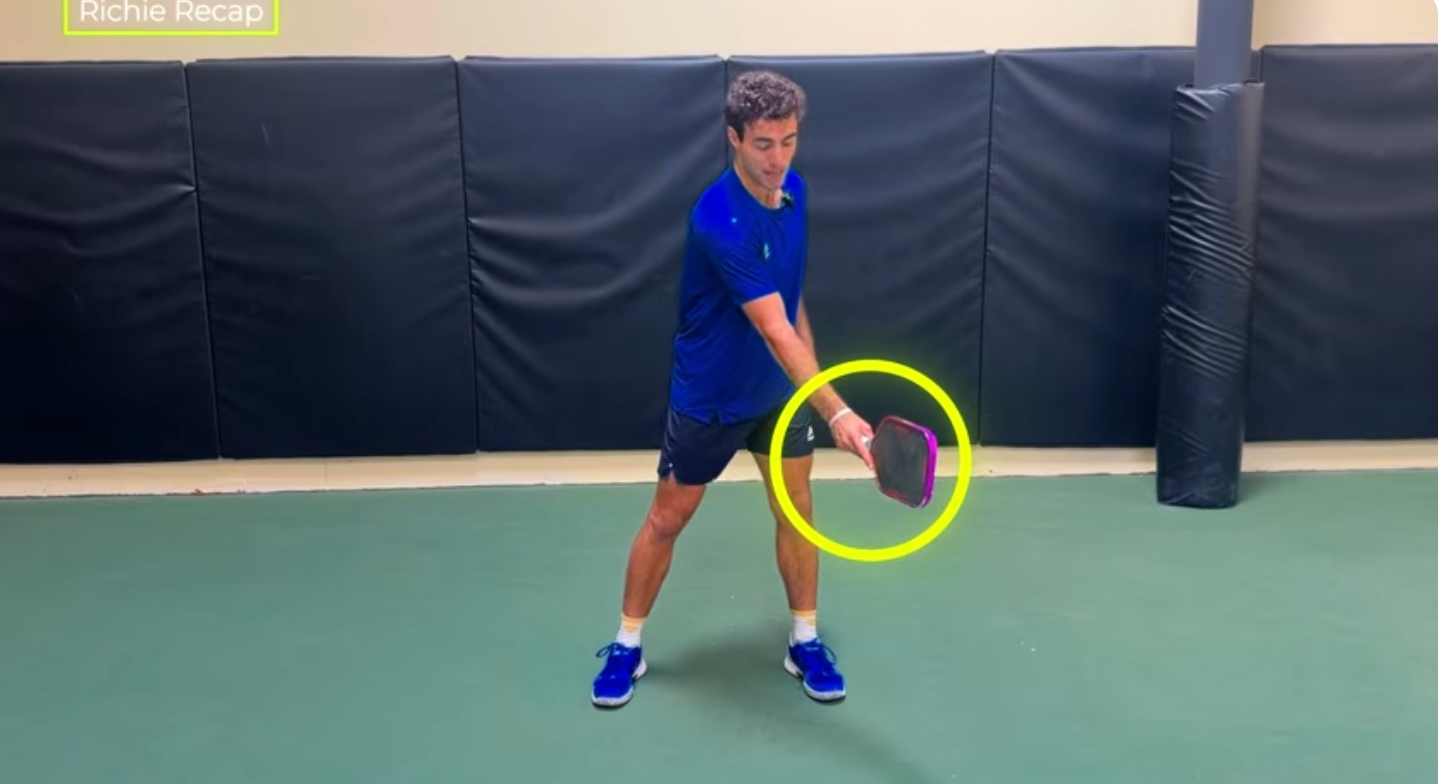
Short Hop Checklist
The short hop can be an excellent tool when you’re late, reaching, or slightly out of position. Remember:
- Use it when you need it rather than planning to use it.
- Set your wrist before moving your arm.
- Use your shoulder and arm to drive through the shot.
- Work around the ball instead of leaving the paddle face completely open.
- Keep your target as wide, low, and short as possible whenever you can.
- From the right side, occasionally mix in a softer ball through the middle.
Mastering the short hop gives you another way to stay composed at the kitchen, neutralize difficult dinks, and keep your opponent from turning defensive situations into easy attacks.
Want to see the short hop in action? Watch Richard Livornese Jr.’s full Pro Tip video for the complete breakdown.

.jpg)

.jpg)


